





How are preschool children and airplane passengers alike? Or students on their lunch break and hospital patients? Or employees eating in a company restaurant and attendees at a high-profile congress? At first glance, you might think: nothing. In fact, they are all catered for by caterers. That is why it is so difficult to talk about „the” catering industry. It is too diverse, too broad and too dependent on customers to be analysed as a single entity. These are the catering trends to expect this year.
As different as caterers' offerings and target groups may be, none of them is immune to major societal developments and trends. Unprecedented digitalisation, sustainability, shortage of skilled labour - these are the key words for the catering industry that will continue to have a very real impact on all caterers, large and small, in 2024. But what exactly does this mean?
Plant-based FOOD will be one of the dominant catering trends
Let's start with one of the most important trends for the hospitality industry this year: the so-called planet-friendly diet. More than 40 international scientists will discuss this in 2019, taking a holistic approach that not only needs to be healthy but also the planet.
In other words, it is a diet that balances the healthy and the environmentally friendly. It should not only take into account food morality, but also the increasingly important health aspect. This means less meat and less food in general eating fewer animal products would be more urgent. Along with more vegetables, more pulses - and more wholemeal products. But it's not just avocados and other products from the other side of the world superfood-but also means the local or regional foods is.
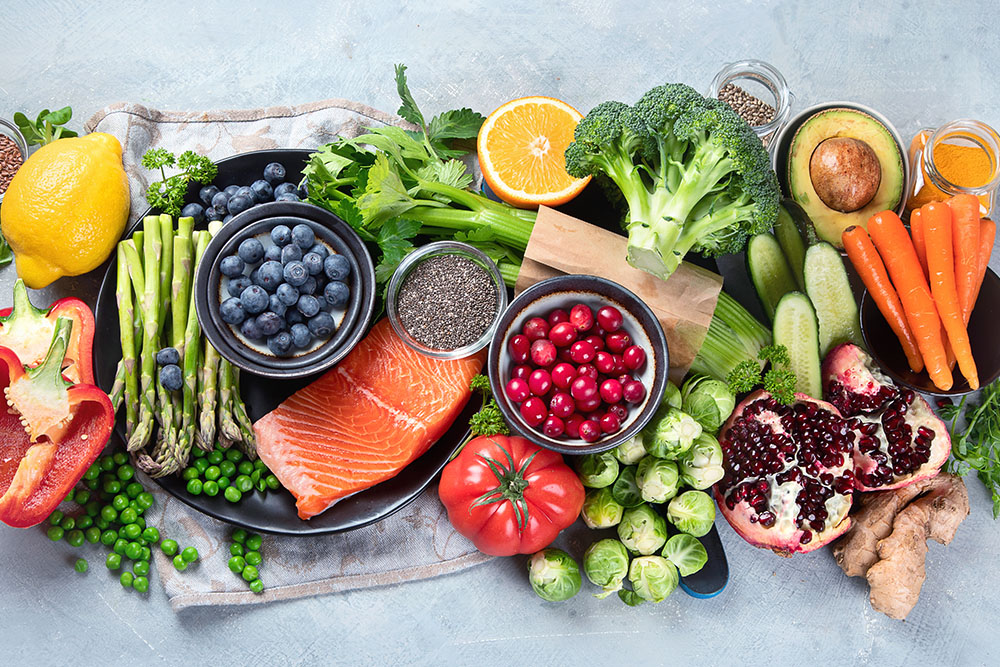
In 2024, catering menus will therefore become increasingly healthy. It can also be seen that large international companies such as Google are driving this trend and encouraging other companies to do the same. In many places, governments are also trying to support public and private canteens that offer a more sustainable food supply.
The right kitchen technology is key
With the US animal welfare organisation, the Humane Society of the United States-the international catering company has set itself the goal of becoming significantly more sustainable. By 2025, 44 percent of the food served at 250 colleges and universities in the United States will be plant-based. In fact, they aim to reduce CO2 emissions by 25 percent by 2030 compared to 2019.
However, this is not only by reducing animal products, but also by reducing waste - and more energy-efficient use of professional kitchen technologies. This is a trend that is already a priority for many catering service providers. This is not only beneficial in terms of CO2 emissions, but is also a sensible investment in times of widespread staff shortages, as multifunctional kitchen equipment can „fill in” for missing staff. However, in order to make the most of all the energy-saving features of a cooking system, properly trained staff are needed.

WHAT ‘NEW WORK’ MEANS FOR THE HOSPITALITY INDUSTRY
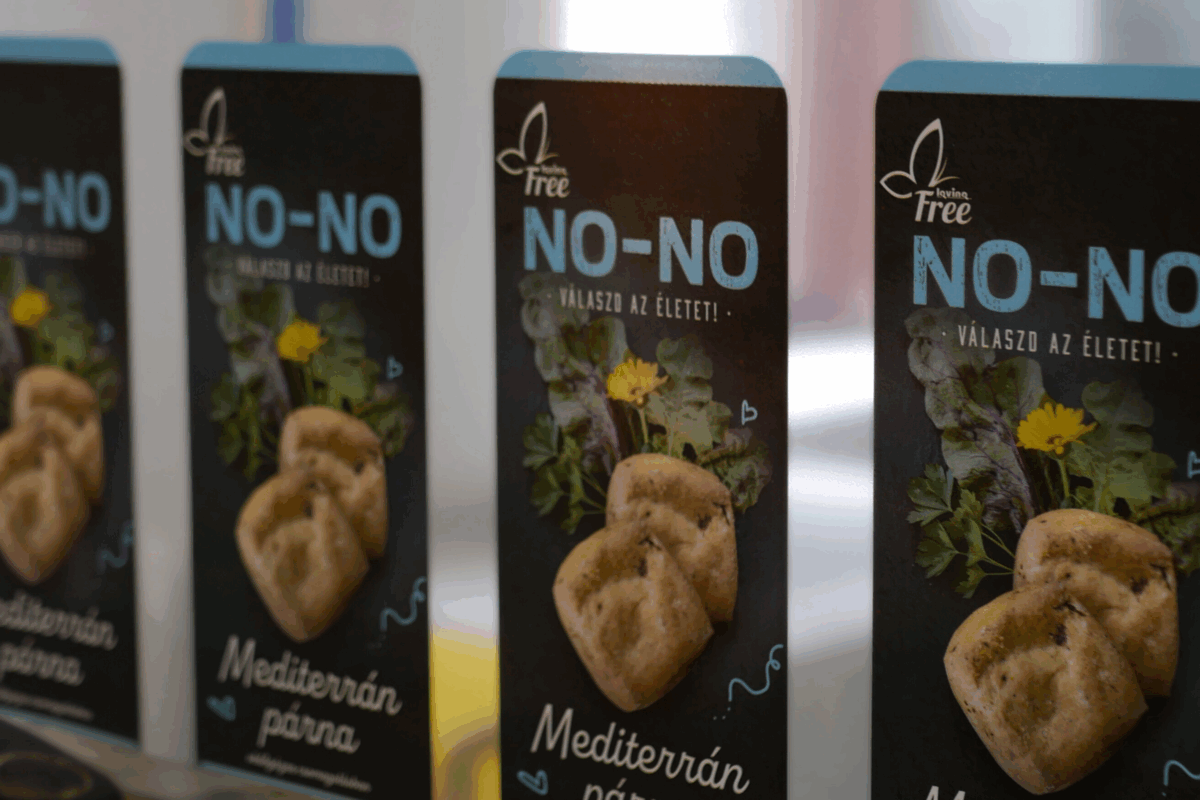
The duties of many caterers include “snackification” the trend in the snacking phenomenon. It involves replacing the daily meal with more, but smaller, snacks that do not necessarily require sitting down at the table. This is due to the new remote working pattern, which means that the days when all employees ate lunch in the canteen from noon to one are over. Nevertheless, many employees need snacks, even if they only arrive at the office late in the morning or even in the afternoon. Here, caterers can offer much more profitable solutions - not least because the profit margin on a sandwich is usually higher than on a daily menu. The approaches can be varied. From gluten-free AND vegetarian sandwiches in vending machines for after-menu purchase, to small takeaway shops in large corporate headquarters, the ‘snackification’ phenomenon has become an extended revenue stream for lunch this year.

As challenging as it may at first glance seem for the hospitality industry in a time of multiple crises, 2024 holds great opportunities for many restaurateurs. It could even be a key year for the hospitality industry, setting important directions for the future.