






Every season has its own ingredients, which we can build our diet around. Whether it's any of the four seasons, it's worth pay attention what we use to make food. Nor is it a coincidence that in gastronomy, restaurants that are true to themselves follow seasonality.
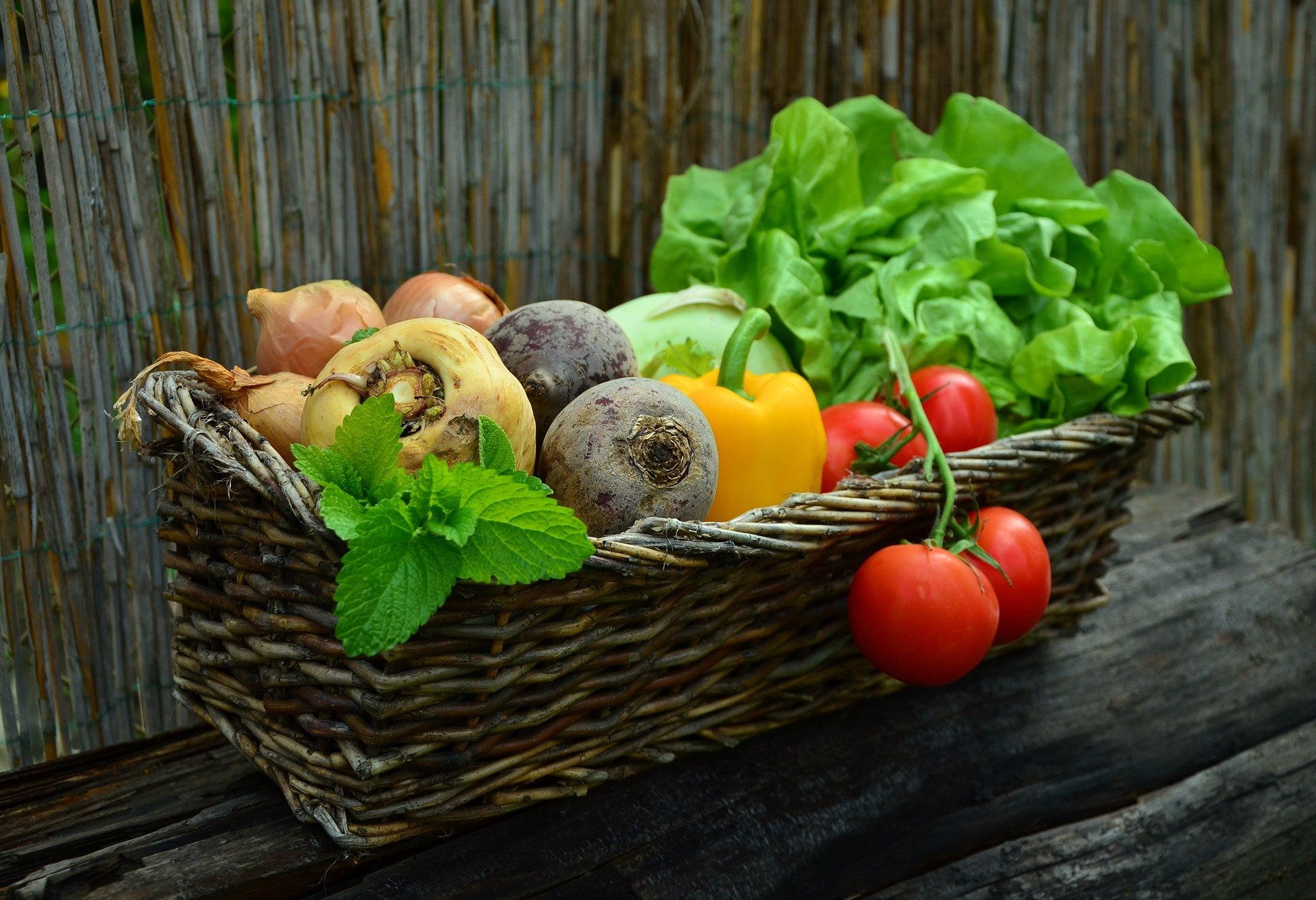
Photo by Pixabay
During the winter months we only store
A diet particularly rich in long winter foods - high in „fat” - and an unbelievable amount of cakes and pastries can literally fill our stomachs. Not to mention that our body's biological needs dictate that dictate to ourselves as many nutrients as possible, which he will then store up. And this storage has many benefits at the beginning of the year. No doubt, this is the time of year when our bodies boast some fat cushions, which they accumulate to support themselves. So, with the spring season upon us, it's good to be mindful of the ingredients we use.
Nature knows what it's doing, not to mention vegetables!
Nature wants to refresh and renew itself independently of us, and - let's face it - sometimes it knows better than us feckless, frothy humans. Thanks to this, spring is slowly coming. season, bringing with it refreshing, invigorating, healthy food. This is particularly noticeable on the vegetables front at first, but as the year goes on, more and more worth getting from the market. The vitamin deficiency, which is a fact of life, should not be forgotten and efforts should be made to make up for the shortfall.
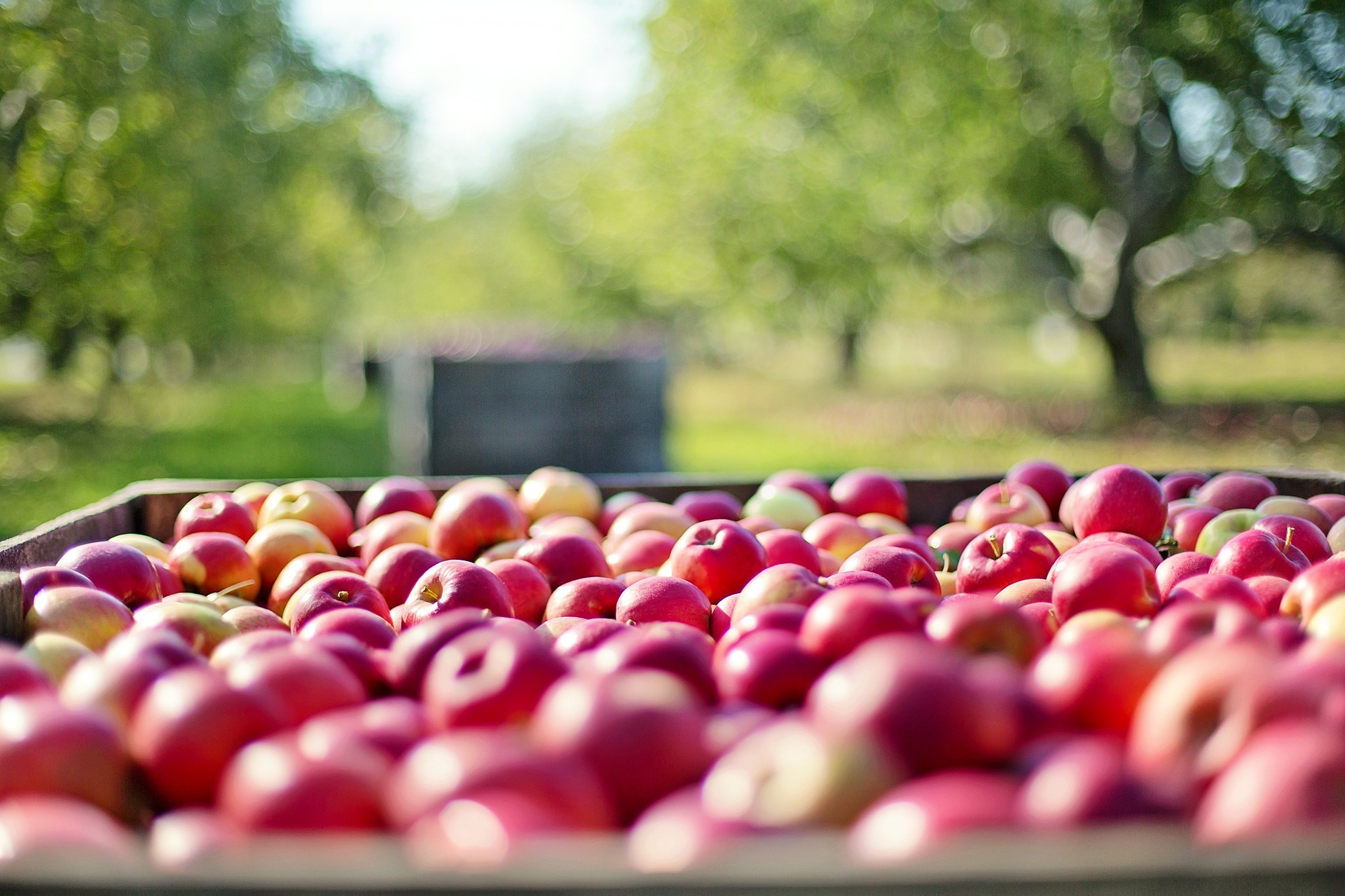
Photo by Pixabay
Vegetables take the field
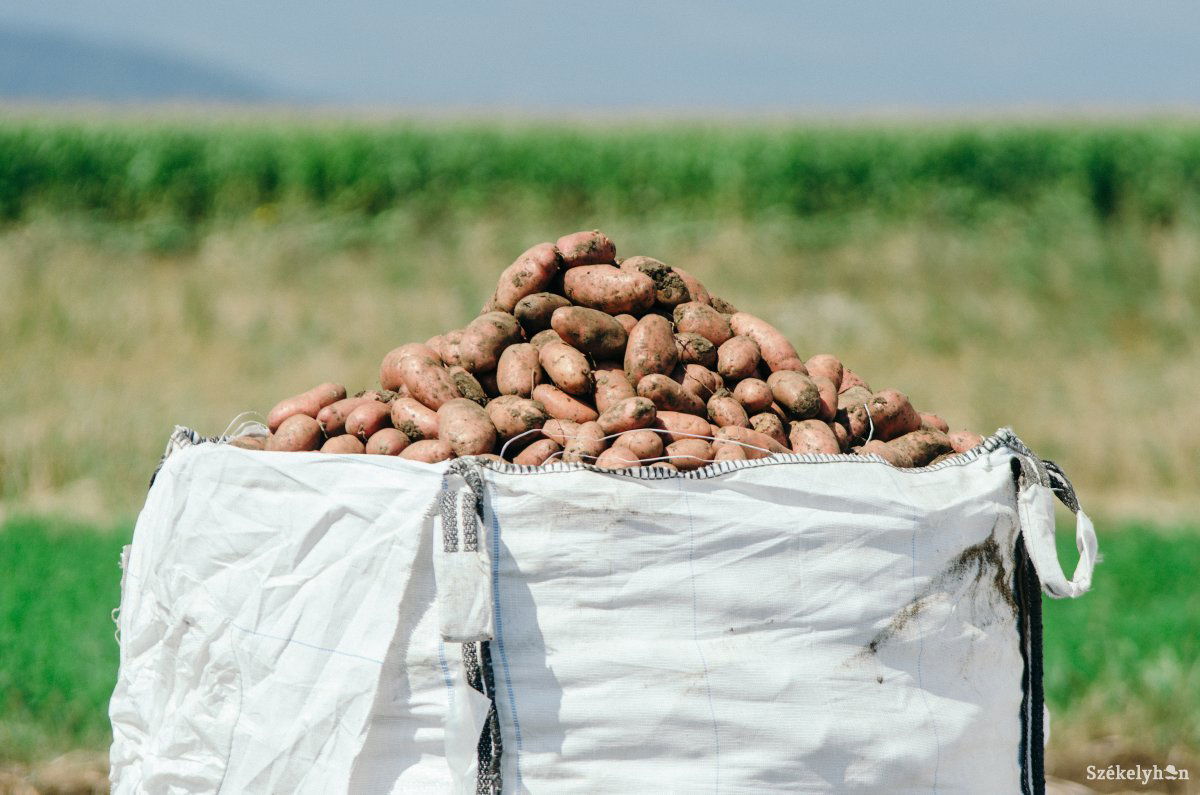
The arrival of spring in the fresh, tender vegetables are the best advertised, and their consumption - at this time of year - is temporary: artichokes, broccoli, potatoes, beetroot, fennel, lettuce, kohlrabi, kohlrabi, spring onions, tomatoes, leeks, radishes, carrots, asparagus, spinach, spring onions, watercress, green peas.
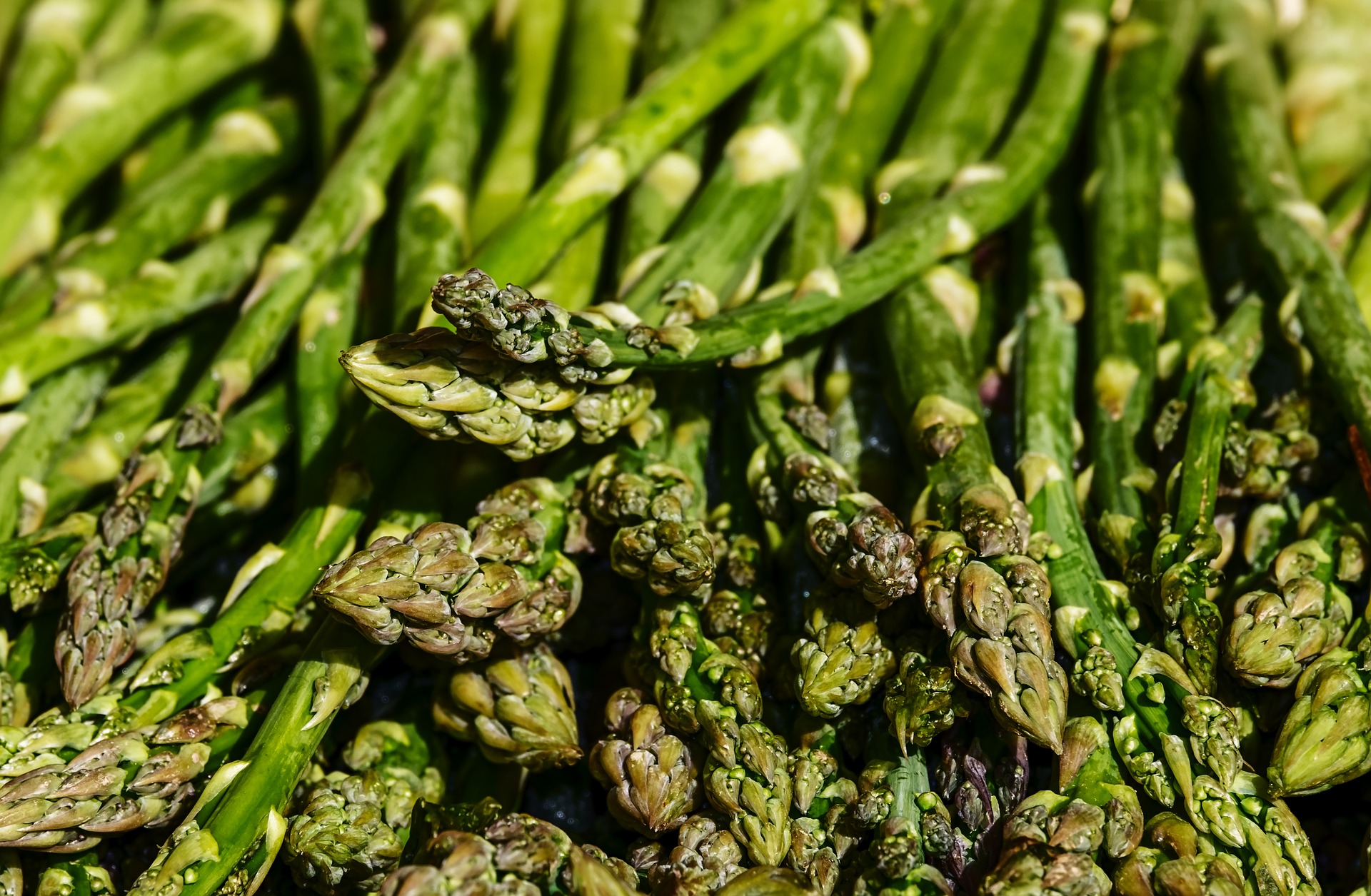
Photo by Pixabay
Asparagus is the hottest vegetable
In the gastronomic citadel, asparagus is the most popular dish at this time of year, appearing on shop shelves and restaurant menus as early as the end of February. It is one of the healthiest vegetables. It is an extremely rich source of protein, but also low in calories. From a digestive point of view, it is very healthy, as it contains a lot of fibre. It contains vitamins C and K, and is high in folic acid, magnesium and potassium. It is one of the best elements of dieting and slimming, traditionally used by many people at the beginning of the year, and can be prepared quickly and easily. Asparagus is the perfect side dish to accompany meat dishes, but it is also an excellent food on its own.
Don't be spinach-free
Spinach is a superfood. It is a spring vegetable with extraordinary properties and a very high vitamin C and K content. It is also rich in magnesium, folic acid and iron. These make it a really good antioxidant. It helps the blood circulation and can also be a good partner in the prevention of heart disease. It can be cooked, steamed, added fresh to salads, or just sprinkled a la nature, it is also a refreshing treat.
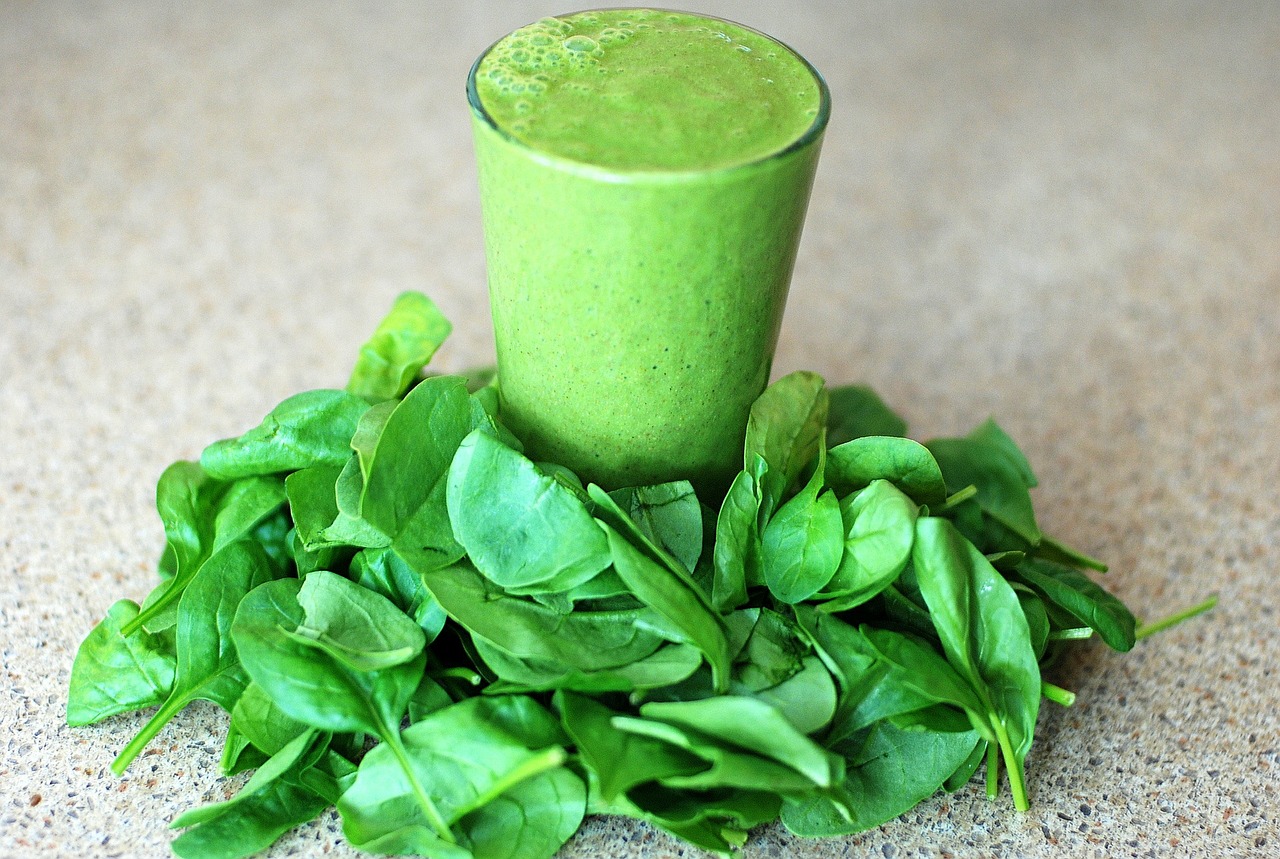
Photo by Pixabay
The forgotten food of the spring season is artichokes. Long live the vegetables!
It is an extremely versatile vegetable that is not so well cultivated in our country. Nevertheless, it is recommended for consumption. It is high in iron, magnesium, phosphorus, calcium and potassium and rich in vitamin C. It is a great aid to detoxification, helps the liver to work properly and can reduce cholesterol levels, which is particularly important after the winter season.
Let's hope for more radish consumption
Red on the outside, white on the inside, that's what health is worth! - so the saying goes. Radishes are one of the most readily available vegetables in spring and have fantastic physiological benefits. Radishes can provide 15-18% of our daily vitamin C intake. Its high fibre content is ideal for digestive disorders and its cell regenerating properties are ideal for reducing the damaging effects of stress. It is highly recommended for dieters, in salads or just on its own, as it can leave you feeling full after consumption. Its anti-inflammatory properties are particularly beneficial. It has long been used in folk medicine as a pack or cell regenerator.
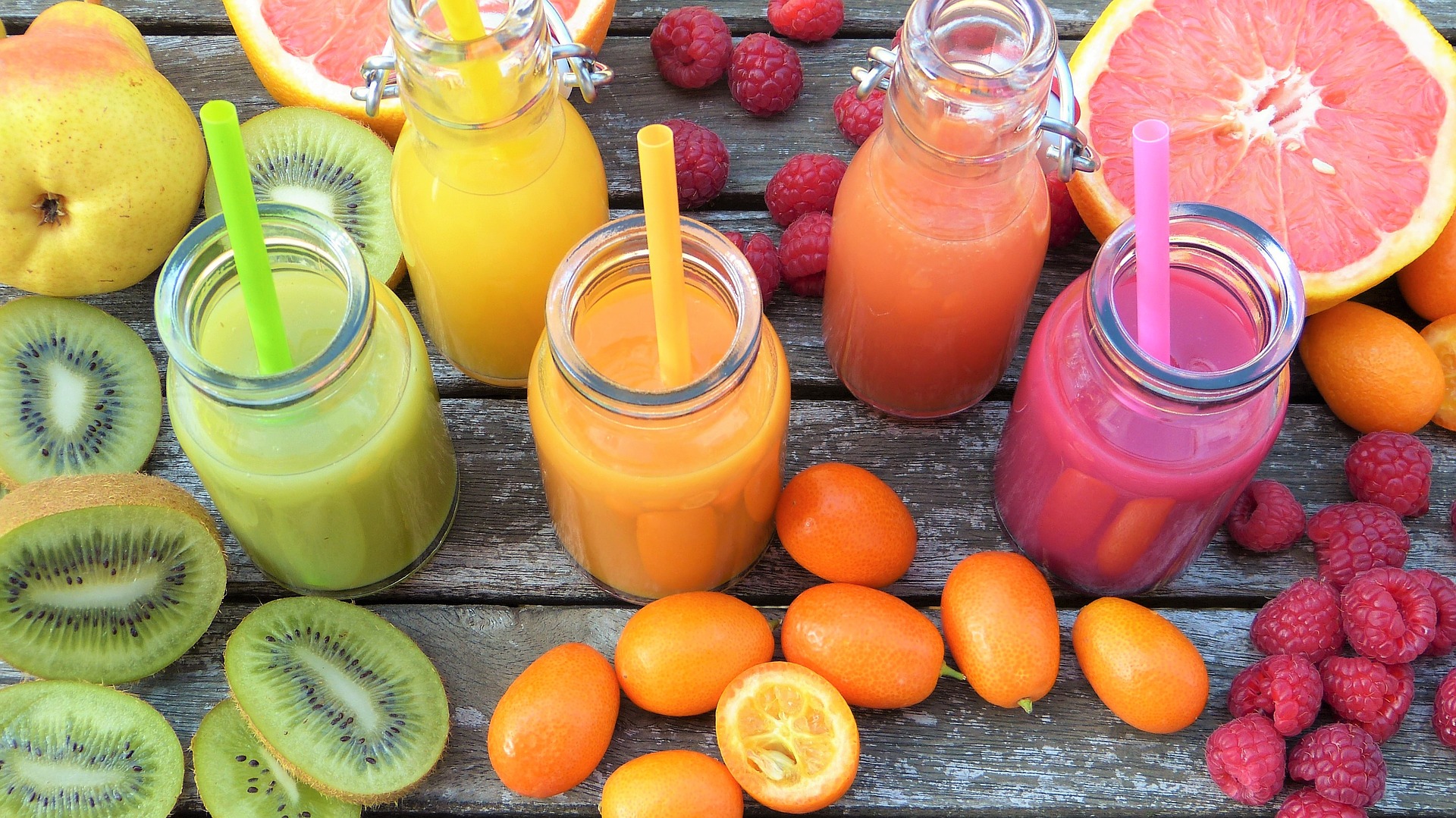
Photo by Pixabay
Eat watercress in spring
Watercress belongs to the cabbage family. It is full of essential nutrients. It contains vitamins C, B, E and K, as well as iron, calcium, magnesium and zinc. A real vitaliser. An excellent staple for dietary nutrition.
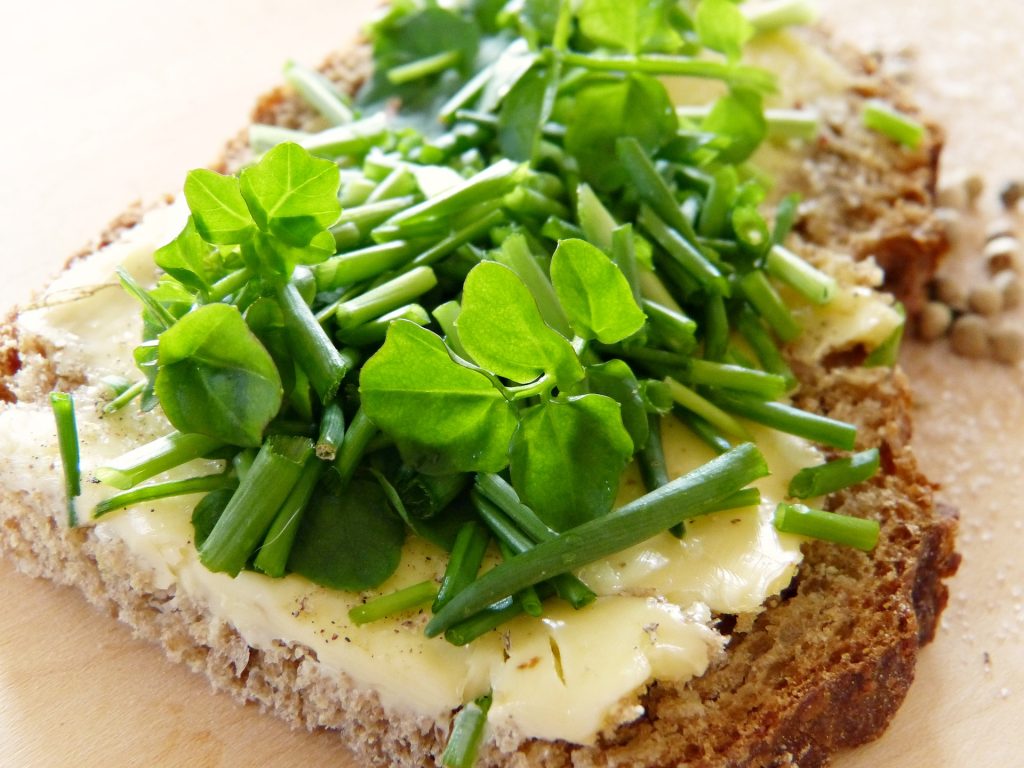
Photo by Pixabay
Spring fruits
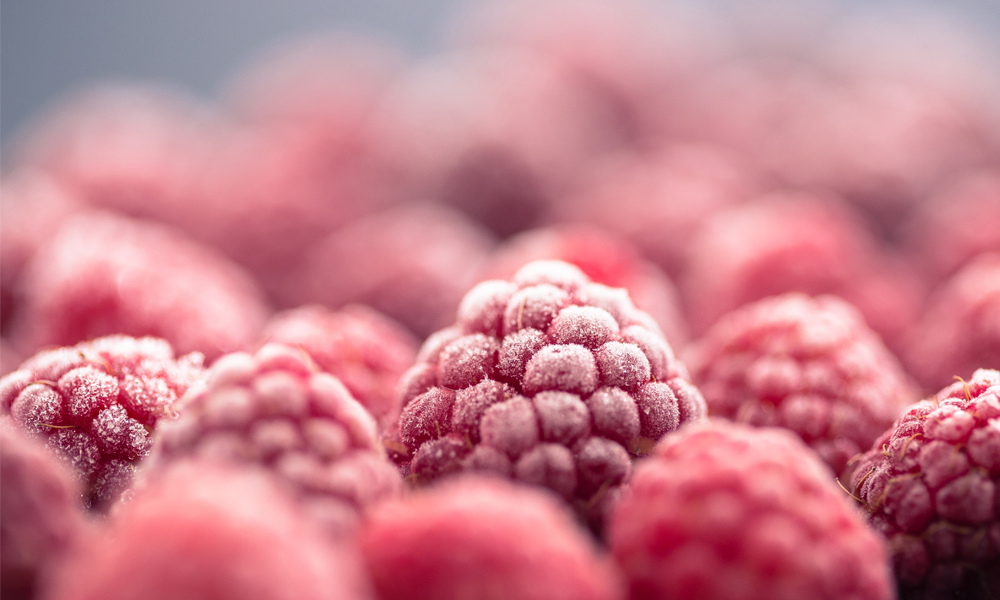
The range of spring fruits is not very wide. The best time to eat fresh fruit is late spring or early summer. These include strawberries, cherries, raspberries and apricots. Apples are perhaps the most readily available. When the time is right, look for the rhubarb! Excellent for rheumatism and anti-inflammatory, get some lime, good for digestion and immune system booster. When it's in season, eat strawberries, they're packed with vitamins. Blackcurrants, raspberries and later cherries are also good for your body.
If you eat seasonally, your body will reward you. The advantage of eating seasonally is that you always have a fresh, vitamin-rich diet. By eating the vegetables and fruits of the moment, you can be sure that you are always getting the highest nutritional value foods into your body.#