






This sector of gastronomy sounds very complicated and scientific, which is not far from the truth. Molecules are neutral particles of matter made up of two or more atoms whose behaviour is science, and the basis of food preparation is determined by these processes. Chef Pál Tóth, one of the country's experts on the subject, explains what this means.
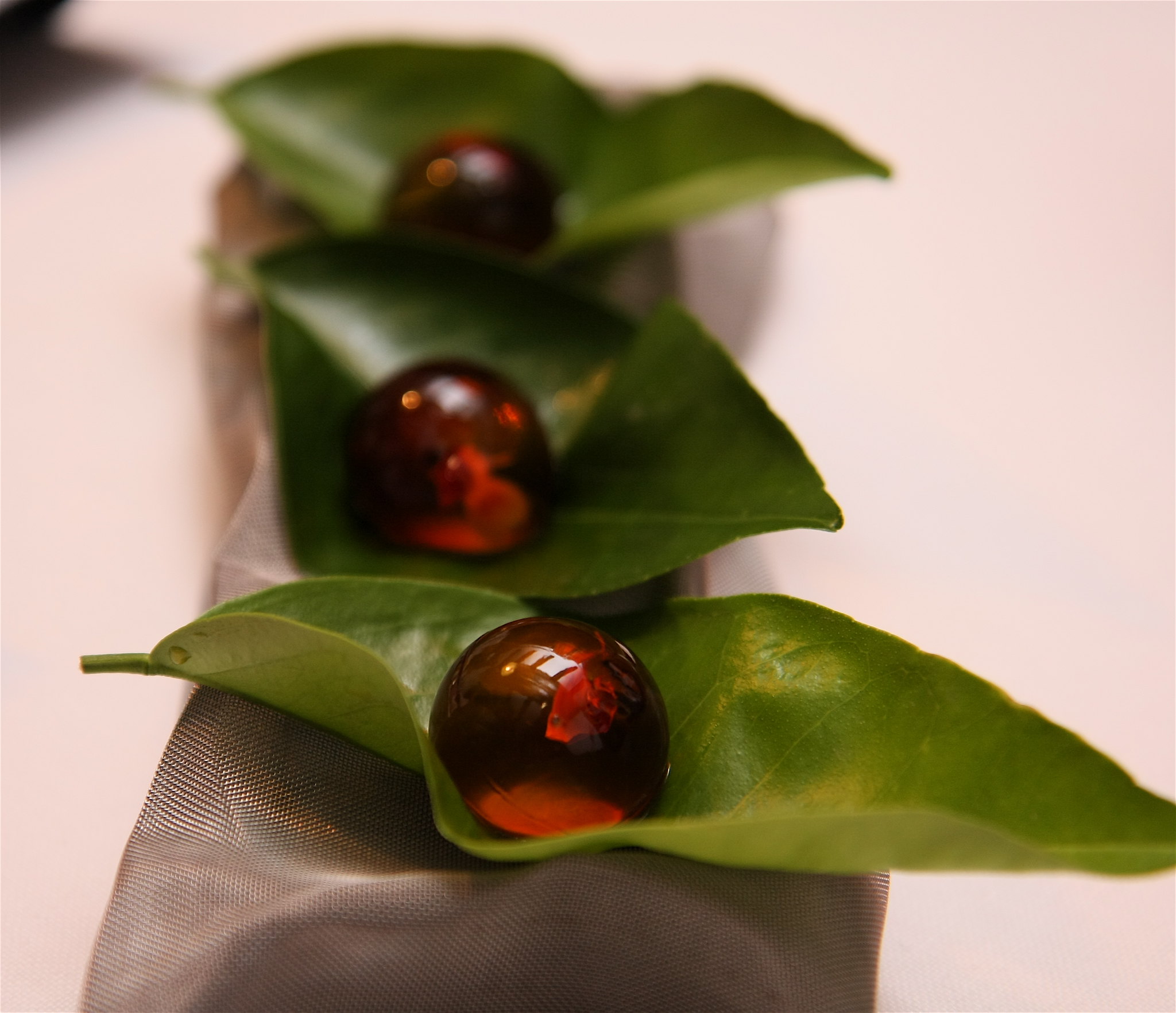
Photo by Pixabay Ferran Adrià
What is molecular gastronomy
In recent years, you hear this phrase a lot. It's mostly used by high-end restaurants and chefs, because it means such complicated operations that no one will or can do in their own home.
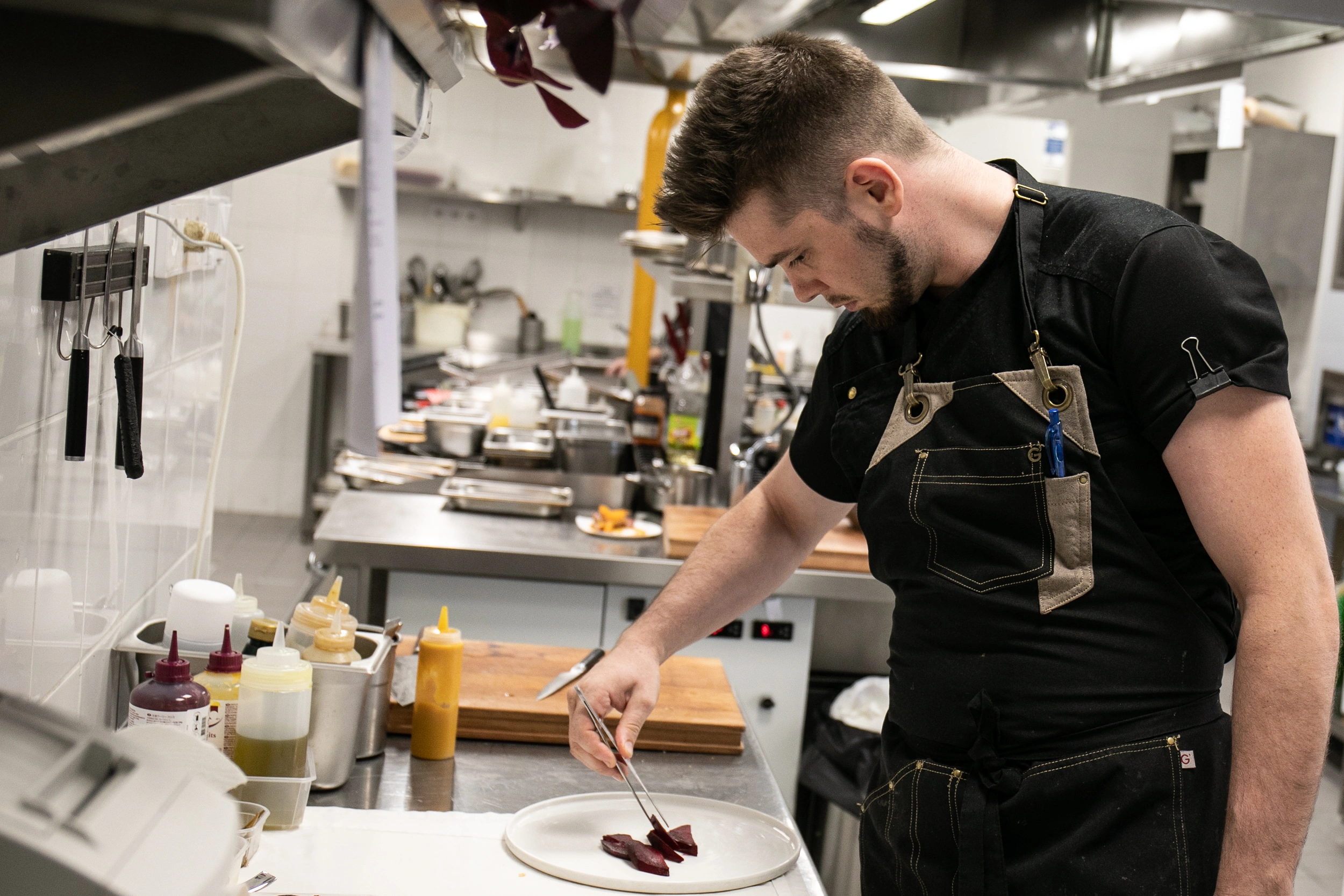
Photo by chef Pál Tóth
Chef Pál Tóth: In fact, it is a gastronomic sector that is very meticulous and all-encompassing. From raw materials, from the chemical and physical properties of cooking to the technologies. The chef knows how to bring about changes in ingredients and how to shape them. Quite amazing solutions can be created.
It is the pinnacle of culinary art, following the latest trends and presenting people with astonishing achievements. Molecular gastronomy can be a discipline applied by researchers in the laboratory and can be outstanding chefs with the right skills in a restaurant kitchen. The key is to know what makes a meal an experience, how the human body recognises flavours and how intense or homogeneous they are. They know how to change textures, and how to prepare and serve them in surprising and unusual ways.
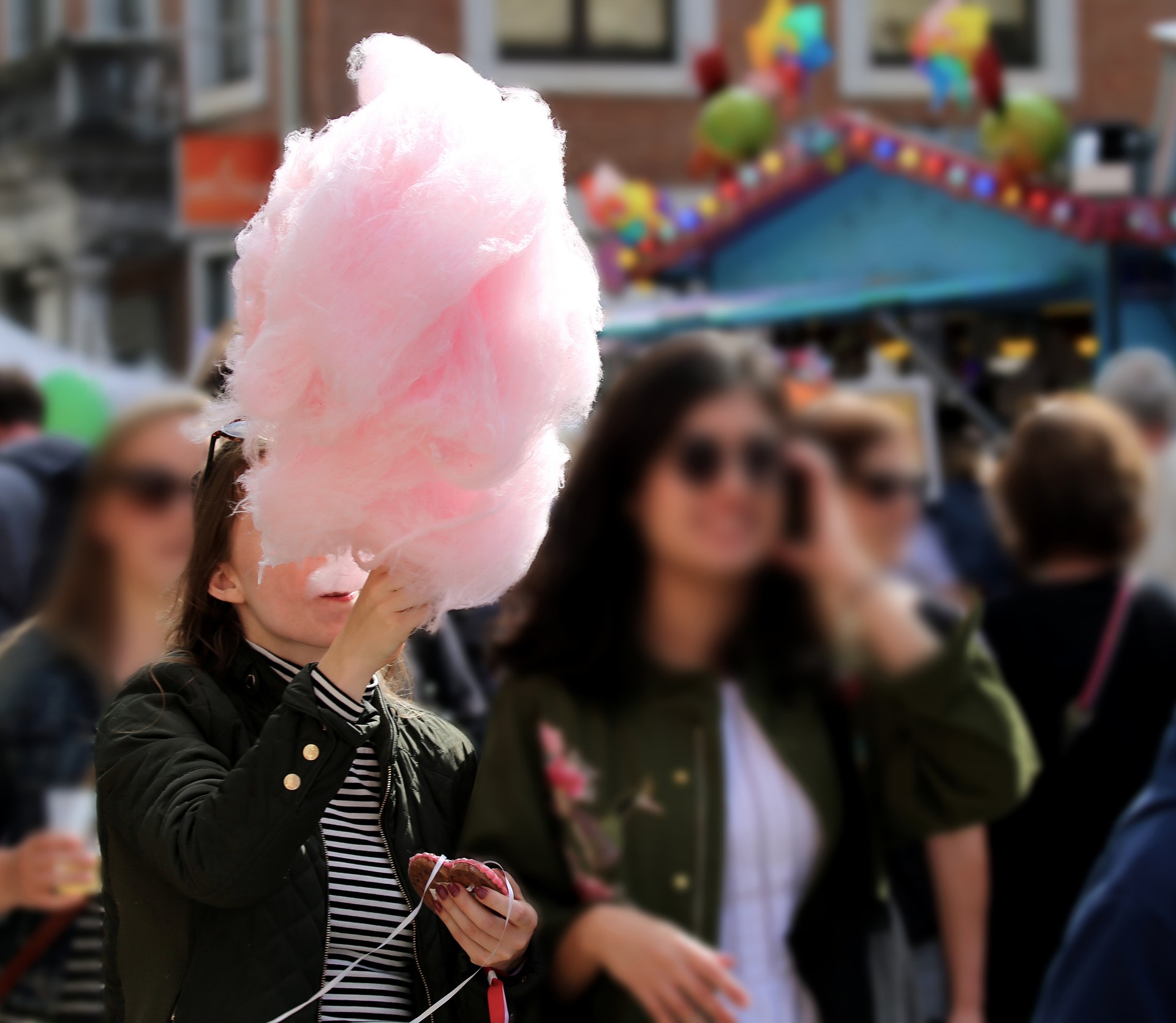
Photo by Pixabay
You wouldn't think that cotton candy, for example, is a molecular gastronomy that everyone knows. According to this, the structure of granulated sugar is changed by a simple heating process. Heated to around 160-190 degrees Celsius, the sugar molecules loosen and elongate, then solidify again as they cool. And lo and behold, molecular gastronomy we can talk about.
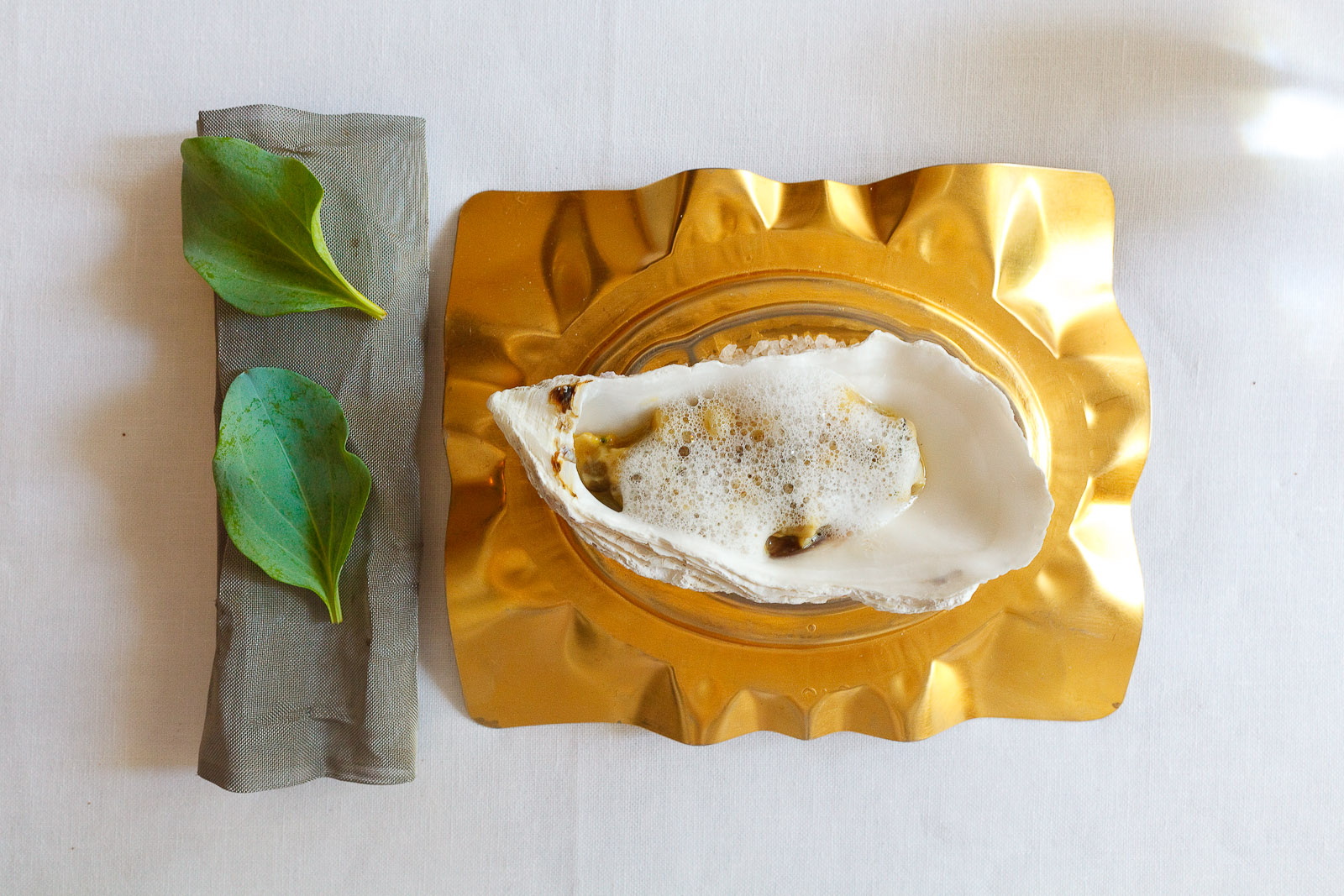
Photo by Pixabay Ferran Adrià
Named after a Hungarian scientist
Molecular gastronomy is named after the physicist and academic Miklós Kürti and the French chemist Hervé This. In the course of history, Kürti was forced to leave our country because of the persecution of the Jews. He eventually went to work at Oxford University, where he met a colleague. They were both passionate about gastronomy and started to from a completely different angle to research. They studied the physics and chemistry of kitchen operations. The innovators published their discoveries under this name in 1988. Some master chefs prefer the term experimental cooking to molecular gastronomy. Of course, so-called “molecular cooking” does not require a basic knowledge of cooking, but some of the processes are very simple, such as ice filtration, which can be used to produce crystal clear soup at home.
Miklós Kürti „I think it's sad for our civilisation that while we can and do measure the temperature of Venus” atmosphere, we have no idea what's going on inside the soufflé. How is it possible that we know more about the internal temperature of a star than we do about the internal temperature of a rice pudding."
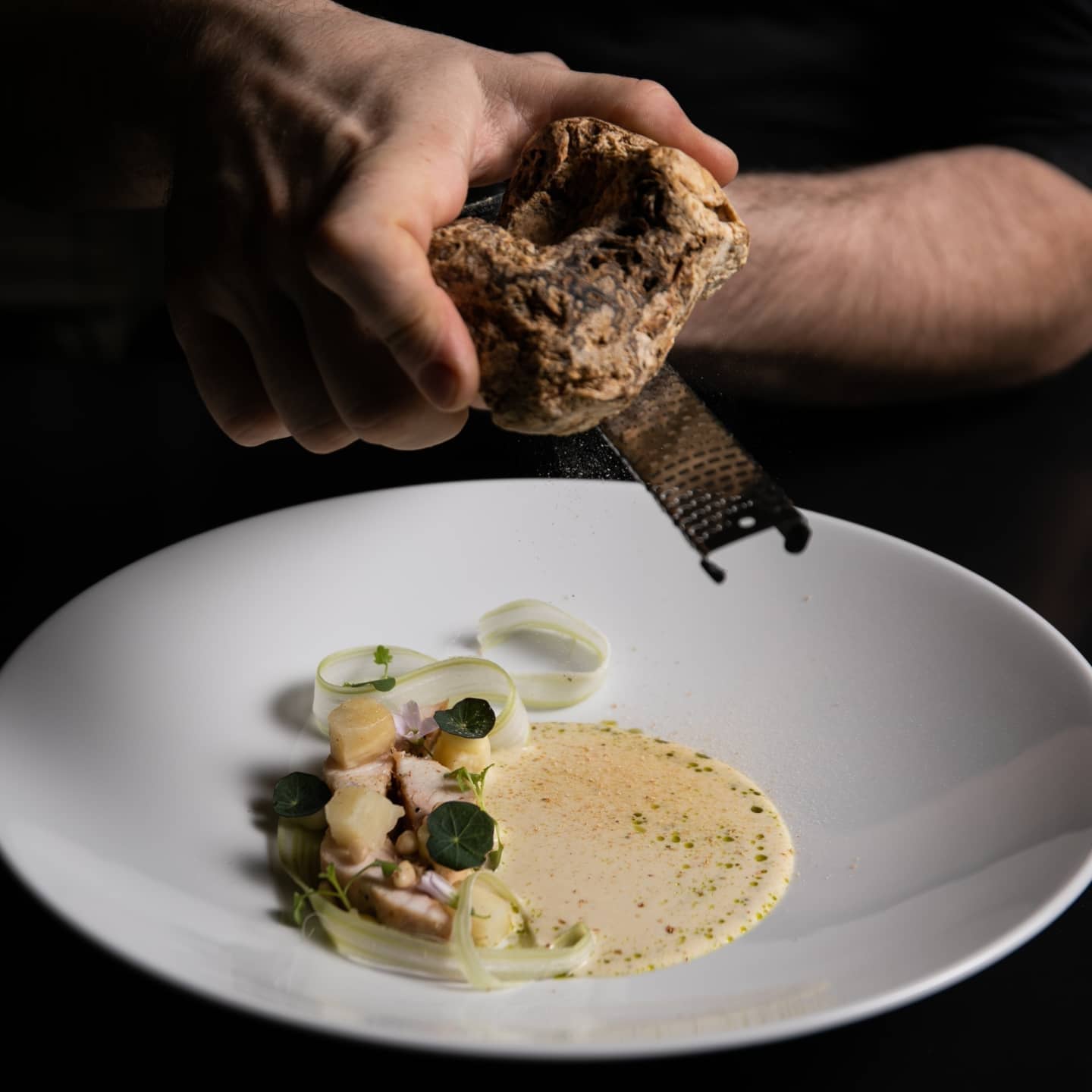
Photo by chef Pál Tóth
The alchemist's kitchen of food
Understanding the molecular mechanisms behind the pleasures of gastronomy is essential not only to learn how to better harmonise the flavours in our everyday meals, but also to improve the healthiness of our diet more broadly. Ingredients can be transformed into wonderful culinary creations, magical works of art, and it is typical of this branch of the science of cooking that no two dishes are what they seem at first glance.
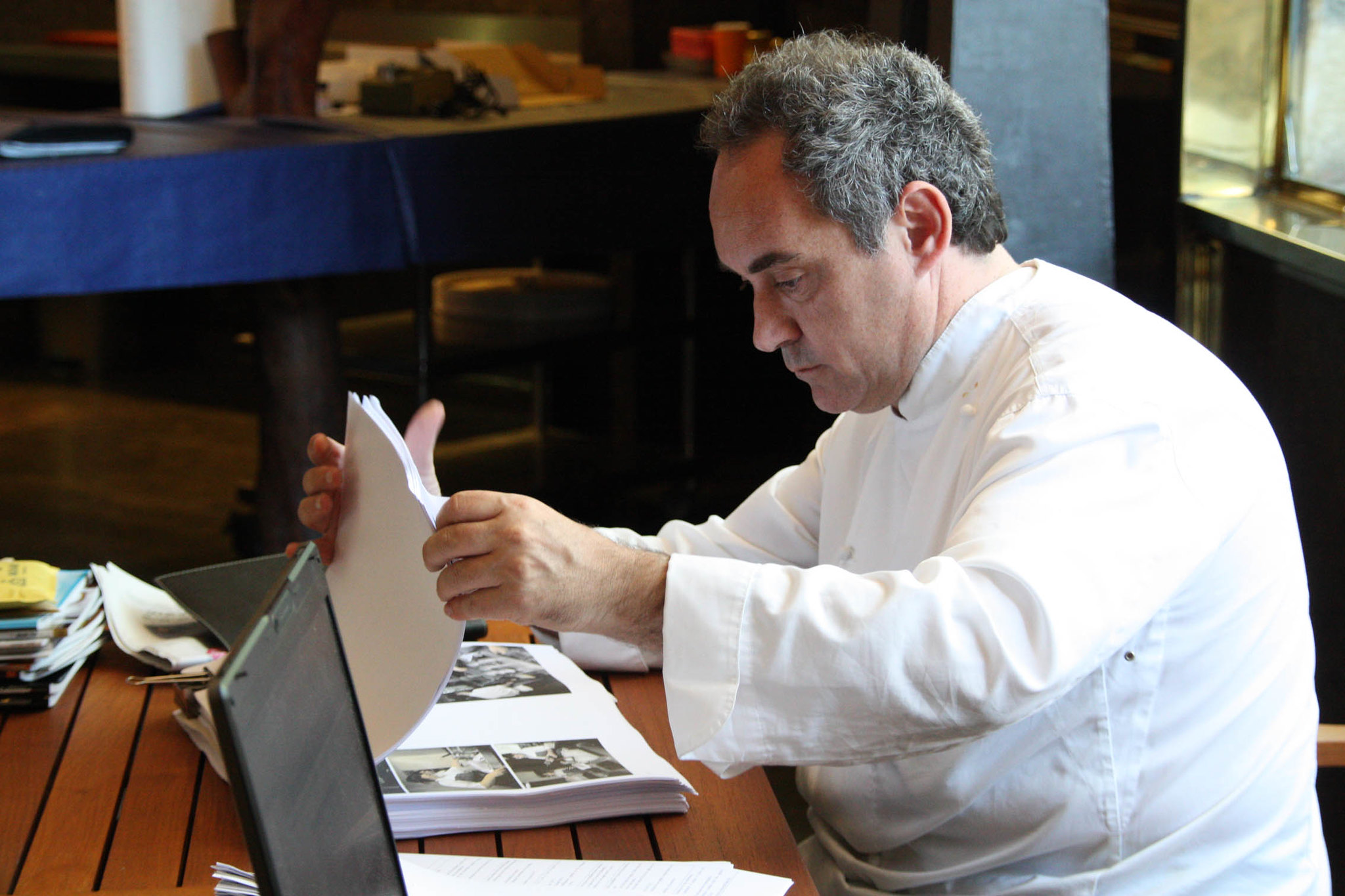
Photo by Pixabay Ferran Adrià
Chef Pál Tóth: Molecular gastronomy really took off in 2000 with the Spanish restaurant El Bulli. Ferran Adrià has amazed the world with his groundbreaking solutions.
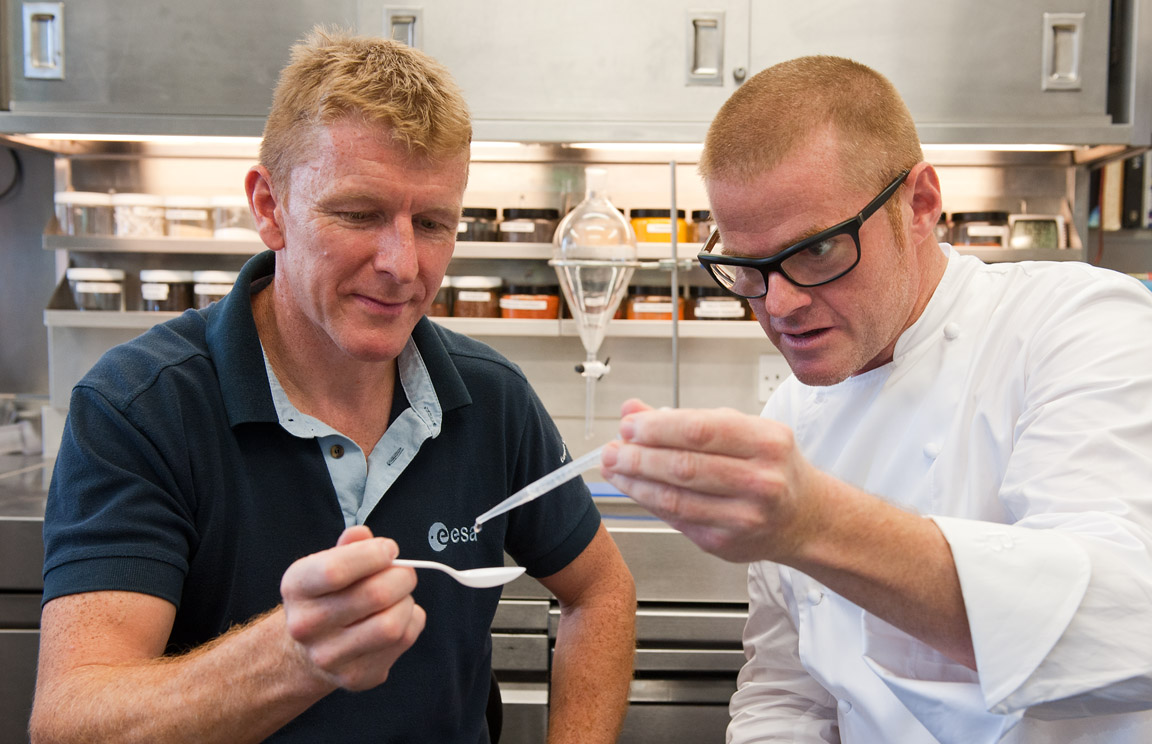
Photo by Pixabay Heston Blumenthal
Heston Blumenthal has also applied these solutions, which quickly earned the English Fat Duck three Michelin stars. The variety, the surprising flavours, are due to combinations and processes such as lyophilisation, gelatinisation, extraction, osmosis, which are almost laboratory methods of cooking.
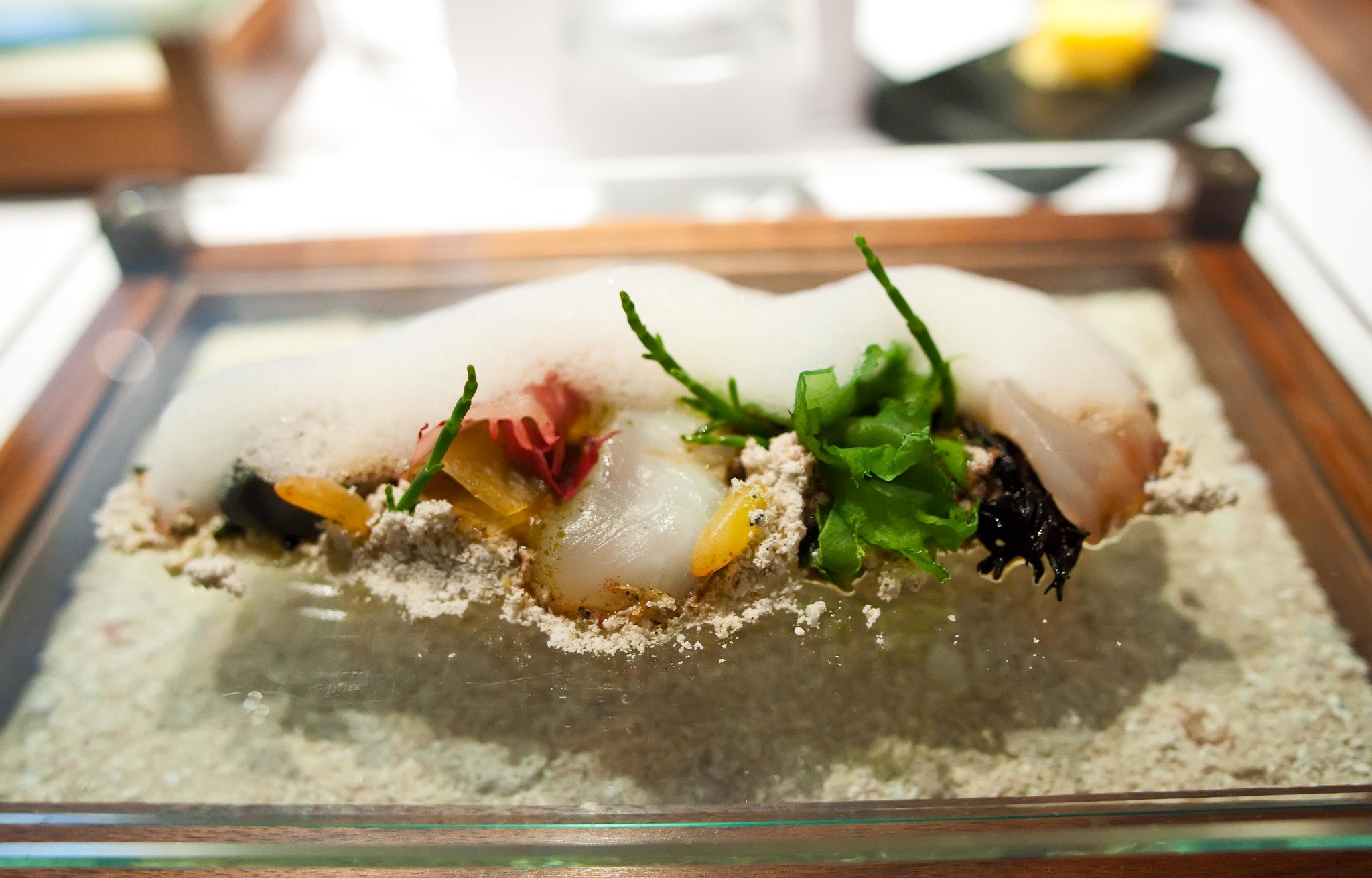
Photo by Pixabay Ferran Adrià
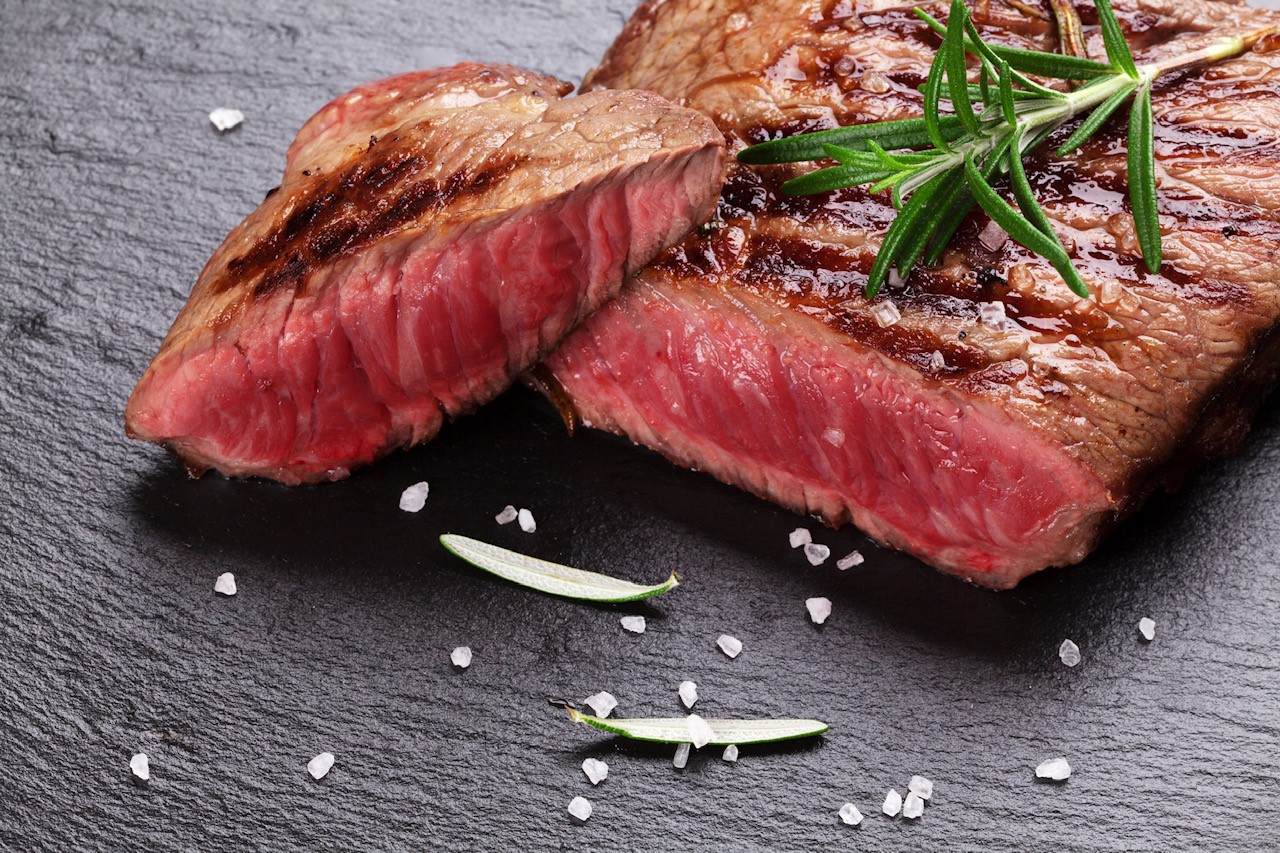
This includes the sous-vide (or vacuum) cooking technique that is now used in almost every kitchen. Cooked in a vacuum pack for long hours at low temperatures, the meat changes texture and becomes much more tender without losing its juiciness. The flavours are not lost either, and if the right spices are used, you can get sophisticated, wonderful flavours.
Photo by chef Pál Tóth
Molecular gastronomy at home - from chef Pál Tóth
As it turns out, there are actually chemical and physical processes that experts can apply perfectly to the food preparation process. Some of them are not complicated and can even be done at home. If you try it, you'll be surprised at the special flavours you can get out of the ingredients.
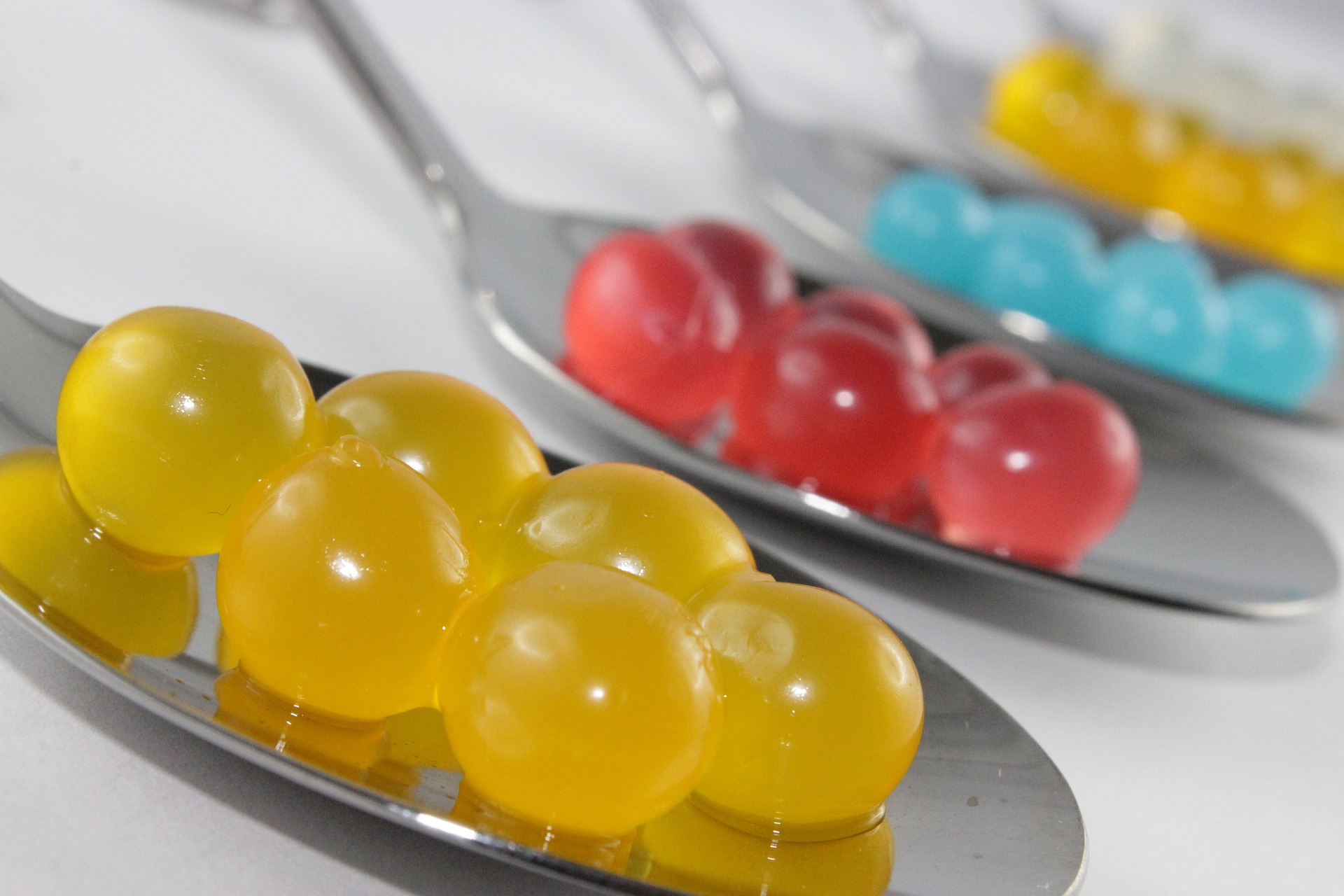
Photo by Pixabay Illustration
Unicum caviar
Ingredients: 112 g unicum, 87 g water, 1.6 g sodium alginate
For the calcium bath: 500 g water, 2.5 g calcium chloride
Preparation
Mix the water and sodium alginate with the honey until the sodium alginate dissolves. It is advisable to use a stick blender. Then vacuum and refrigerate the mixture overnight. For the calcium bath, mix water and calcium. Use a pipette or syringe to suck up the sodium alginate mixture and drop it into the calcium solution. The drops will immediately form a thin crust as they enter the calcium bath. After half a minute of soaking, a stable crust forms.
Strawberry air
Ingredients: 150 g strawberries, 50 g icing sugar, 100 ml water, 4 teaspoons of soya lecithin
Preparation:
First, the strawberries, icing sugar and water are thoroughly blended together, then passed through a very fine sieve to obtain a completely chunk-free sauce. Then add the lecithin and stir in, whisking with a hand blender. The lecithin stabilizes the foam, which is able to hold for about 1-2 minutes.
In simplified versions of molecular gastronomy, everyone can try what this means. If the right flavour combinations are used, they will enhance each other. It's common knowledge that cinnamon goes well with apples and eggs with ham, but if you try white chocolate with caviar and sip champagne with it, you'll experience a whole new set of surprising flavours.
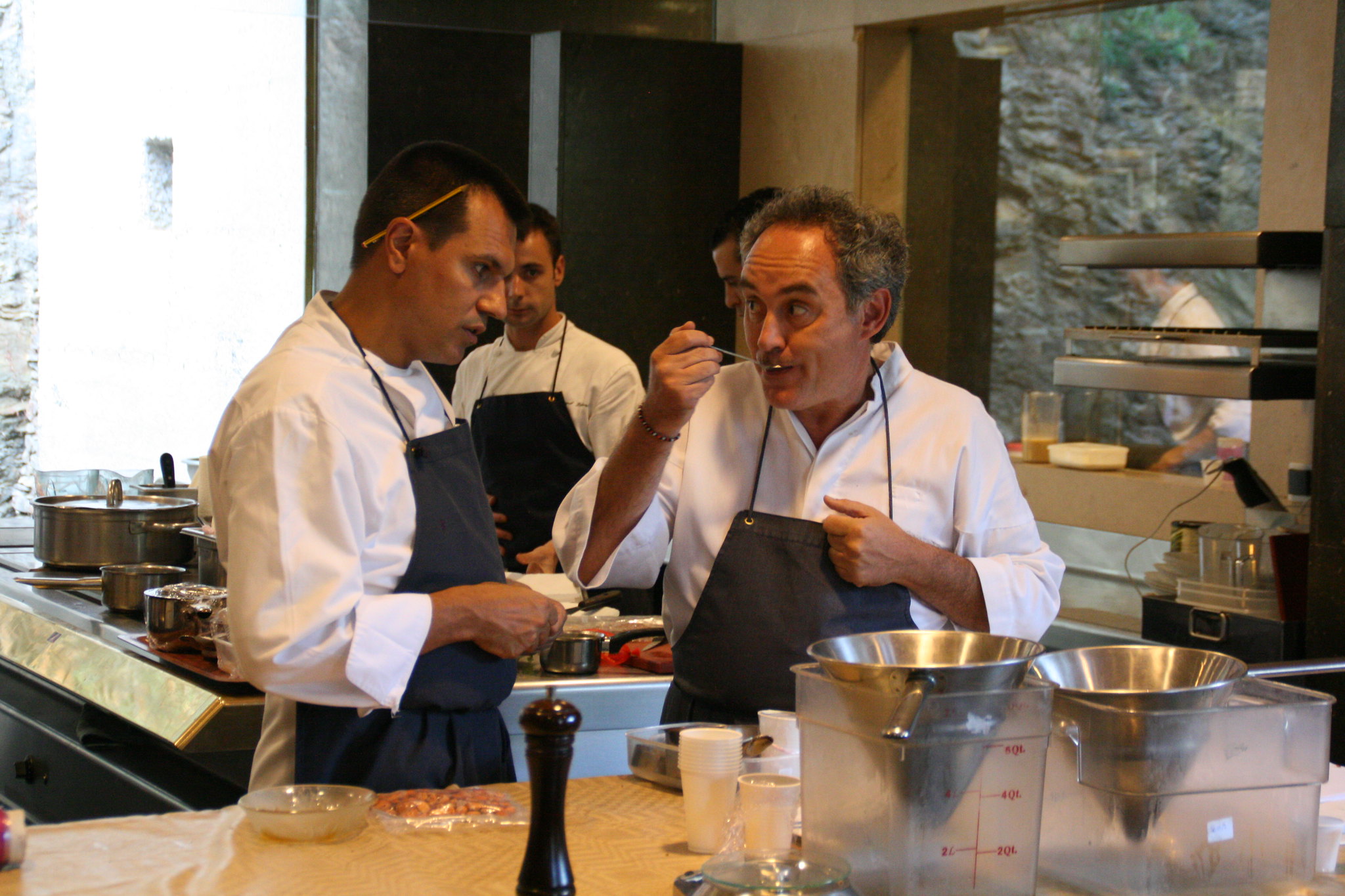
Photo by Pixabay Ferran Adrià