




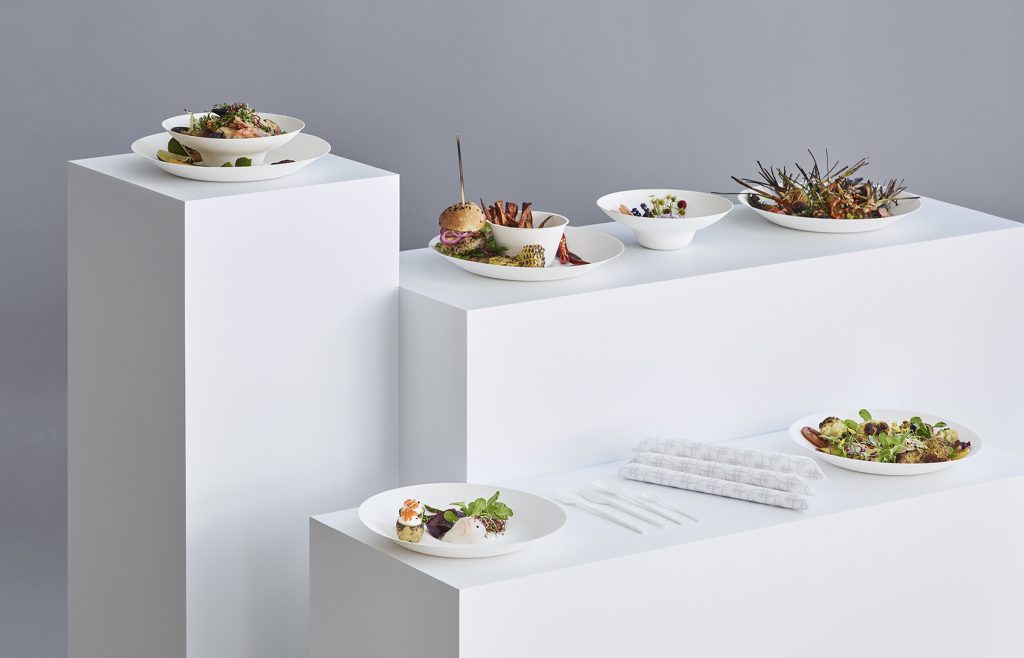
Beautiful and environmentally friendly - this is the Kitchy Design. The biodegradable catering equipment distributor believes that there is no need to choose between eye-catching tableware and protecting the environment. We asked the founder of the four-year-old brand, Krisztina Buza, about her experience.
- Despite the gloomy weather so far, the summer seems to be getting going and everyone is looking forward to the European Football Championship. Such a big event is a major catalyst for many sectors, and the hospitality and related sectors are not left out. I imagine you are also affected...
- Of course, and it will be a very interesting and instructive event. It will be a test for the country in many ways, for example whether we will produce an immense amount of rubbish during the football championship or whether it will be run in a thoughtful system with degradable and compostable materials, like the recent Gourmet Festival or the SVÉT. But this requires an attitude not only from catering establishments, but also from consumers. Will fans expect paper cups for their soft drinks and beers, or will they accept recycled glass cups with a deposit? Perhaps they will take the trouble to bring their own Huskee cups and refill them? We've already delivered several orders, because luckily some people think ahead and don't rush at the last minute, so they've planned well in advance what trays, glasses, napkins and unique, EB-themed designs they'll be serving their guests. We love this conscious and thoughtful way of working and we are absolute partners in all such projects.
- The third wave of COVID, which has perhaps hit the hospitality sector hardest, is now coming to an end. How has it affected you?
- It was a very big lesson for us because, like many others, we had to redesign everything. We distribute more than ten brands and we had to think about what to do with the situation when the factories shut down or when they restart, there are not enough resources to work or there are no raw materials. Delivery times have increased, prices have gone up. There was demand, although the focus has changed, but purchasing power has decreased... Now, in such a situation, where is the way forward? For cost efficiency reasons, many people started looking for cheap basic solutions, and that is less our direction. So we decided to take a leap of faith and, while maintaining quality products, we chose to move forward: we developed, we looked for new premium products, we signed new brands, we invented unique solutions, we researched unique raw materials, we started to produce products of our own design, we started to create a new webshop. We were confident that with this approach we would not be alone in the world and that others like us would find us at home or abroad. Fortunately, we did, and completely new areas opened up for us. In addition, my friend János Mizsei and I started a new brand, Unicone, which has made our lives even more exciting.
- During the epidemic, almost everyone started making home deliveries, how did that affect you?
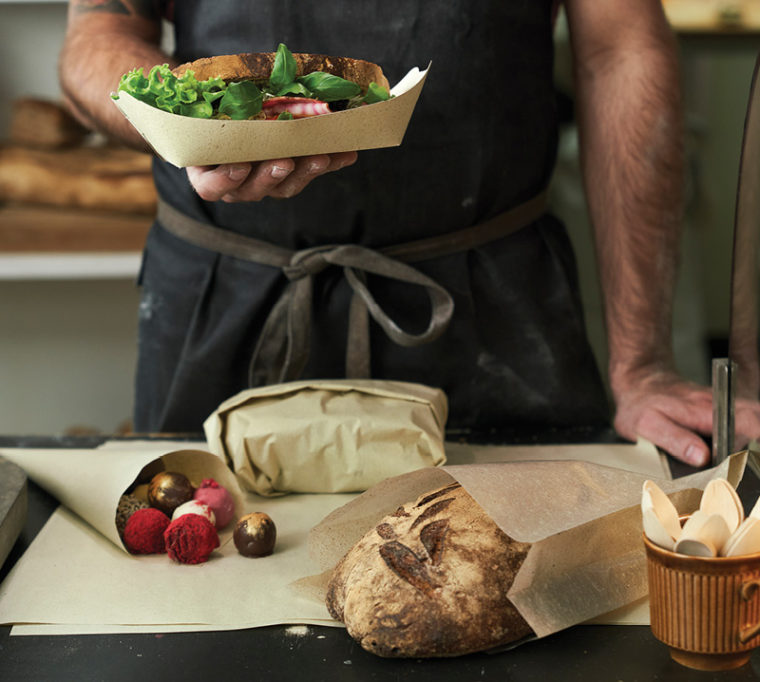
- In the takeaway tableware sector, we have/had customers who not only want the product to work functionally, but also to offer their customers an experience with home delivery/carry-out solutions.
For me personally, the home delivery period was an interesting experience, because I decided to order several times a week, but always from someone else, to support the sector with my own minimal strength and not to give up my gourmet experience. But it was amazing that sometimes the food from places that I had previously loved would arrive and I would be shocked to see if I had eaten it at all. Or I'd spend minutes trying to free our dinner from the grip of the foil packet, and many times it would be so soggy and/or upset by the time it got home from the restaurant that it would be lying on the kitchen counter in a painful state of mourning. These make me a little sad, both professionally and humanly. It makes me want to pick up the phone and say, look, there is another way. But fortunately I have had some happy experiences. There have been a few who have given to trying to present their takeaway products in a way that suits their brand, even in a cost-effective way. But they put in the extra effort and I respect them a lot for that.
- How green are your products?
- We live in a dual world, everything has relevance only in relation to something, in relation to something else. How green a product is depends on what I compare it to. What I mean by green is also different for everyone. But at this point in time, these sugar cane/ bamboo/ grass/ wheat/ FSC wood/ palm leaf/ coffee husk waste products are much greener than anything else in the sector.
- Can these green solutions replace plastics one by one?
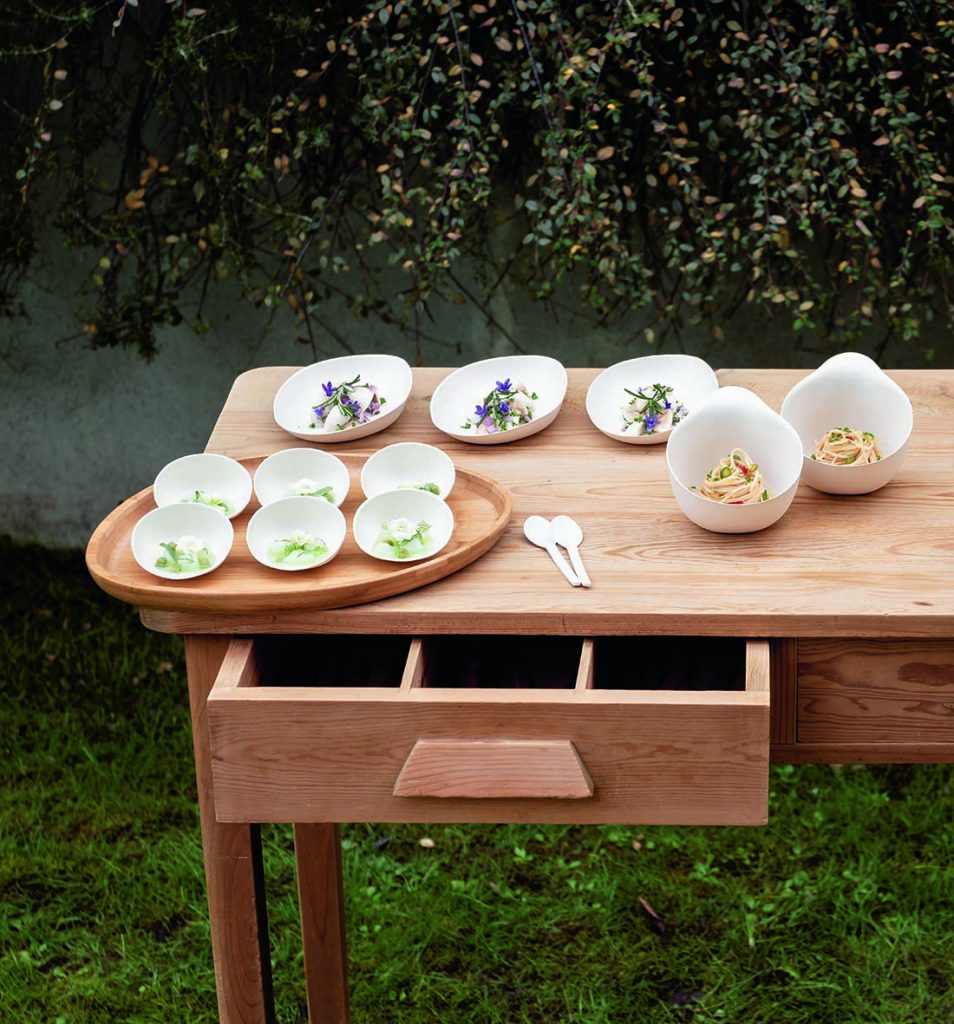
- No, they will never work like plastics. They will never be as cheap or as durable. Because that's the point, it doesn't last for years, it decomposes naturally, so you don't need an industrial composter for example. And it's much more beautiful and natural. It's also more energy efficient. Because just think, for example, of the palm leaves that once fell from the tree and are now being used by a newlywed couple as a serving utensil at their wedding. These products are already serious developments with professional R&D experience behind them. At our company, the Kitchy DesignOne of the selection criteria for the product portfolio is that it must be a Red Dot Design award-winning, well-designed, quality product.
Most trays or takeaway boxes can easily withstand minus 40, plus 80-90 degrees, microwaving, freezing, stacking, and the latest cellulose products even foiling. However, you need to know what product to use for what purpose, which means you need to choose wisely. I can no longer go in and pick the first thing I like or the cheapest thing off the shelf, because they all have the same thing anyway. I have to think about what food I'm going to put in it, how big it's going to be, what style of presentation I want to present it in. How many degrees I'm going to put the food in, how cool it's going to get, how long it's going to be in the bowl, if I'm transporting it, with what, how I'm going to transport it. In terms of branding, what suits my brand or what style is typical, do I want to sticker or stamp... a thousand questions to think about before a restaurant, a chef or say a bride orders the products. You have to learn that being environmentally conscious, as the name implies, requires awareness! An investment of energy. Those who put it in will gain a lot, those who gamble to get away with it will either be lucky or not.
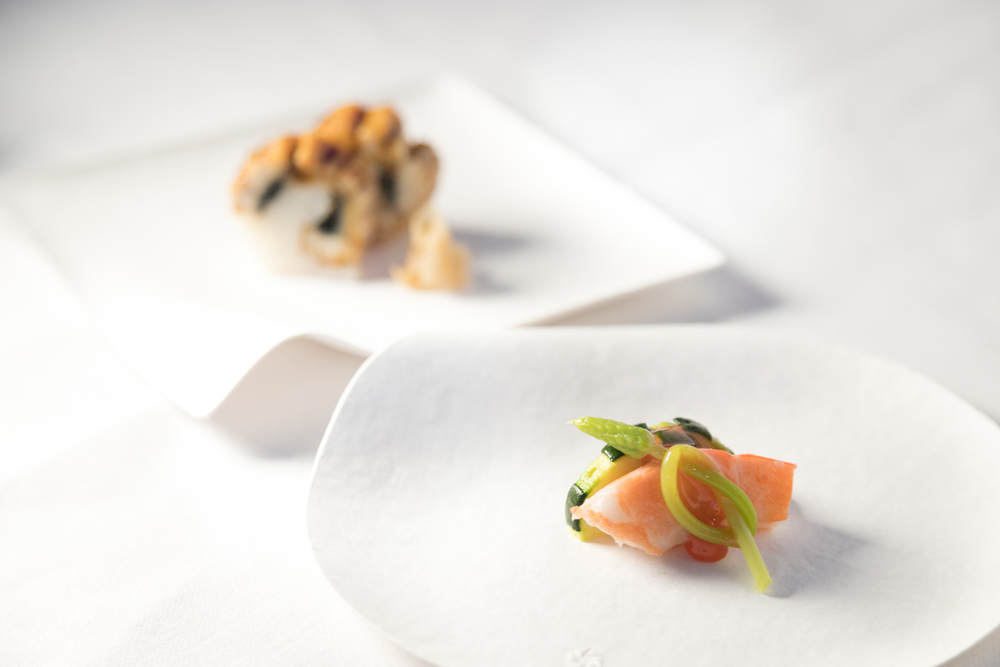
But of course there are still and will be areas that simply cannot be replaced by this solution and unfortunately plastic has to be used because, for example, glass is too heavy or unsafe. It is for these situations that we market containers made from recycled plastic waste that have been in circulation and hopefully, once in the recycling bin, will be put back in again. There are some very cool design pieces from these too.
- How open are restaurants and catering establishments in Hungary to green solutions?
- I have a good experience with national restaurants, but also with specialty cafés, institutions or large companies. They want to be green, and even if they are not, they feel that their customers and employees now expect them to be green and they are doing it. The changing legislative environment - the ban/restriction on single-use plastics - will also give a boost.
I've been running Kitchy Design since 2017, and in the first few years no one really understood what it was all about and why all the fuss about green products, but over the last two years I've been getting a sense that we're slowly getting to a stage where it's no longer an issue. In addition, it seems that Romania is now open, with Kitchy Design launching there in May, in a quasi-franchise model. I am excited to see how it will be received.
- How do you see the future of the „green wave”?
- I'm optimistic and hopeful, especially because for a long time now I've been getting questions from Hungarian chefs not asking me if it's good, environmentally friendly, but why and how it's so expensive, but „Kriszta, please help me, I'm making this dish or that dish, what goes best with this?” And the questions that were asked before are no longer asked... There has been a qualitative leap, a change of attitude. Hungarian gastronomy is becoming greener, more conscious, more and more qualitative. What we used to have to go abroad for is now just a stone's throw away. And that is both wonderful and very inspiring.