





Some people love it, and there are others who have not yet dared to try it. The history of sushi, the secrets and the tricks of a popular sushi bar are covered in this article.
Originally there was no rice in sushi
A sushi was once the best-selling delicacy on the streets of Japan. An easy-to-get, anti-hunger snack sold along the sidewalks. Soon after, history and progress wiped sushi off the streets. Sushi means „sour taste” and was recorded in ancient Chinese sources as early as the 2nd century BC. At that time, rice was not included in the dish, at least not eaten with it, but was only added to the fish rice on a bed. After months of maturing, the fish started to ferment, which is when the „real sushi taste” came out, and only then could it be eaten. It was only in the 17th century that rice sushi arrived in Japan, and with it the use of rice vinegar. The vinegar accelerated the ripening process and made sushi ready to eat, so much so that it was sold on the streets as fast food.
From street food to restaurant food
Street food vendors immediately started to produce large quantities, and from the 18th century onwards sushi was the number one street food, then only in roll form. By the 19th century, however, Hanaya Yohei had created the nigiri. Instead of rolls, he shaped rectangular piles of rice, on top of which he placed sliced , sliced rice, and then placed the sliced rice in a bowl.cracked and raw fish. It made the food even more spectacular, and therefore even more sellable. In 1923, an earthquake hit Japan and many people lost their homes and emigrated, but they took the way sushi was made with them - and later spread around the world. After the Second World War, sushi stalls closed and the food was moved to a more hygienic, enclosed space, becoming a restaurant dish.
The owner and chef of Sushi Bar Siófok told us the secret of perfect sushi.
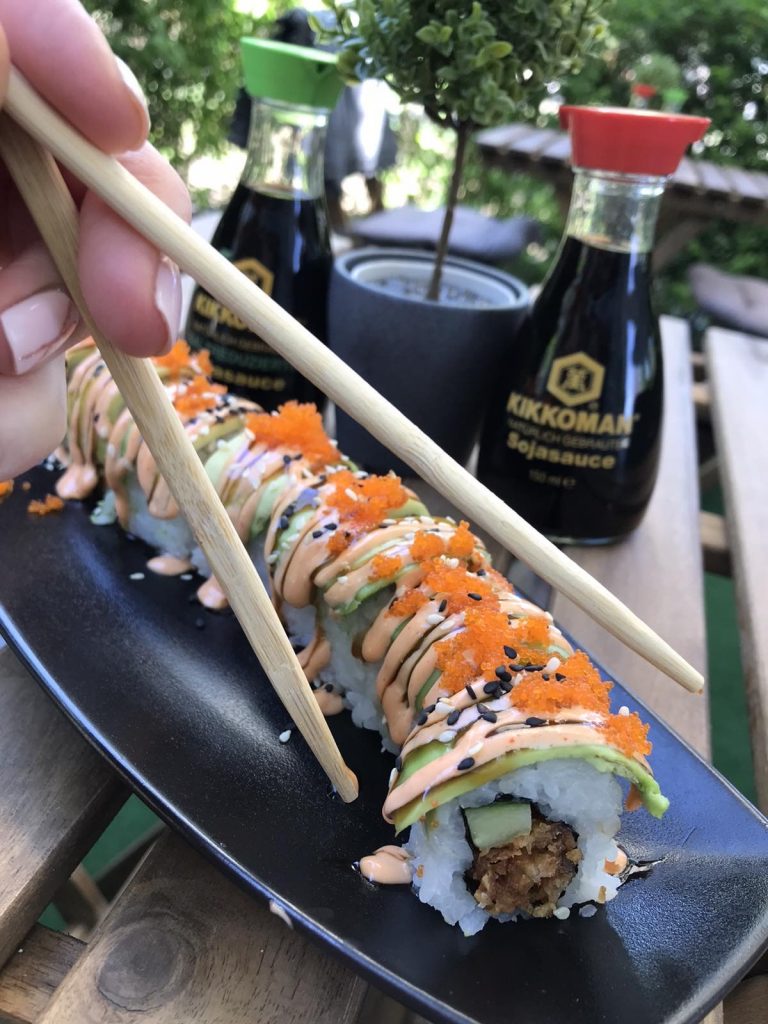
Róbert Szén, sushi chef: „Many people think that raw fish is the bottleneck, but it's not really what people are afraid of. Many people think that raw fish is not the main reason. It comes from fermentation and ripening, along with the familiar bitter, sour, salty, sweet flavours. This is what most people love it for, and what's more, it is the taste they seek. Our repertoire is very colourful. In shapes, flavours, colours, toppingokThere are so many variations, that we travel every day if we have to, when fresh ingredients are not being delivered. I prepare or personally check each roll. The secret is that every process must be perfect. It's a profession where you have to keep learning and improving what you learn.”
What the guests go crazy for:
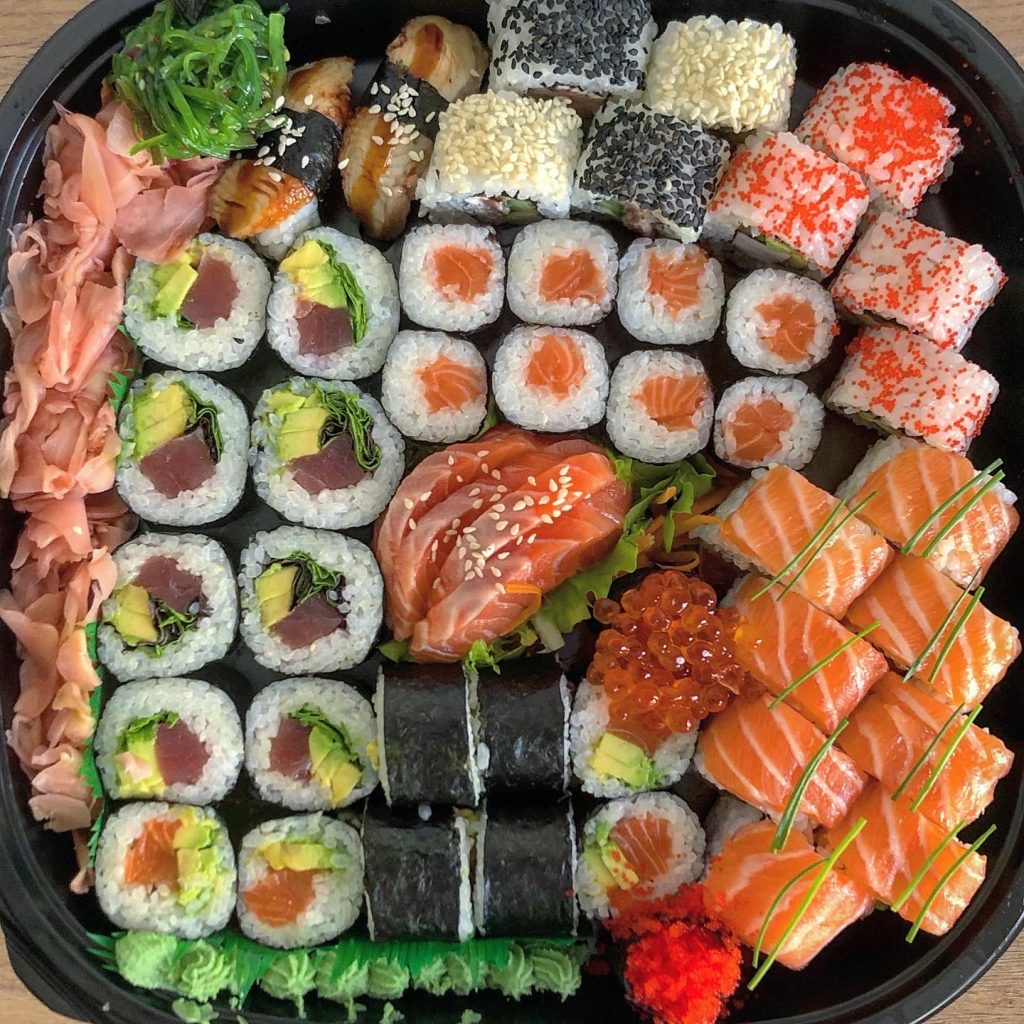
Róbert Szén, chef, owner: „ We wouldn't have thought it, but decorative, creative bowls, platters and different shapes are very popular. For holidays and occasions, a Valentine's Day sushi box in the shape of a heart, a boat, or a very colourful, decorative, multi-coloured and decorative dish, are just some of the many toppingos are the snacks our guests love. It's not just one age group that visits us, but everyone from company directors to construction workers love them, come back or just have a taste..
Where to learn the trade?
Róbert Szén, chef: „Sushi originated in Asia and is now an integral part of Japanese culture, but America is a true paradise for food lovers. There are plenty of sushi bars and restaurants where it's perfect and even better. I studied there, first as an observer, then I fell in love with it and finally opened my own family bar in Siofok, where we have developed a nice following over the last two years. We keep our basic set, but we are constantly evolving in the variations.