





There has been a lot of misunderstanding about the famous baguette (baguette) being just buttered. Much more than a bread, it has been a staple in the cuisine of many nations for a very long time.
Why do we love baguettes?
Only someone who has tasted a real French baguette can understand the significance of this. An perfect sandwich in a baguette must be wonderful. Of course, you have to be able to make it. As with all food, harmony is important. Dress it with real butter, then spread a thin layer of mayonnaise on top. Then we bed the salami or ham with fresh, crisp lettuce leaves. After quality meats, it's important to crown with a soft texture, cheese with a strong flavour. You can add some vegetables, tomatoes, peppers, and gourmets can spice up their sandwich with capers or olives. Of course, the top of the baguette can be added to complete the dish.
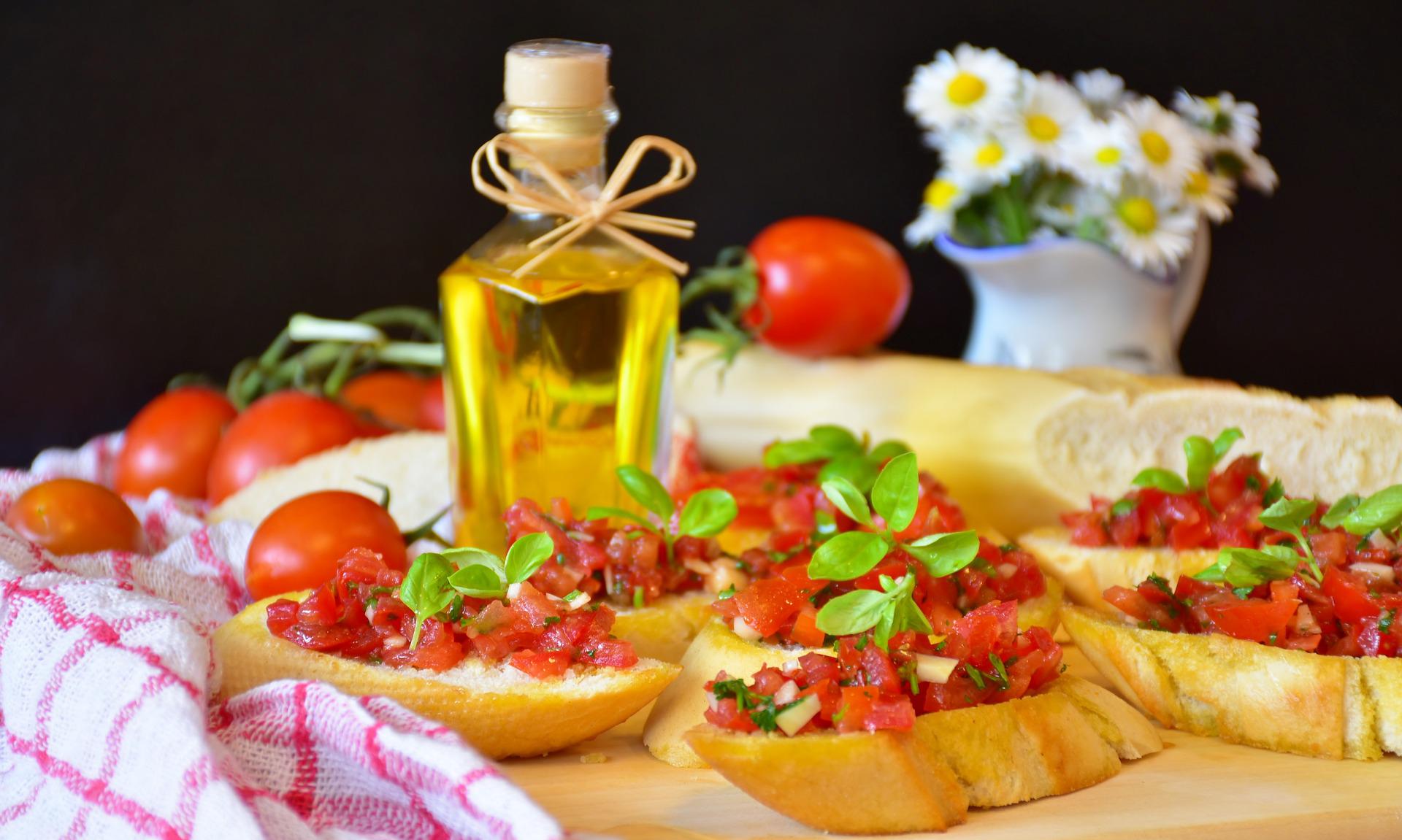
Photo by Pixabay
What is a baguette?
A baguette is a long, crusty French white bread. The pores are very coarse, and this is also a sign of the highest quality. It is made by kneading cold dough with little yeast. The crust is thick due to the long rising time. In France, the boulangerie artisanale is a traditional bakeries strictly only wheat flour, water, salt and yeast are used for baguettes. The theory of origin is that they are closely linked to France. There, not all long bread is baguette, but all baguettes are long bread. Thanks to its unbroken popularity, it has travelled the world and is now made in many places.
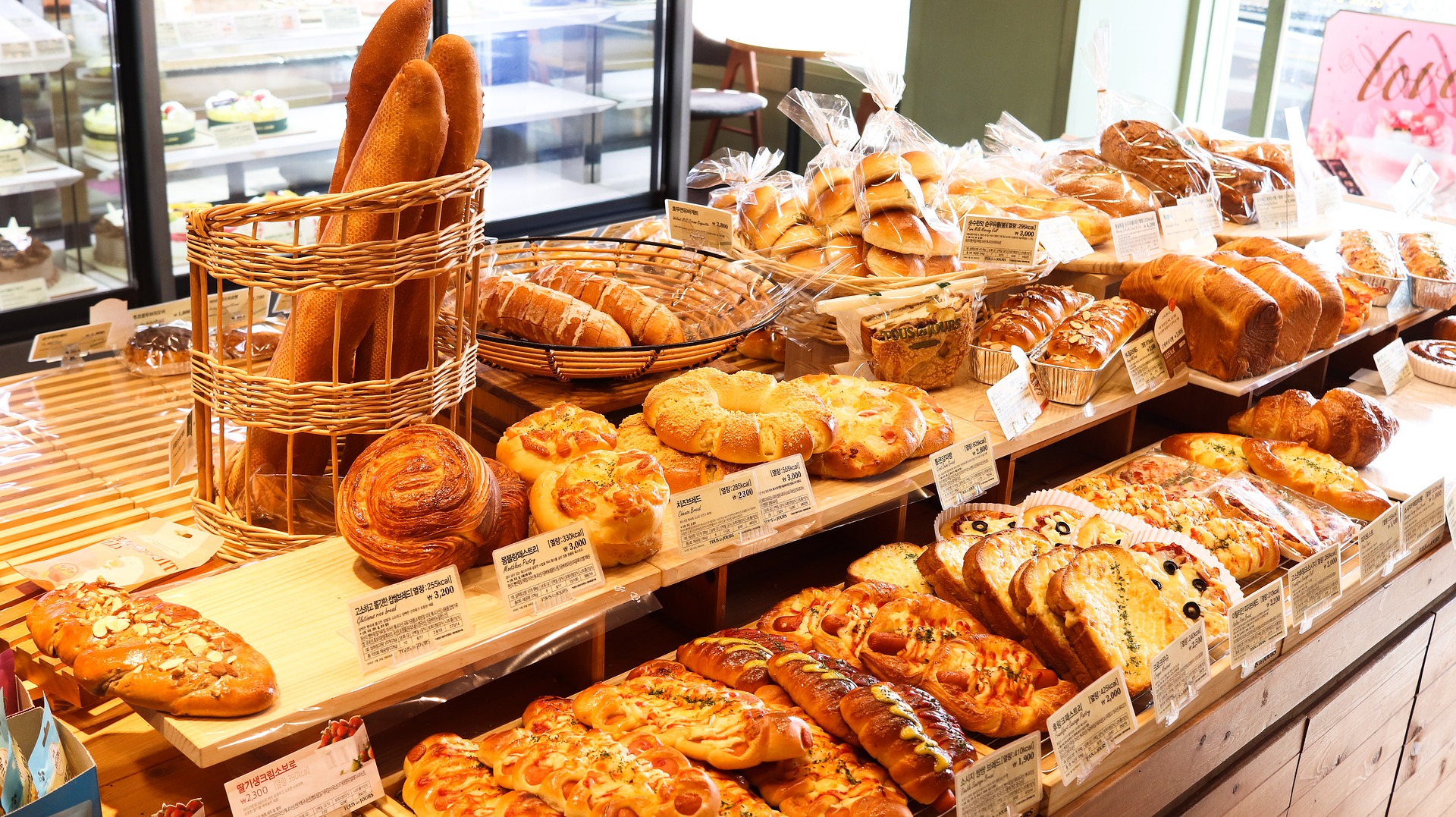
Photo by Pixabay
Baguette stories
As there are grey areas in the history of the French baguette, there are quite a few theories and stories about where it came from. Opinions still differ to this day. According to one, Napoleon Bonaparte first made it for his soldiers. He thought it was important to feed his troops, so he had bread made in a shape that was easier for them to carry. His idea was that if soldiers made an elongated bread instead of a large round or oval loaf, they could just put it under their jackets and have a snack whenever they wanted.
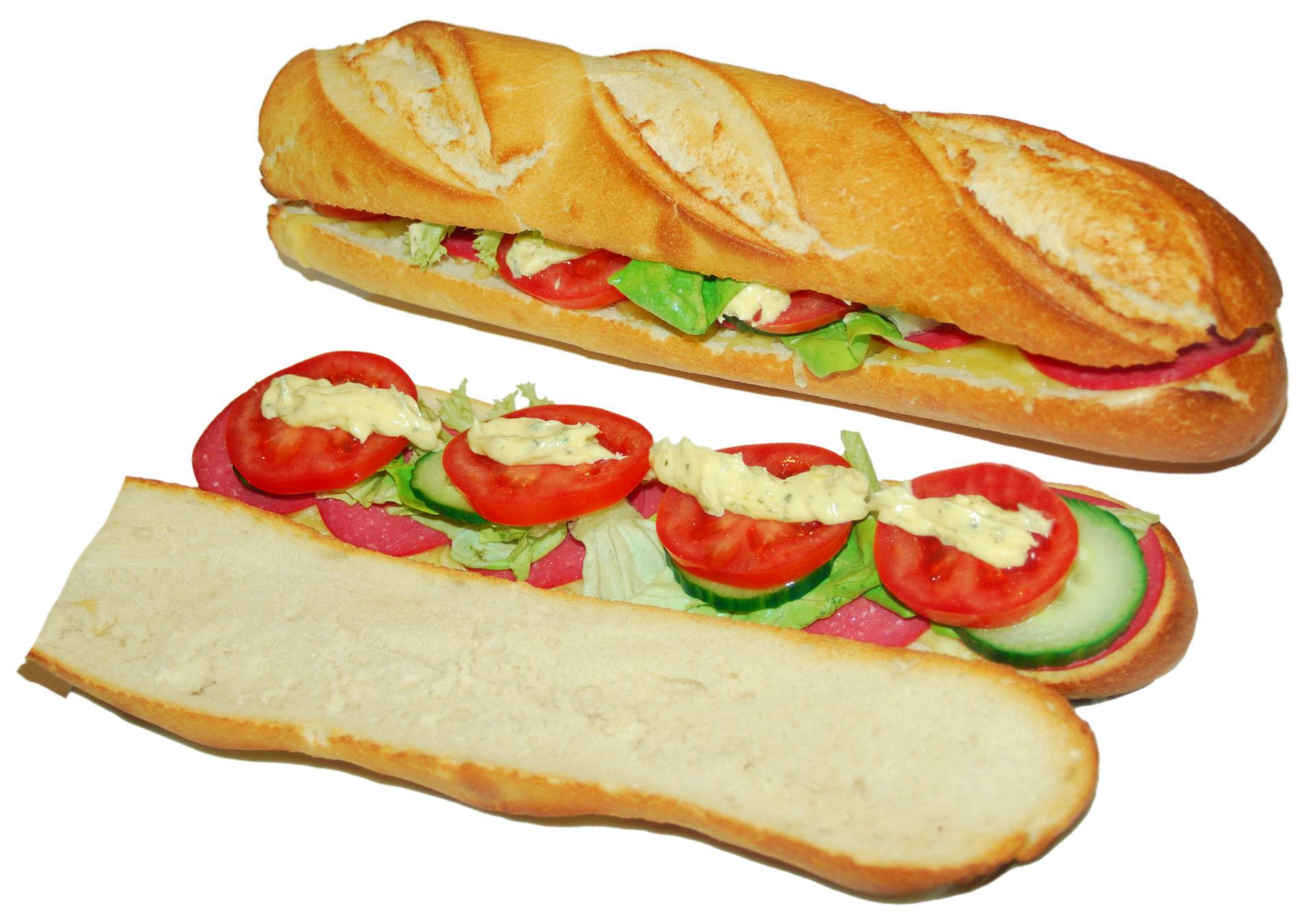
Photo by Pixabay
Another theory is that it was invented for underground subway builders, although it is also associated with France. The idea was that, because their work involves a lot of dirt, they shouldn't have to use knives when they eat lunch. In addition, the darkness and stress often led to fights between the workers, which often turned into fights. They could also cause serious injuries to each other with their knives. The construction managers therefore asked for bread that was easy to eat without having to use knives. And so the baguette was made.
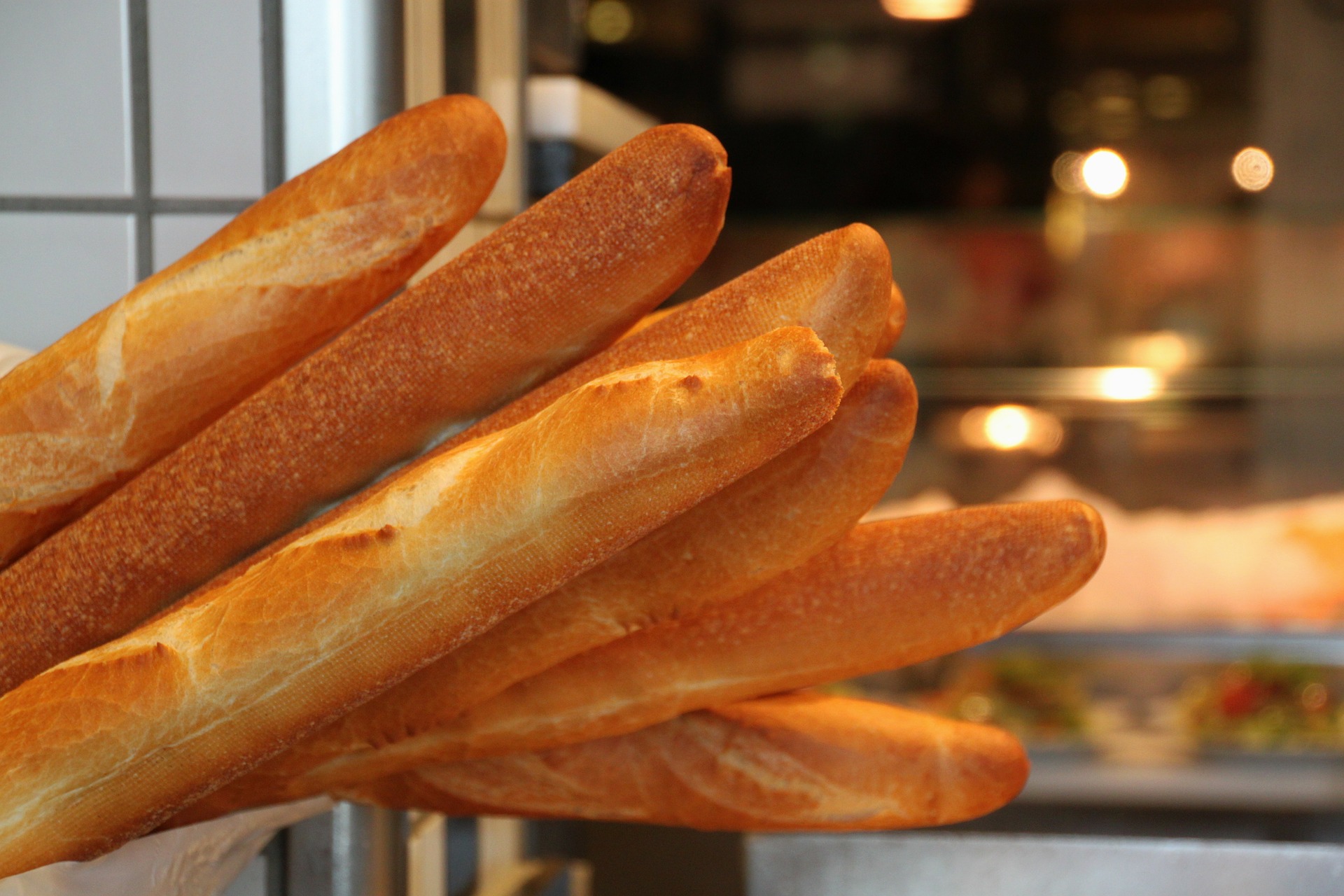
Photo by Pixabay
The bread of equality and peace
There are suggestions that it was first made during the Great French Revolution. They wanted to see the will of the people and the essence of equality reflected in the form of bread, so they passed a decree that there should be a bread that was equally accessible to all people, rich and poor. So they created the easy-to-make, cheap baguette.
The simplest theory, however, is that in 1920, France passed a law in the interests of labour rights and workers that bakers could not work between 10pm and 4am. This left no time for baking plain, traditional bread. The shape was therefore changed to an oblong shape, which was quicker to bake.
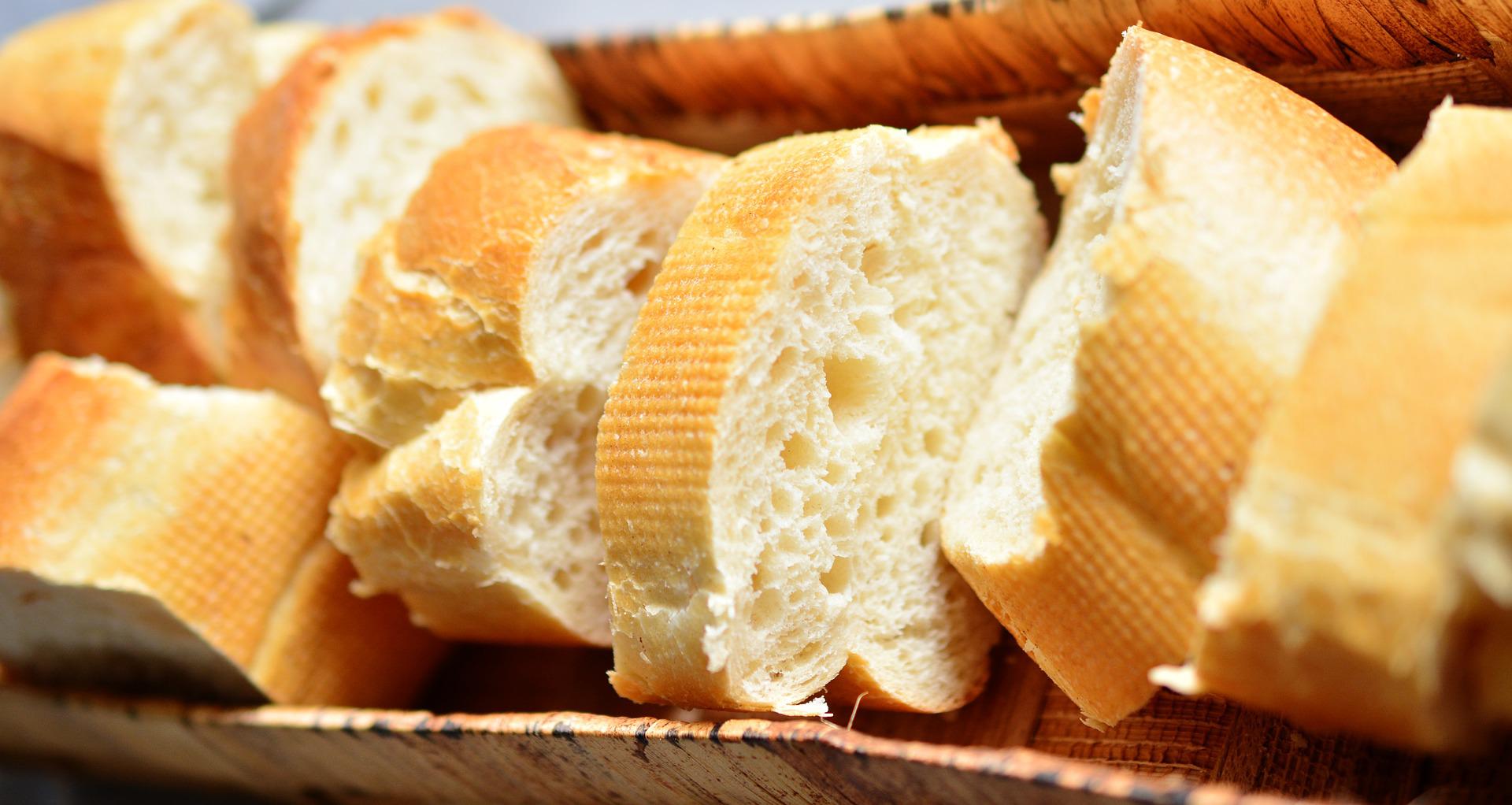
Photo by Pixabay
The real origin story
The legends may be true, but who knows? There are two of the most likely theories. The first is that the baguette originated in Vienna. It came to the French from the Austrian capital when a businessman, bored with his homeland, moved to romantic Paris. Here he started making it himself, and then asked a baker to do the same on occasion. Once the baker had the recipe and the way to make it, baguettes became more and more part of his repertoire. He became famous for his „strange” bread and people loved it. It didn't take long for it to spread throughout France.
The other version looks for a solution in the drafting process. According to this version, the baguette is of Polish origin and is elongated thanks to a dough kneading technique developed by a Polish master baker. This method is still used today and is also known as the Polish method.#