




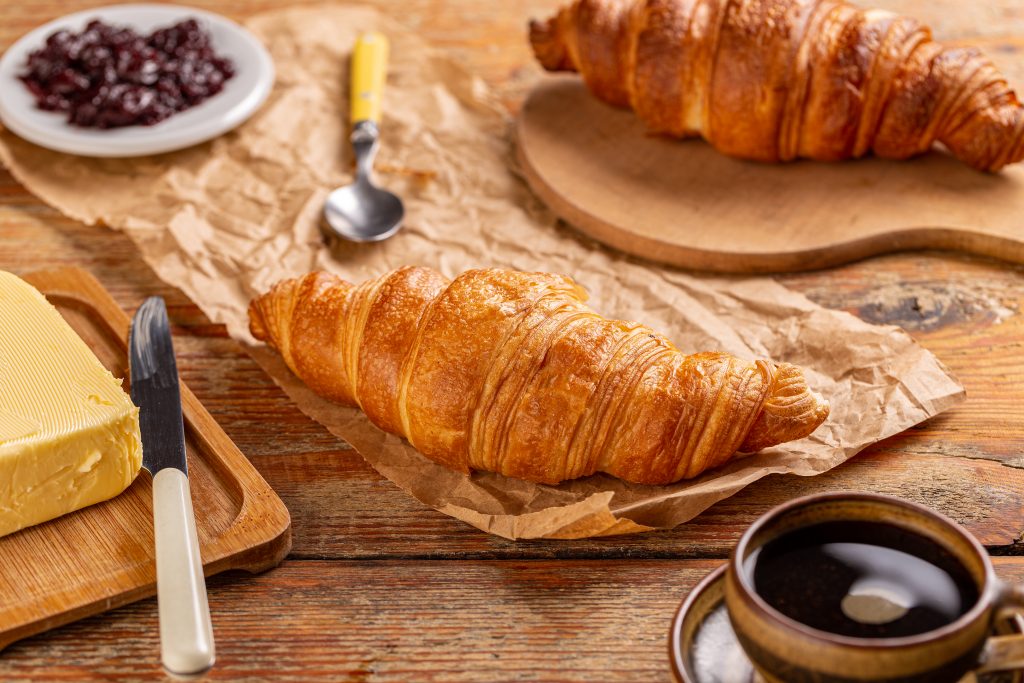
Croissants are a pastry that no one needs to be introduced to anymore. We know its shape, its taste and it certainly has its own charm and feeling, which makes people want to order it instead of a bun or bread.
Why should there be croissants in the kitchen?
Basically a buttery, flaky pastry. Its simplicity is its advantage. Yet this pastry stands out from the rest and will be an unmistakable addition to any restaurant's palette. A croissant has reached a level of popularity that is difficult to surpass. Thanks to its decades-long career, built around a French feel, it is one of the most popular pastries. Nor is it negligible that it can be prepared in a multitude of ways, whether sweet or savoury. And it can be used in a wide range of ways.
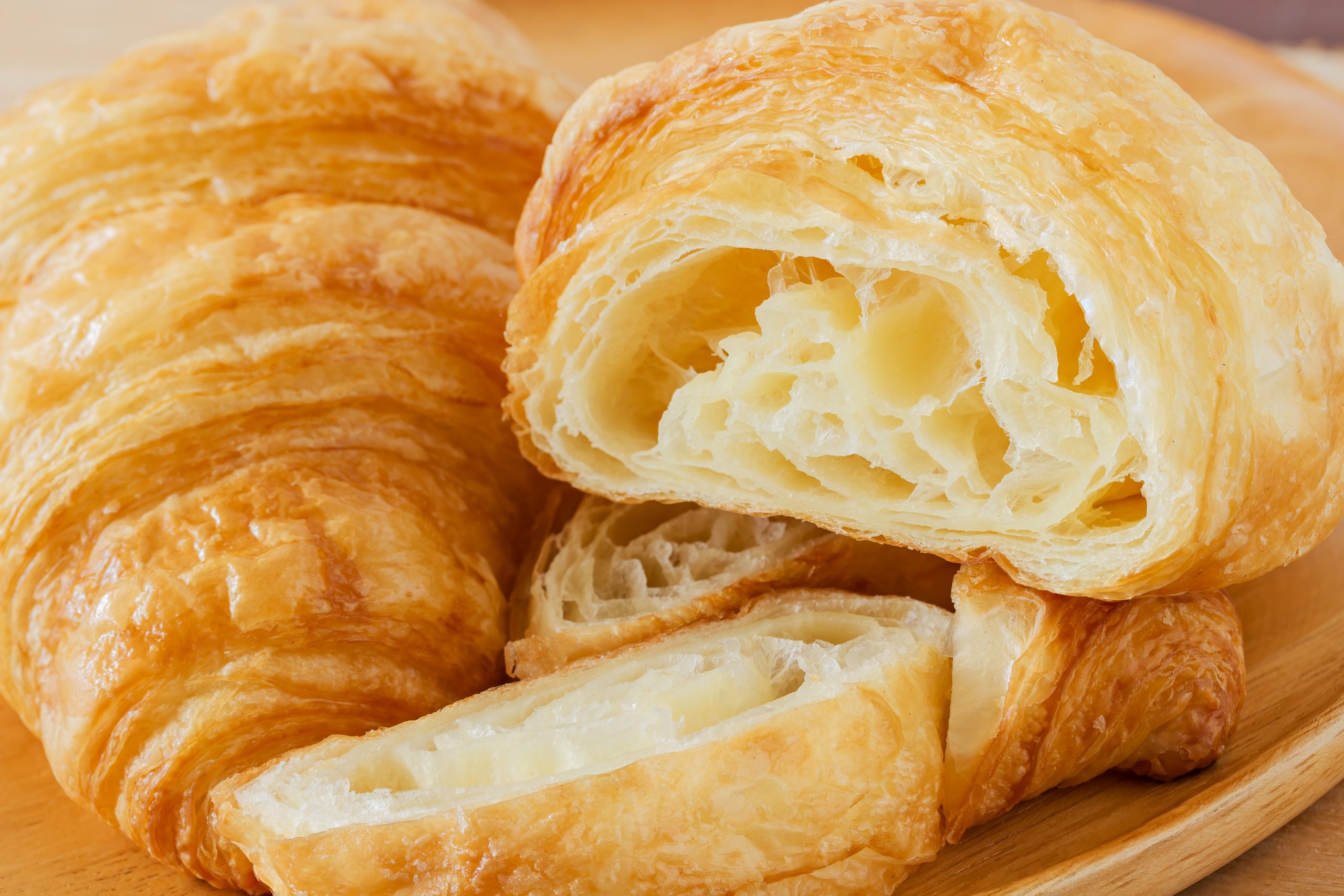
Photo by Envato elements
Origin and history
A croissant is called the ancestor of the kipferl. Its origins are dated to around the 18th century. Contrary to French stereotypes, it has Austrian roots. Of course, like everything else, the croissant has its legends. In terms of shape, crescent-shaped breads have been made for quite a long time, and have been found in the kitchens of almost every nation over the centuries. In Europe, however, the crescent took on a special meaning during the Turkish occupation.
There is a legend that the ancient Greek ruler Croesus (585 BC - 546 BC) was fond of the crescent-shaped pasta dish and had a lot of it made. His reign ended, but the pastry survived and spread. According to one legend, the shape was made to commemorate the Battle of Tours in 732, when the Umayyad troops were defeated. But there is also one that says that in 1683, when Vienna was besieged by Turkish troops, a baker warned them that they would try to enter the city through a tunnel. In return for the information, he asked that only he could bake the crescent-shaped cake. The croissant is said to have been invented by an Austrian artillery officer, August Zang, who founded a bakery in France in 1838. He took the croissant with him as a Viennese speciality, the shape of which was already a given. It quickly became popular and was named croissant. Among the various stories, there is a Hungarian one. According to this story, the pastry was developed in our country after the end of the Turkish occupation, to celebrate the end of the Turkish occupation.
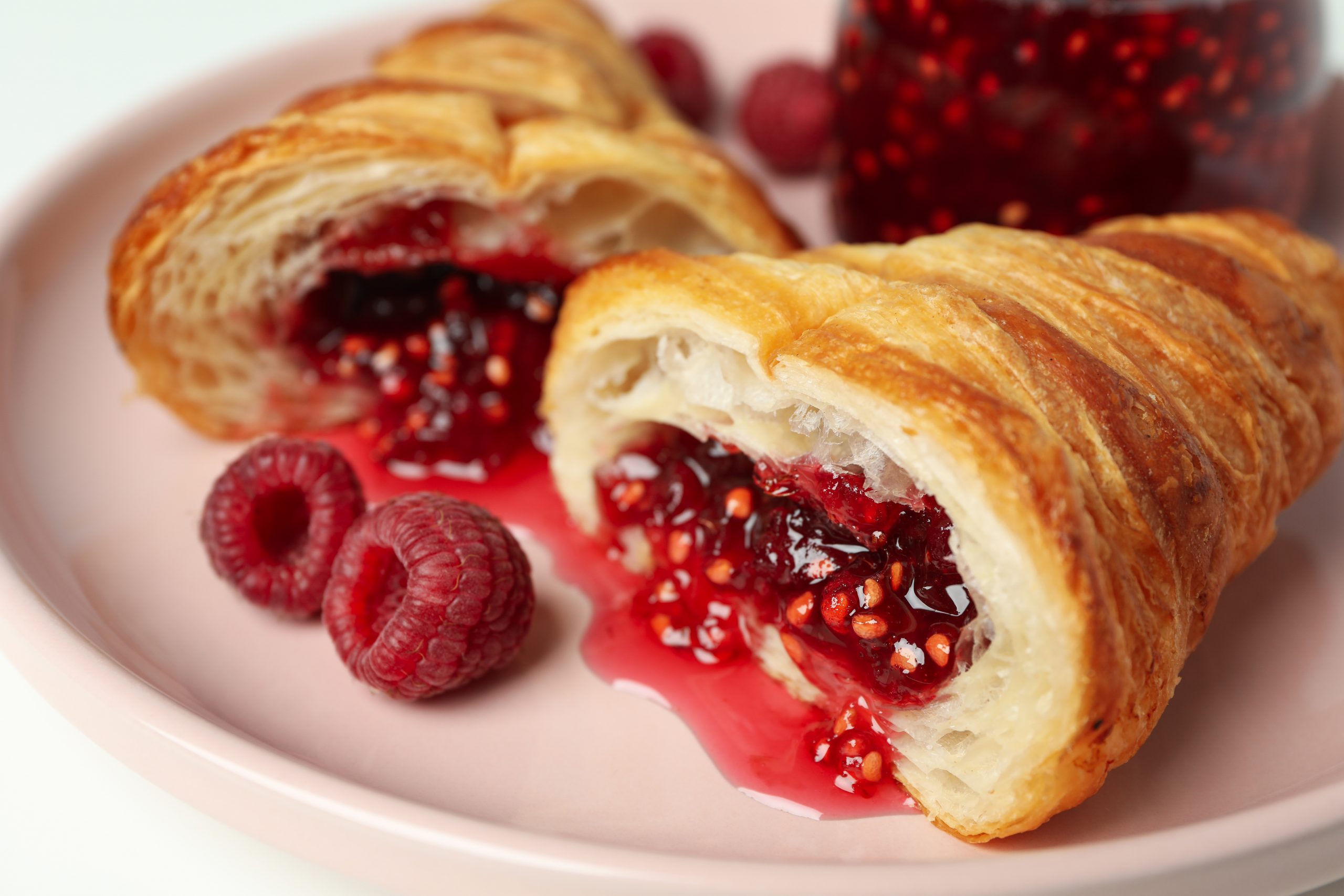
Photo by Envato elements
The skipper
The puff pastry technique, which is now typical, was first mentioned at the end of the 17th century, in the 1680 edition of Le Cuisinier françois of La Varenne. The recipe was already given at that time, but what is interesting is that the laminated dough with a French yeast leavening is used. The date when it became a croissant is a mystery, but it is certain that it was made by layering the dough with butter and then folding and rolling it in several flavours. This is how the pastry, known to everyone light, leafy and fillable lett. It was only in the 20th century that croissants began to be called by their current name.
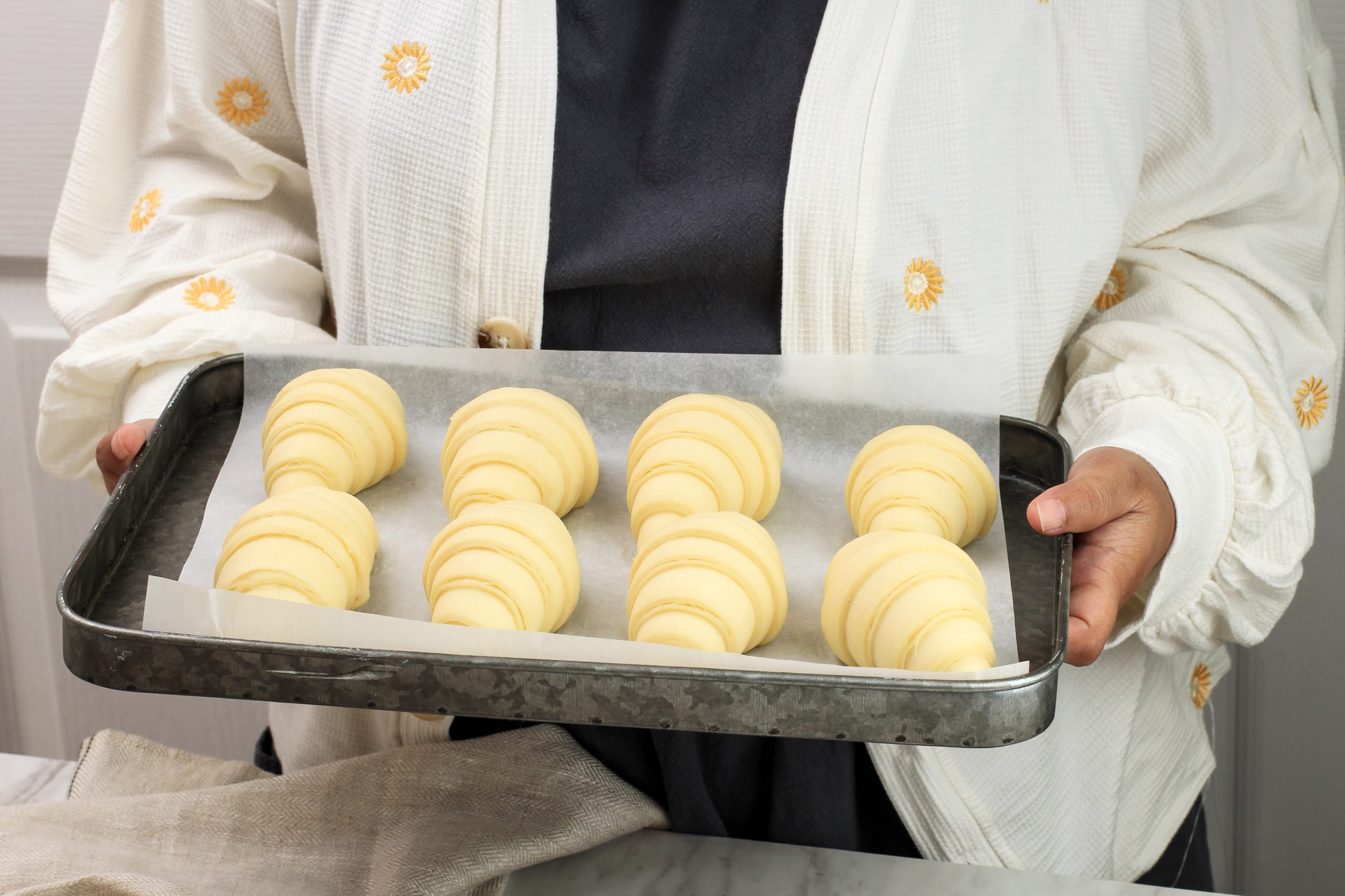
Photo by Envato elements
Croissants - the essential
It's definitely French, and it's the reason for its popularity, as it's a key element of French gastronomy. It became a staple pastry in the late 1970s, and was even the basis of a chain of fast-food restaurants. It made the La Croissanterie chain, which was modelled on the American chain, famous. Today, the croissant-40 to 50 percent of our products are made from pre-made dough, which is frozen and therefore for consistent good quality you can get. Huge quantities of this pastry are now sold, as it is a popular delicacy.
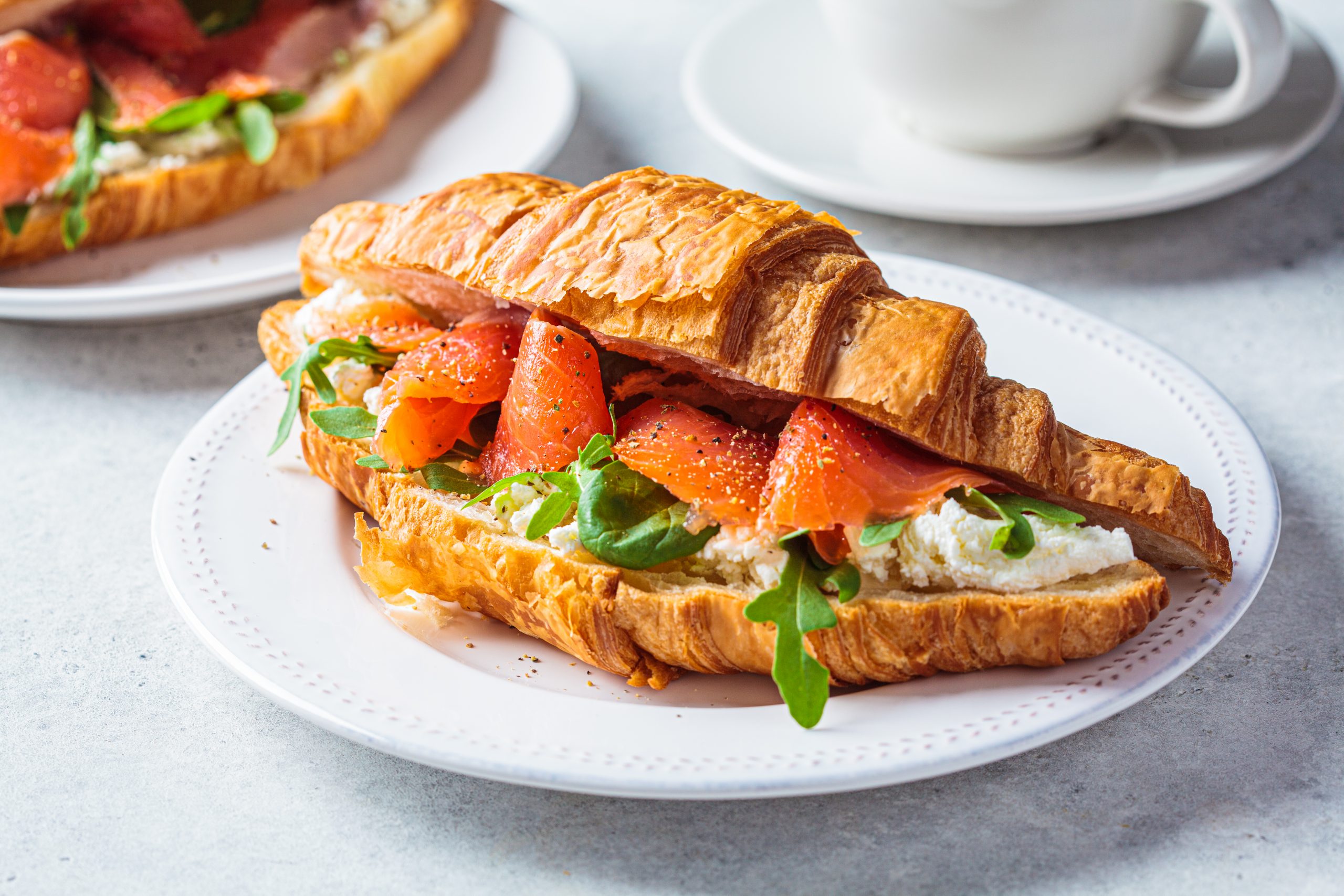
Photo by Envato elements
Croissants - in all forms in restaurants
Crispy on the outside, flaky on the inside, easy to fill. The biggest advantage is not just that it's loved by many, but that it's the perfect accompaniment to so many dishes. Indispensable from the breakfast table in hotels, as well as for an elegant brunch. Its lightness makes it a popular accompaniment to coffee, but it can also be a perfect dessert. Of course, since the MATUSZ - VAD has been serving the hospitality industry for decades, can be found in the croissants for their products Between. It's quick and convenient to prepare, requires no skill and still puts impeccable quality on the table. The croissant is the pastry that will always put a smile on your guests' faces, because they'll want to eat it.