




To tradition, gastronomy culture everyone wants to know. It is clear that wherever we go in the world, we try to taste the local food, visit the markets and are willing to taste even the most extreme food, be it crickets and bugs, drinks or, for us special fruit.
After the works of art, the country's architecture, the famous or infamous places, perhaps this is what tourists visiting our country are looking for. Perhaps this is one of our strengths that draws attention to us: our gastronomy. We've put together a list of the reasons why foreigners come to our restaurants. The food they're dying to try. Because for all nations has its typical dishes that are the hallmark of the country.
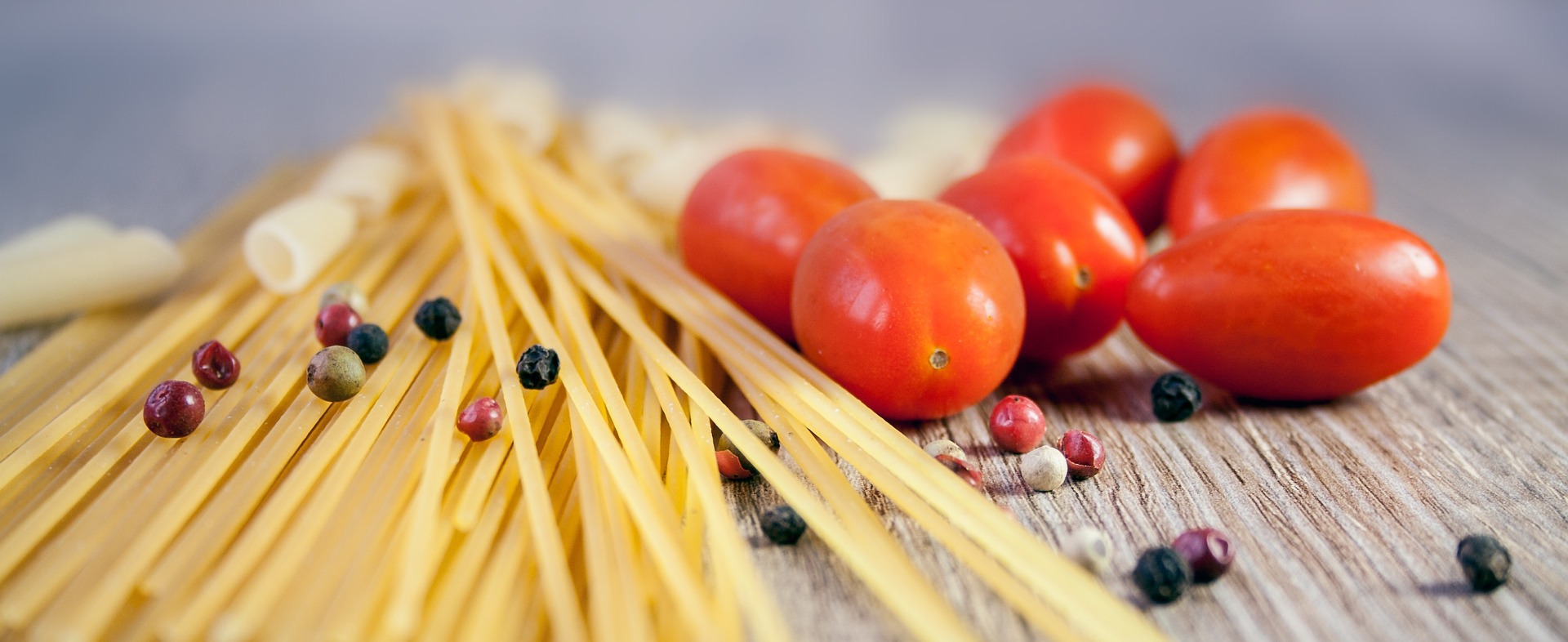
The most sought-after raw materials
We are definitely famous for paprika, as it is the basis of Hungarian cuisine. In addition, Gyula sausage, Pick salami and Makó red onion are the most popular. Many people are looking for the paprika from Szentes, which is the basis of one of our most popular dishes - lecsó. On the drinks front, it's the wine that is the main attraction. The top is definitely Tokaji Aszú and Bikavér.
What foreigners would not let you do off
Soups
Goulash soup: With its close relatives, the stew and the paprika. One of the most important peasant dishes, they became fully established in bourgeois and noble kitchens in the 19th century.
Meat soup: The meat soup is a well-known Sunday and holiday dish in Hungarian gastronomy, the first course of the wedding dinner. It can be made from beef, pork, duck, rooster or chicken. Smoked meat soups have a completely different flavour.
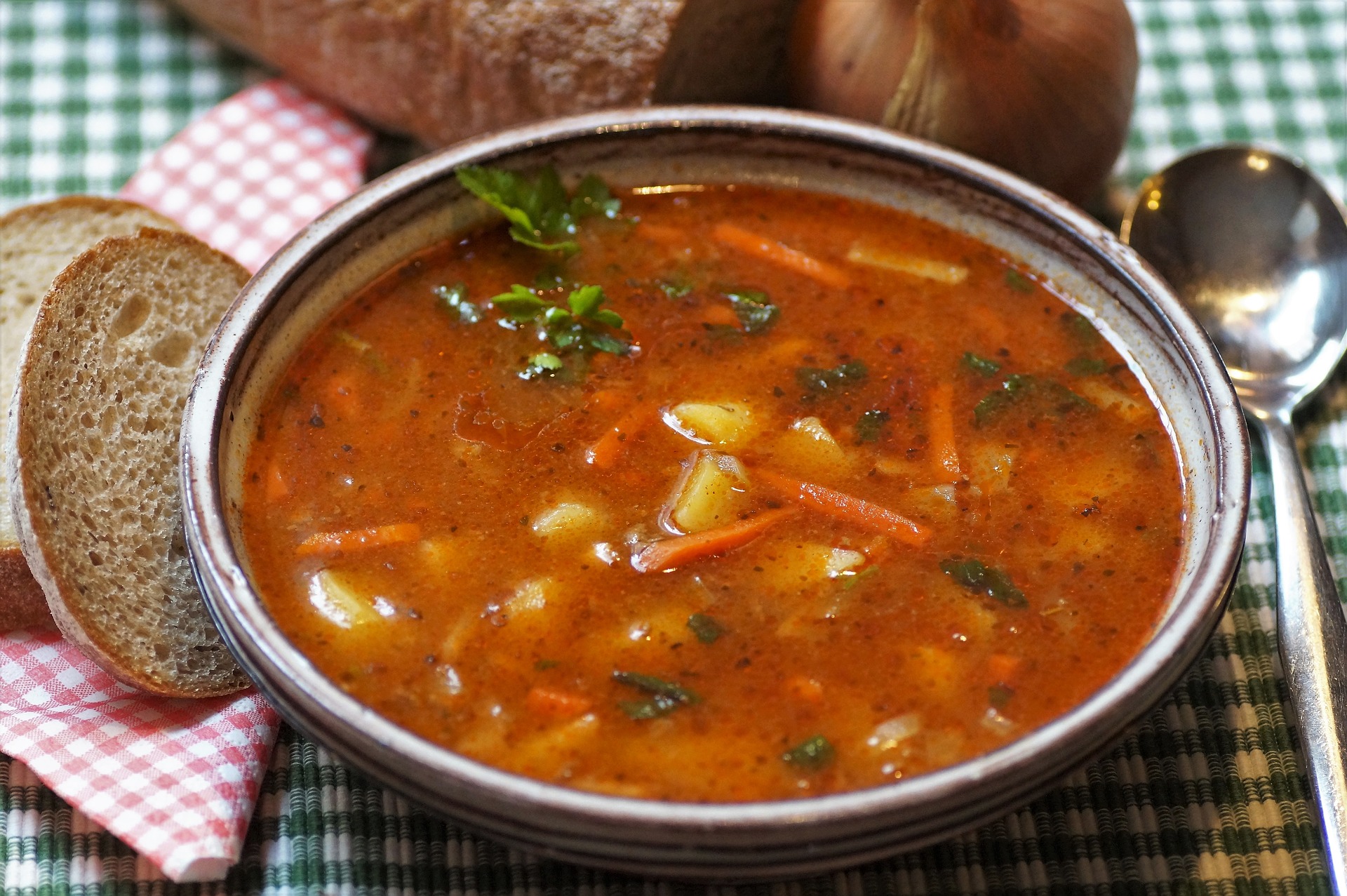
Jókai - bean soup: The bean soup with sour cream (with hocks, sausages and chips), or Jókai bean soup, bears the name of the novelist Mór Jókai, as the writer's favourite dish was smoked suckling pig with a fingernail. The first true Jókai bean soup was made in the famous Gundel restaurant, where it first appeared under that name in Károly Gundel's recipe collection, Little Hungarian Cookbook.
Main courses
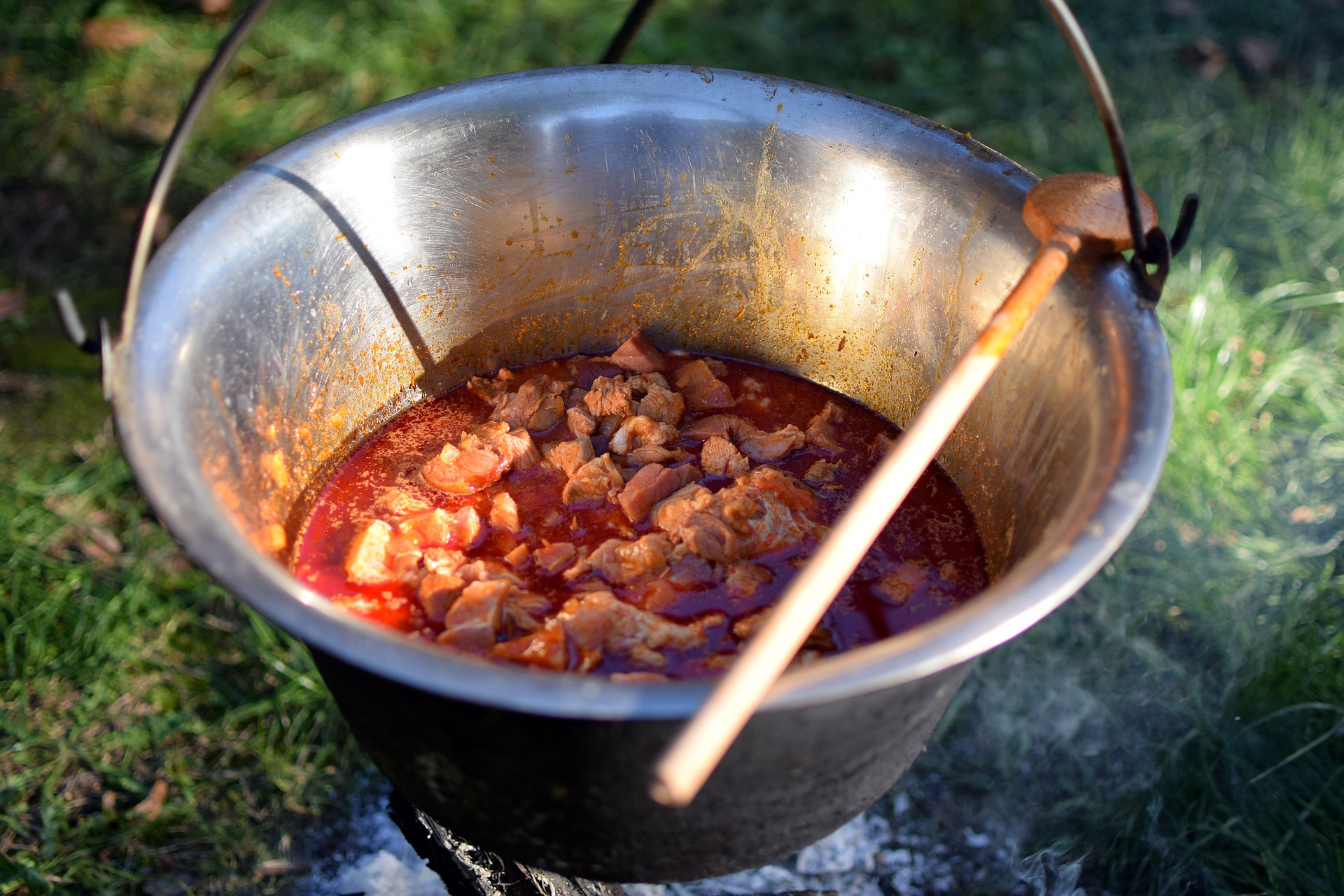
Stew: Most of the dishes that are considered Hungarian are juicy and peppery. So is stew. The name 'pörkölt' (stew), as a typical lowland shepherd's dish, was mentioned continuously by authors of the same era from the 1780s onwards and was considered to have a special characteristic in that it was made with ground paprika. The stew developed from a goulash dish into a Hungarian national dish. In the Great Plain, paprika-flavoured meat, or stew, supplanted porridge-based meat dishes when it rose to the status of a wedding dish between the 1830s and the 1900s.
Stuffed cabbage: Stuffed cabbage, also known as sarma or takart in Transylvania, is a typical winter dish of Hungarian cuisine. In some parts of Hungary (especially in south-eastern Hungary) it is called sarma. The Serbs call it sarma, and even the Arabs consider it part of their national cuisine. Stuffed cabbage is the dish that can best be described as 'as many houses as there are customs'.
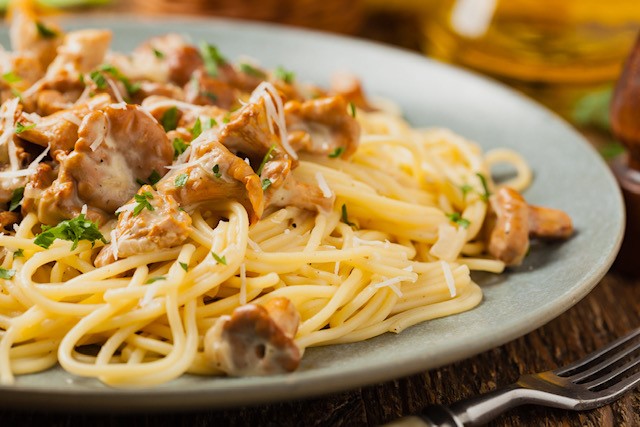
Mushroom paprikash: Along with goulash and stew, paprikás is one of the great traditional national dishes of the Hungarians. Even King Franz Joseph of Hungary tried to soften spicy paprika “Hungarian” dishes with cream and sour cream as early as the second half of the 1800s. It was from this time that paprika began to be made in Hungarian gastronomy as a creamy version of stew. From there it was just a step to using mushrooms.
Chicken with paprika: Chicken with paprika or chicken paprikás is a Hungarian national dish with paprika. It should not be confused with chicken stew, as it is made without sour cream. It is one of the most popular Hungarian dishes and has everything that characterises Hungarian cuisine: paprika, pepper, red onion, garlic, green pepper, tomatoes, sour cream, meat.
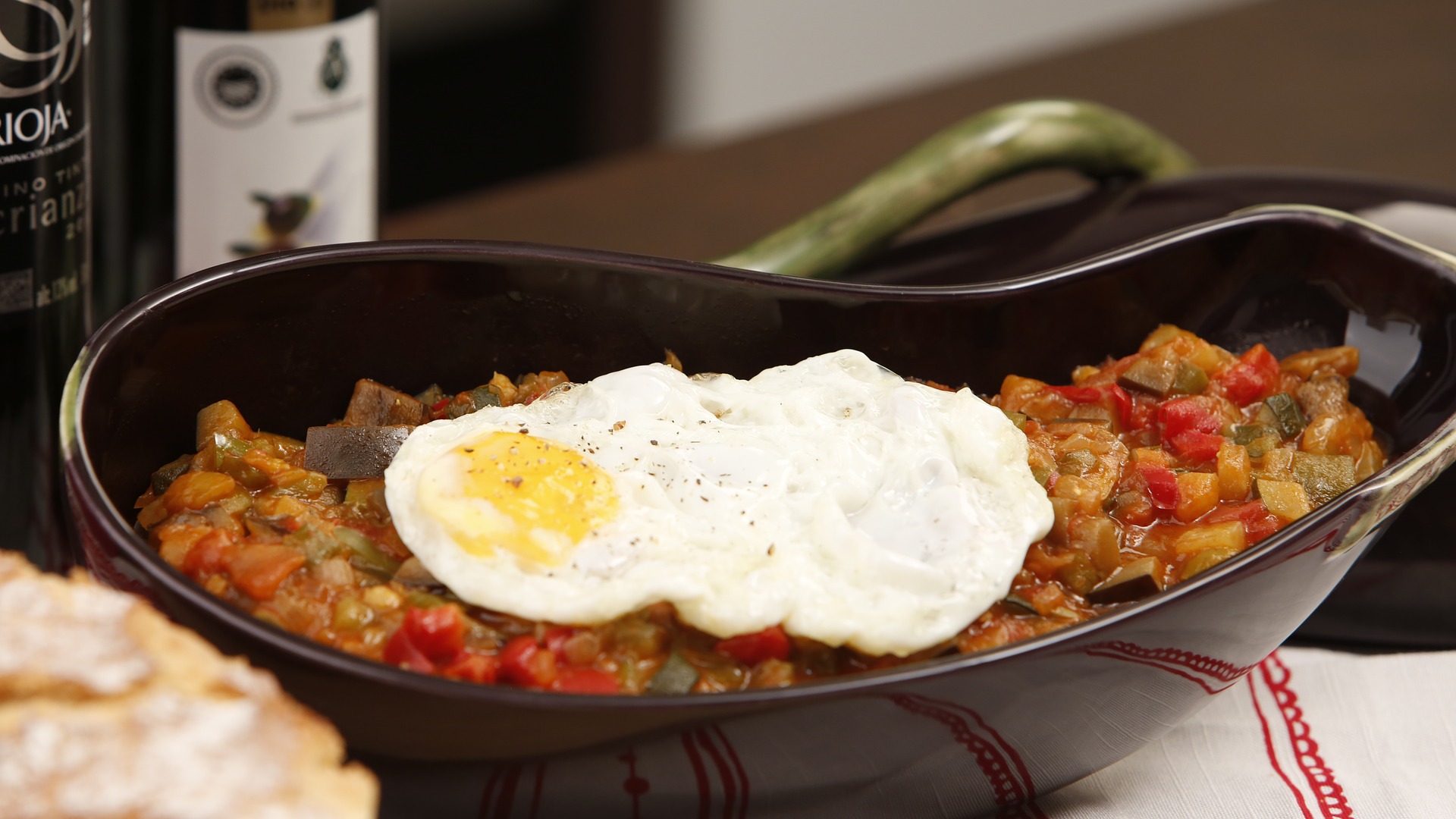
Lecsó: Lecsó is one of the traditional, famous Hungarian food classics of the 20th century. Although lecsó is a dish with Balkan roots, it is one of the pillars of Hungarian gastronomy. The word lecsó, which originated as a Nógrád dialect word, has enjoyed an international career, as have other words (csákó, gulyás, hajdú, huszár, kocsi, puli, sujtás). The word lecsó began to be used consciously in the 1920s. Lecsó is actually a vegetable stew, a tomato-pepper „stew”. According to Gyula Krúdy, you should eat peppers and tomatoes in summer, but lecsó in winter. According to most published recipes in Hungary, the most common way of preparing lecsó is to prepare a version containing one part Mako red onion (Hungarian), two parts ripe tomatoes and four parts crunchy, white-fleshed Cece green peppers (Hungarian). As for lecsó, there are as many recipes as there are regions and families.
Baked potato: Casserole potatoes are also a Hungarian dish. It is made with potatoes, sausage, eggs, sour cream, possibly bacon and sausage. There may be cheese on top or in between the layers, and vegetarian ideas instead of meat. It was first mentioned in Hungary in the 1840 edition of István Czifray's Hungarian National Cookbook.
Sweets and other
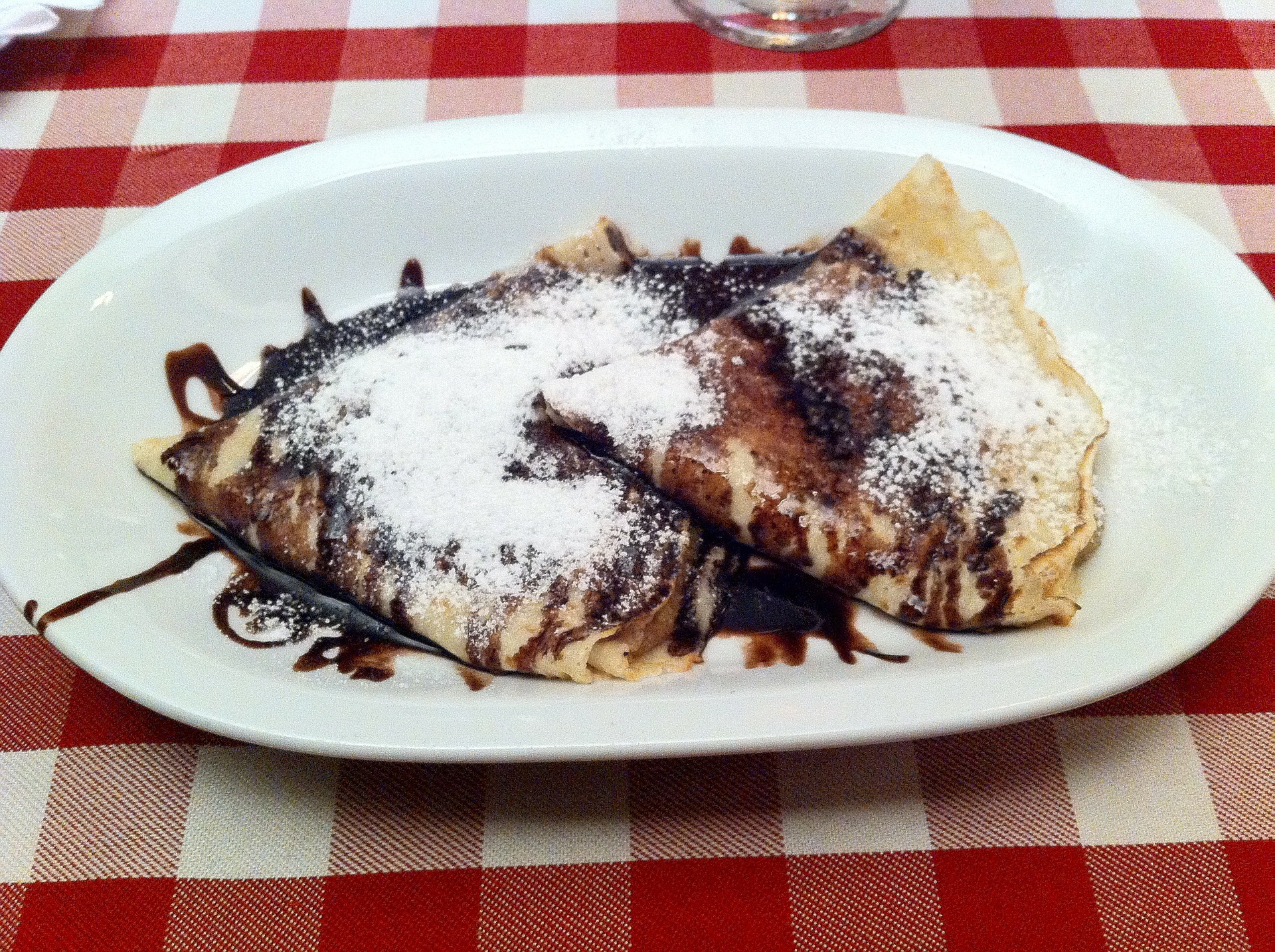
Gundel pancakes: The first Gundel pancakes were made by Károly Gundel, who served the pancakes filled with chopped walnuts, rum and raisins with a dark chocolate sauce made from egg yolk, cream and cocoa powder. The original recipe is a secret known only to the world-famous Gundel restaurant.
Scones: Lángos is a traditional Hungarian fried flatbread made of soft dough. The yeast is fermented with a little sugar and lukewarm milk, then flour, salt, lukewarm water and a little oil are added. It is believed that, along with other dishes, lángos was introduced into Hungarian kitchens during the Turkish occupation. It is served on its own or with various seasonings, the most common being garlic sauce, cheese, sour cream, cheese and sour cream, sausage, and, in the Békéscsaba area, sheep's cheese.
Hornbread: The name of the cake refers to the horn of the stove. The horn cake is baked over coals on a dorong cakes belongs to the family. In the Hungarian-speaking area, the kürtőskalács is a Szekler, Transylvanian and Hungarian cake, but it is especially popular in Szeklerland. It used to be made mainly for festive occasions, but nowadays it has become part of everyday life. It is popular as street food as a speciality that foreigners seek out! A strip of sweet dough rolled into a sweet dough pastry is rolled onto a stump cone-shaped baking disk so that the edges of the pastry strips stick together and are flush. They are rolled in granulated sugar, smeared with hot butter and baked over charcoal coals until golden brown. This causes the sugar stuck to the horn cake to caramelise and form a shiny, crispy coating.
Author: Tamás Budafoki