




An important new set of rules has entered into force on 1 September, bringing significant changes to the public catering sector. This has an impact on tenders and on businesses in the catering sector.
A catering one of the most important of its many sectors is catering
This sector has also been hit by the pandemic period, and can be said to be one of the biggest losers from the austerity measures imposed by the virus. It is the most basic segment of the industry - one that has solved the daily meals of hundreds of thousands of people, affecting the lives of adults and children. According to the latest figures from NÉBIH, the sector was supplied by 3,000 to 3,500 kitchens, plus 6,000 soup kitchens. In total, 10,000 units, of which 6,000 are educational units. How many workers this affects is again difficult to say exactly, but we are talking about a lot of people. The system has recently come back into operation, but a small percentage of the kitchens that are actually in operation have returned to the old operation. The reason for this is, of course, the still cultivated home office.

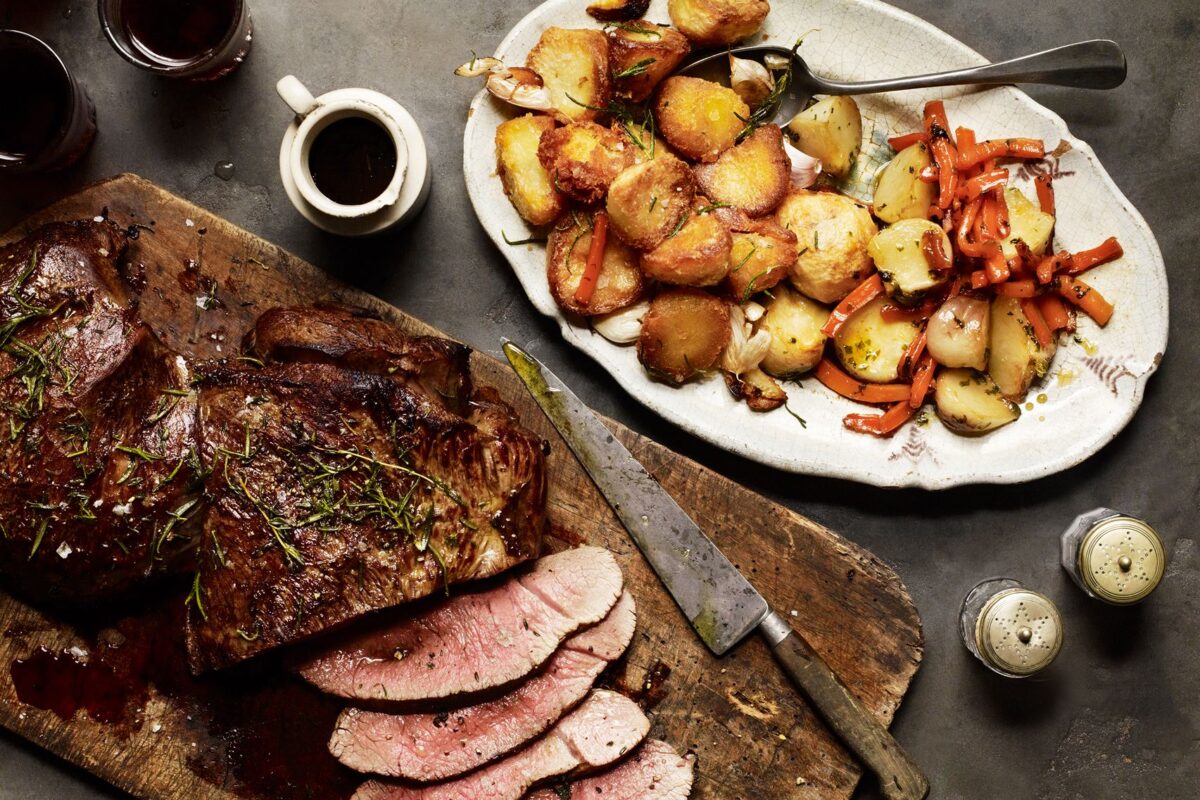
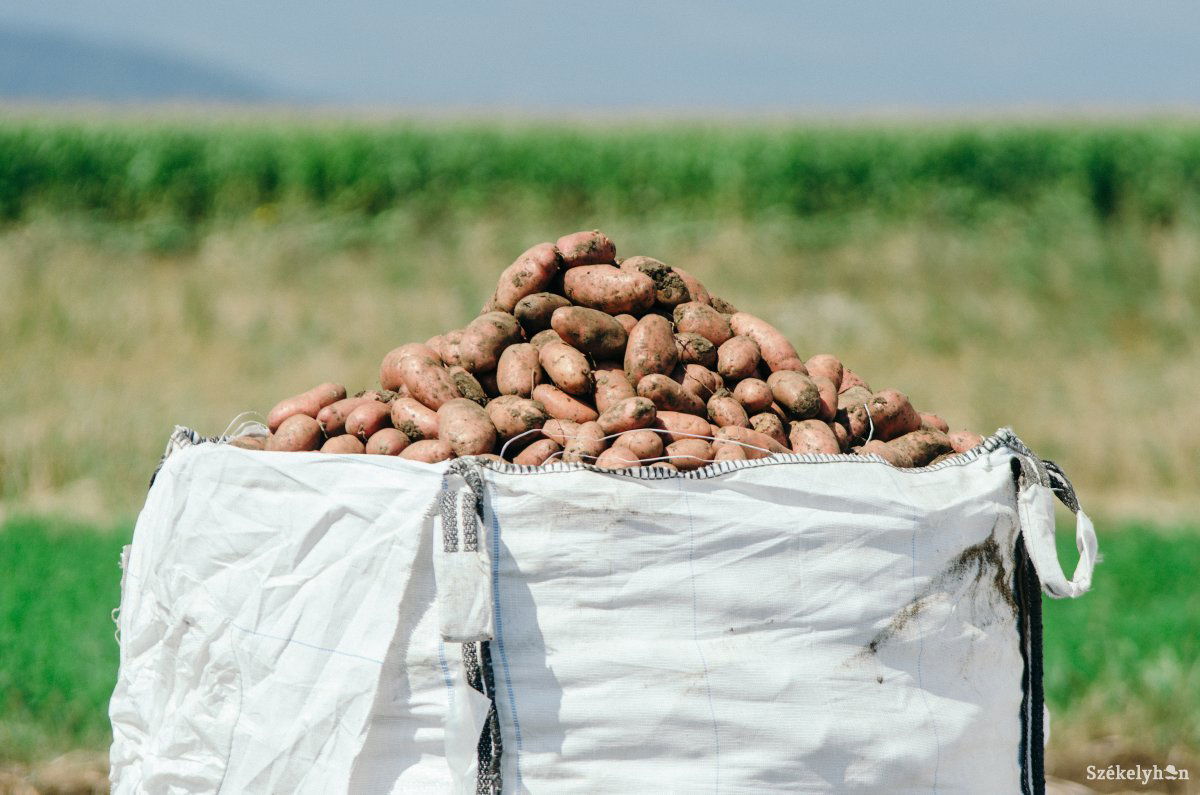
Photo: pixabay Everyday meals
New government decree on public catering comes into force
From 1 September, a number of important changes will come into force for public procurement in the catering sector. Among other things, the focus will now be on domestic products and the certification of the National Food Chain Safety Agency (NÉBIH) for public catering will become a prerequisite. The main objective of the government regulation on public procurement in the catering sector is to improve the quality of public catering. Among other things, the regulation requires that from 2022 onwards, public catering must have a minimum share of 60% and from 2023 onwards, a minimum share of 80% for short-supply chain and local food products, and that the lowest price cannot be the sole criterion for the selection of the supplier.
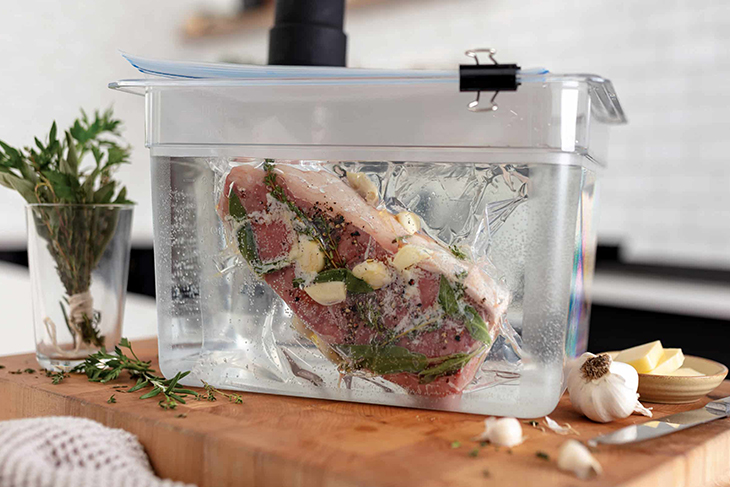
Photo by Pixabay Office and catering
Another important change is that caterers bidding for public contracts must always include an MKP certificate no more than three years old with their application. Caterers who do not have a certification within three years but wish to tender for a public procurement contract can apply for certification using the form available on the website.
To make it easier to find information and more flexible, NÉBIH has created a public catering information page. The new thematic website contains interesting information not only for caterers and customers but also for consumers.
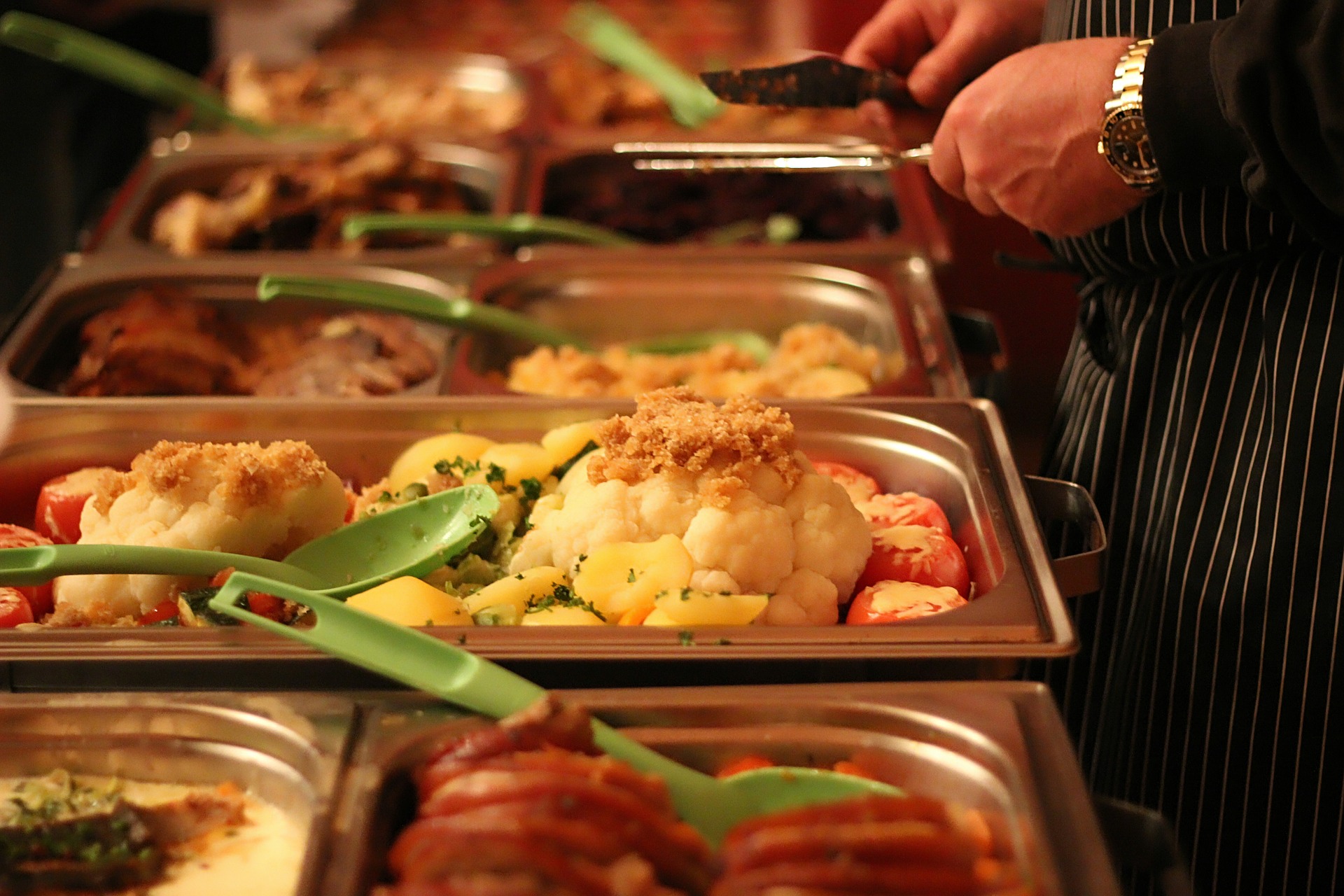
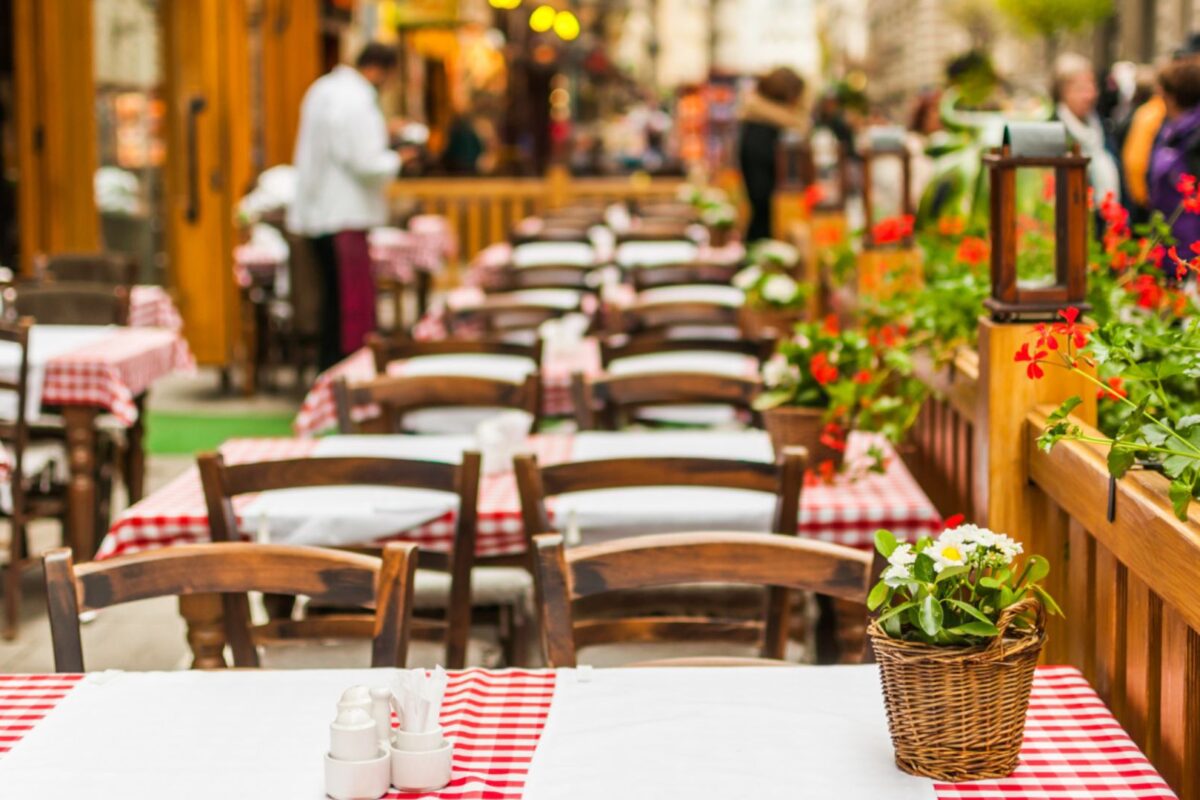
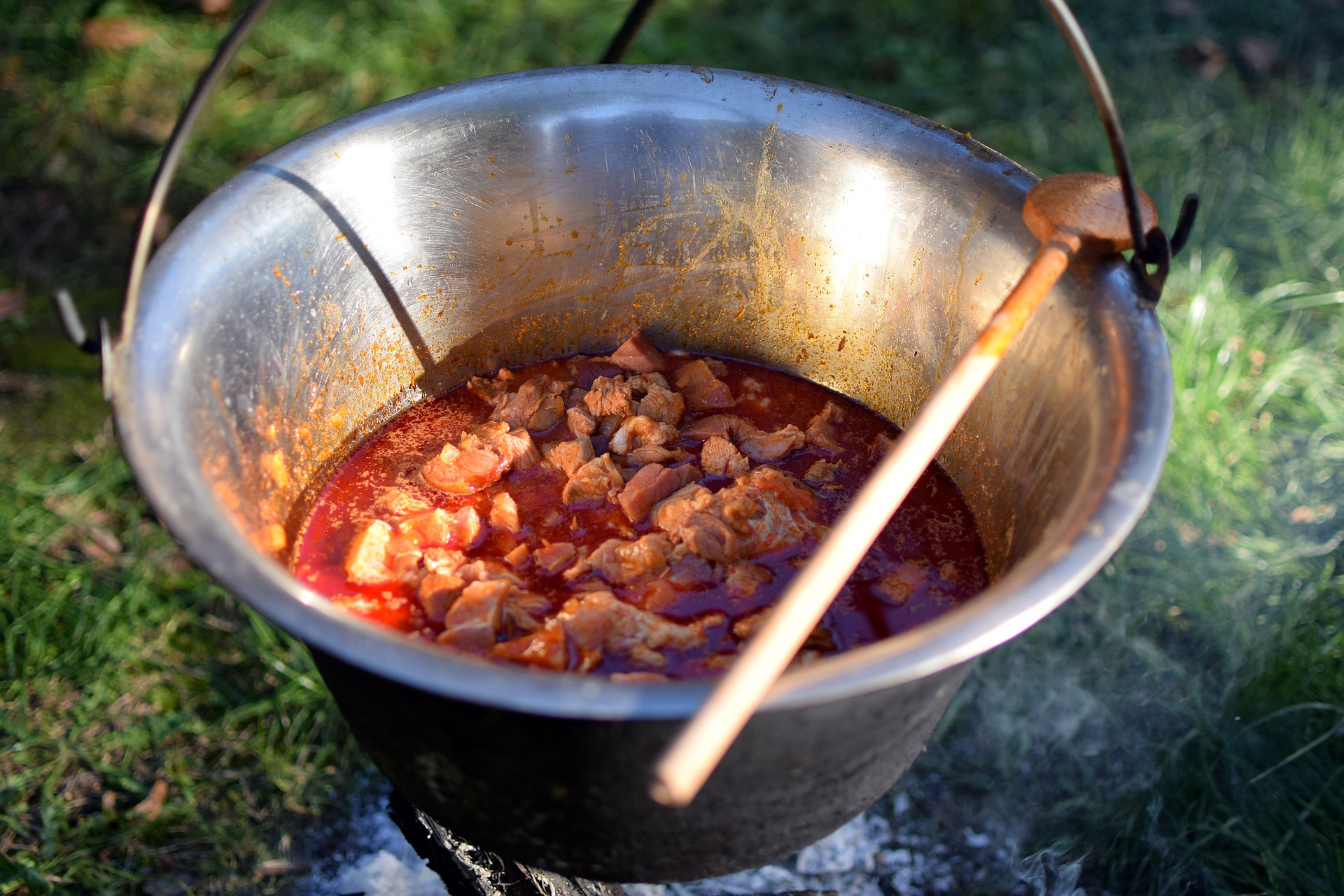
Photo: Pixabay When the public is fed.
NÉBIH's new thematic website (https://portal.nebih.gov.hu/kozetkeztetes) supports public catering tenders in several ways: contracting authorities can find out about the results of the Quality Driven Public Catering Programme (QDP) and the catering enterprises, while caterers can use the site to „find” suppliers (e.g. producer groups, market operators, small producers).
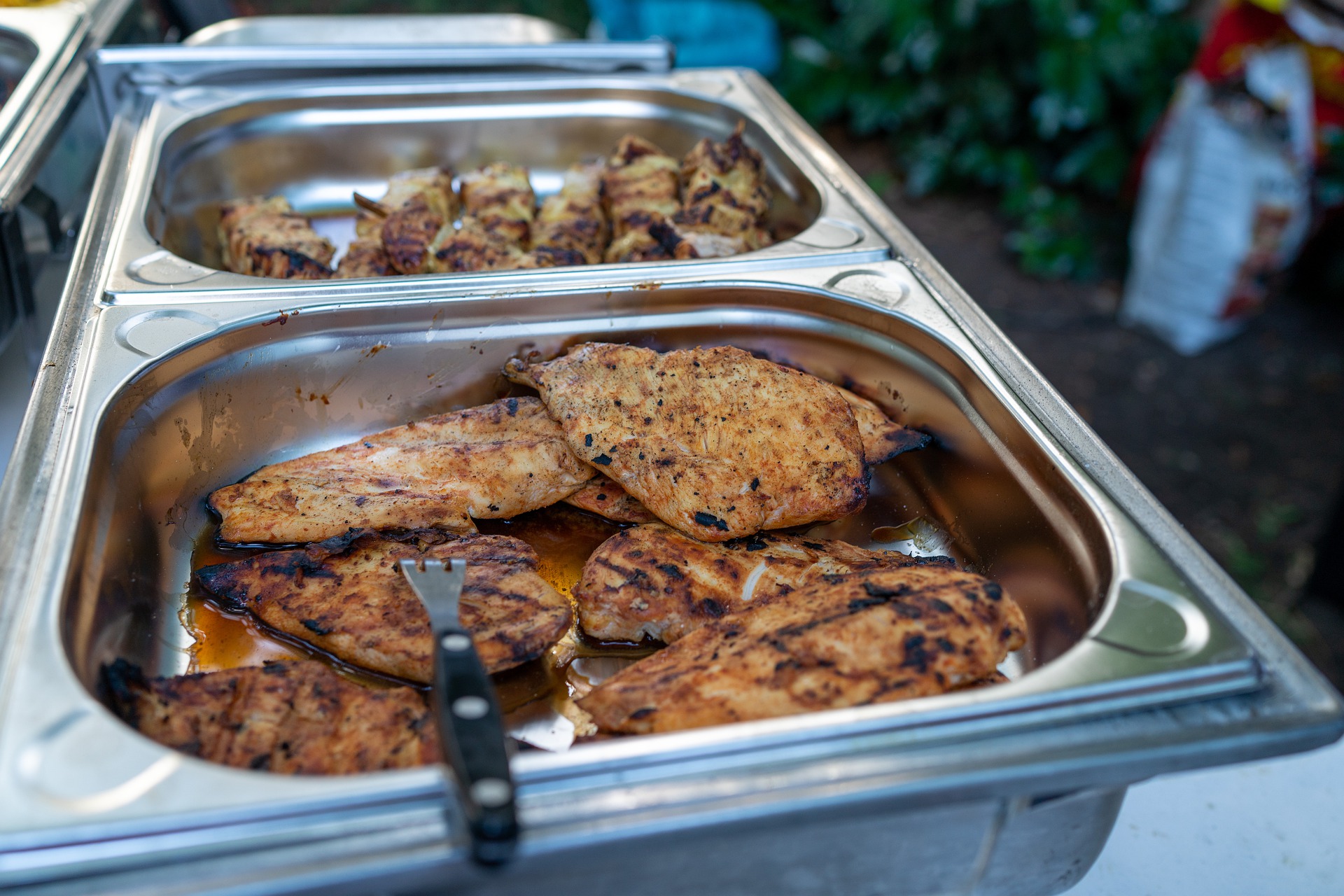
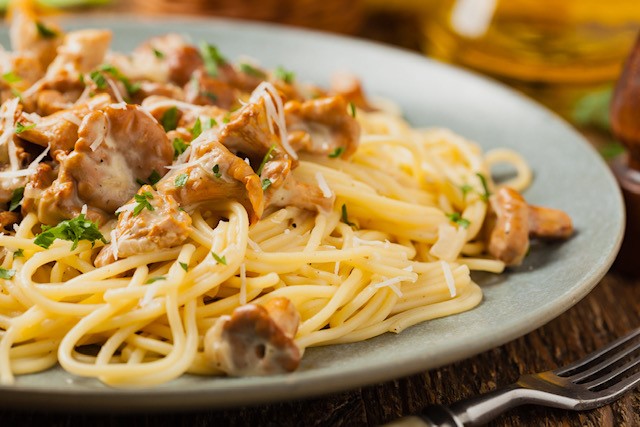
Photo by Pixabay Public catering is a key segment of the hospitality industry
Consumers may be interested not only in the MKP rating of cooking and serving kitchens, but also in the results of sensory testing of lunches from child catering. The „grades” of menus, rated on a five-point scale from „fail” to „excellent”, are available on the website in a filterable, searchable format.
MATUSZ-VAD at the service of public catering
MATUS-VAD's products and services are relevant in many areas. This also applies to catering. It is worth browsing through the portfolio, because this is the topic that affects the way we eat every day.
Source: portal.nebih.gov.hu
Photo by Pixabay