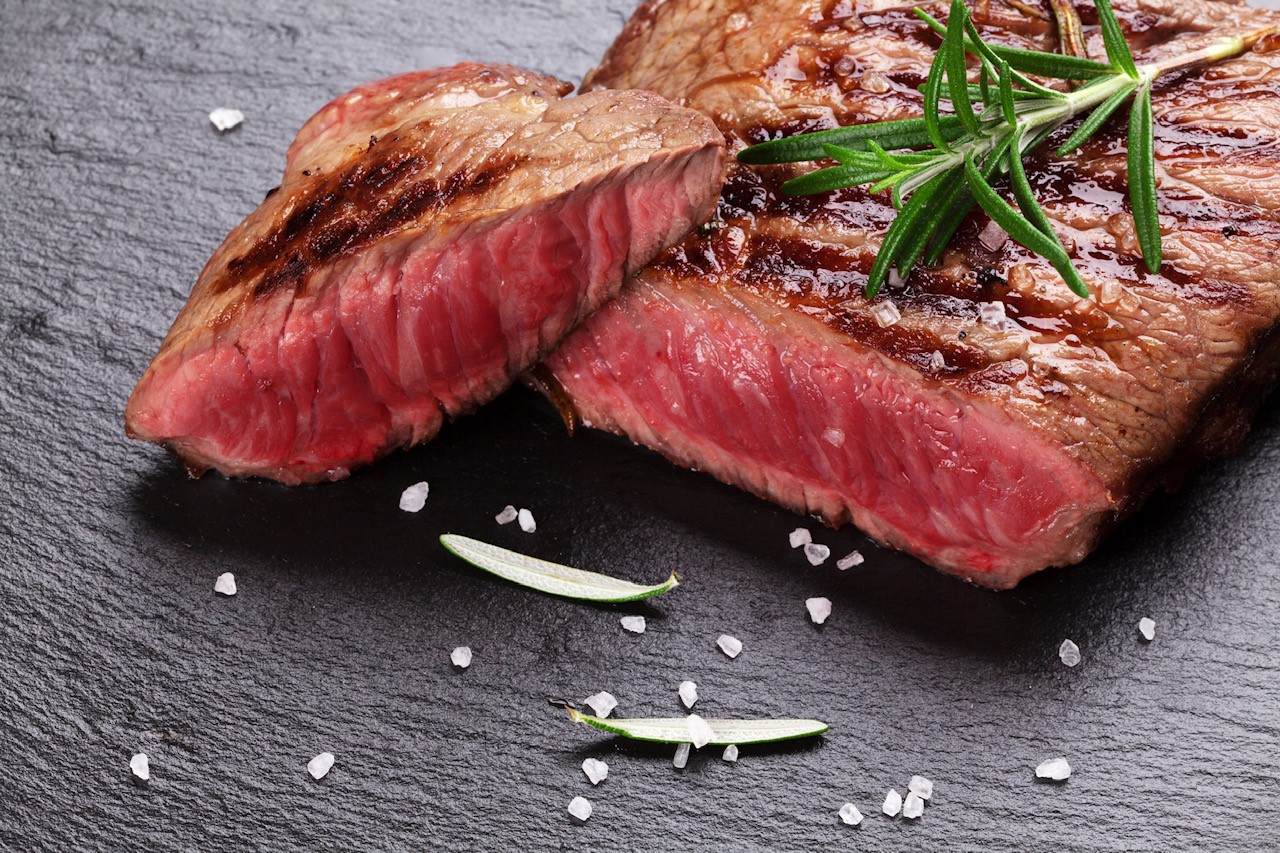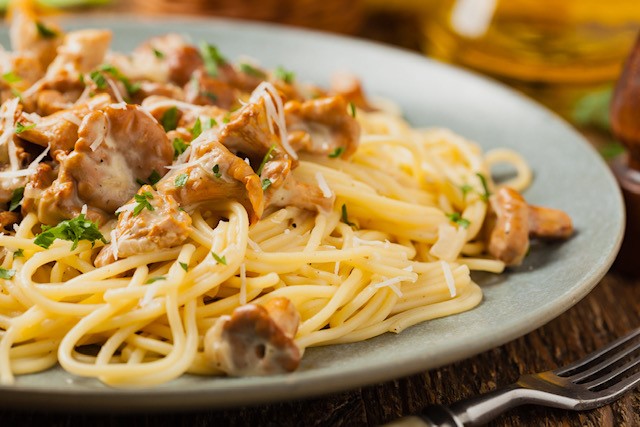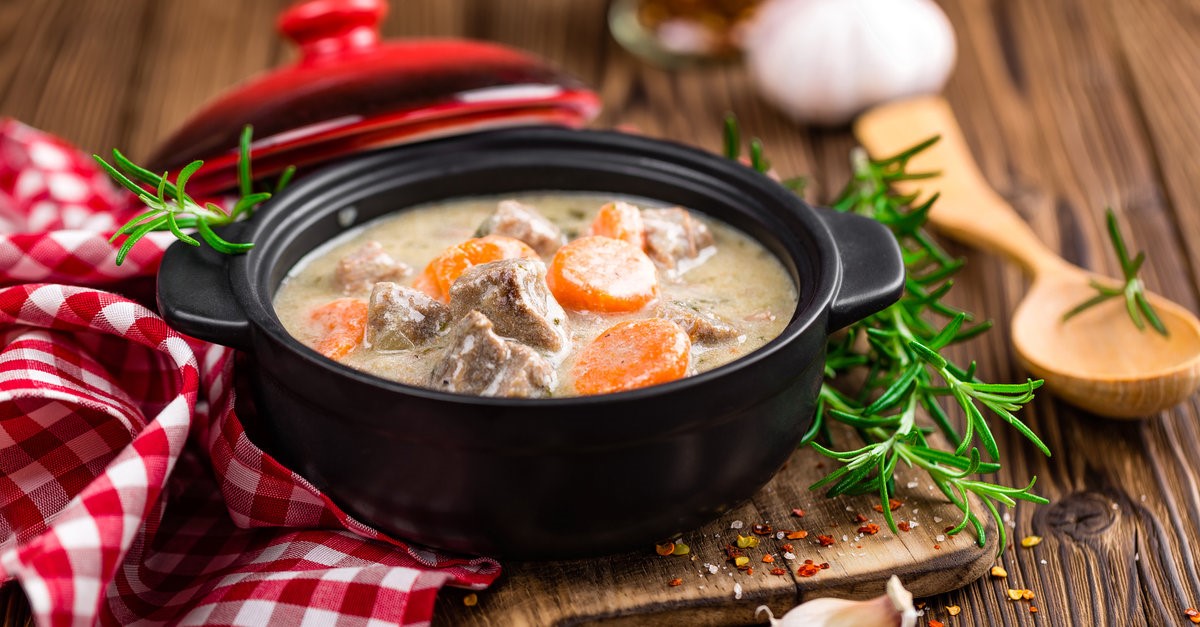







You could call it the gold of the kitchen, the heart, the flavour and the soul of the ingredients, which is also the real butter. It can be used to cream, thicken and polish, as well as to brown and as a base for perfect pasta, among its many other qualities. real butter.
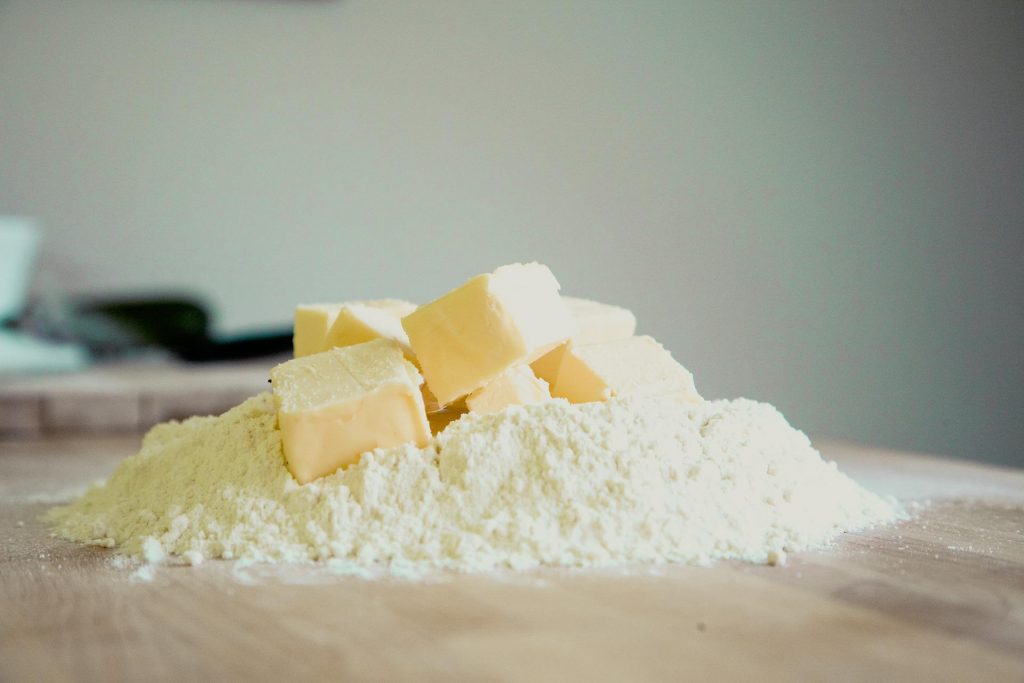
How do we know about good quality vajat?
It has a fat content of at least 82% or above, is not curdled, is not suspiciously yellow, and has a firm consistency when cold. There are salted and “sweet” versions, depending on what you want to use it for. It should be noted here that in foreign supermarkets you will hardly ever find unsalted butter, or only rarely, although the salt content of butter is very important. Salt binds the gluten in the flour, and it is easier to control the amount of salt if we do this in principle and not if the product is already salted.
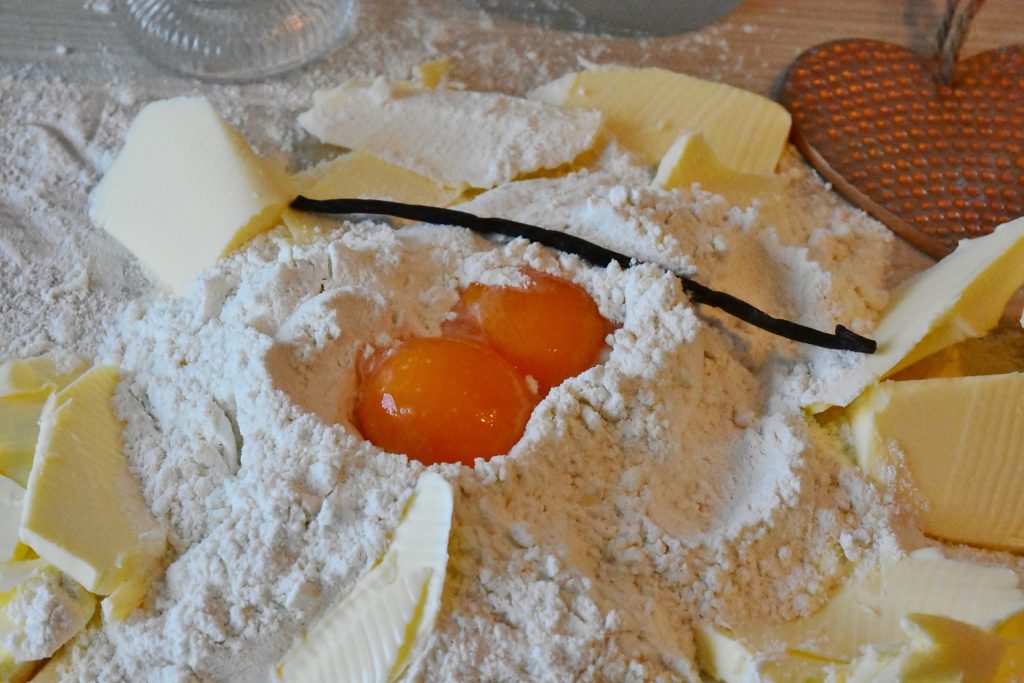
Why is butter a good fat?
It is the first to serve culinary delights, which means that it is very rich, very creamy and melts in the mouth, which no other type of fat can replace. From real butter has a melting point of 98.6 degrees Celsius, the same as our mouth temperature, so it melts smoothly, which is not the case with vegetable fats. That's how we know if it's a vegetable fat or a fake butter, because we can feel the grease on the roof of our mouth and it sticks to our tongue. Apart from being a very tasty and succulent fat, it can also be used to make a very tasty and succulent fat. If you heat it even further after melting, it forms brown butter, which is another flavour in your food. It should be remembered, however, that butter can burn and start to smoke in a matter of moments, so it's worth combining it with oil if you're going to be cooking for longer.
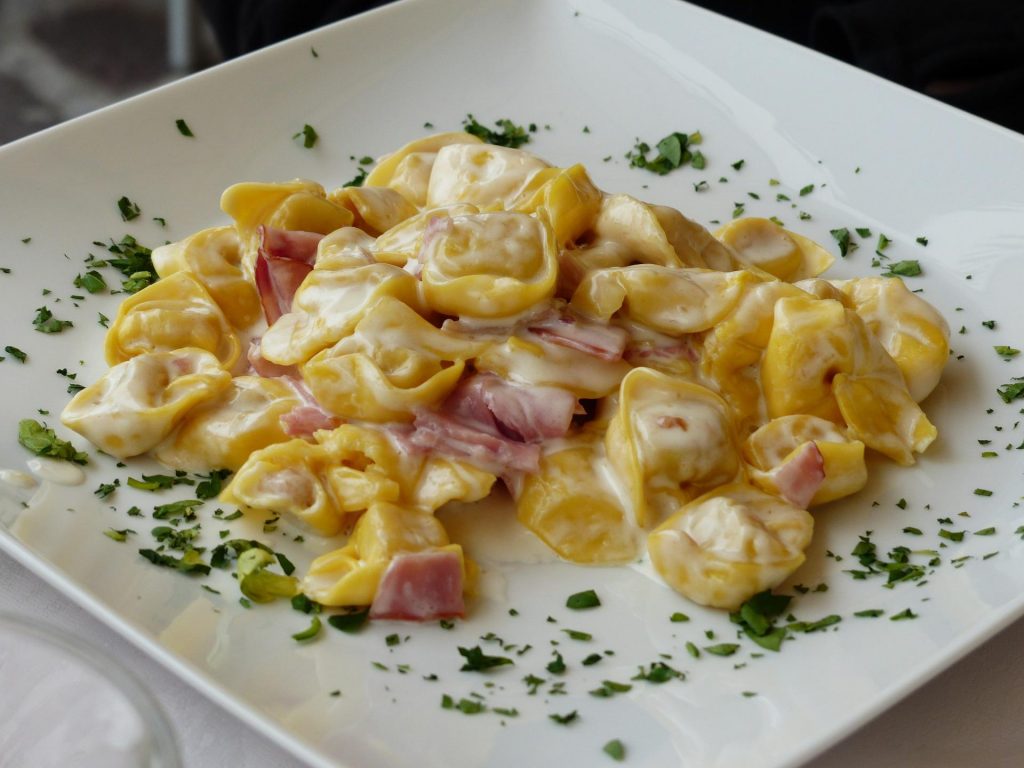
Using real, animal-derived butter gives food a different taste. It makes pasta, sauces, and freshly baked products more succulent, sweet and spicy.
Worth using butter: scones doughin, pasta sauces, sauces, pastry creams, as a base for butter pasta and for browning meat, vegetables and fish.
Butter is expensive. How to use it economically?
It is worth bigger, economical packagingand then use it in combination with other fats. For sweet and savoury cakes, the use of high-fat animal butter makes a big difference in taste. However, butter is not cheap and is therefore used by many people, but in an economical way. For example, butter can be blended with animal fat, such as pork, mangalica or duck fat. For chilled scones and dry, savoury cakes, a combination of the two animal fats is even good. If you are frying crusts for meat, fish or vegetables, add olive oil to the pan with the melted butter so that the butter doesn't burn, but the flavour is still perfect.
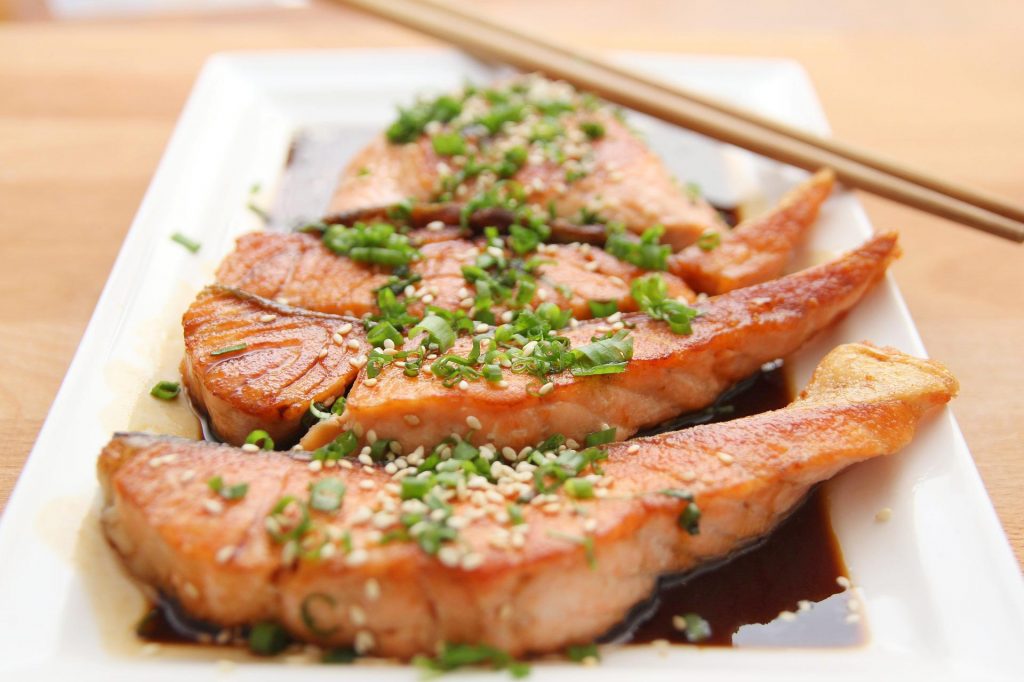
Did you know? When heated, the butter develops a beautifully succulent flavour as the milk solids (proteins and sugars) caramelise during the heating process, which you will taste in the desired base.