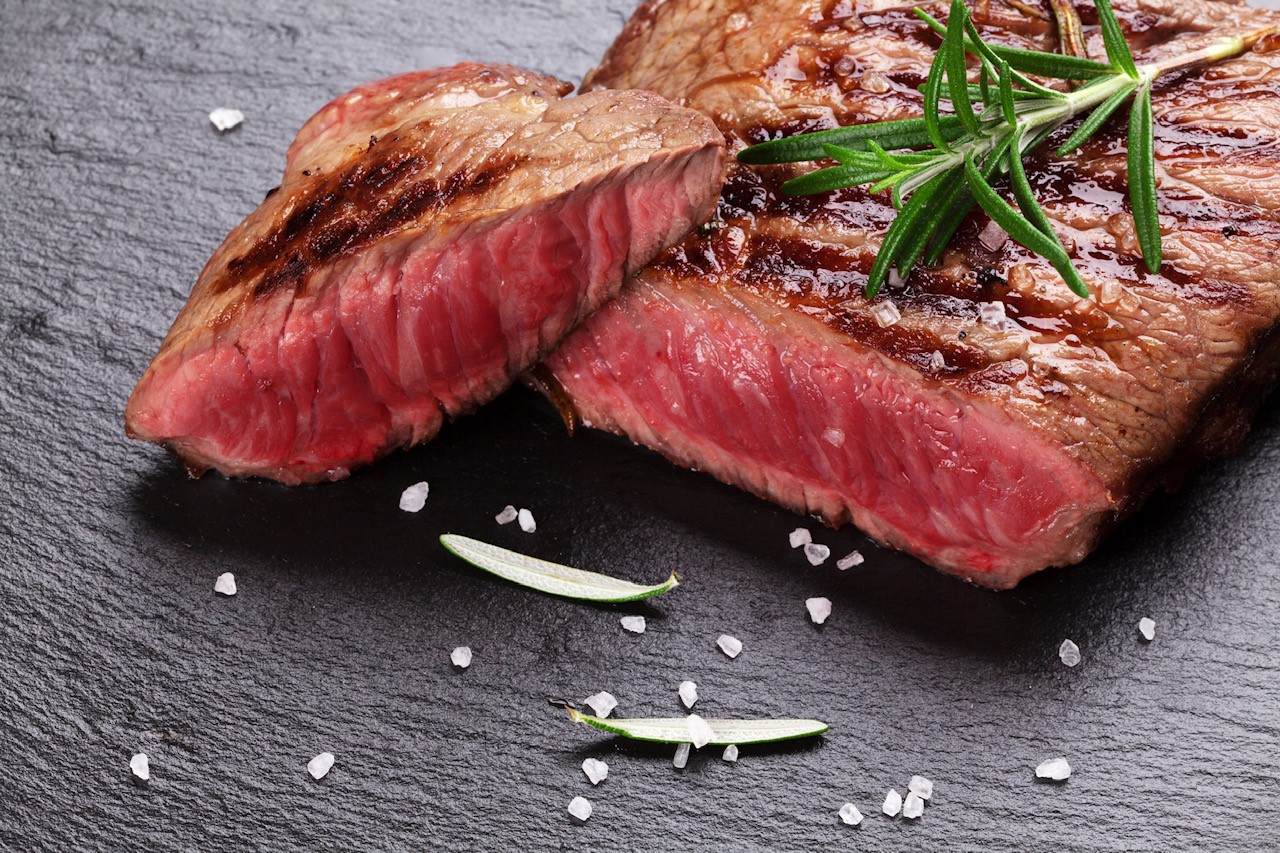







The first and most important thing to make clear is that a steak is the same as a kidney steak. Both names have their justification, since it is the colour of the beef and the cut of meat is cut from the kidney.
Looking at the price, it's not hard to see that this is a speciality, a festive dish, although you also have to take into account the kind of animal you're talking about. In Hungary, it is common to see aged dairy cattle being weighed out at the butcher's for 3500-4000 forints per kilo, but better quality cattle cost much more. Wagyu goes for 80,000 a kilo and kobe for 300,000, but you can find delicious stuff in between the extremes.
„Just once in your life, you should eat a nice, well-prepared piece of beef”

- suggests Dániel Kiss, creative chef of Matusz-Vad, who was asked to fill readers in on the details.
- You can be so disappointed that you never want it again, because it's easy for a novice cook to spoil this noble meat at home. If you do, be sure to check the internet and social media first, where you can find lots of good recipes. But what the beginner needs most is patience, because after frying the cutlet for 2-3 minutes on each side, the meat needs to rest, then return it to the pan to be perfumed with butter and spices, then set aside again, and only then is it ready. It's important not to overcook, so rare or medum rare is the recommended quality, which in Hungarian means rare or medium rare. The patience is needed to wait for the meat to rest, not to cut off a piece of it or poke it. The point is that once the meat has a crust, the juices can no longer escape. But if you break this coating with a fork or a thermometer, the meat will dry out and become unpalatable. Otherwise, be prepared for the fact that your first one or two steaks will not be perfect, tender, juicy and crumbly, and a lot depends on which part of the beef you try to use, as there are some cuts that are inherently chewier.
- Before we get to the finest cuts of beef, please clarify what a fake sirloin is. A few years ago, it was discovered that pork was being dyed with blood in an attempt to sell it as beef in the hope of making a profit.
- Even a good housewife with good eyes can tell it's a pig. Its size, its veins, its elasticity, its fibres are a tell-tale sign, and I don't think the colouring can be perfect. The „real” false rind is in the thigh of the beef, the white rind under the rump, which can be skilfully broken down. It's the same nice colour flesh as the sirloin, but drier, and never as marbled and veiny. Thinly sliced, it's delicious in a cold dish, but you'd be hard-pressed to get a 20-ounce piece as a steak. I'd prefer it steamed, but some people smoker it, or smoke it. Buffets often serve steamed roast beef, usually made from white bacon, with a vegetable brown gravy or cranberry sauce.
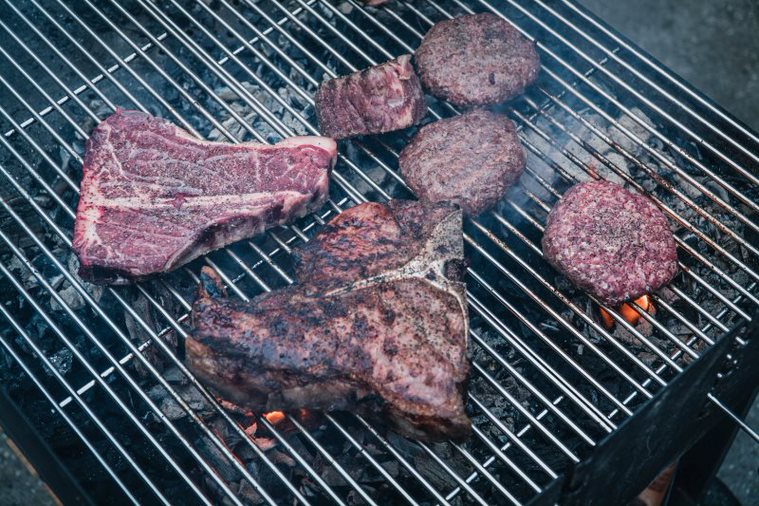
- See London and eat a real T-bone steak in a pub! Those who have tried it say it doesn't get any better than this.
- I can believe it, because it has both tenderloin and sirloin. You have to be careful, as the two types of meat do not take the same amount of time to prepare, and professional kitchens have special tools for this. Home practices include covering the meat with a plate, but this is no good because the steam remains underneath and then the steak is already braised. A better solution might be to use a convection oven heated to 40°C, put the meat in for 5 minutes and play with it. You can serve it with the classic green peas and mashed potatoes, but sweet potatoes roasted in their skins are in fashion these days, or marinated green beans wrapped in bacon and grilled vegetables go well with it. For summer, I recommend a salad as a side dish, with a green herb dressing.
- It is still rare to see a T-bone steak on the menu here. Why is that?
- It's difficult to prepare and expensive, but there are now good steak houses where you can order it. But where steaks are more popular, T-bones are only ordered once a month at most, so they can't always serve fresh.
- This means we have a better chance of getting a delicious rib-eye steak.
- It is a high sirloin, the middle part of the roast, one of the world's most popular steak varieties and is eaten with or without bone. If a rib is left inside, it is called the tomahawk steaks, giving the dish extra flavour from the fat between the meat and the bone. It's a little cheaper than steak, but it has more character, and let's not forget that not everyone likes beef because of its nutty flavour. But if you like a good red meat that's cupcakey and sticky, you'll definitely find that in rib-eye.
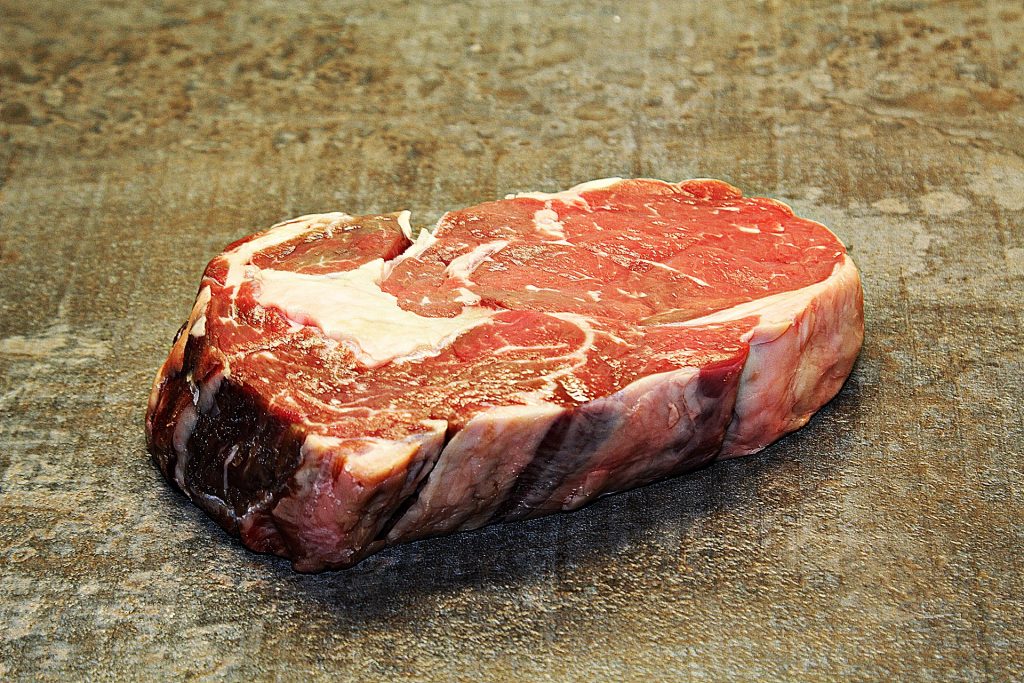
- What is loin in pigs is sirloin in cattle.
- For me, this is my favourite because you can make a delicious meal out of both the cheaper and more expensive parts, either stuffed or steamed. If you roll it out thin, spread it out, fry only one side, then brush it with some kind of sauce, roll it up, it stays nice and bloody, pink, soft and crumbly in the middle. It has a stronger texture than sirloin, but it has a similar marbling to it, but it's cheaper than it, at about two-thirds the price. It is also worth mentioning the rissole, which is cooked, steamed or boiled in one piece and then sliced to taste. And don't forget the teres mayor, known in German as Metzgerstück. This is the leg muscle on the back of the shoulder blade, one of the softest parts of the animal, which again makes a great steak.
- We started the conversation with the idea that we should eat a nice beef at least once in our lives. What would you recommend for beginners?
- I'd start with a good stew of beef cheeks or cheeks, something juicy here in Hungary. But if you're starting with steak, I would definitely recommend steak. For those who want to prepare it themselves, I suggest starting with small, 2 cm thick steak slices, medallions, with fresh salad or grilled vegetables. Fry for a very short time, 2-2 minutes, with a little butter at most, and you're done. When buying, look for tenderness and marbling, but of course, you can only do this if the meat is cut in half. Better places have little flags to show where the beef comes from, and they also tend to tell you what type of meat it is recommended for. As for the price, I think there is a psychological limit. I've had 300 grand worth of kobe that I don't think is worth that much. I would rather recommend a Japanese, an Australian or even a Hungarian wagyu, so you can go up to 40-50 thousand for those who know what they are doing, but you can make a great steak from a 15 thousand forint piece of meat. If you have a small group of friends, it is not such a big burden for 5-6 people to put together a sum of around 20 thousand forints, but they can eat well and live well on a kilo and a half or two kilos of delicious beef.#