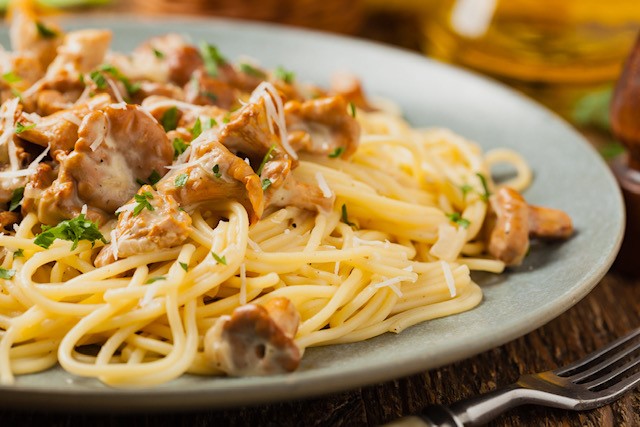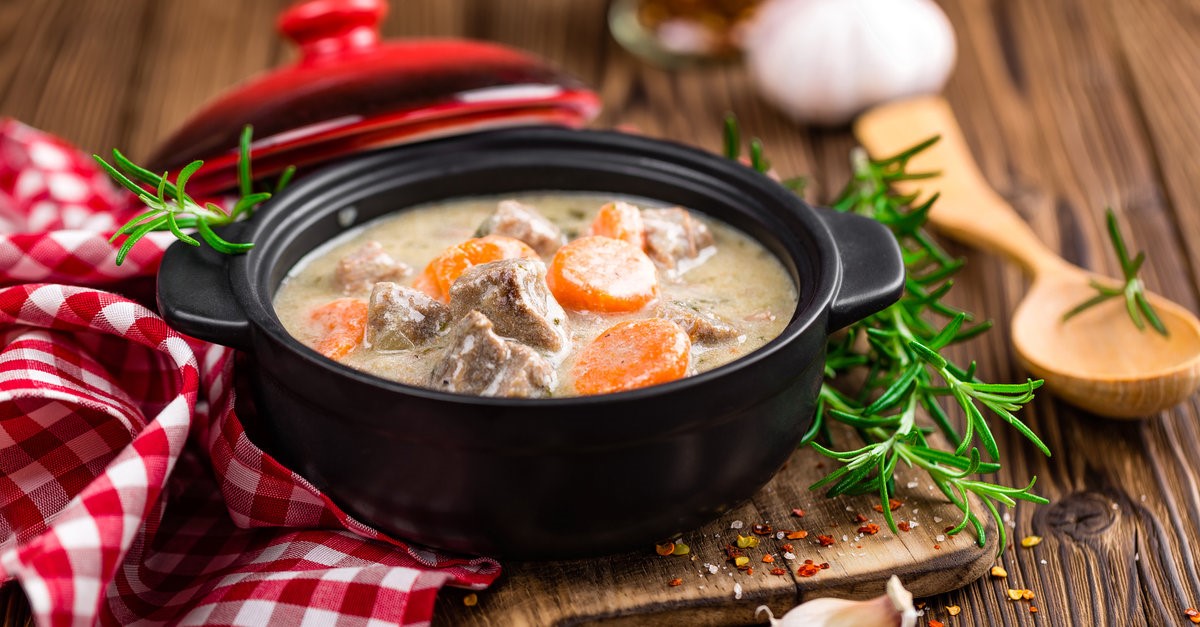







The falafel has become a much-loved delicacy around the world, thanks to its varied textures and its effervescent, spicy flavours. Its gastronomic uses are extremely varied, from cool street food to more elegant Middle Eastern dishes and even zesty salads. The falafel is based on cooked-dried chickpeas and fava beans, so it is rich in complete proteins and has exceptional nutritional value. It's no coincidence that it has become a favourite with vegetarians and vegans, as a meal of pasta or hummus can be made just as succulent and tasty with falafel as with veal or even chicken.
Everyday delicacy
We know that the falafel originated in Egypt, but it has become a cornerstone of gastronomy throughout the Middle East. It's hard to walk down a street in Lebanon, Israel or even Turkey without bumping into a to a falafel place. Most popular way to consume it is hot, into a soft pita will be fresh vegetables, tahini and some kind of yoghurt-based sauce. This fantastic dish is also a link between communities: there is a long tradition of sharing falafel in local markets and community spaces. Just like in Naples, a slice of for pizza or in New York in a hot-dog.
Preparation, technology
Making a falafel is a very complex and time-consuming task. The process involves soaking, cooking, grinding, flavouring and chopping several types of pulses. There are many recipes and processes, but the main ingredients are: chickpeas, fava beans, coriander, parsley, garlic, shallots, dry spices. Different countries, regions and chefs, different flavours...
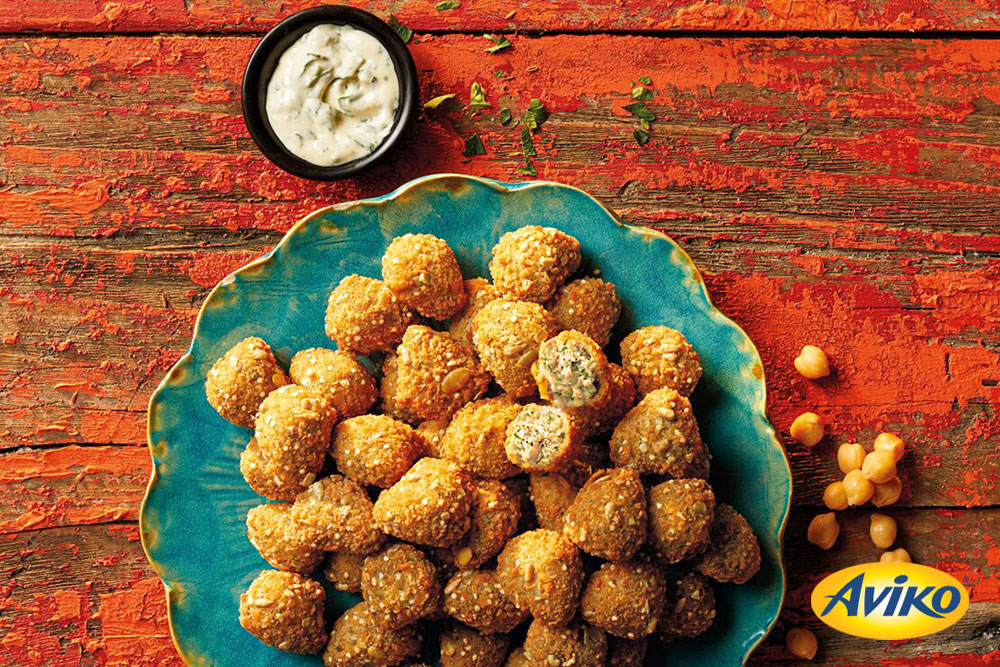
Authentic restaurants usually buy their wood from a trusted manufactory or a larger production plant, while it is still raw and hot, in a rich fat (in vegetable oil). The main task for restaurants is to find the right garnish and presentation for this excellent ingredient, which can be anything from a soup topping to a cool sandwich. A great help in this creative work can be the Aviko a super wall rim that's handy to store, portion, and lightning-fast to prepare (it cooks in just three minutes in the fryer).
The universal gastronomic staple
As the above lines have already shown, the genius of the falafel lies in its versatility and practicality. It is often served as a warm starter in restaurants or as a warm, filling element of a fresh salad. In salads The overwhelming flavour of pomegranate and fresh coriander go very well with it. Fresh chillies and a few drops of lemon juice also go well with it.
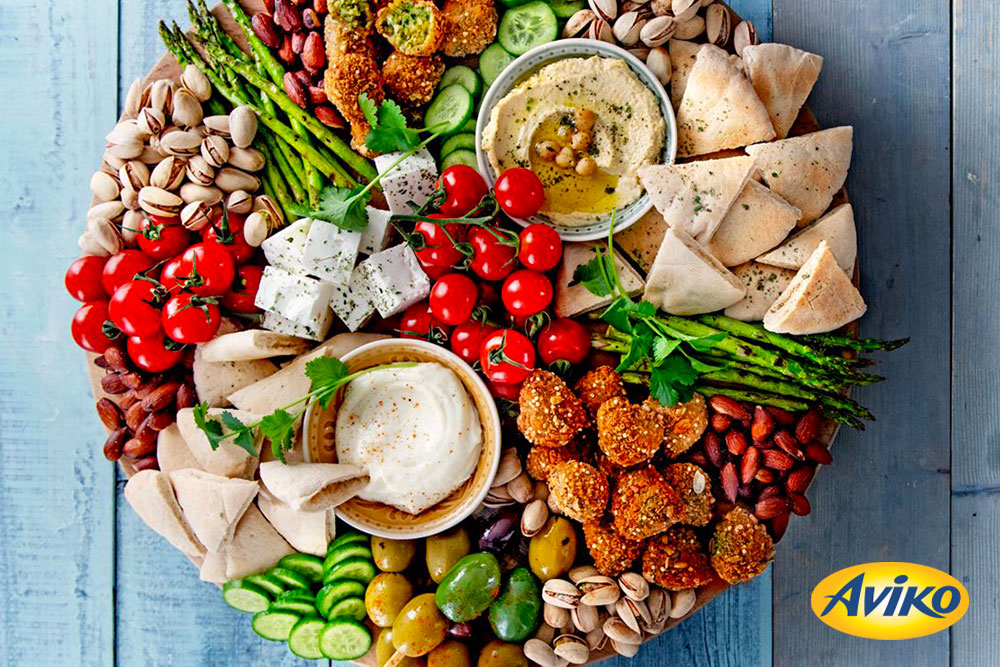
In the Middle East, it is an indispensable ingredient of mezzes (equivalent to brunches in Western Europe). It can also be an outstanding addition to an exciting red lentil soup or broccoli cream soup.
On the street stalls and streetfood in some places, falafel is served in sandwiches or pies, often accompanied by creamy hummus - and for good reason, as it is a quick, filling and delicious way to make a complete, but quick-to-prepare, everyday lunch. It can also be a proud ingredient in gyrostalas, either as a main course or as a special accompaniment to meaty items.