





There are clearly some local fish that are a favourite of both caterers and home cooks. In our country, carp is the clear leader, while amur has slipped off the podium, followed interestingly by hake and tuna. Many people don't know that amur is as easy to use as carp, but its meat is tastier and more elastic.
The Amur
From Amur belongs to the class of bony fish, the carp family. It is native to northern China and Siberia. It is no coincidence that it takes its name from the Amur River, which is the border river between Russia and China, and is widespread in the middle and lower reaches of the river. It is most at home in rivers, preferring to live in areas with fast currents. Its elongated, torpedo shape and muscular body are of medium size, and it usually weighs between 4 and 10 kg. Its size alone makes it a particularly suitable for kitchen use.
As a herbivore, it is used in almost all parts of the world to clean lakes, reservoirs and canals of aquatic plants. It is also adapted to standing water because of its breeding habits. It was introduced in Hungary in 1963.
Meat of amur
The meat of the amur is snow-white, which looks good on the plate. In addition, as it is mainly a river fish, it is highly mobile, so it builds up a very minimal fat cover. This makes the meat dry and easy to season. It is similar to carp, which is popular in our country, the only difference being that the smaller amur fish are more spiny. A Hungarian gastronomy to prepare the same dishes that are traditionally made from carp.
Although the nutritional value of marine species is higher than freshwater fish, it is also worth selecting native species for ecological balance. If you do your research, you might be surprised how much can be made into a delicious treat. It's worth putting them on the menu in as wide a range as possible, with Offer of MATUSZ -Vad also helps a great deal. It's also great for dieters, as it's one of the least fatty fish we have.
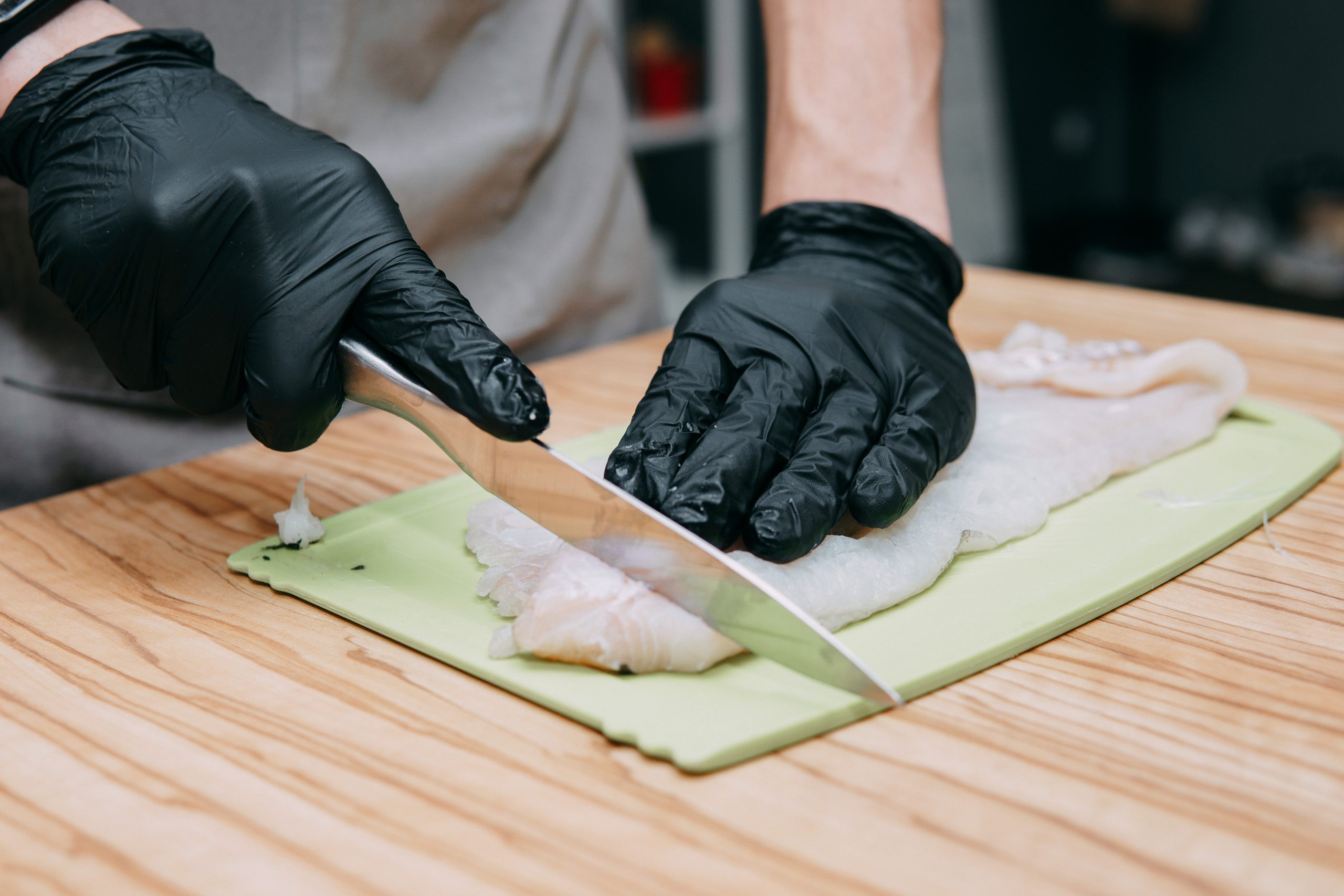
Photo by Envatoelements
Why fish is healthy
Fish meat is rich in vitamins D, E, A and B12. They contain large amounts of trace elements, zinc, selenium, calcium, magnesium, iodine and iron. They are one of our most essential sources of essential amino acids and Omega 3 fatty acids. Importantly, fish is low in cholesterol, but rich in minerals, the for the human body essential iron, phosphorus, potassium and calcium. Together, the nutrients it contains normalise the cardiovascular system, the digestive system and stimulate brain activity. Fish meat is a natural source of antioxidants that help oxygenate cells, slow down ageing and prevent many diseases.
Per capita fish consumption in Hungary is still far below the EU average. We consume less than three kilos of fish per year, while the EU average is 20-22 kg per person. And all this when our country's endowments should put us among the leaders in freshwater fish consumption. Increasing this average can of course be achieved through changes in social practices and habits, in which the supply of fish in restaurants also plays a major role.
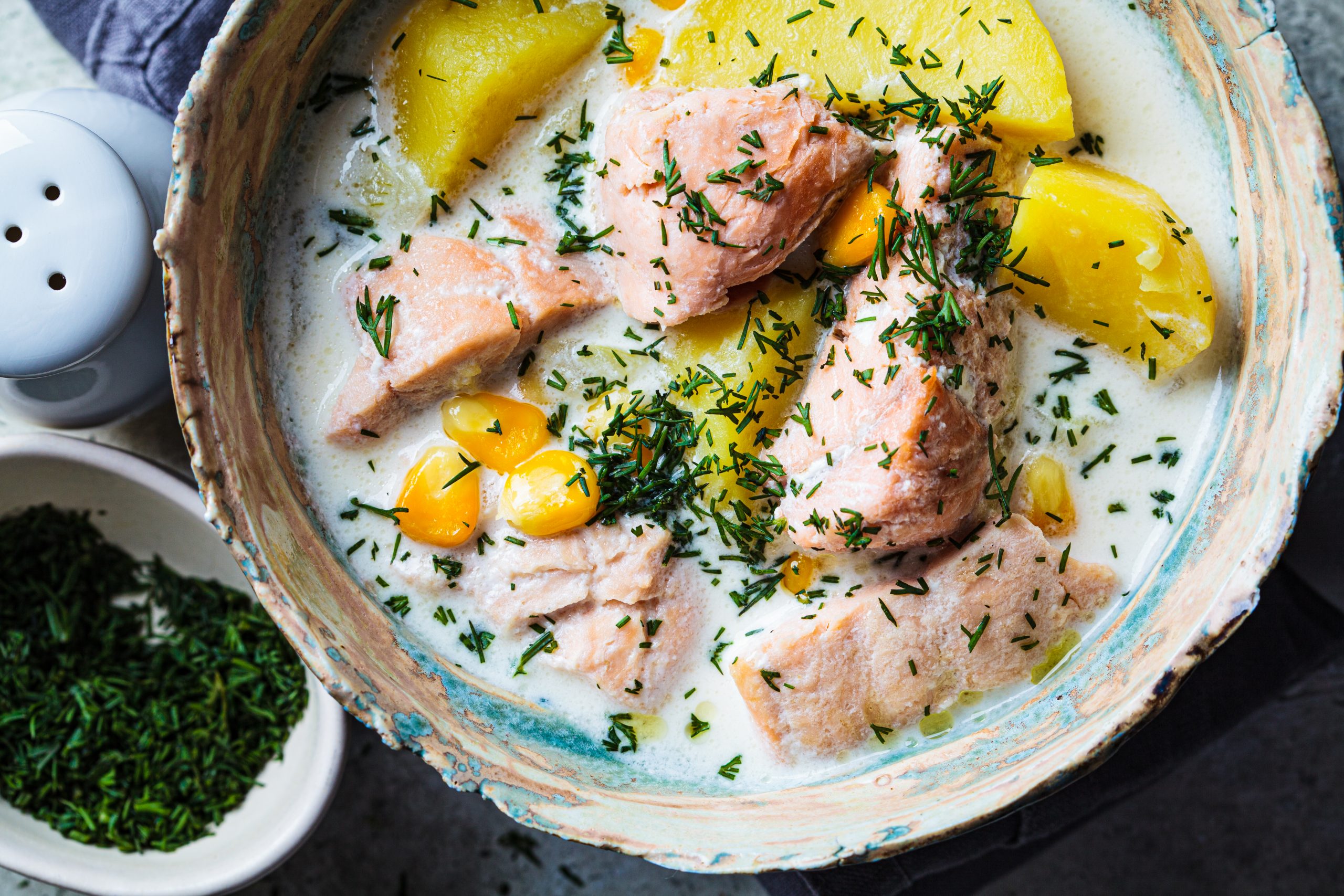
Photo by Envatoelements
What to make with amur?
It can be used in any dish where carp is used as an ingredient. The meat is very tasty and nutritious. It goes very well with garlic, spinach, sour cream, lemon, dry white wine. It can be used in excellent dishes such as amur on a bed of potatoes with vegetables, amur with spices and cream, amur ragout, amur in a bundle, amur with butter and garlic, amur stew, amur in a stew, amur in a chowder, amur in a pan.
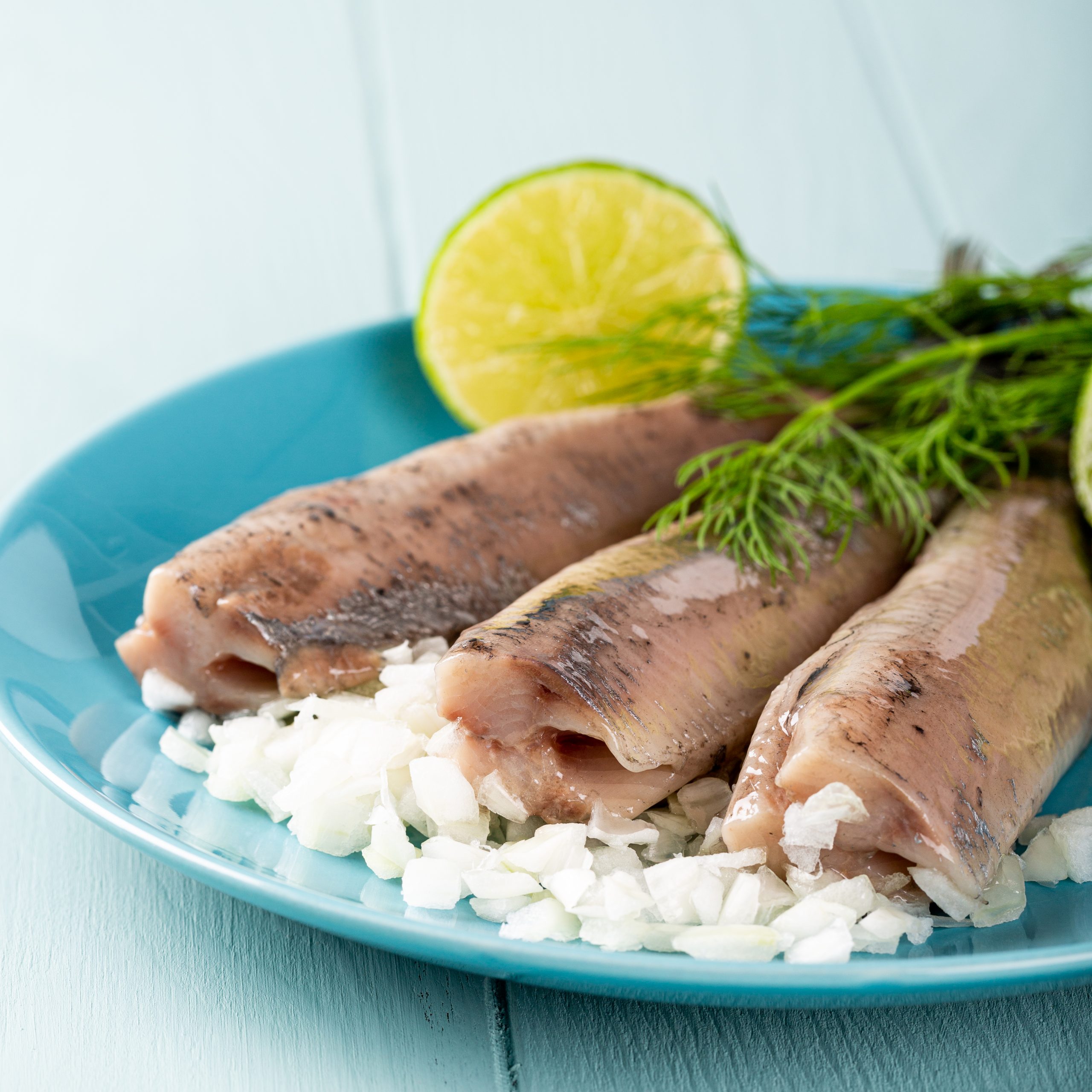
Photo by Envatoelements
Simple amur recipe: whole amur baked in foil
Ingredients: 1 medium amur, lemon, honey, tomato, salt, pepper, garlic, olive oil.
The fish is cleaned and rinsed. Rub with olive oil, salt and pepper. Stuff with tomatoes and garlic and place in the pre-gutted pan. Place the rest of the tomatoes and garlic on the side, add lemon slices to taste and add a little water. Cover with foil and bake in a preheated oven at 200°C for about half an hour.