





Cabbage is healthy, cabbage is good, cabbage is encouraging. We can't go wrong with cabbage in our kitchens, because it's raw materials which can be prepared in a variety of ways and contains many valuable nutrients. With the arrival of the winter season, after Martin's Day, the traditional cabbage favourites on the table. These classics not only make delicious everyday meals, they also provide a healthy, nutritious diet for us all.
Cabbage noodles, kale stew, Székely cabbage, cabbage casserole. What do they have in common? The fantastic cabbage, a popular and healthy staple of Hungarian cuisine. Autumn and winter are the real season for cabbage. The European Fresh Team has now investigated this. They are committed to showcasing Hungarian producers and ingredients, to boost healthy eating and the results of a sustainable domestic economy. But they want to increase the consumption not only of cabbage, but of all vegetables and fruits, so that the Hungarian population reaches the WHO recommended minimum of 400 grams per day, which is very important for health promotion and conscious nutrition in terms of.
The cabbage
Cabbage was known and eaten in ancient Greece and Rome, although not in the forms we know today. Today, the most popular types of cabbage are cabbage, red cabbage, Chinese cabbage and kale. The many benefits of cabbage make it an important food in the European diet. They contain high levels of vitamin C, folic acid, potassium, selenium, fibre, antioxidant flavonoids and glucosinolates, among other phytochemicals. In addition to their high iron and calcium content, they also contain vitamins A, B6, B12, D, E and K. They thus contribute to optimal immune function, play an essential role in haematopoiesis, support eye health and are involved in the protection of skin, bones and teeth.
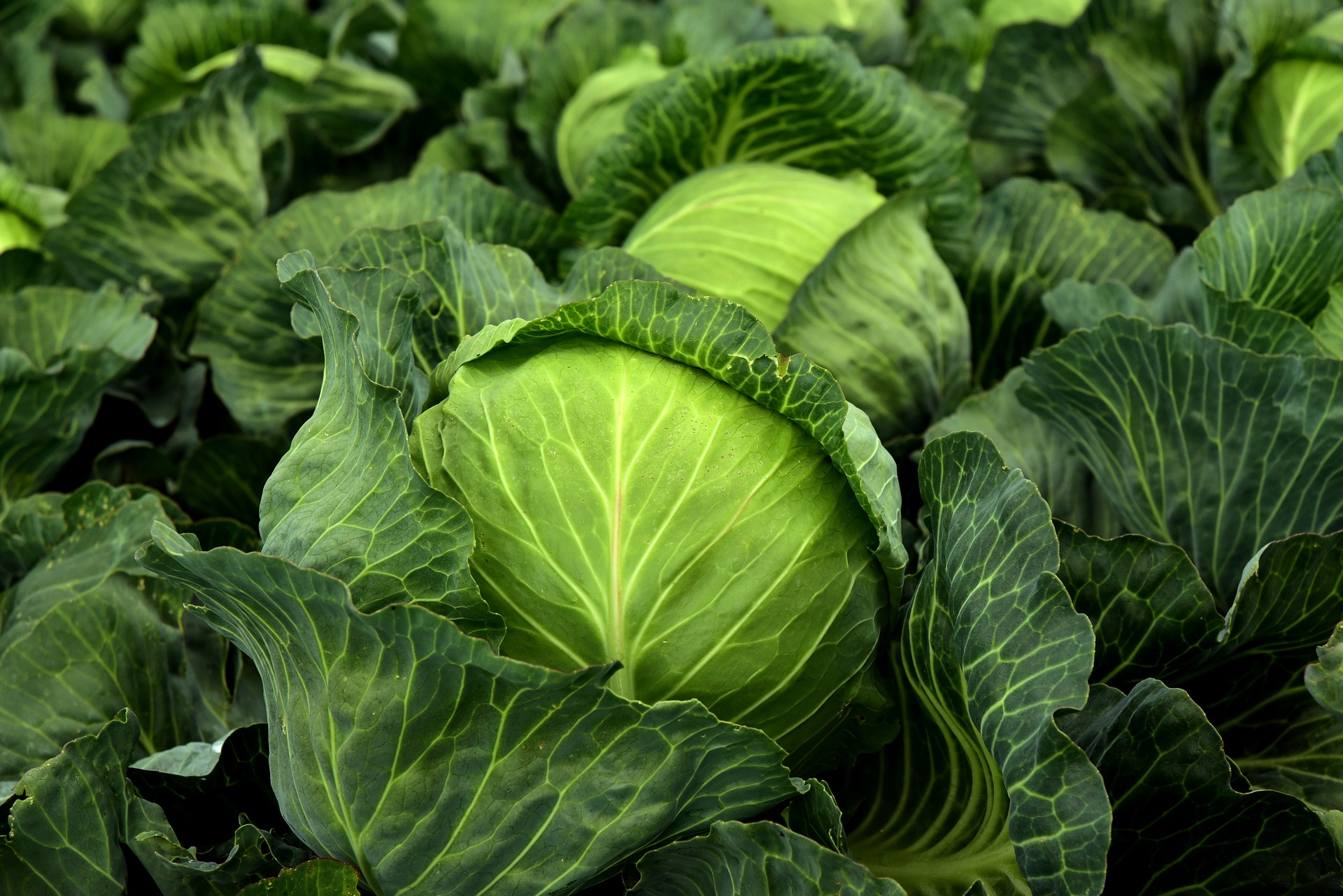
Photo by Pixabay
The cabbage season starts in November
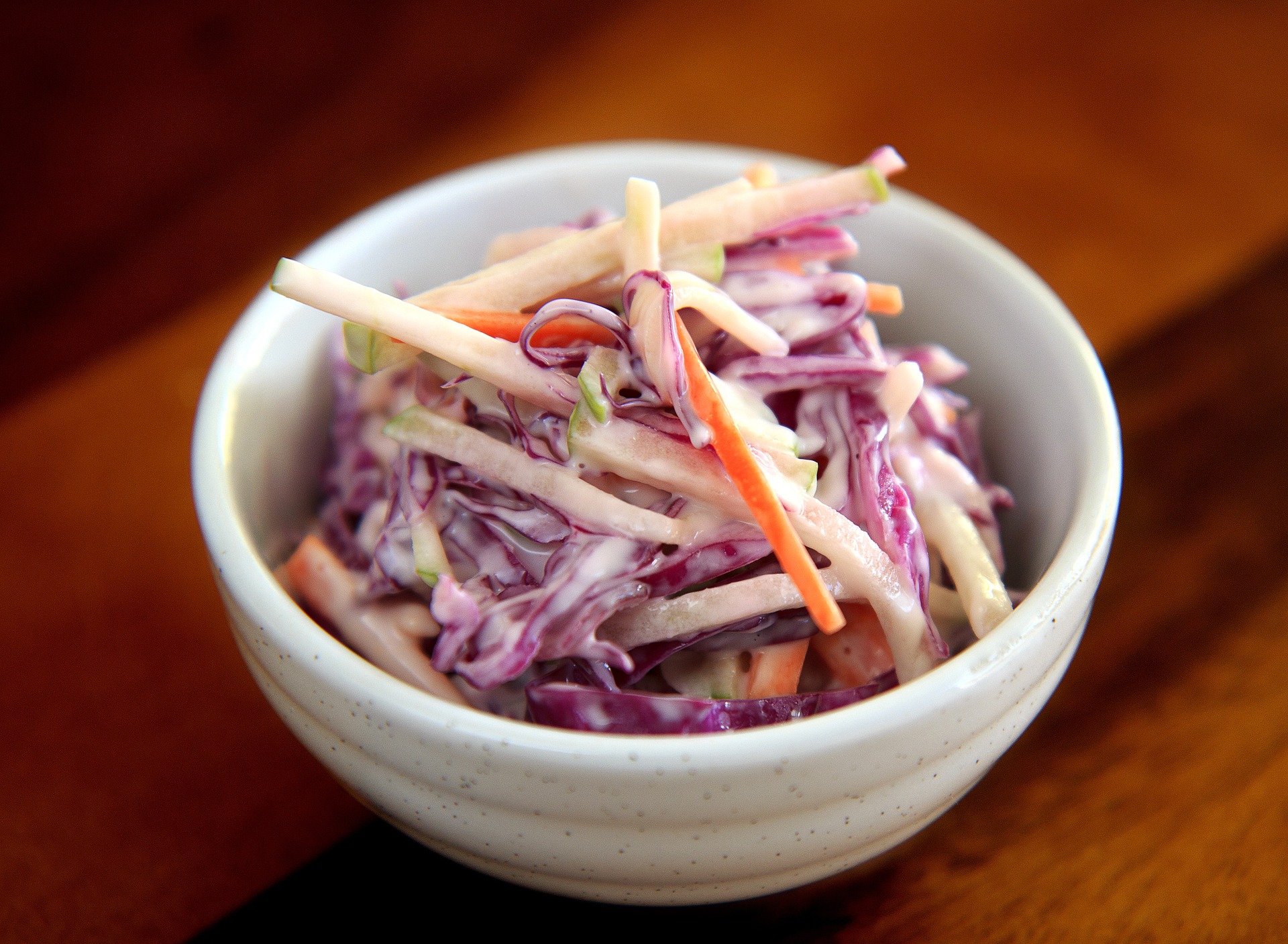
November is the season for traditional cabbage dishes. This is no coincidence, as people have much more time to prepare their kitchen be active. Food preparation is taking centre stage in the household and we are already starting to think about festive dishes. The usual cabbage dishes are joined by the slightly heavier autumn and winter dishes. For example Martin's Day goose menu is almost unthinkable without a variety of cabbage side dishes: steamed cabbage, sauerkraut, cabbage and potatoes. Stuffed cabbage comes at Christmas, cabbage soup at New Year's Eve, and purple cabbage with pig's trotter is available all season long. Just thinking about these dishes alone makes us want to make a meal with cabbage.
What can we make from cabbage?
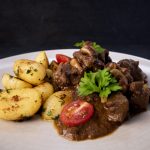
In addition to their many positive effects on our health, the great advantage of cabbage is that it can be prepared in many different ways: as a soup, main course, side dish or even as a dessert, for example, cabbage strudel. Cabbage noodles, kale stew, sauerkraut, cabbage casserole, kale casserole, Frankfurt soup or cabbage with tomatoes are all dishes that are often served in families, and they are all based on cabbage.
Cabbages are also very well known to dieters, as they are low in calories and can be eaten with confidence. Cabbage soup is also the basis of a well-known diet method. Sauerkraut is not only a perfect choice for dieters, its high vitamin content makes it worthwhile for everyone to eat it regularly, both as a pickle and as a side dish.
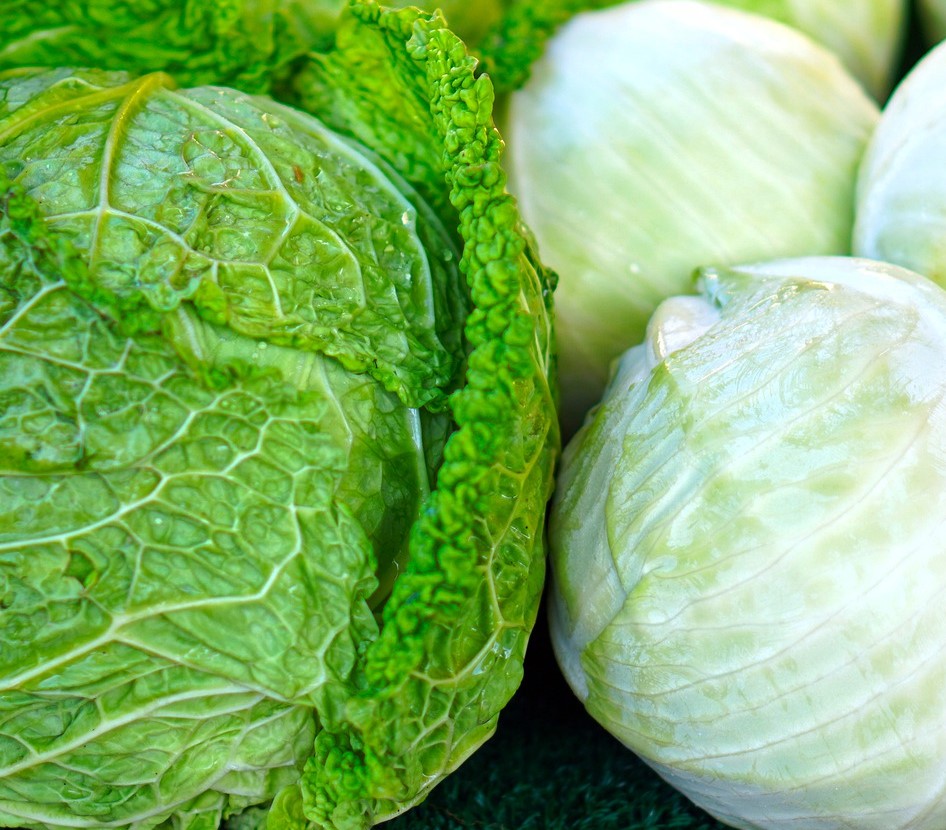
As with most vegetables, cabbage is recommended to be eaten raw for its health benefits. As a salad, they are an excellent nutritious food. Cabbage salad is a great accompaniment to meat dishes, either as a side dish or as a pickle.
Most children are not usually keen on cabbages, but it's worth a try and you can use a little trick. For example, take a few cubes of potatoes out of the kale stew, set them aside, then mash the stew together and put the potato cubes back in at the end. You can also use the cabbage to make cream soups, which can be served with toasted almonds and pumpkin seeds.
Good to know about preparing cabbage
- It's a good idea to season the cabbage with cumin, because the flavour goes really well with it and it also helps digestion!
- Sauerkraut can be made into an easy-to-prepare, healthy side dish by baking it in a lightly oiled or greased pan. It is important not to add salt!
- Cabbage salad is less popular with children. It is therefore worth trying the mayonnaise version, even lightened with a little yoghurt.
- You can also add a splash of colour to your food or salad. Cabbage can be combined with red cabbage and carrots. This healthy delicacy can be served with grilled dishes or even burgers.
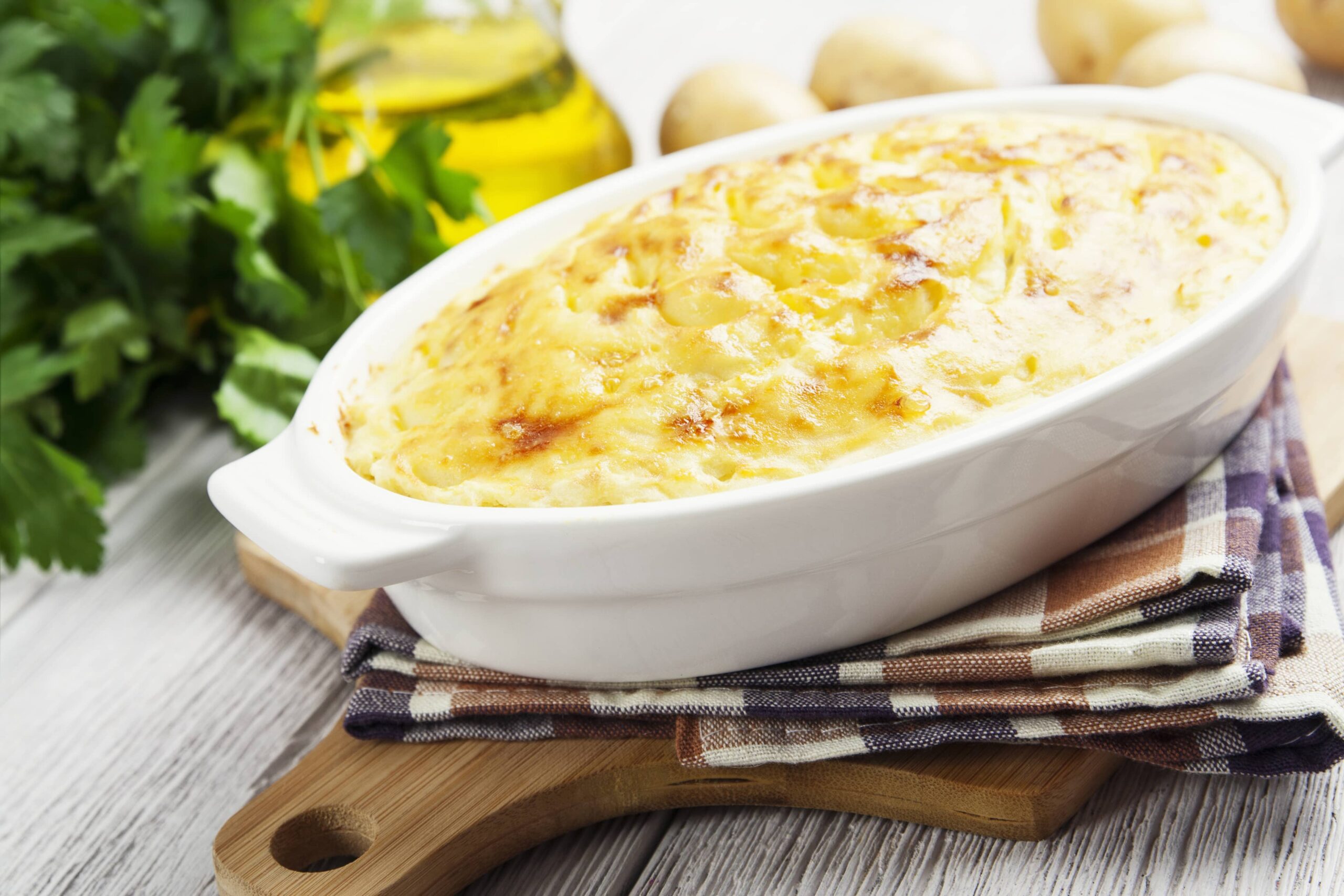
Loaded kale with bulgur
Recipe by Lili Fülöp, dietician of the European Fresh Team. 6 servings (1 baking dish)
Ingredients:
1 medium head of kale
80 dkg lean minced meat
30 dkg bulgur (dry)
1 head of onion
1-2 cloves of garlic
1 tablespoon of oil
salt, pepper, marjoram, red pepper to taste
20 dkg sour cream (12%)
15 dkg natural yoghurt
Remove the leaves from the raw kale and cook in salted water for 10-15 minutes. Chop the onions and fry them in a little oil. Add the minced meat to the onions, season with spices and simmer until done. Meanwhile, put the bulgur in twice the amount of salted water (about 6 dl) and when it is almost tender, cover and simmer under the lid for a little longer, as you would rice.
When the ingredients are ready, grease a baking pan and place the first layer of drained kale in it. If the kale stalk is very thick, you can cut it out. The next layer will be the bulgur. Spread half of the cooked bulgur over the kale.
Next comes the minced meat, also halve the portion. Brush the layer of meat with the sour cream and yoghurt mixture - this way you can „save” a lot of fat without being noticed - and start again until you have used up all the ingredients. Finish the line with the cabbage leaves and spread the yoghurt and sour cream on top once more.
Then place in the oven and bake for about 30 minutes, or until the top starts to brown.
Enjoy your meal! #
Source: wikipedia, Airchef, European Fresh Team, Lili Fülöp
Photo by European Fresh Team, pixabay