






Ham is loved by most people for its unique flavours. There are serious „ham superpowers” in the world, and their products are special, making even the experts' eyes light up. The most important difference between hams is where they come from, what animal they are made from and how they are produced. There is not much difference in the basic processes, only in the details.
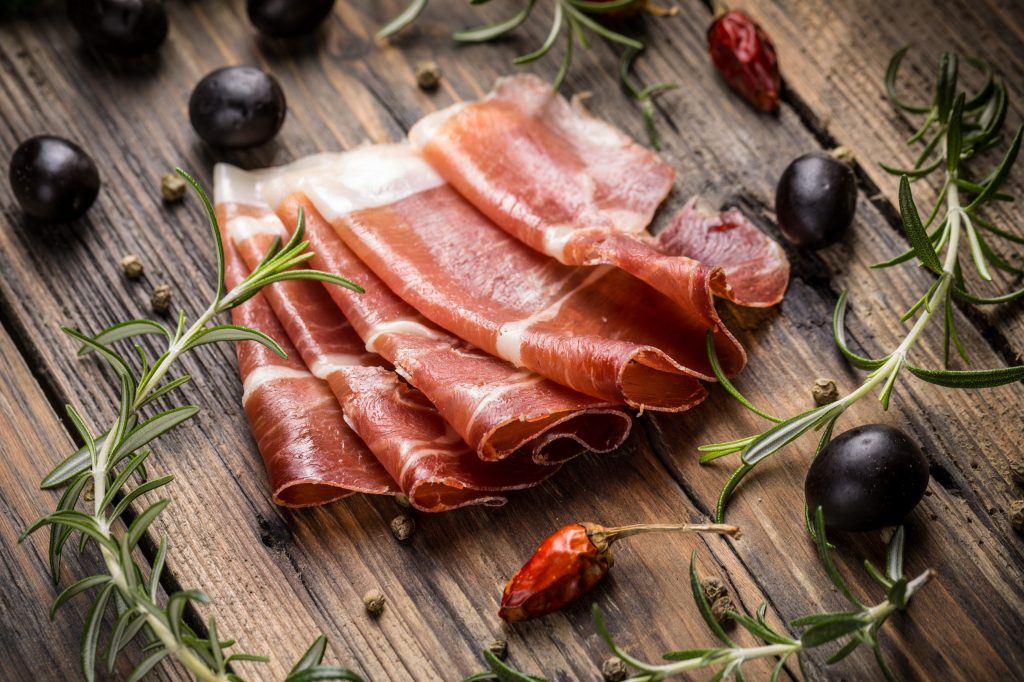
A ham
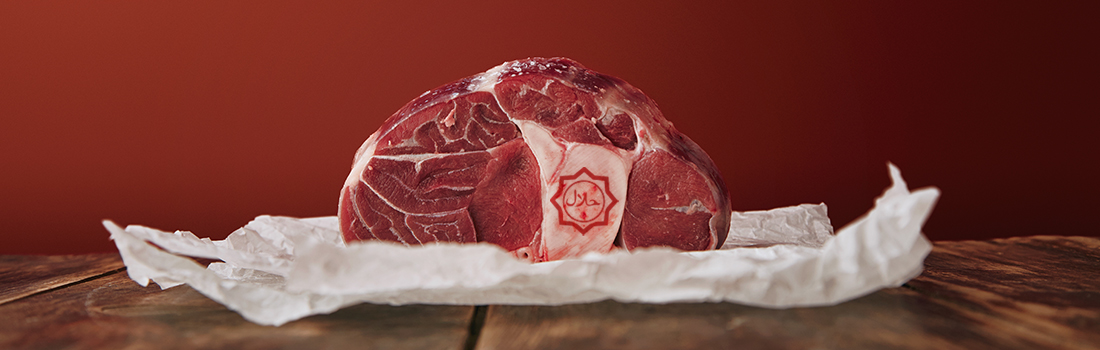
The meat of the thigh or tail of an animal raised for slaughter, but often only the meat from the leg of the pig is called this. It may be eaten with salt after preservation, pickled or roasted, but very many places are smoked in different ways. The non-smoked hams include the Italian prosciutto, the Spanish jamón serrano and jamón ibérico. Smoked hams include English York ham, Belgian Ardennes smoked ham and Westphalian smoked ham over juniper. In the United States, each state produces its own distinctive ham, which can be smoked or unsmoked. China's most famous ham is the unsmoked csinhuai ham.
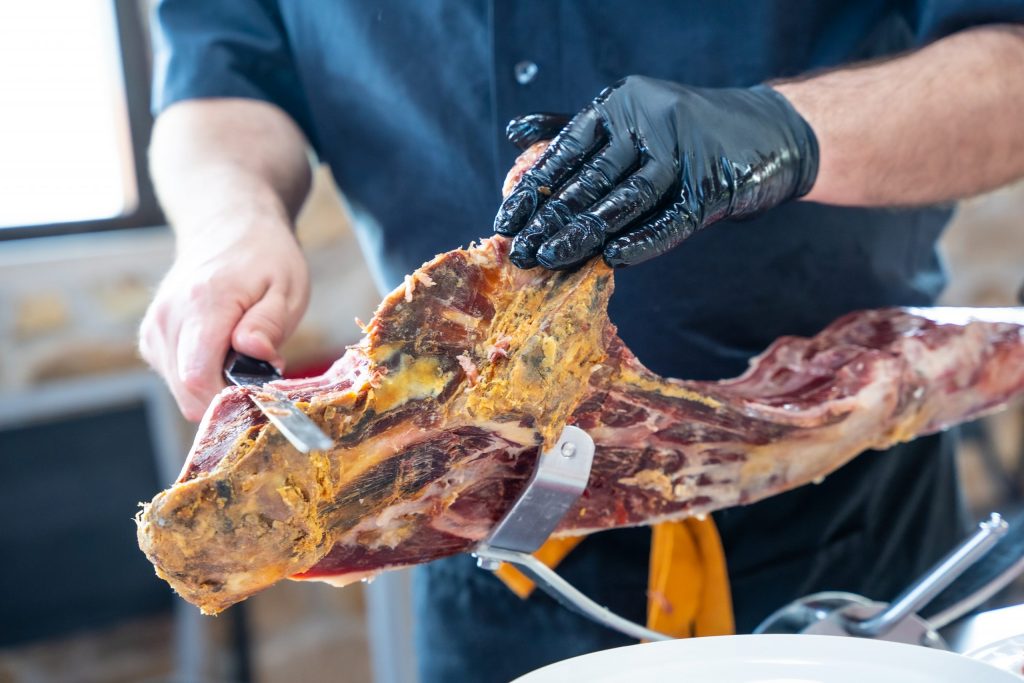
Spanish ham is heaven
According to legend, the first hams were first made by the Christians who expelled the Phoenicians from Andalusia and western Spain. Today, the special hams made there are undoubtedly world famous. The two best known are Serrano ham (jamón Serrano), and the other is Ibérico ham (jamón Ibérico). Both are exceptionally tasty, air-dried, cured delicacies. Serrano ham is made from traditional white pork, which is why it is often called jamón de pata blanca, or „white leg ham”. The word serrano means “mountain or hills”, as in the past it was used to dry the ham by blowing the wind between the mountains. Nowadays, specially designed drying rooms are used, where the temperature and humidity can be precisely controlled. This has also enabled them to consistent, outstanding quality they can make. Ibérico ham is mainly produced from black pigs, which are native to the south of Spain. Its speciality is that they are fed exclusively with acorns. If you ask a Spaniard what his favourite food is, you can be sure that he will say ham. They are happy to eat it at any time of the day.
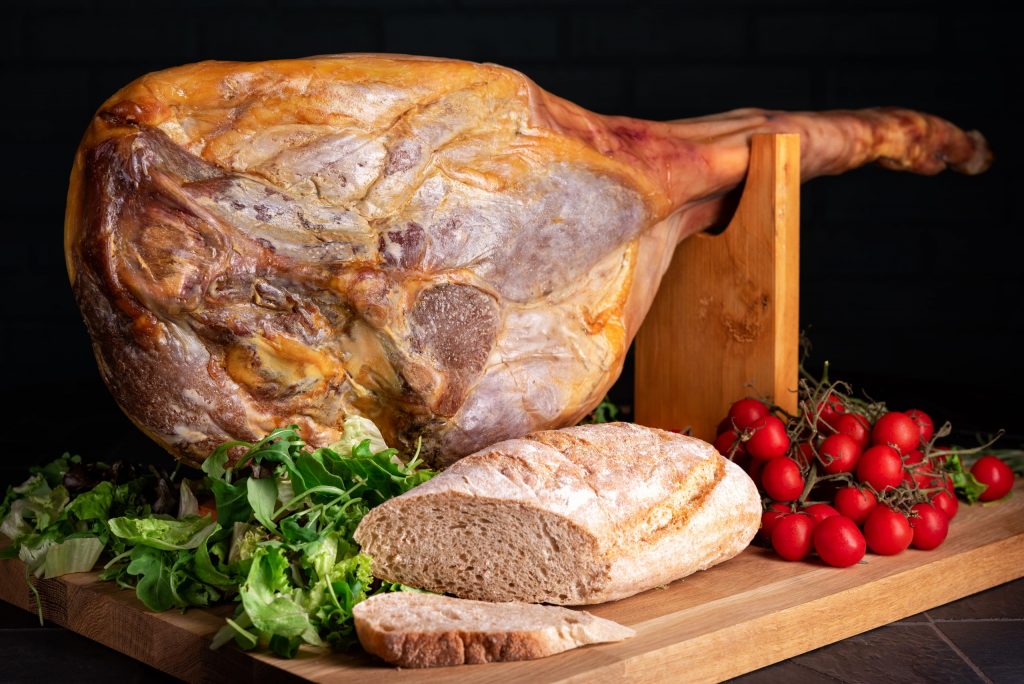
The ham curing process
After the pork leg is cleaned, it is rubbed with salt. This is important to extract the water, which starts the drying process, and also preserves the meat. The main thing is that the salt should cover the legs completely. The next step is to wash the meat and dry it depending on the temperature, humidity and size of the meat. The ideal temperature is 5 to 10 degrees Celsius and the duration can vary from four weeks to 6 to 8 weeks. Depending on the curing time, three types of meat are distinguished. Jamón Serrano de Bodega 9-12 months, Jamón Serrano de Reserva 12-15 months, Jamón Serrano de Gran Reserva from 15 months. During this ageing period the typical red colour develops. With longer ageing it can almost turn black. The typical aromas and the deep, dense flavours develop.
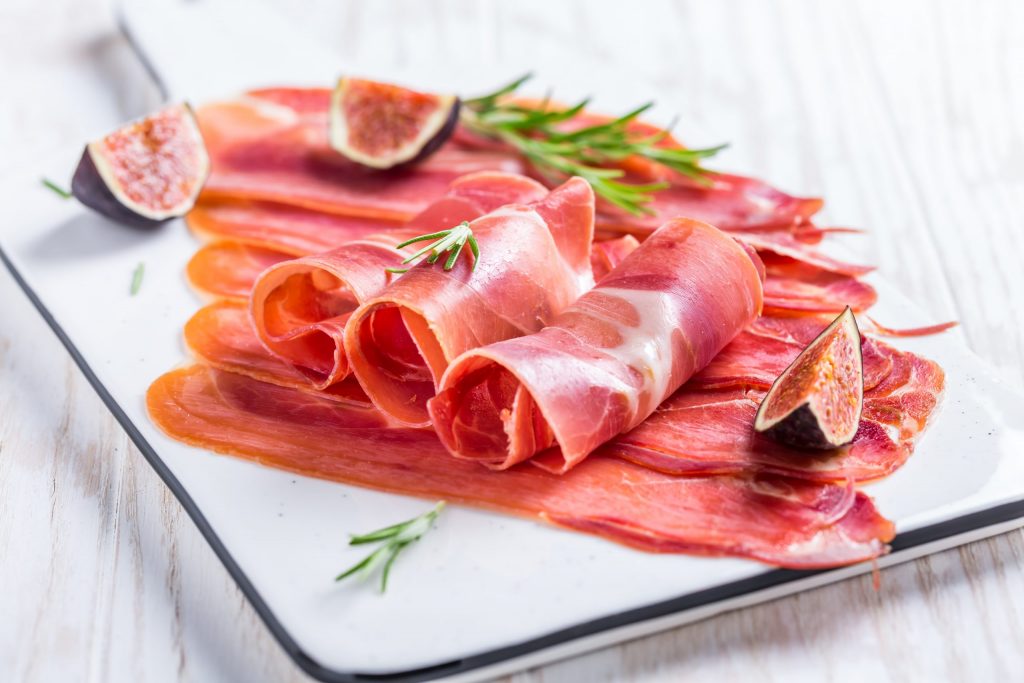
Ham morning, noon, evening
In Spain, you can't imagine breakfast without ham. Typical catch the toast, lightly drizzled with olive oil, topped with tomatoes and ham. If you're on holiday in Spain and you go to a restaurant for lunch, you can be sure that the main course or starter will be ham. Of course, the number of dishes made with ham is almost endless. They bake it, boil it, roll it, put it in soup and eat it with any kind of garnish. For Spaniards, it is unthinkable not to eat ham, it is an everyday dish. According to one study, a person consumes 5 to 10 kilos of ham in a year.