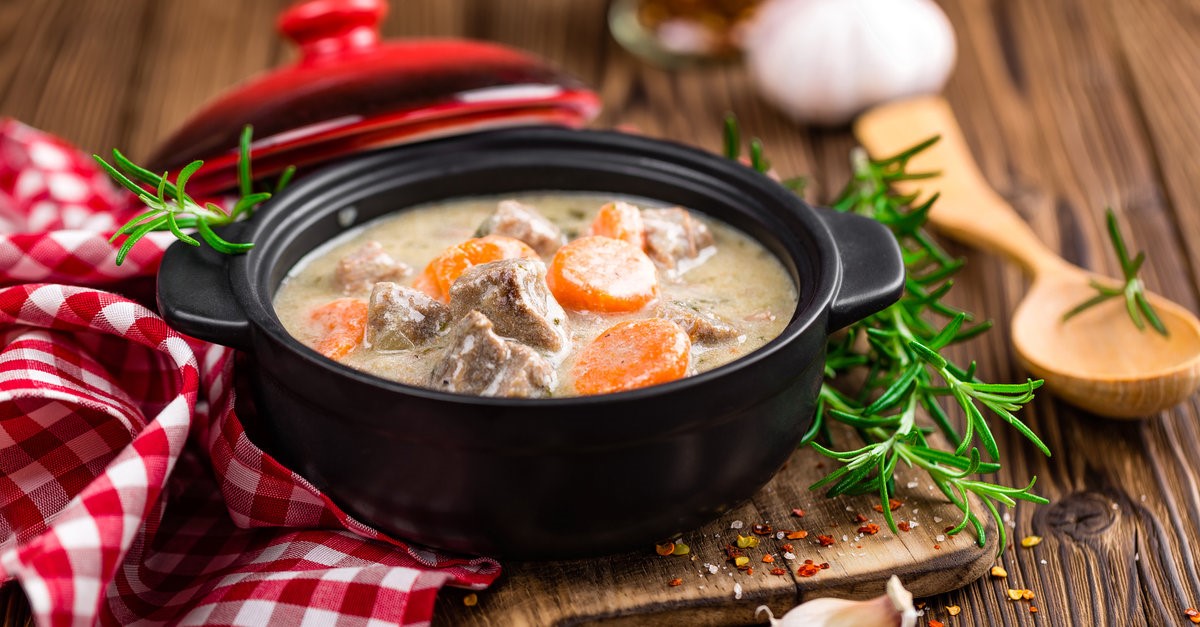







More and more people are eating fish in our country, and more and more species are becoming known. But there are plenty of less common ones, alongside the ones that everyone knows so well. The latter include pangasius and tilapia. These are less common in our country, but it would be worth adding them to the range. Tilapia is not just one type of fish, the name can cover thousands of species.
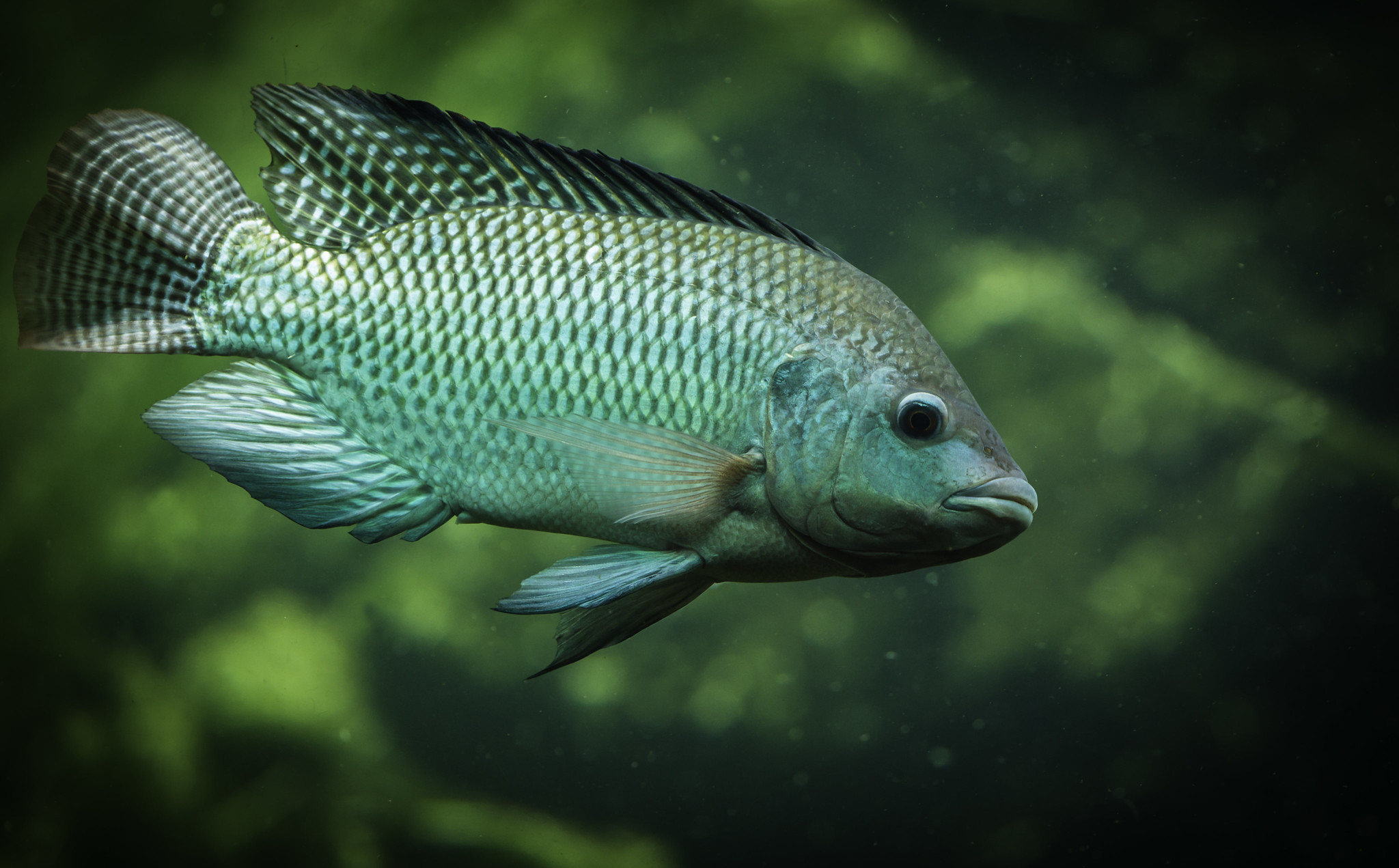
Photo by Flickr
What is tilapia?
A tilapia belongs to the class of ray-finned fishes, the order Perch. Its native habitat is the rivers and swamps of North and Central Africa. It is farmed in large numbers in Israel, the Yarkon River and some other tropical areas. This shows that tilapia is a species of tropical origin, requiring water temperatures of at least 16-18 degrees Celsius. It was introduced in Hungary in 1958, and since then it can be found in the Budapest Zoo, the Research Institute of Fish Breeding in Sarva and the pond farm in Makád. It is bred all over Europe for its tasty meat. Interesting facts, that its skin is used to make various products, such as bags, similar to snakeskin. In the past it was also used to make table mats and tablecloths.
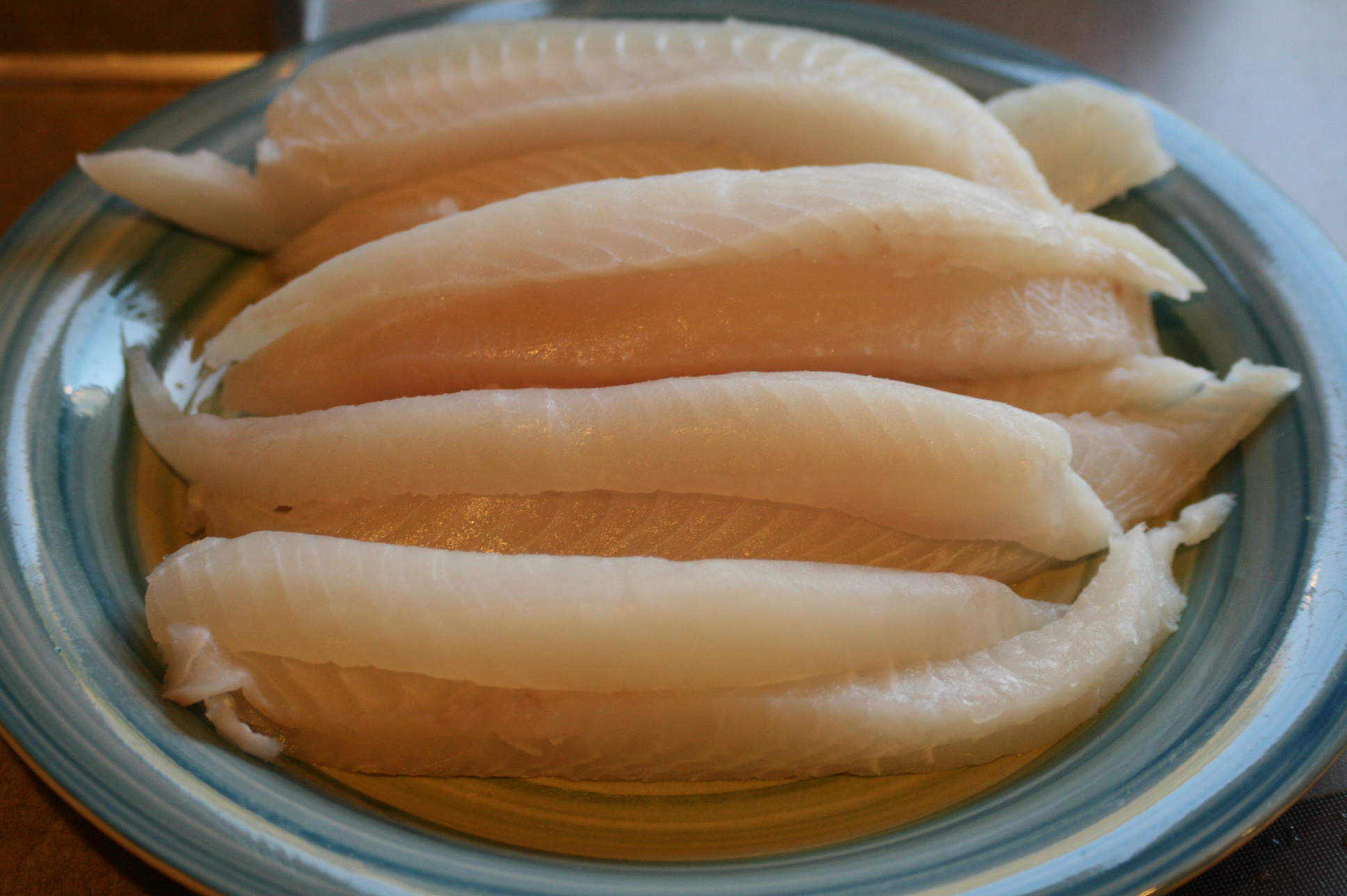
Photo by Flickr
The economic importance of tilapia
One of the biggest advantages of tilapia is that they grow quickly. They become sexually mature after up to six months and spawn several times a year. The fish can grow up to 1 metre long and weigh up to 6 kg. Traders and supermarkets you can find Frozen tilapia most often come from Asia, Taiwan. As a herbivorous fish, its meat is low in fat. Last but not least, it has hardly any fibre.
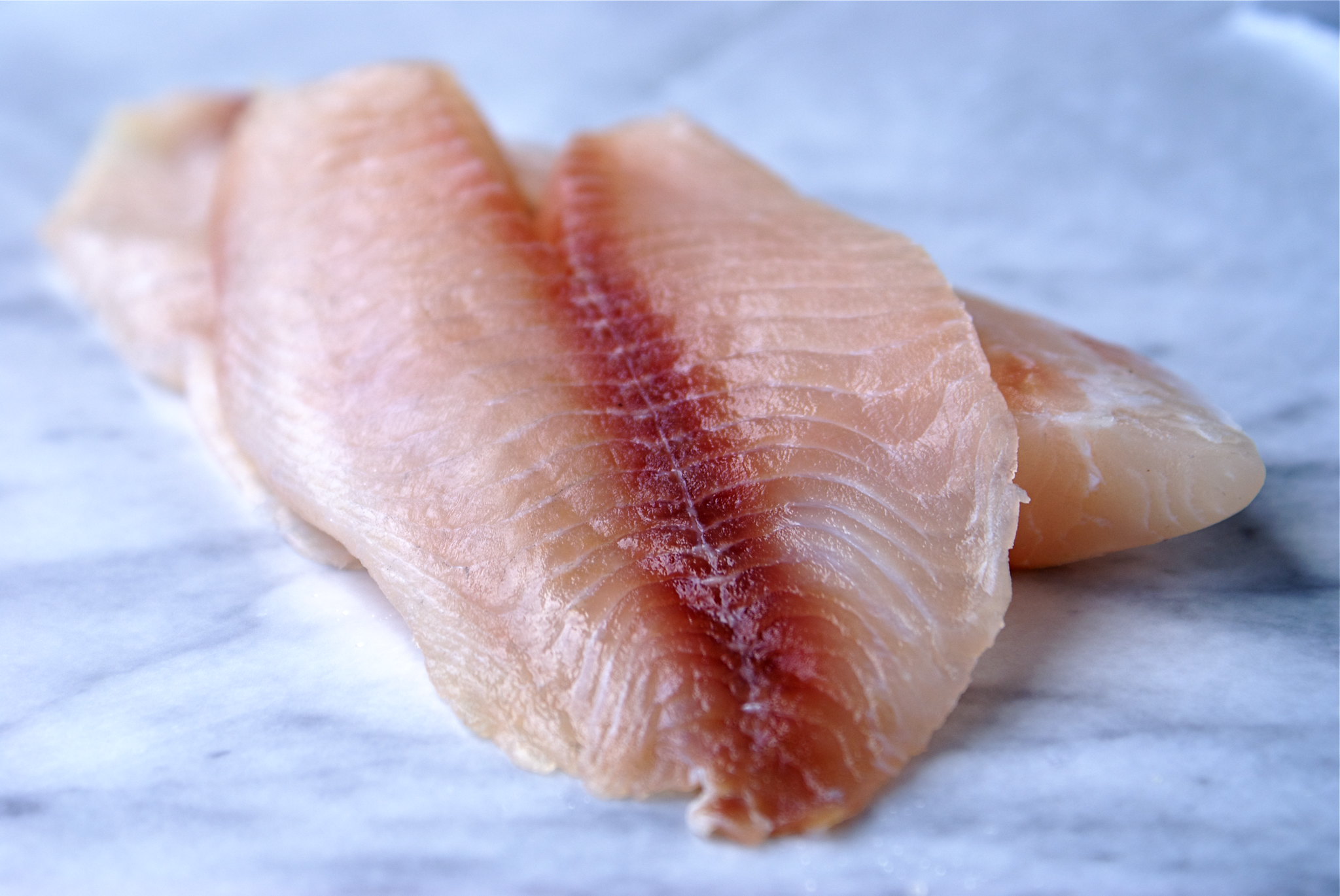
Photo by Flickr
Why consume tilapia?
It is likely that in the narrower supply there is not much discussion about the health effects of tilapia consumption. As with all other fish species, the meat is better and more valuable when grown in natural conditions. Its Omega-3 fatty acid content is important, and its beneficial effects on humans need no introduction. The presence of sufficient amounts in the body can reduce the risk of cardiovascular problems by 20-30%.
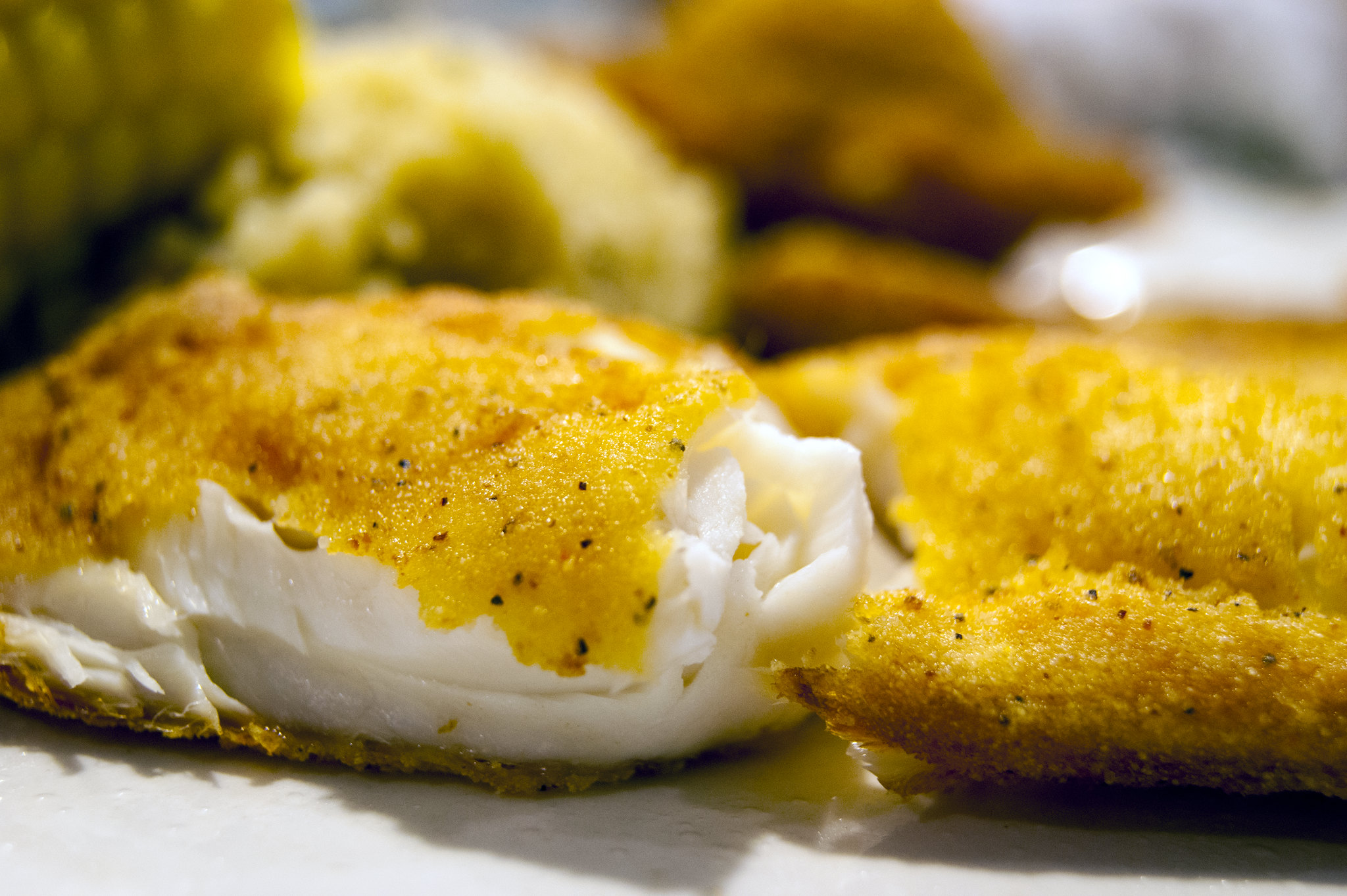
Photo by Flickr
How to prepare the tilapia?
The great advantage of tilapia film is its versatility. It can be cooked in the oven, boiled and steamed. It is especially suitable for grilling, so it can also be the star of a garden party. In its frozen form, it doesn't require much preparation, the main thing is to give it time to release slowly before cooking. It's then a good idea to rinse it in cold water, and if you're not cooking it, soak the water off. Thanks to the texture of the meat and the few splinters, it can be prepared quickly, but it should be handled with care. Because of its light texture, if cooked quickly, the meat can fall apart and become damaged, so turn it carefully while cooking.
Because it is high in protein but low in carbohydrates, it is highly recommended for dieting and weight loss.
As with all fish, it has a pleasant extra flavour and lightness when sprinkled with a little lemon, and like salmon, it is very good with herbs. Pepper, rosemary, oregano, thyme, garlic, ginger and sage are also recommended.#