




The picture of what children eat in everyday life, both in restaurants and in public catering, is a bleak one. We have a huge responsibility in this area, yet it is a forgotten and neglected issue. It is even sadder that its cardinal importance is not recognised in the right places.
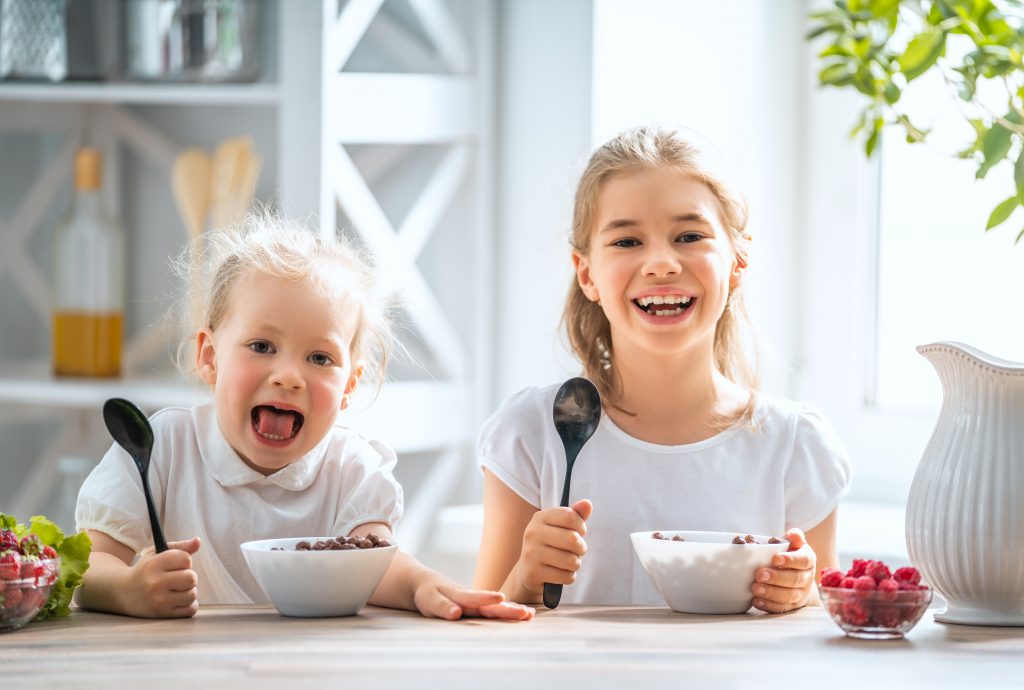
Why is it important to pay attention to what children eat?
In the history of gastronomy, young people's eating habits are influenced not only by the customs of the age, but also by the systems and routines of nations. The subject is wide-ranging. It starts with the home meal, continues with the public catering, and all of these can influence the habits of future adults. What is even more thought-provoking is that it will also have an impact on the health of generations. If there is anywhere to start in terms of conscious nutrition for future generations, and the food habits of future generations, it is childhood. There is a huge responsibility on the conditions that systems can create, and on the catering and of course the it all starts with good ingredients.
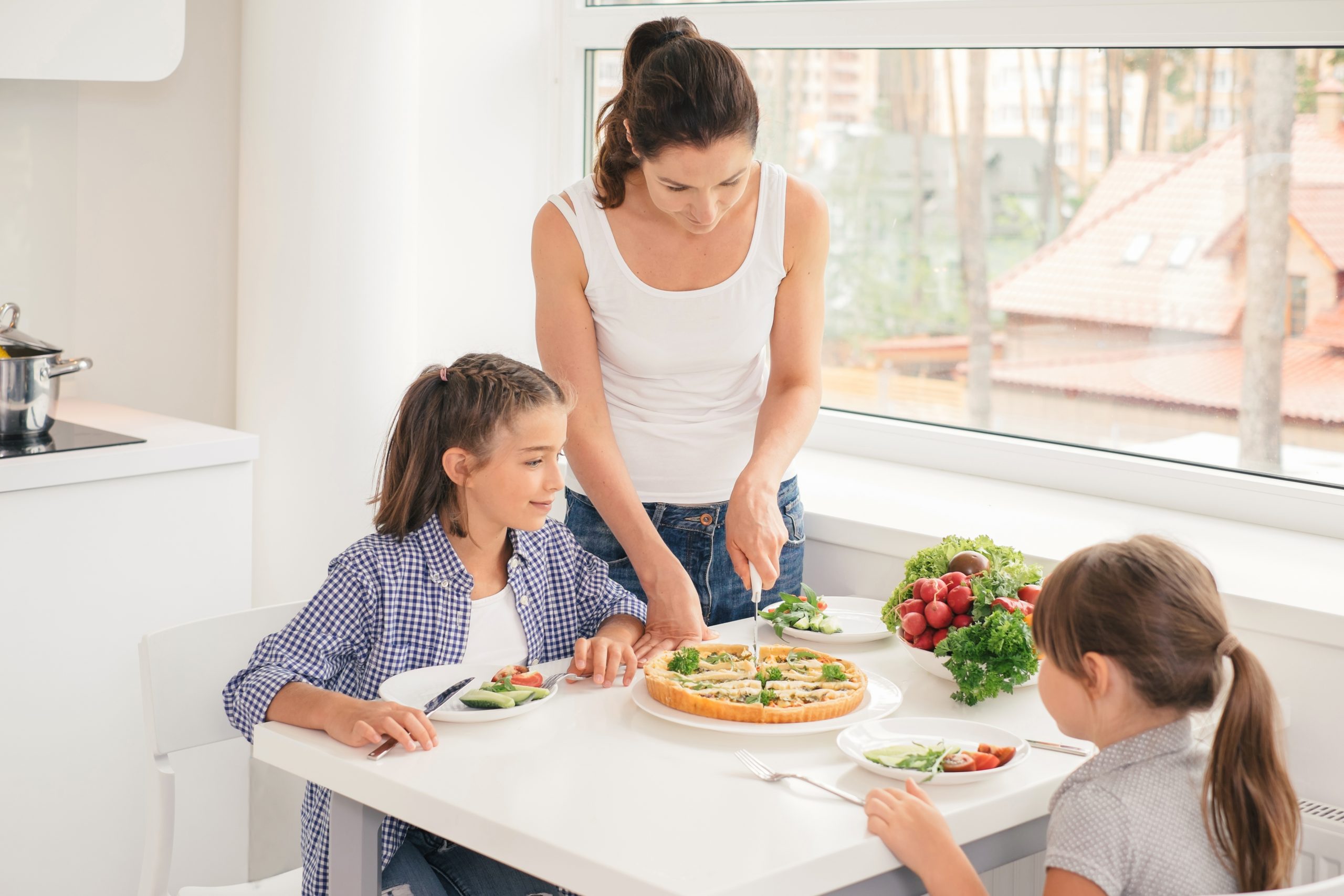
Photo by Envato elements
The children's menu in everyday life
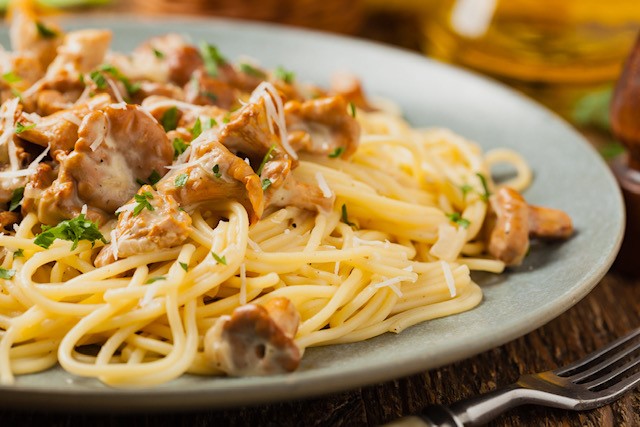
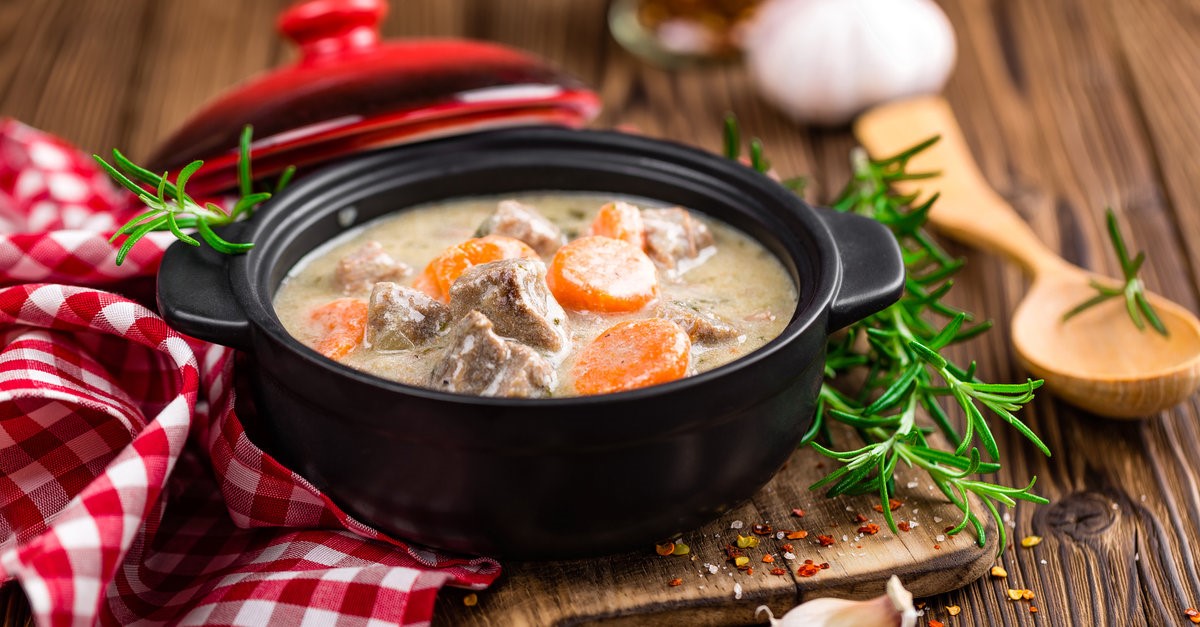
Every parent can tell you that in order to have dinner with their child, they have to answer a series of unknown questions. In the home, the repertoire of foods we serve them ranges widely. In most cases, it is food that they like, less so food that is conducive to their development. A pizza thrown in for dinner, or a sandwich thrown together, is not necessarily the ideal food for a developing organism. And „reward” foods, like chocolate, are also a bad thing. It is a sad fact that young generations are vitamin deficient and overweight. This is due to two things. On the one hand, eating at home, because parents have to work in several places and therefore have little capacity for for fresh food every day, and the poor state of public catering.
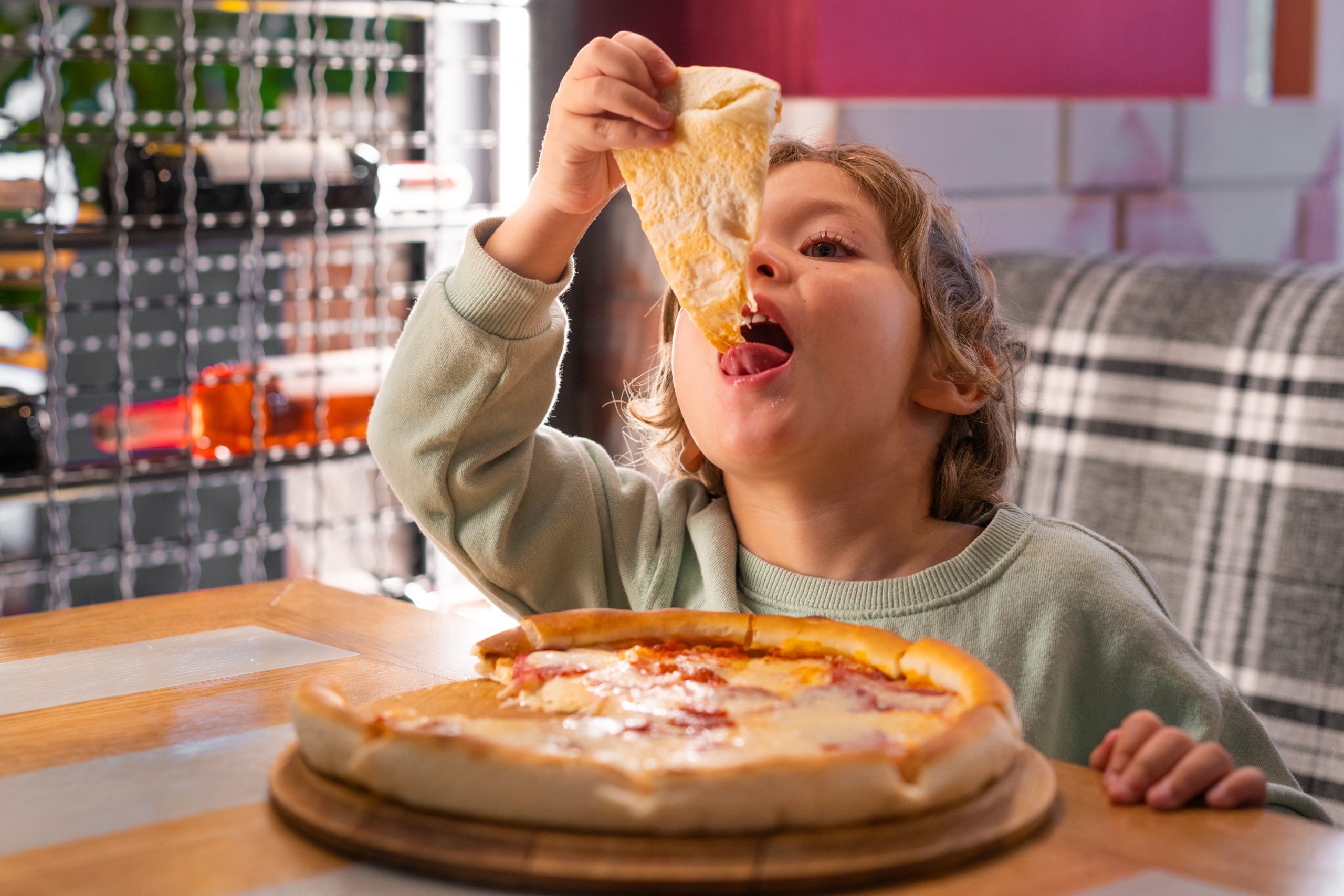
Photo by Envato elements
Is there a children's menu?
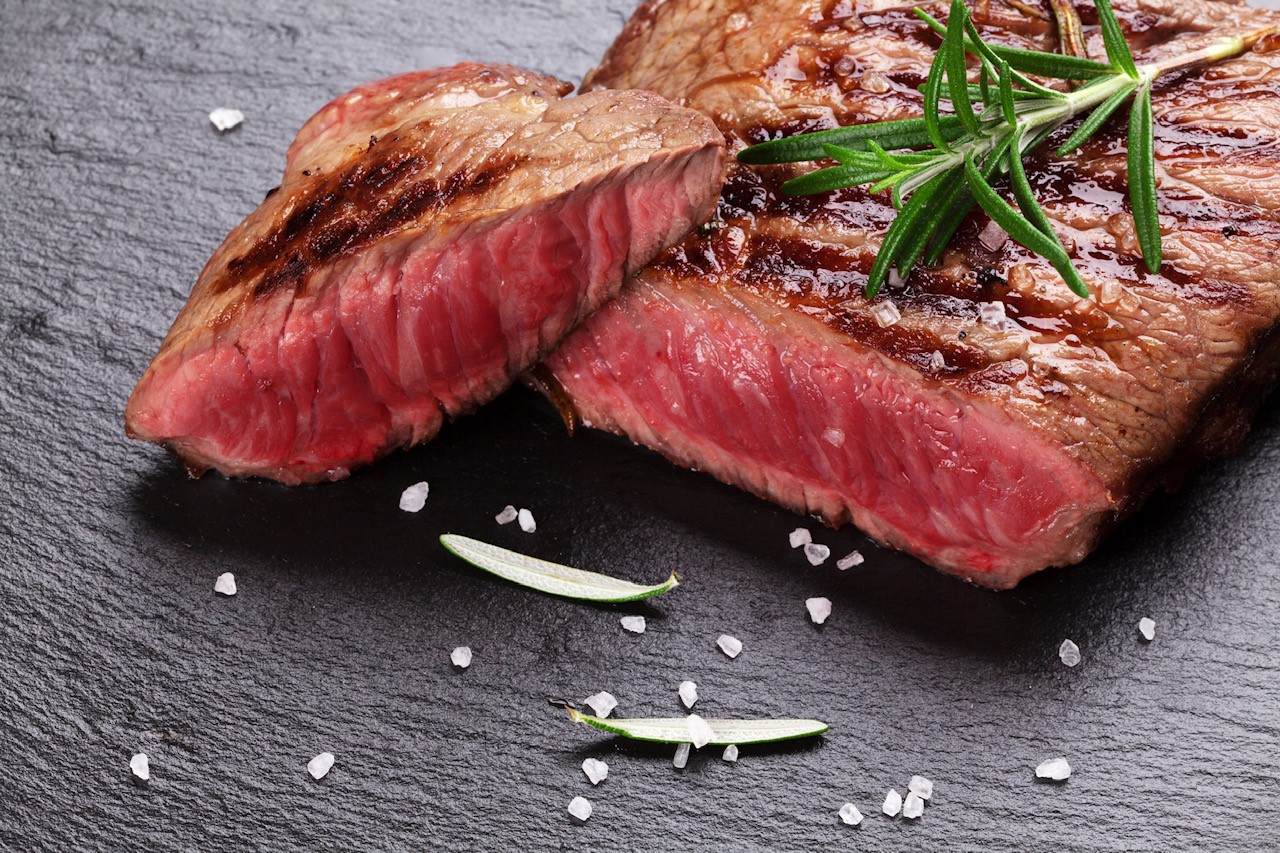
If the family goes out to a restaurant, the restaurant, the location and the time of stay may be known. But for children, it is also important to know if there are booster seats, if there are lids and straws for drinks and, most importantly, if there is a children's menu. It is typical - with the exception of the exception - that restaurants do not even think about them when designing their menus, at least in terms of creativity. Fried or grilled cheese, chicken, pizza, possibly cooked broccoli, potatoes, lots of ketchup and rice. The selection is not very wide and it's like it hasn't wanted to change in 50 years.
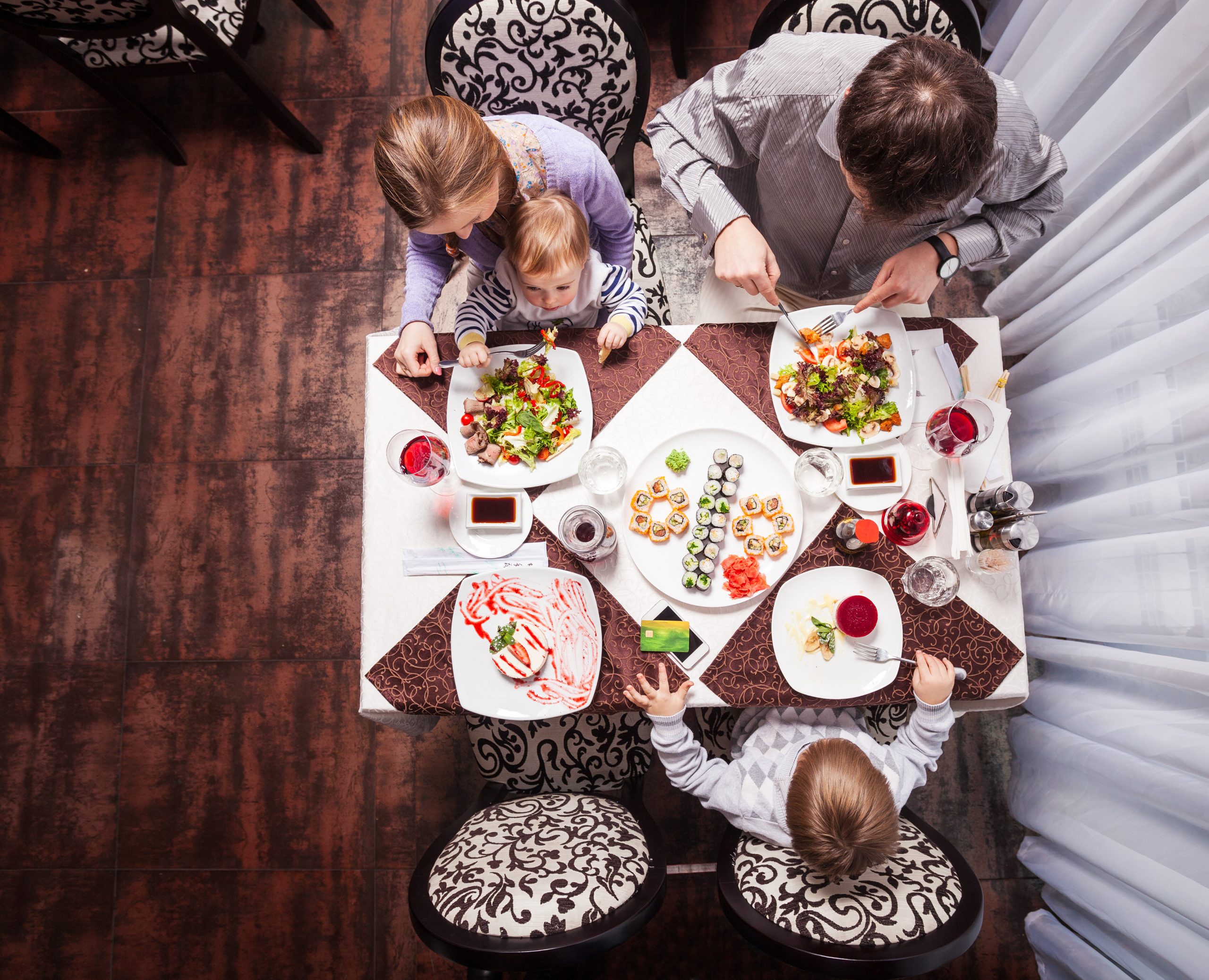
Photo by Envato elements
Childhood in the past and today
And going out to restaurants with children is no longer a rarity. As early as 1921, the Waldorf-Astoria hotel in New York offered a children's menu, in which roast lamb chops, flaky chicken with rice and a prune dessert. Restaurant-in Through History highlights a 1918 children's lunch menu from an Ohio department store, featuring a cream rice, a peanut butter sandwich, milk and ice cream. Another 1927 menu at the Shepard Store in Boston offered a spinach poached egg, baked potato and buttered bread.
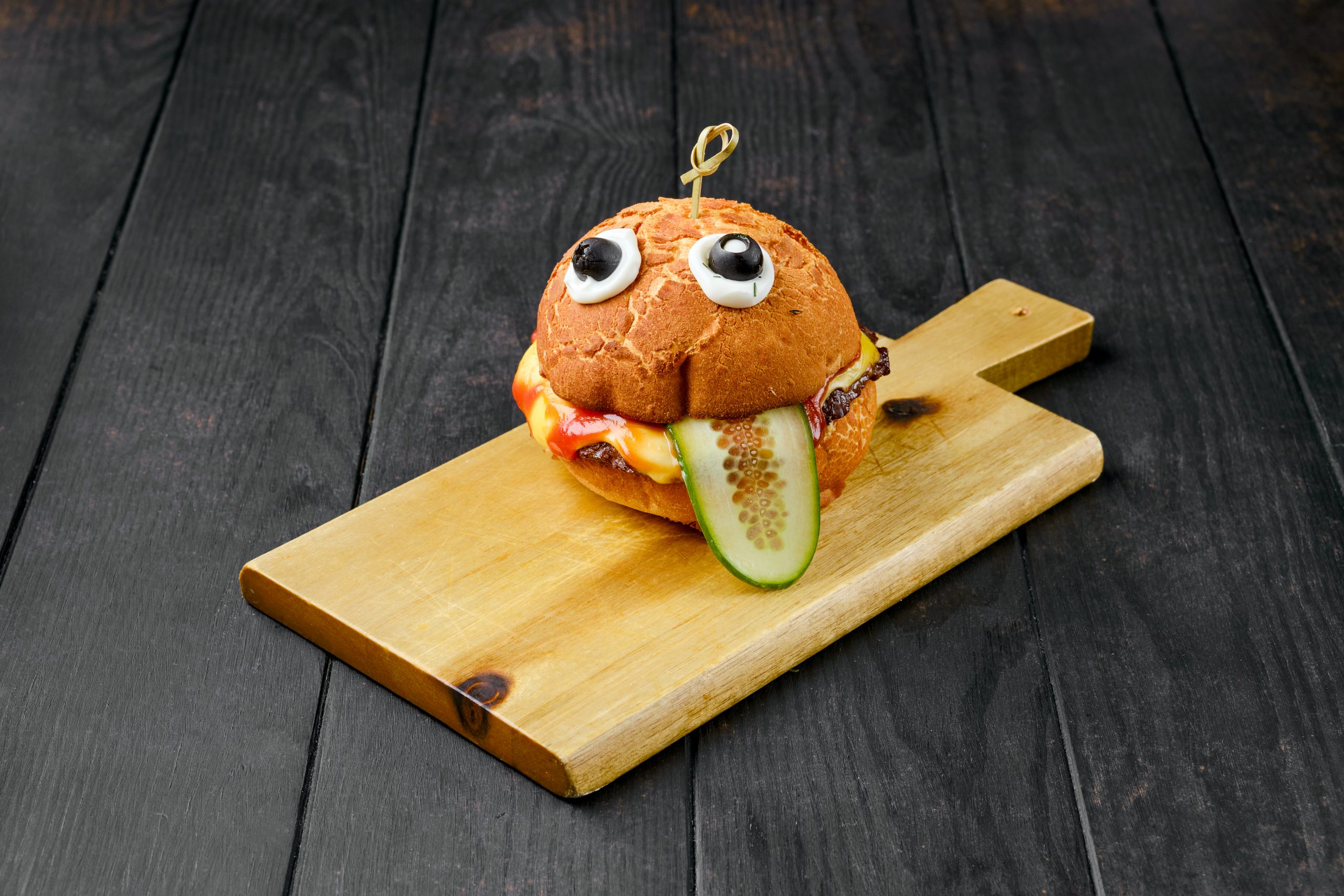
Photo by Envato elements
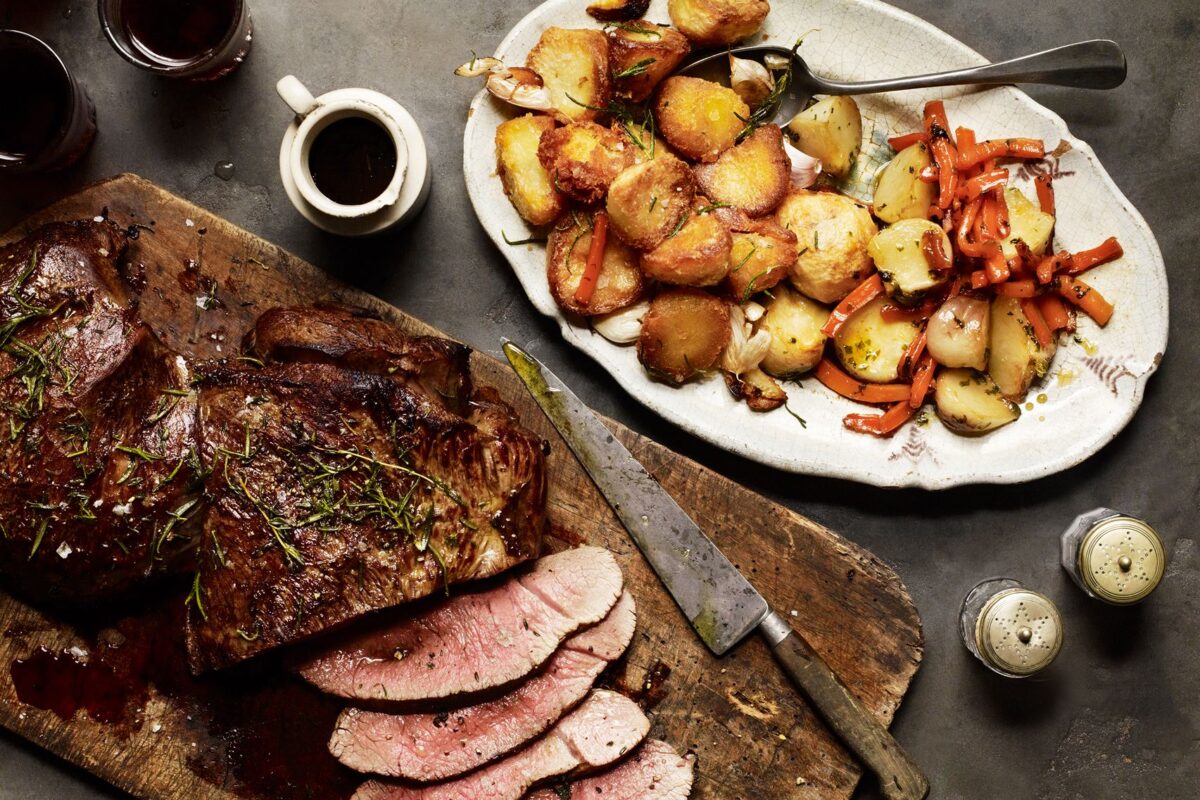
By the 1940s, many people started to use colourful illustrations and games in their food. Animals or characters from comic books were used to satisfy children's need for entertainment in addition to eating. However, it was not until the mid-20th century that steps were taken to make food not only attractive but also biologically satisfying. A fresh fruit smoothie, smoothie, or shake with a cheeseburger will not cover their adequate nutrient intake. Economic opportunities aside, gastronomic evolution would require our children to be properly nourished. Yet the situation remains the same worldwide.
Photo by Envato elements
What is the situation with the children's menu in Hungary today?
Children's daily nutrition can be divided into two areas. There are two types of feeding: feeding in the home in the family environment, and socially based public feeding. Unfortunately, neither of these is functioning properly. Families, in a fast-paced world, pay less attention to conscious and healthy eating, preferring to have something on the table quickly. And public catering has been seriously affected by the economic background. They are forced to make a children's menu for a few hundred forints. Let's face it, it's mission impossible.
Photo by Envato elements
It is in our common interest to ensure that future generations have access to good, nutritious food. Parents, organisations and restaurants are doing more and more, but still not enough. What we can do, in gastronomy, is to think much more carefully about how restaurants feed children.