





In our country the hunting, game management has a long tradition, as does game processing. In the past, the consumption and preparation of game was an important part of Hungarian gastronomy, but nowadays it has somehow fallen out of the category of raw materials between. Today, more and more people are emphasising the vada dishes not only because it's plentiful, but also because it's extremely healthy. The protein content of game meat is 25%, that of lean pork leg 17% and that of lean beef loin 18.6%, but the fat content is less than that of farmed livestock.

Popular game species that can be hunted in our country:
badger, prisoner, tmallard, mallard rabbit, winged duck, guillemotdeer, Balkan dove, fox, fox, musk deer
Wildlife management
Game management is the management of the distribution of wildlife, the size (density) and the quality of the population to achieve a specific objective related to the species of game. In all cases, the wildlife manager or gamekeeper achieves these objectives by shaping the dynamics of the population through interventions in the population and/or its habitat. This approach is reflected in the Law on Game Protection, Game Management and Hunting. Game management can take several forms.
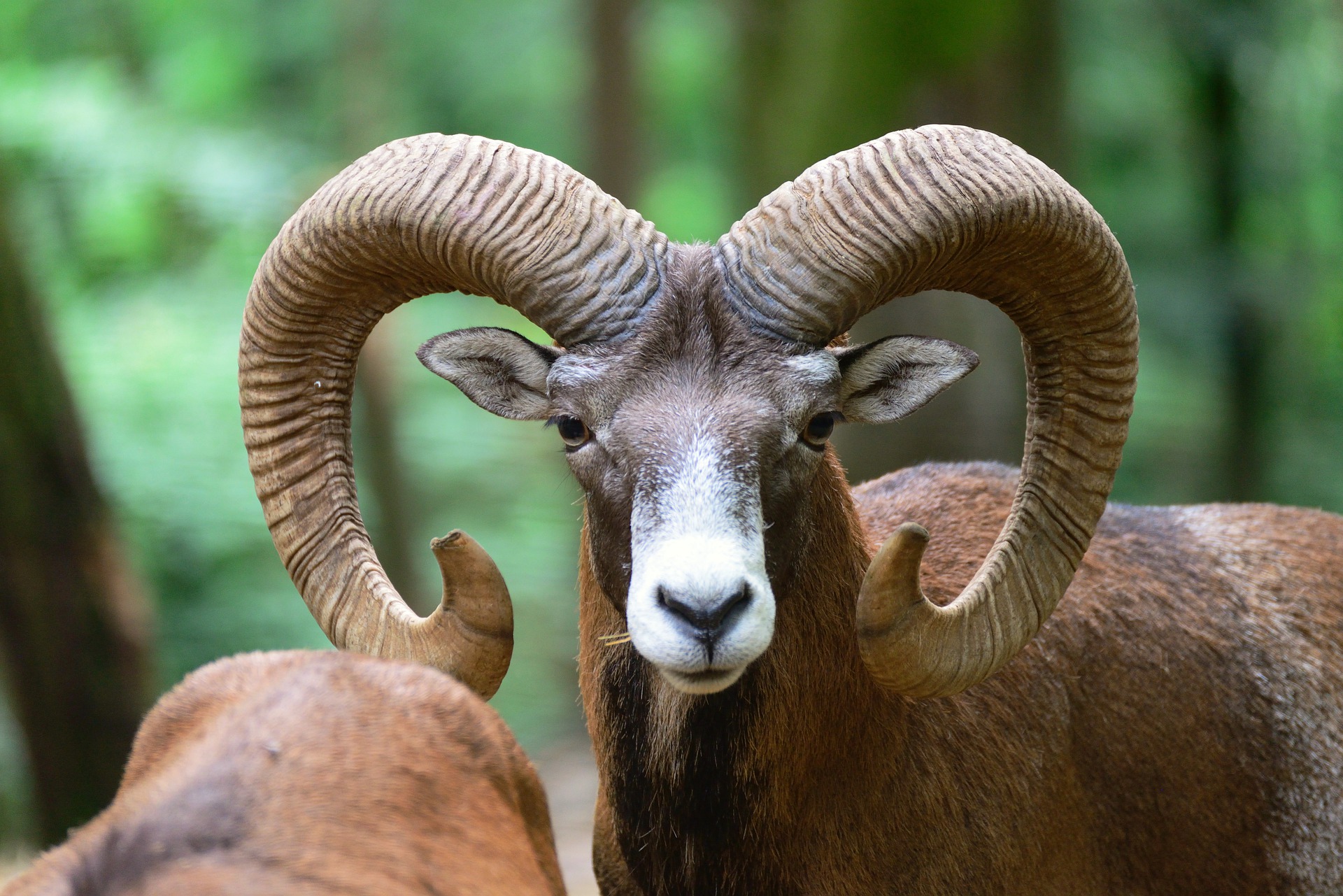
Protection: small and/or declining populations, they talk about restocking game management.
Exploitation: they talk about managing wild stocks at a level that is sufficient to maintain and increase their numbers.
Defence or control: interfering with overly large, high-growth stocks (which are usually harmful) - this is called 'stand-reduction management'.
Hunting
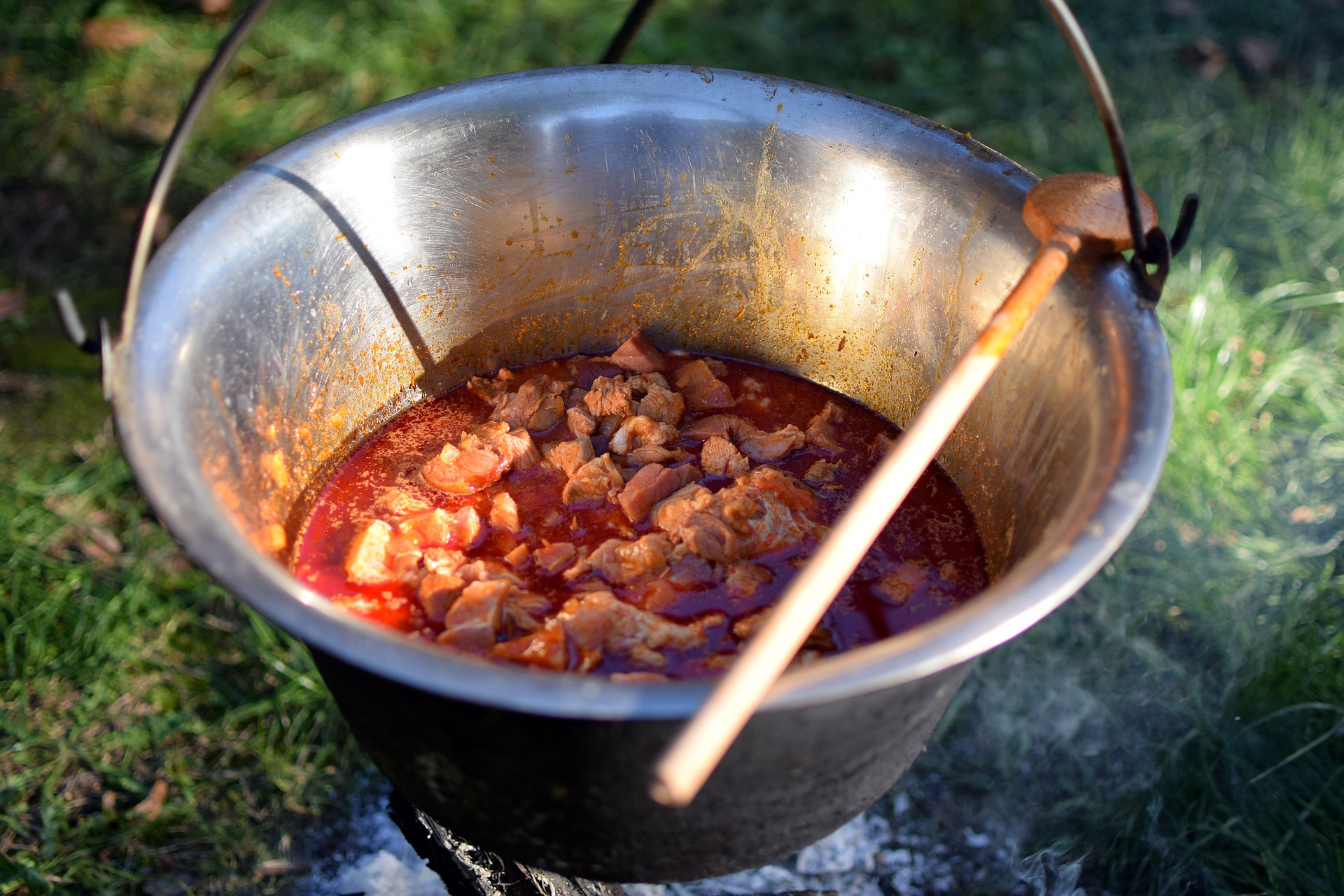
Hunting can be part of game management or a sporting activity, a nice hobby. Regardless, it is subject to a serious set of rules. Regardless of the purpose of hunting, it is important to keep the traditions alive. One of the most beautiful traditions is the tablecloth. When, after the hunt, the killed game is laid on its side in a certain order and a bonfire is lit, it is a tribute to the animals that were killed. Some of the game is processed and used to make heavenly food.

Game processing
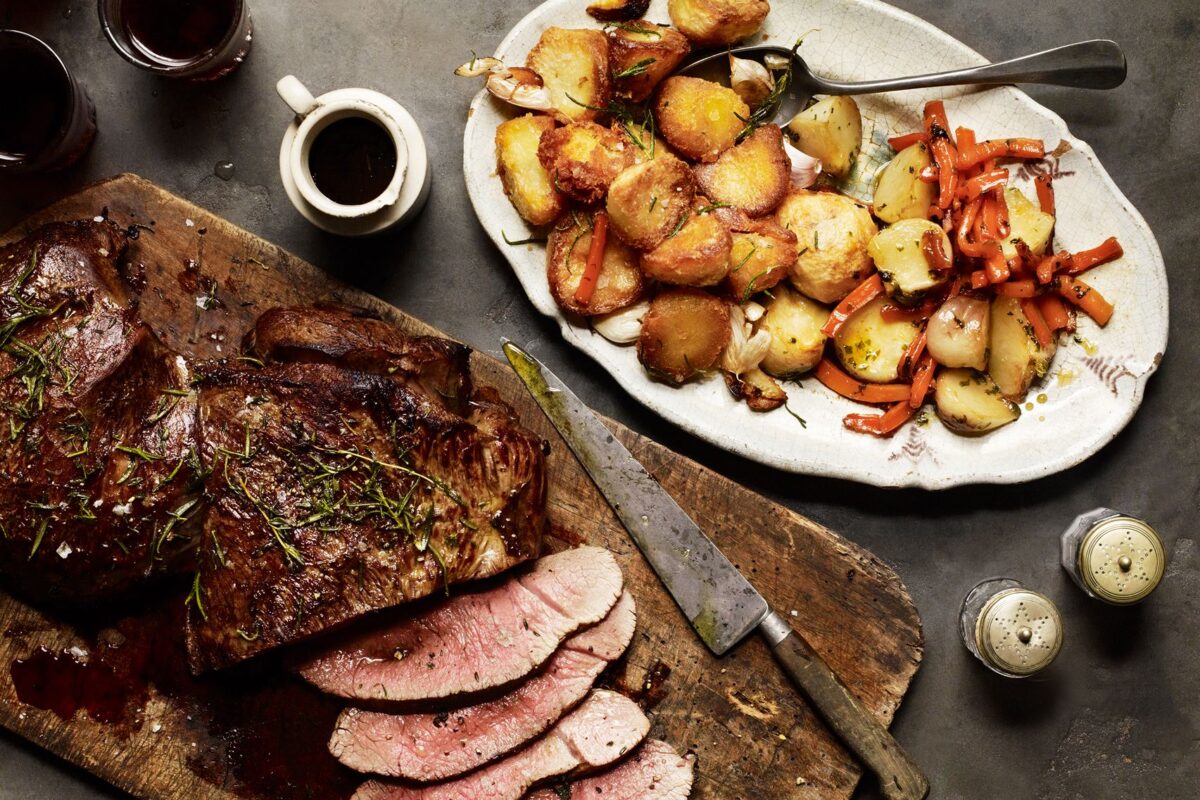
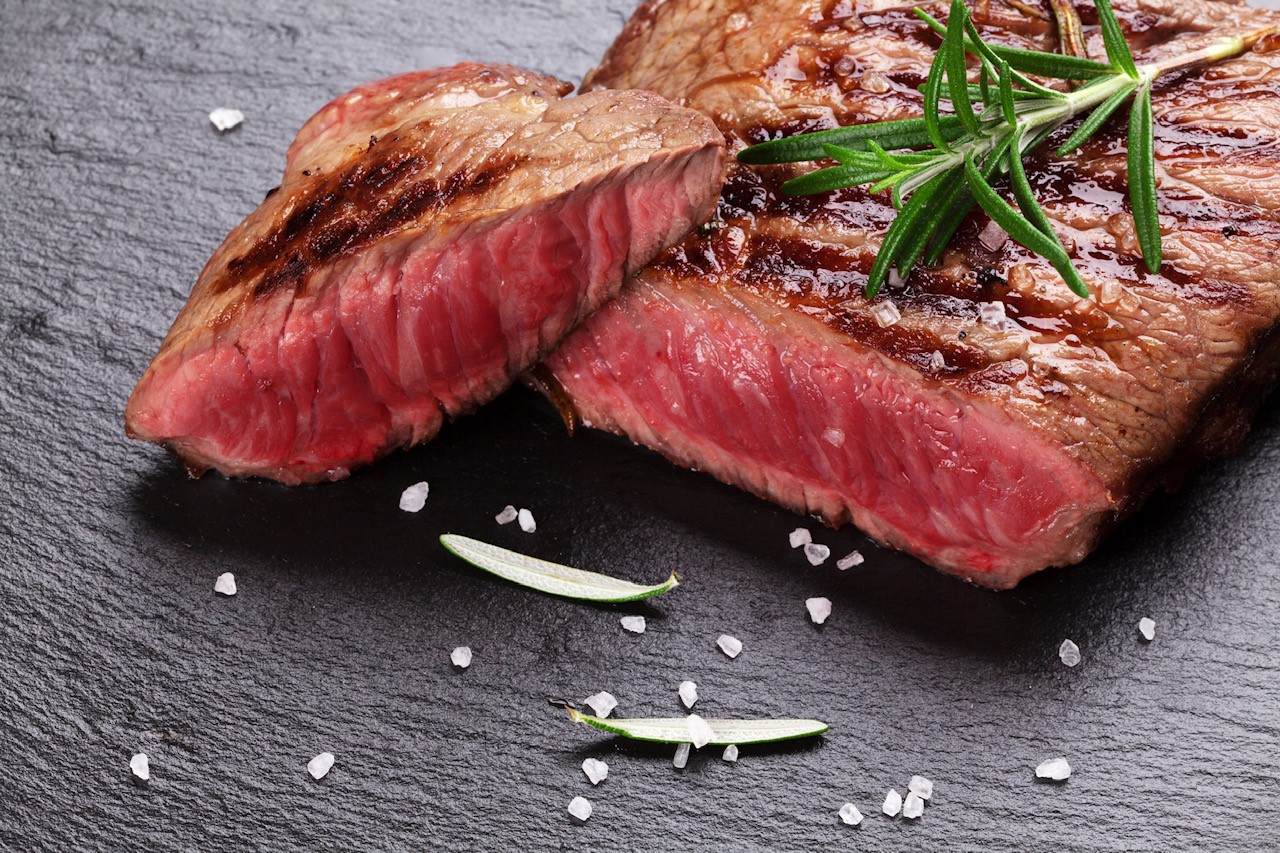
Game meat is one of the healthiest types of meat. Not only is it extremely tasty, but it is also very lean, high in nutritional value proteins, valuable vitamins and mineral salts. Professionally cut and prepared to optimum form, game meat is sold fresh or frozen in modern packaging. Quality game processing has a strong justification in today's world, with the growing trend towards healthier diets. Organic products are also gaining ground. In addition, there is a revival of traditions, including game dishes. The emergence of a solvent consumer class, receptive to gastronomic delicacies, has led to an increase in the number of game dishes in restaurants. The special pleasant taste and flavour of game meat can be enhanced or softened by using the right cooking techniques. Wild game meat has a high blood content, which makes it darker in colour and more resistant to deterioration, and the muscles and blood of large game species contain antibacterial substances.
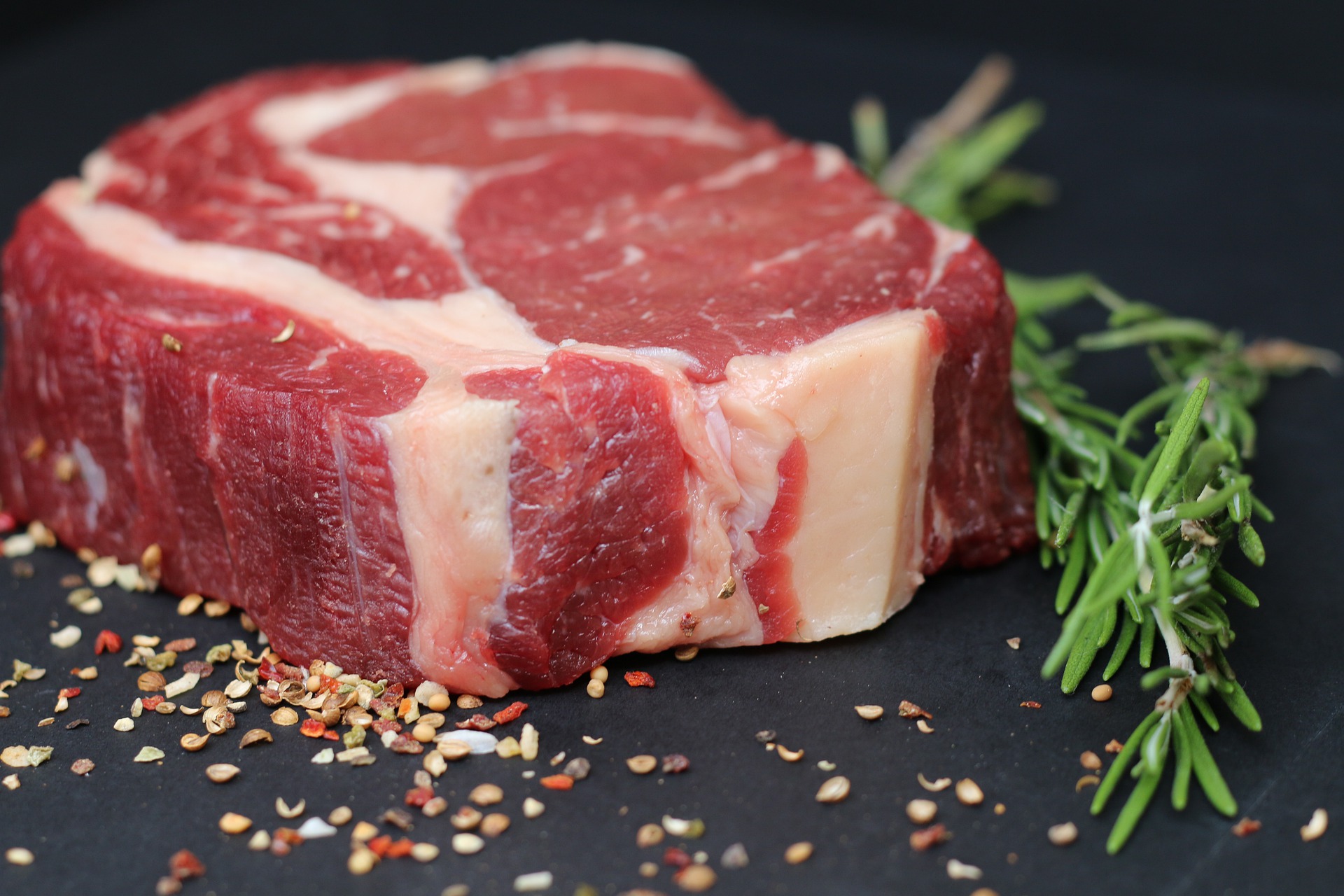
Speed is key in game processing
It is important to follow the right rules when shooting game to preserve the excellent meat quality until it is ready for consumption. Immediate care must be taken to gut and chill the large game shot and to chill the small game. When evisceration is carried out with a knife and the meat is not cooled quickly, the larger muscle bundles such as the muscles of the thigh, shoulder and neck can become engorged, resulting in rotting of the meat. These processes can occur not only in summer but also in winter. As a result, the meat becomes unfit for consumption. The evisceration of game should not be prolonged, but should be carried out immediately in the case of big game (deer, fallow deer, roe deer, mouflon, wild boar).
It must be transported to a game collection or testing centre with a pre-cooler within 3 hours of killing at the latest. The game collection centre shall also be the place of post-mortem inspection and therefore visceral samples must be sent in in mollusc bags attached to the body. Wild game carcases must be kept at minus 4 to 1 °C.
Hygiene conditions
Wild collection centres must have a cold storage room with a vestibule, washable walls and floor, sewerage, and potable water. Hand washing, equipment disinfection and waste storage facilities shall be available. If properly handled and placed, the storage chamber may be used to store shot game for 6 to 7 days. The use of the storage chamber can also be a hygiene critical point.
The game processing plant
Of course, only actively cooled trucks are allowed to transport game for processing. The processing plant may be a plant for the slaughtering and processing of domestic animals or a specialised game processing plant. The incoming large furred game is placed on a high track with the aid of a hook and transported to the meat inspection post. Equipment and units of the meat inspection area: track of appropriate length, turnouts with branching, 540 lux lighting, hand-washing and disinfection equipment. This is where the sampling and official marking equipment is carried out, and the scrapping container. It must be equipped with a veterinary isolation cooler and a Trichinella tester. The handling, weighing, commercial marking, ventilation, storage at room temperature between 0 and 4 degrees Celsius of wild game carcasses fit for consumption is carried out in the receiving pre-chiller. Some of the lots kept on their fur and skins are also sold.
In the second processing, which takes place in a room with continuous ventilation and a constant temperature of no more than 15 degrees Celsius. The thawed carcases are then transported through the skinning room to the processing line. It is important to process different species separately, as different temperatures are ideal for different species. The products of the line are: skinned game or cuts of bone-in game meat (backbone, thighs, shoulder), which is of the codmeat type. The processing line is a critical stage from a hygiene point of view, as the cleaning of the skinned carcass is extremely important.
Processes for the technological processing of big game: grading, skinning, skinning, skinning, cutting in half or in pieces, cutting through bones. Then the cut meat is membrane-cut, minced and then shaped, packaged, vacuum-wrapped, shrink-wrapped, weighed and labelled.
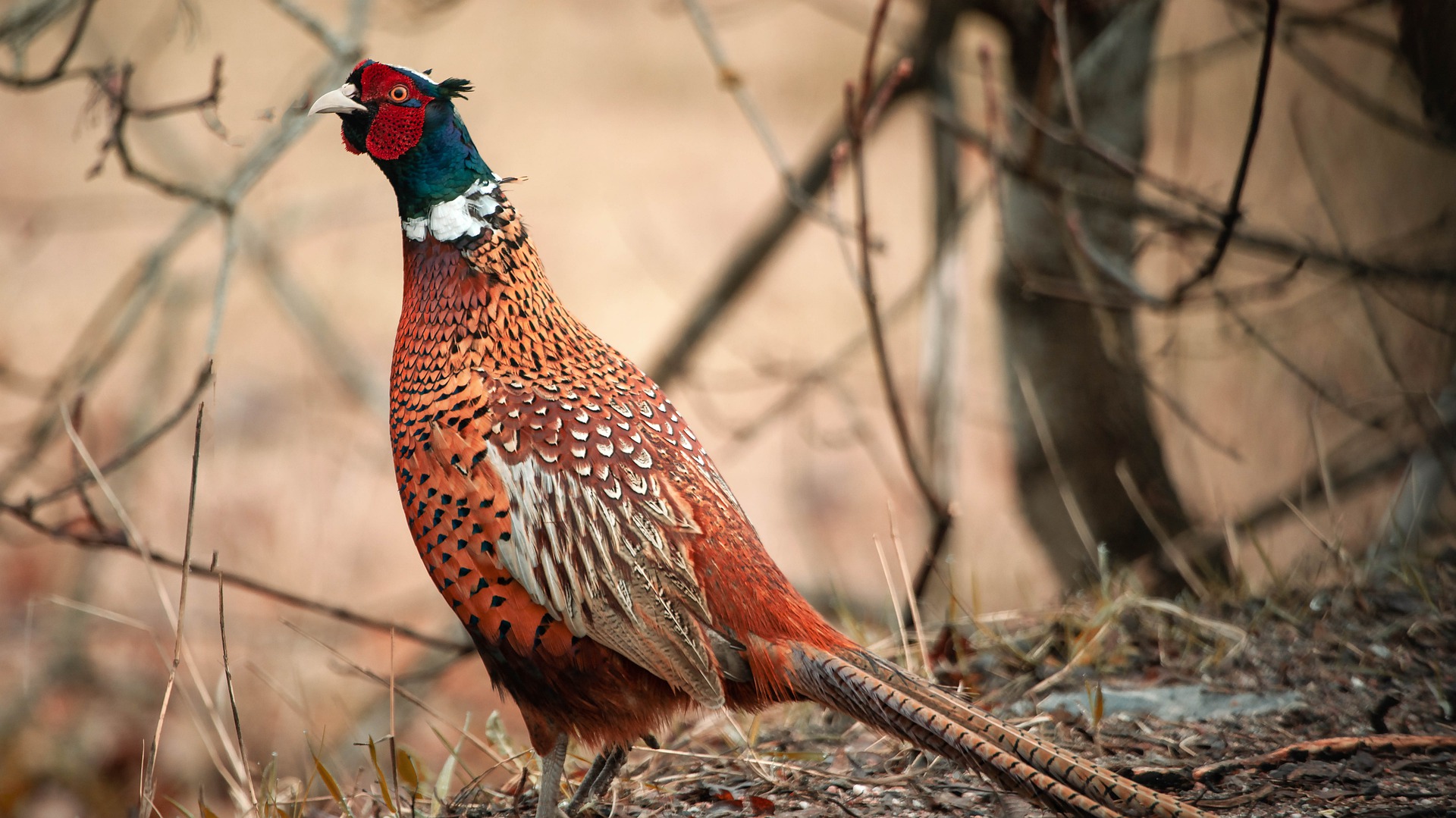
Processes for the technological processing of game: cutting of the wing tip (paddle feathers), plucking, skirting, washing and paraffin waxing (separately in a float tub), removal of residual feathers, flakes, meat inspection (sampling of meat, offal, grading), gutting (using a vacuum system), surface heat treatment, washing, packaging, weighing, labelling.#
Source: Wikipedia, HUNGARIAN SCIENCE DEPARTMENT OF AGRICULTURE, FARMING PRODUCT PROCESSING III. PROCESSING, TESTING AND QUALIFICATION OF WHEAT, WHEAT MEATS : LAJOS TANÁCS - SZILÁRD PINNYEY - TAMÁS BARTA
Photo by Pixabay