






Salt comes in many forms, so it can be difficult to choose the right one for certain dishes. This short guide explains the different types of salt and how to make the most of them in your kitchen!
Table salt
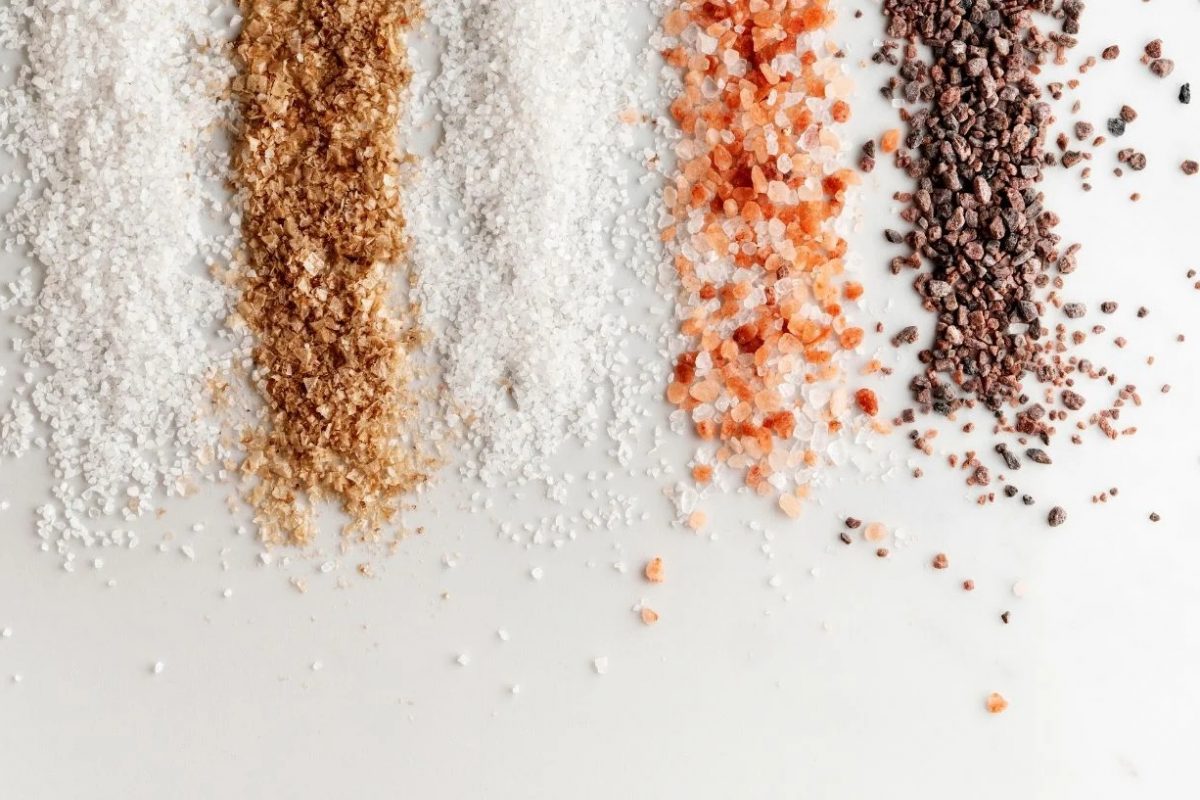
Table salt is the found in most kitchens everyday white, granular salt. It is most often mined from salt mines and then refined to remove other minerals until it is pure or nearly pure sodium chloride. Table salt is often referred to as iodised salt, which indicates that the manufacturer has added iodine. This practice began in the early twentieth century as a government incentive to reduce the incidence of thyroid problems such as goitre, an enlargement of the thyroid gland caused by iodine deficiency. Table salt can taste slightly metallic and can easily become overbearing.
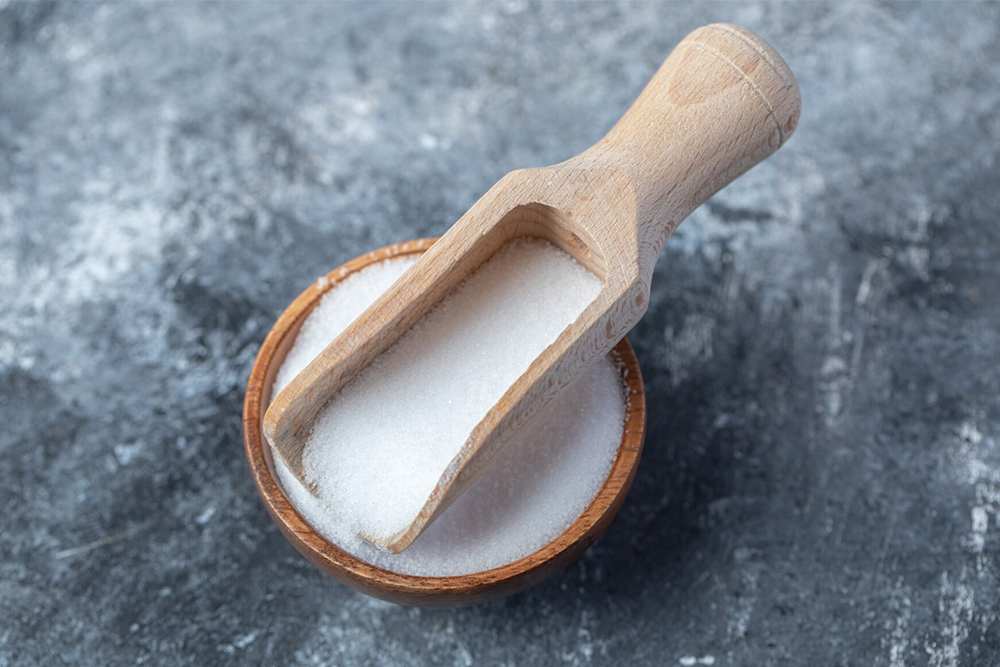
Rock or Parajdi salt
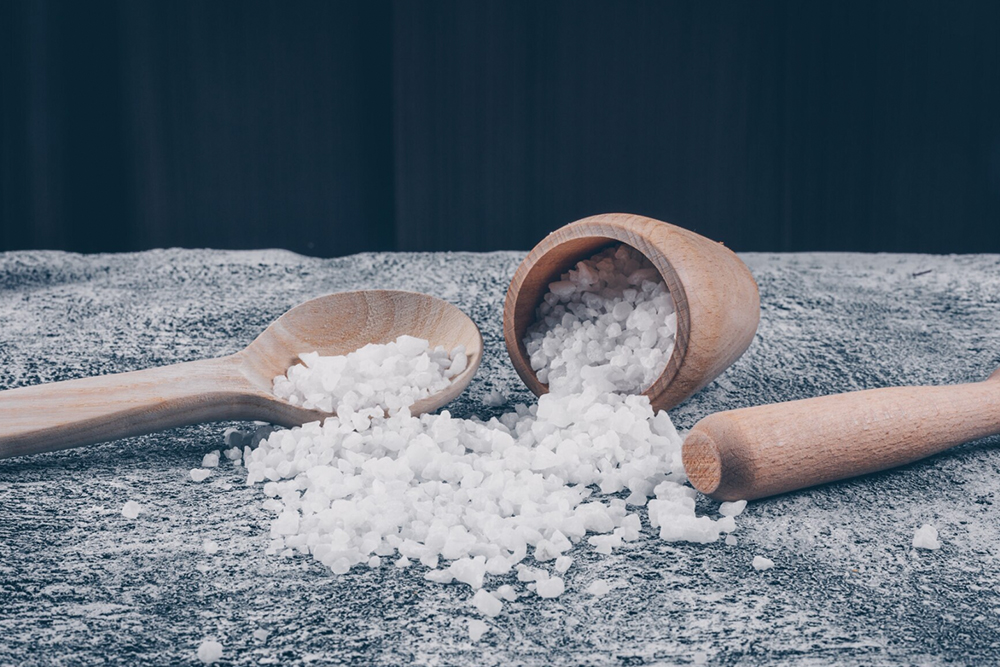
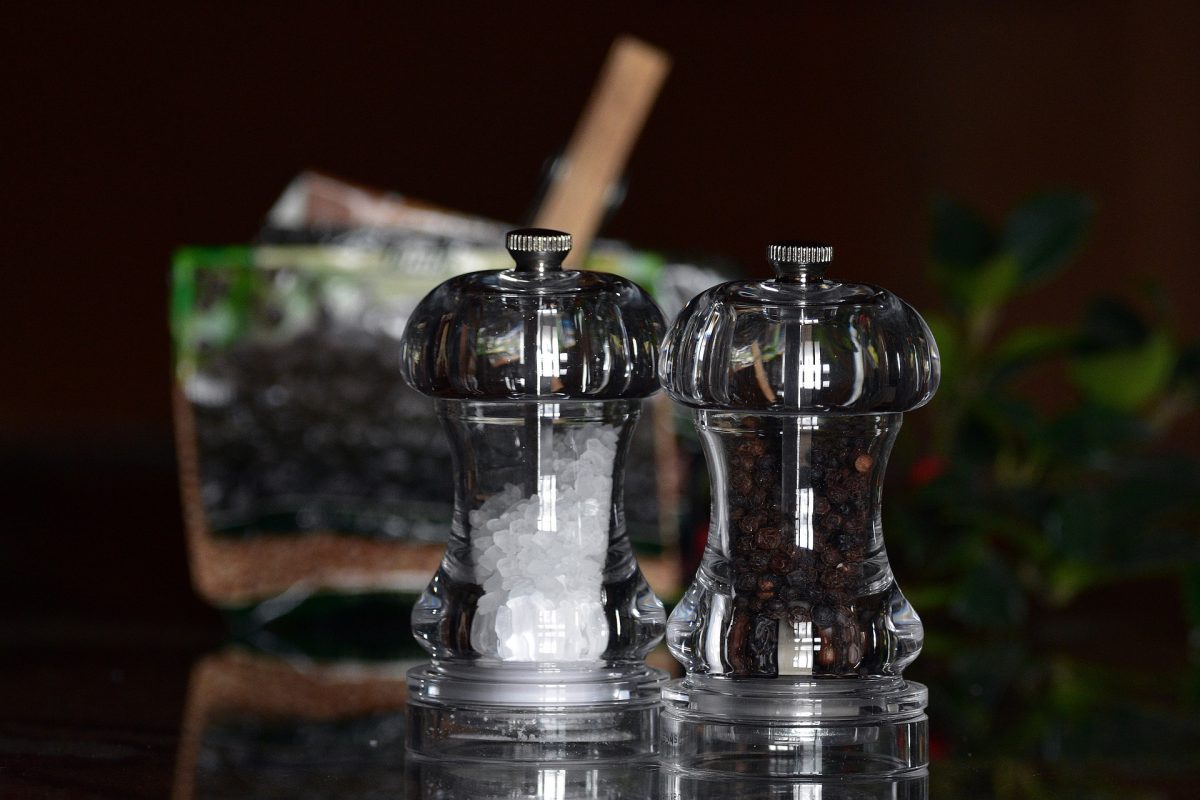
Rock salt is coarse and is usually mined from ancient salt deposits left by the evaporation of water. It is less refined than ordinary table salt and contains more minerals and often more impurities. Rock salt is good for cooking and is best used in salt grinds. It is good for use in blanching water - adding salt to water raises its boiling point, thus reducing cooking time. It's also useful for presentation purposes, for example under oysters so that they don't tip over and don't get lost in the visualSalt. Its flavour can vary depending on the region in which it is mined and it can have interesting properties. It usually has a mild and slightly earthy taste.
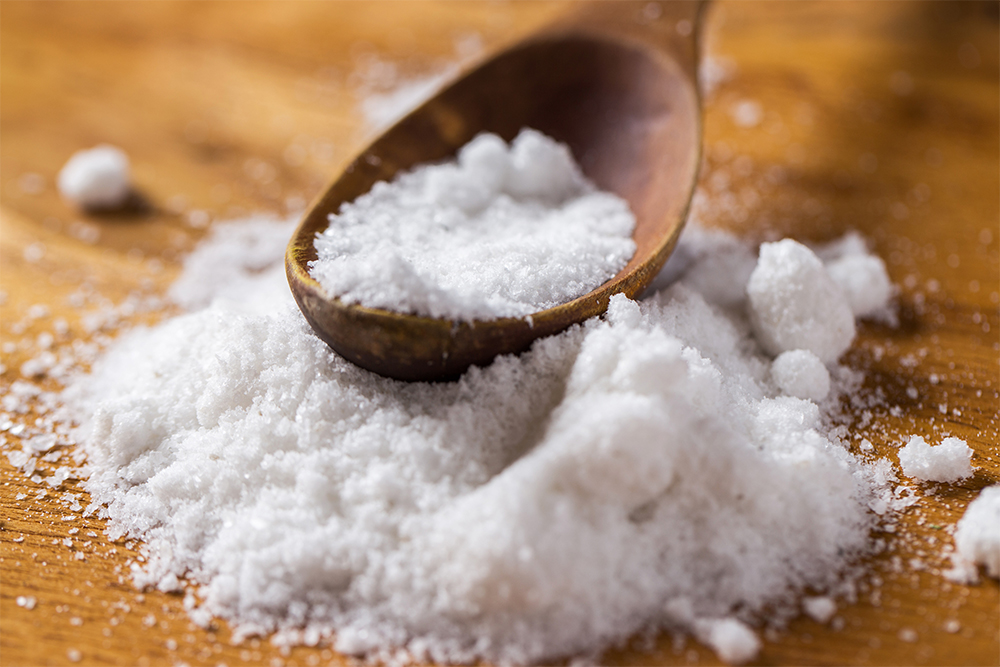
Kosher
Like Parajd salt, kosher salt is mined, but processed and packaged according to Jewish guidelines. This means that no additives or chemicals are added, meaning that kosher salt is not fortified with iodine. It has a fairly uniform taste and texture.
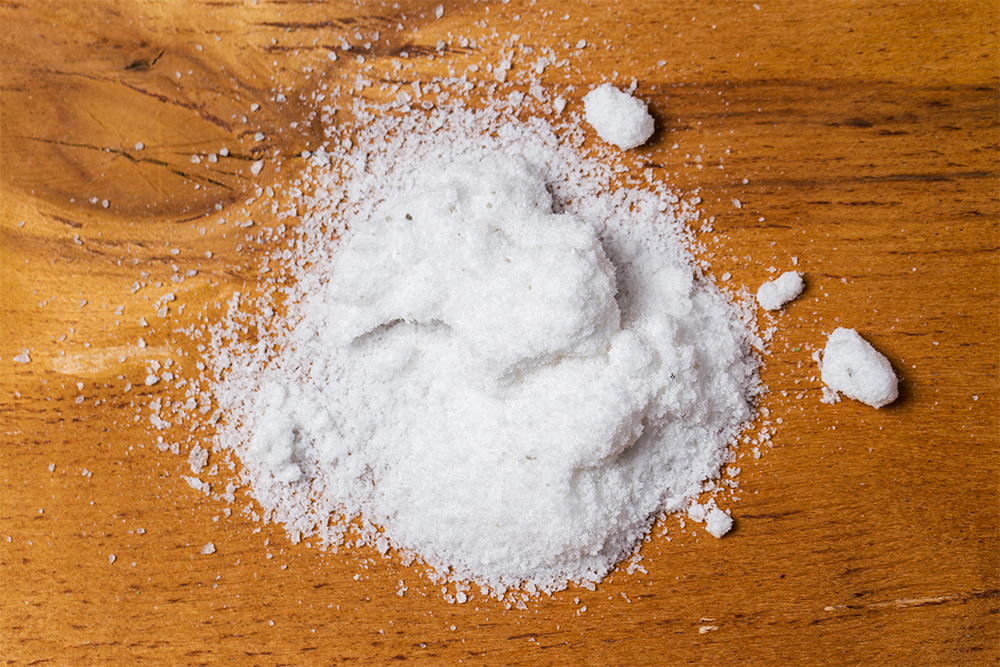
Himalayan
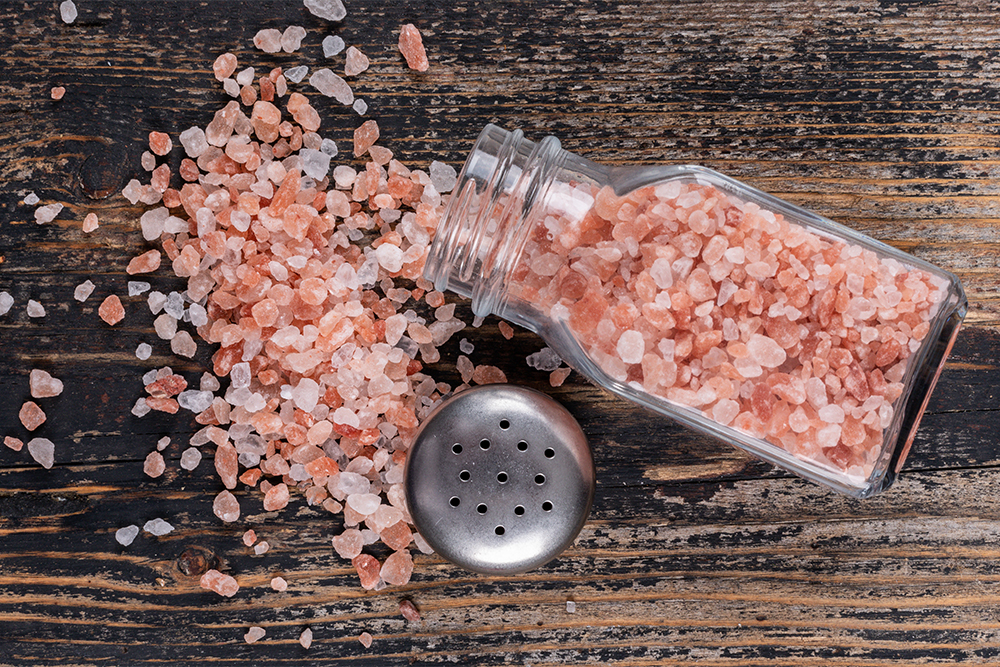
Himalayan salt, also known as pink salt, is a type of rock salt mined in the Himalayan region, mainly in Pakistan. Its characteristic pink colour is due to trace elements in the salt, such as iron oxide. Because of its mineral content, it is often marketed as a healthier alternative to traditional table salt. However, it is important to note that its mineral content is very low and its health benefits have not been scientifically proven. It is now ubiquitous in shops around the world and is often used for its aesthetic appeal.
TENGER
Sea salt comes in several forms: granules, large crystals and flakes. It is produced by evaporation from filtered sea water with a high salt content. As the water evaporates, salt crystals begin to form. The crystals are allowed to settle, then removed, drained and dried. Sea salt (as well as seafood) contains iodine naturally, so there is no need to add it as a supplement. When used in cooking, sea salt mixes seamlessly with food. When used at the table, it imparts a mild salty taste without making other salts salty or “sticking to the lips.”