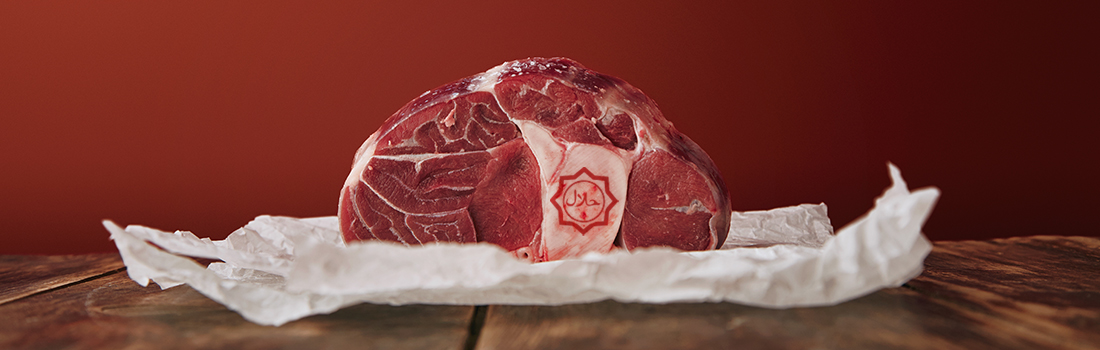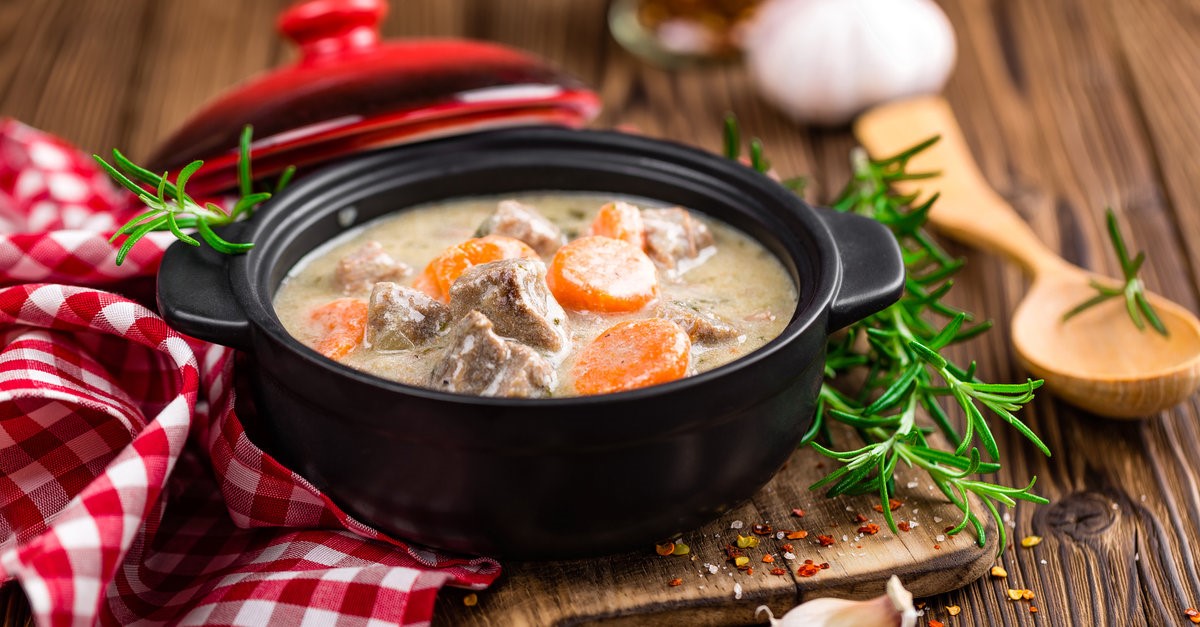






The veal neck with neckline is a great cut of meat to use for a number of reasons. However, you also need to know why and what it is for when cooking.
Decli or no decli
Primarily the origin of foreign languages, for example English deck - The deck, also German deck. In our language - as with many words - it is already in English we just call it simply declining, by the way, by ear. The parts of the meat that are used as stew, chuck, minced meat are: the fat, the off the bone leg meat, the meat that falls off when the pig is cut up, the small pieces of meat, the individual pieces of meat, the about cuts of meat flattened flat meat wrappers - i.e. lids, i.e. declivities.
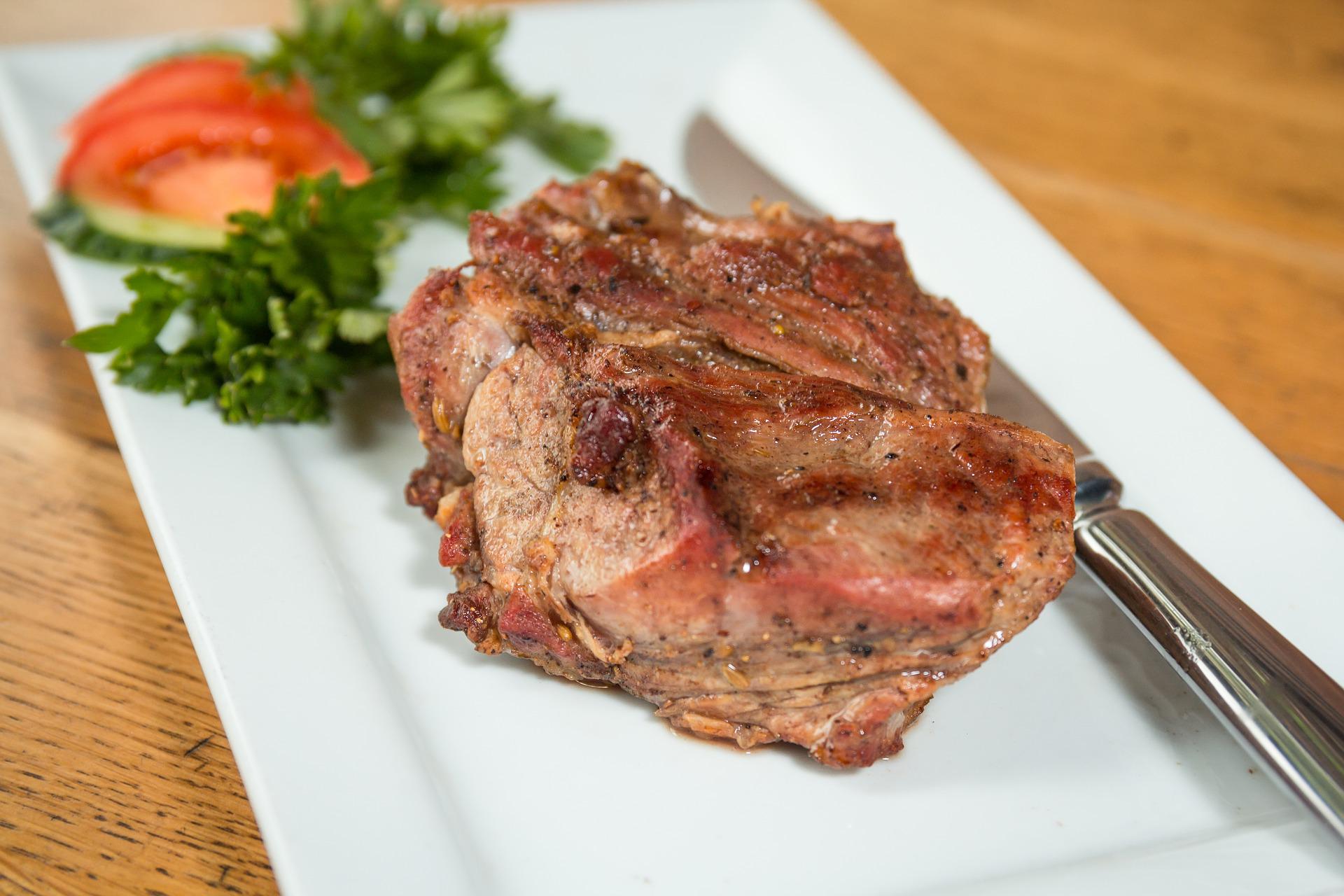
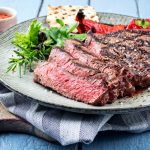
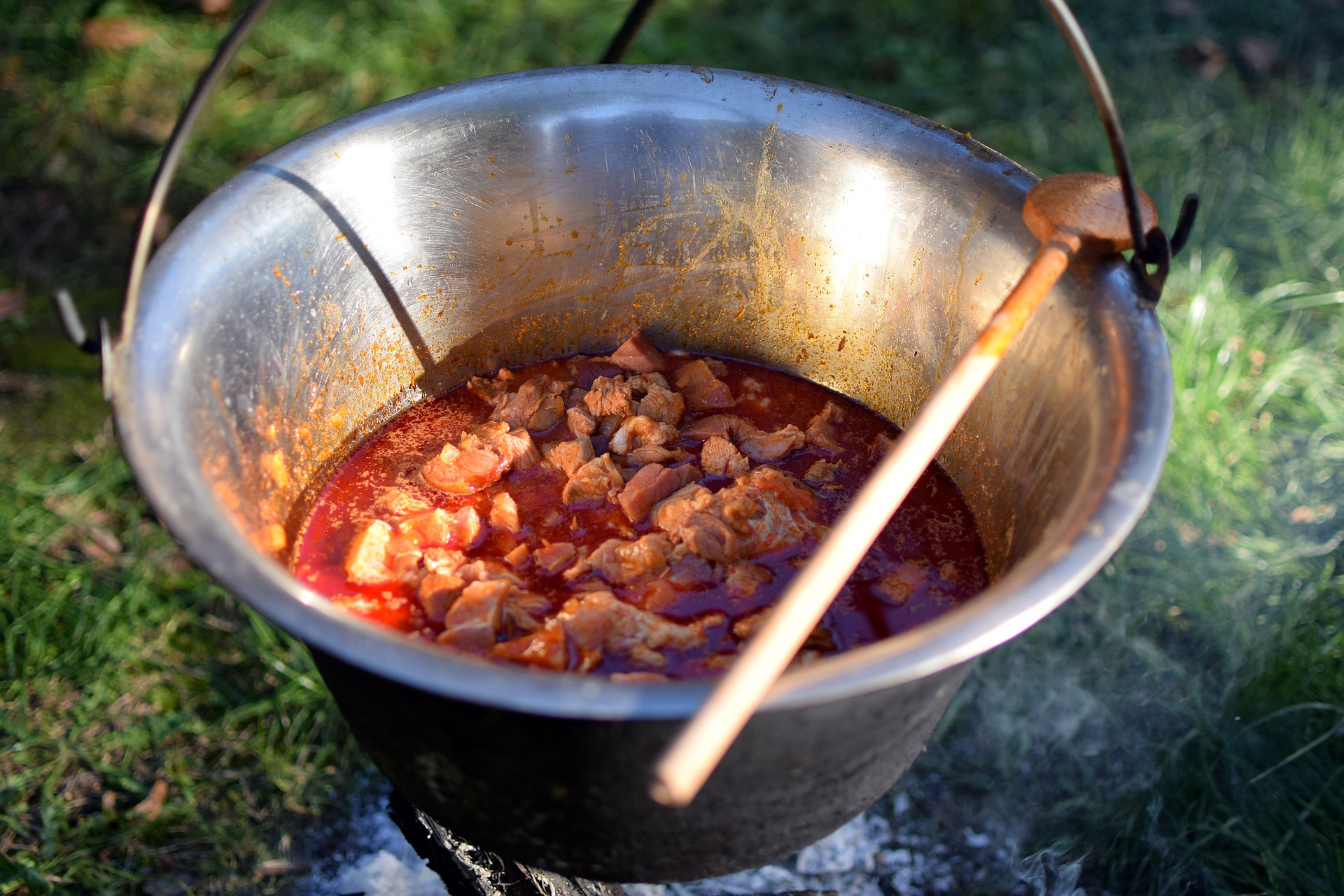
Photo by Flickr
What is a calf
In recipes, veal is generally defined as male cattle aged 18 weeks. calf is very young, but the general definition is that cattle slaughtered and consumed after 12 months of age are officially considered beef. In fact, cattle over eight months younger cattle meat of animals older than 8 to 12 months is called meat of animals young beef cattle. A dairy calf is defined as an animal that has been fed exclusively on its mother's milk and does not weigh more than 150 kg.
Veal is also much softer than beef and therefore tastier. If it is matured, it requires much less time. One of its advantages is that it does not require a long cooking time, so many parts of the veal suddenly discharged you can also prepare. However, this is precisely why it is less used for making base stocks, very rarely used for soup and rarely used for grilling or grilling.
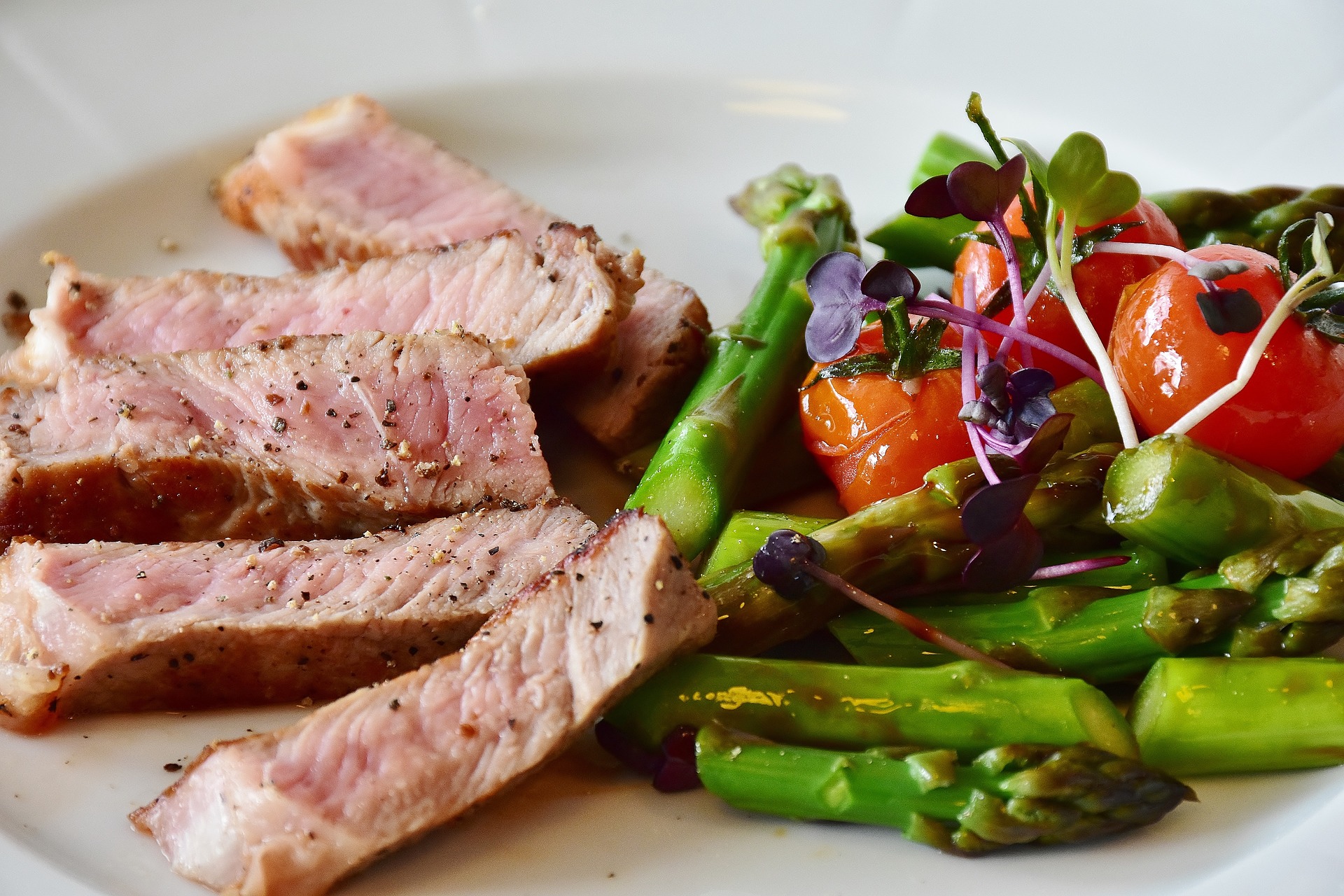
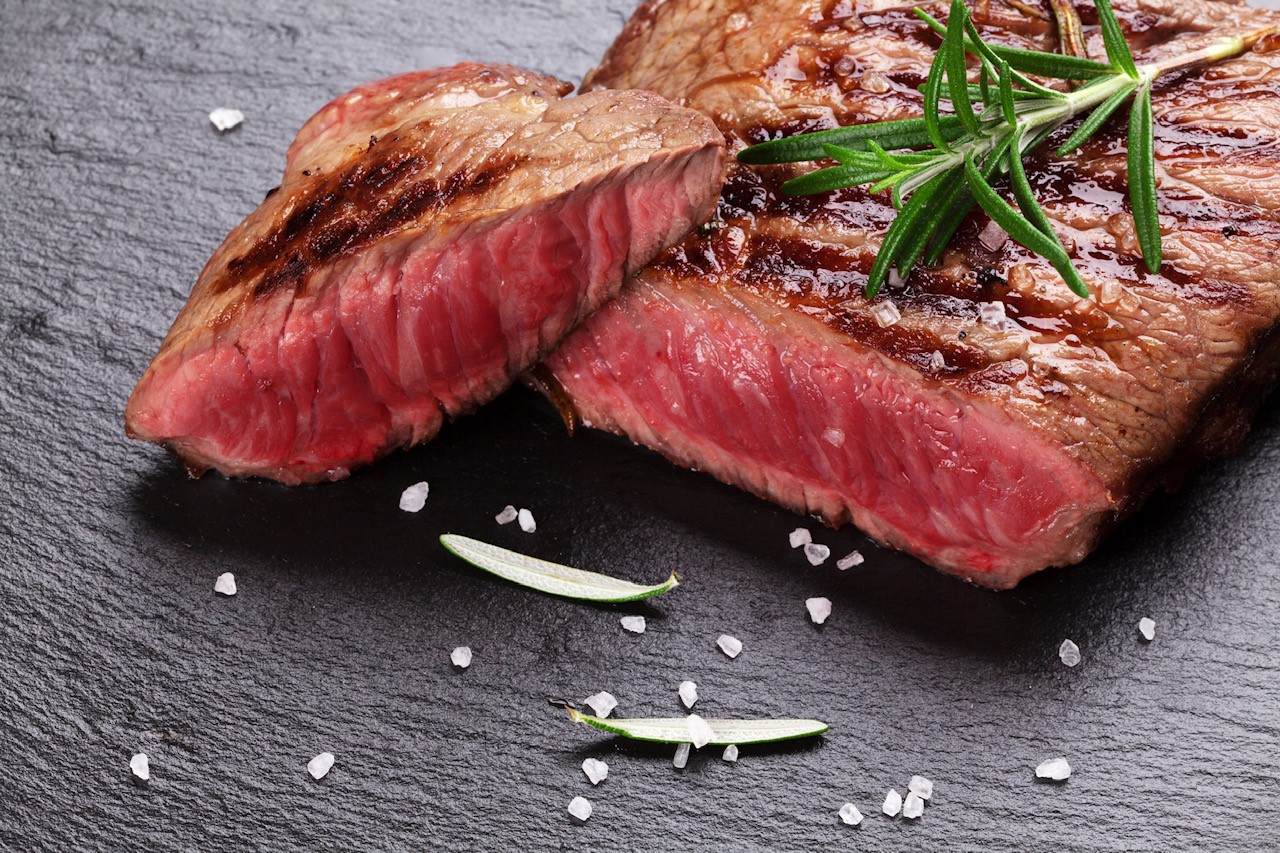
Photo by Pixabay
Top
This is the name given to the top or bottom part of the beef thigh, which is perhaps the most tender, juiciest part. Of course, it's a case of who likes what. However, it is perfectly usable, and can be used in almost any beef dish.
The rounded rump is the part of the hind leg of a cow, specifically the first half of the leg near the bone. The next part of the meat is the plain or long rump. The rounded rump is named after the shape of the meat part because the part towards the head of the thigh is very rounded. But it is also often called a nut, similar to the corresponding part of the pig. It is light in colour and therefore easily distinguishable from the rump.
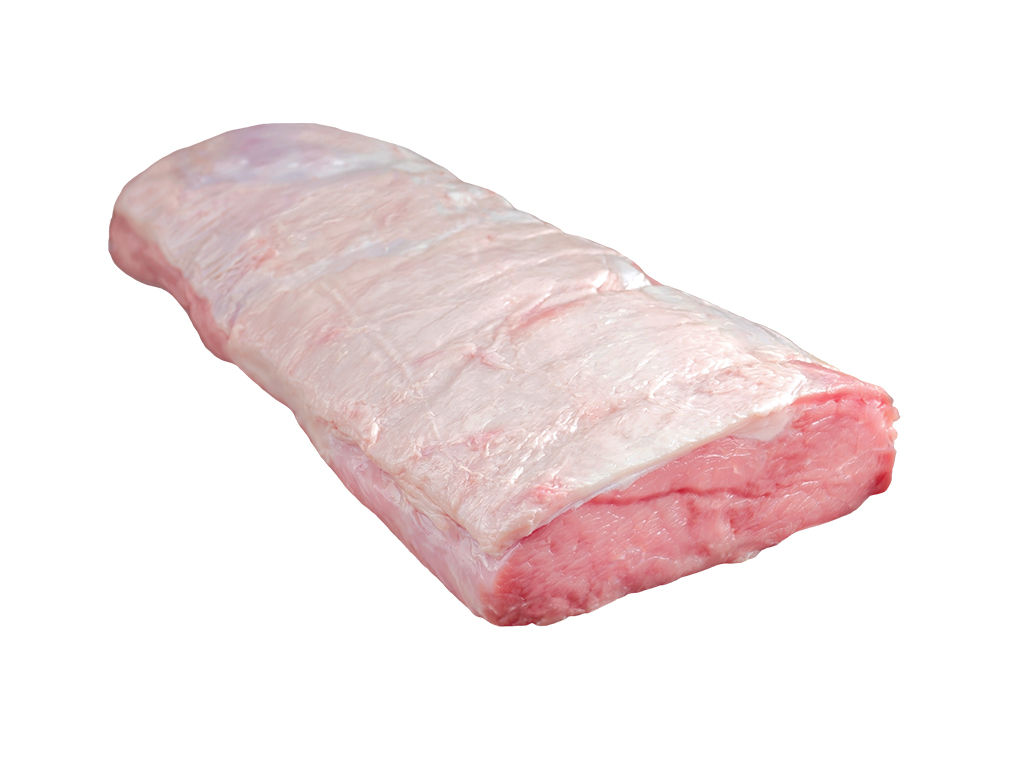
Photo by Matusz-VAD
The veal Peak experiencet ad
Whatever the gastronomic culture, veal is a real delicacy. It used to be eaten almost exclusively on special occasions, as a festive dish. This is due to the soft, crumbly texture of the meat, its pleasant milky flavour and its pleasant pinkish hue. This is because the animal is called a calf until it is 6-8 months old, and is mostly reared on milk, so its flesh does not harden from plant nutrition and exercise. In our country, veal has a special role, and it is also a favourite ingredient in cuisine. The price of good veal is, not coincidentally, roughly double that of beef.
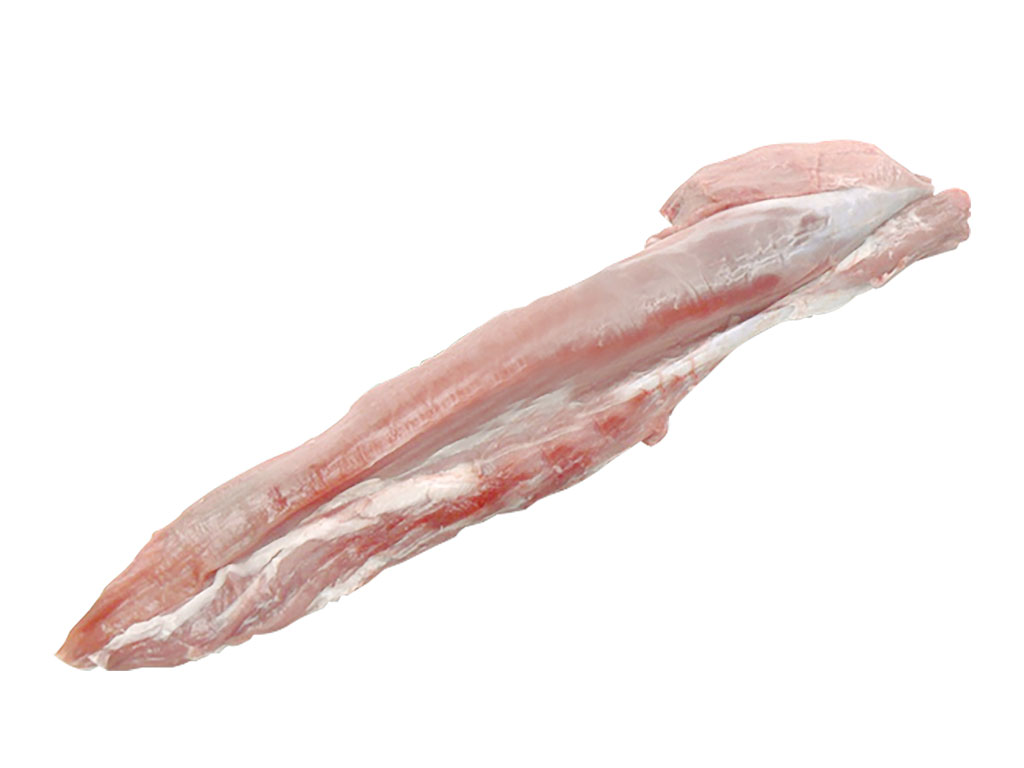
Photo: MATUSZ-VAD
Veal is even healthy
Veal is essentially very high in protein. It contains high levels of vitamins. A great source of B vitamins! It also contains high levels of minerals such as nickel, copper, iodine, iron, phosphorus and zinc. It is also high in potassium and magnesium. It is therefore recommended for muscle fatigue and exhaustion. It has a good effect on the nervous system. Because it has a low cholesterol content, it is also recommended for consumption in the presence of vascular problems. It can be particularly beneficial for people who are engaged in intensive physical activity!
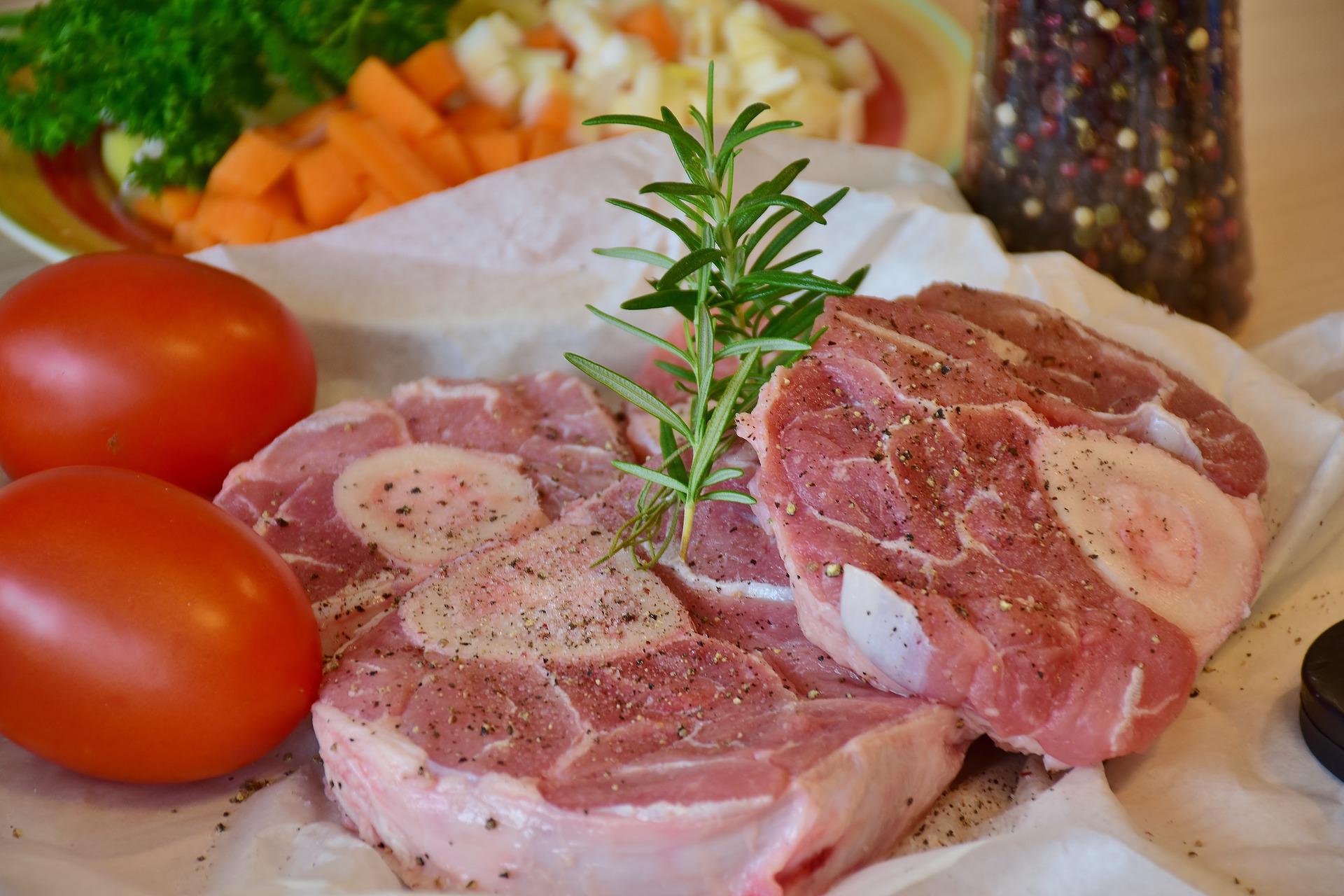
Photo by Pixabay
Designer: Tamás Budafoki