






Every culture has its dishes and ingredients that are held in the highest esteem, and caviar is undoubtedly at the top of the world's culinary elite. Caviar, derived from the twins of various sturgeon species, has been synonymous with elegance, refinement and exclusivity for centuries. Its rich, salty flavour and special creamy texture provide a magical contrast to cold, sparkling drinks and make a worthy introduction to any meal. But how much do you really know about it?
For real chefs, caviar is not just a luxury ingredient. It's an opportunity to offer their guests a taste experience that is deeply rooted in gastronomic tradition, while innovative and served in a contemporary way. That's why it's worth every chef's while to delve into the wonderful world of caviar and discover its infinite possibilities.
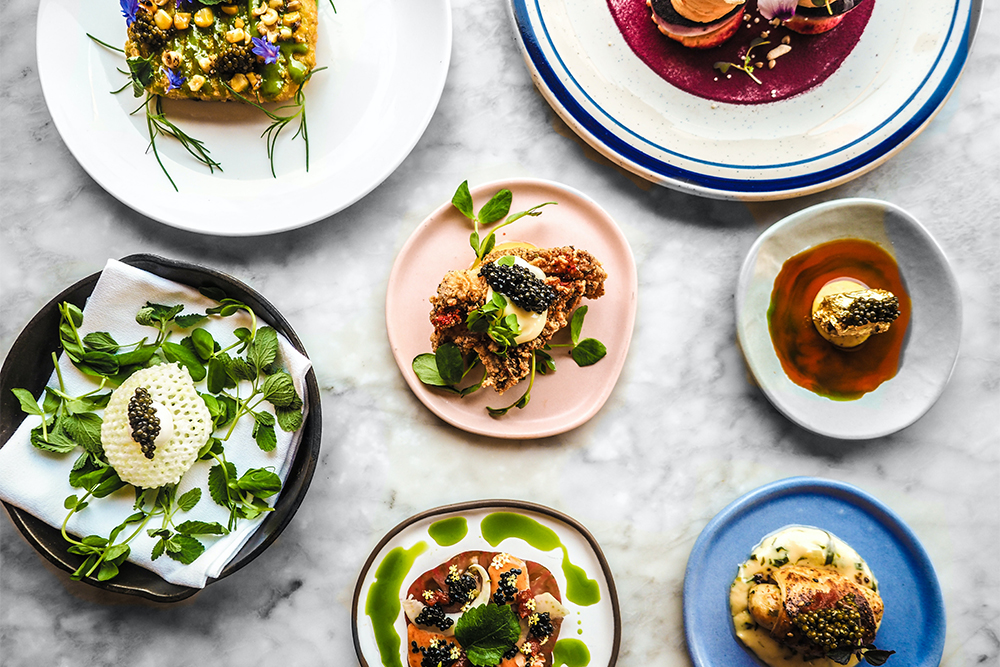
Cooking with caviar requires not only a deep respect for the raw material, but also the art of precision cooking techniques. As caviar is a natural, delicate ingredient, it is important to understand how it can best be used in our palette. Preserving freshness, ensuring the right temperature conditions and using restrained additions all contribute to bringing out the true character of caviar on the plate.
Quality and Freshness
The freshness and quality of the caviar is of primary importance. When storing caviar, avoid high temperatures and keep the sturgeon in a tightly closed container. In addition, choose the right type: Beluga is luxurious and creamy, Ossetra has a richer flavour, while Sevruga is more intense and characterful.
Keep it simple but great
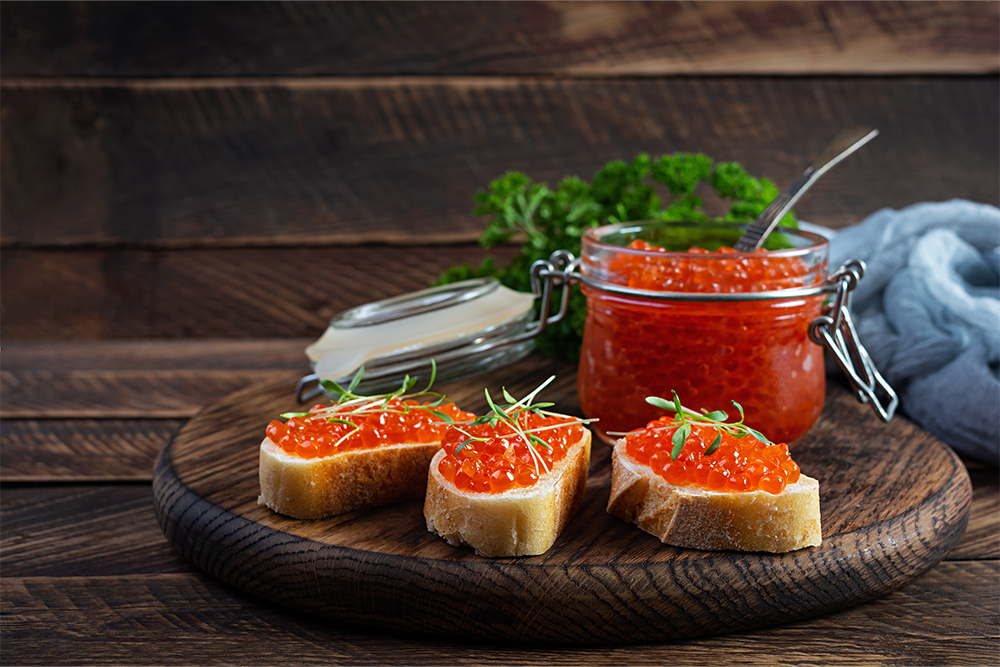
Although impressive on its own, simple accessories such as the butter toasted white Bread or blini, and sour cream, can further enhance the experience. The flavours and textures should harmonise and not overcomplicate the preparation.
Cold Drinks for Pairing
The salty taste of caviar perfectly complements the cold, clean taste of champagne or vodka. These drinks bring out the flavours of caviar and are an excellent counterbalance to its salty character.
Cautious Use with Hot Foods
Avoid placing them on top of hot food, as the heat can cause the eggs to break apart. If you do pair it with a hot dish, keep it only medium hot and add the caviar at the last minute, preferably with a “layer” between the hot dish and the caviar. We are thinking here of a crunchy element or a small leaf of lettuce.
Innovation in the Kitchen
Don't be afraid to experiment! Caviar works amazingly with seafood, like mussels or oysters. It also offers an exciting contrast when combined with sweet and savoury dishes, such as caviar desserts.
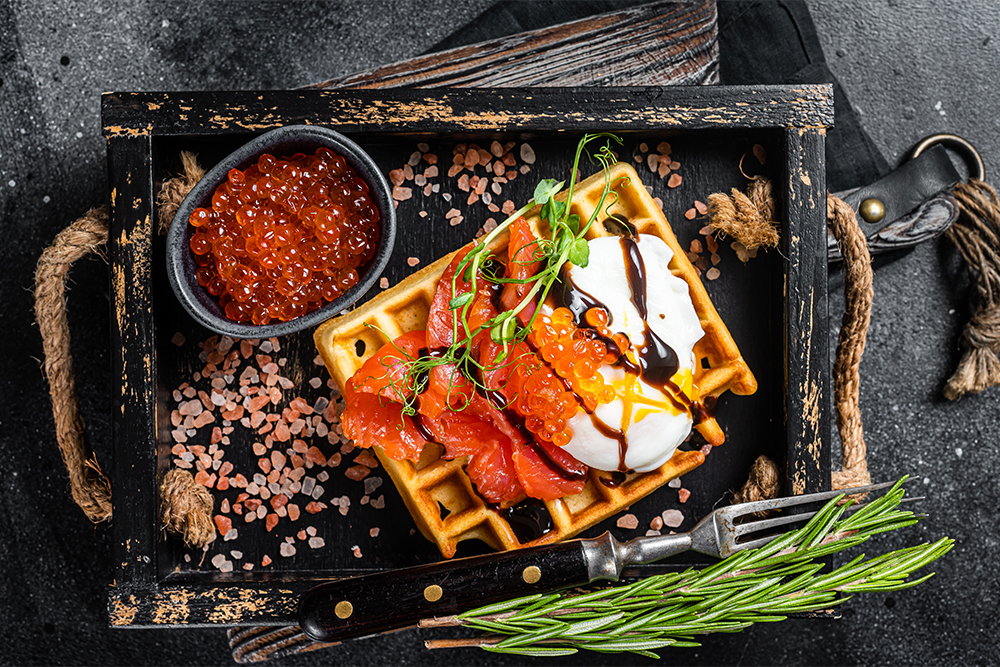
Caviar is not only a great ingredient, but also a symbol of creativity and sophistication. When we use it in the kitchen, we honour its heritage and traditions while serving it in new and exciting ways. Working with caviar is a challenge, but the end result is sure to impress and provide restaurant guests with an unforgettable gastronomic experience.