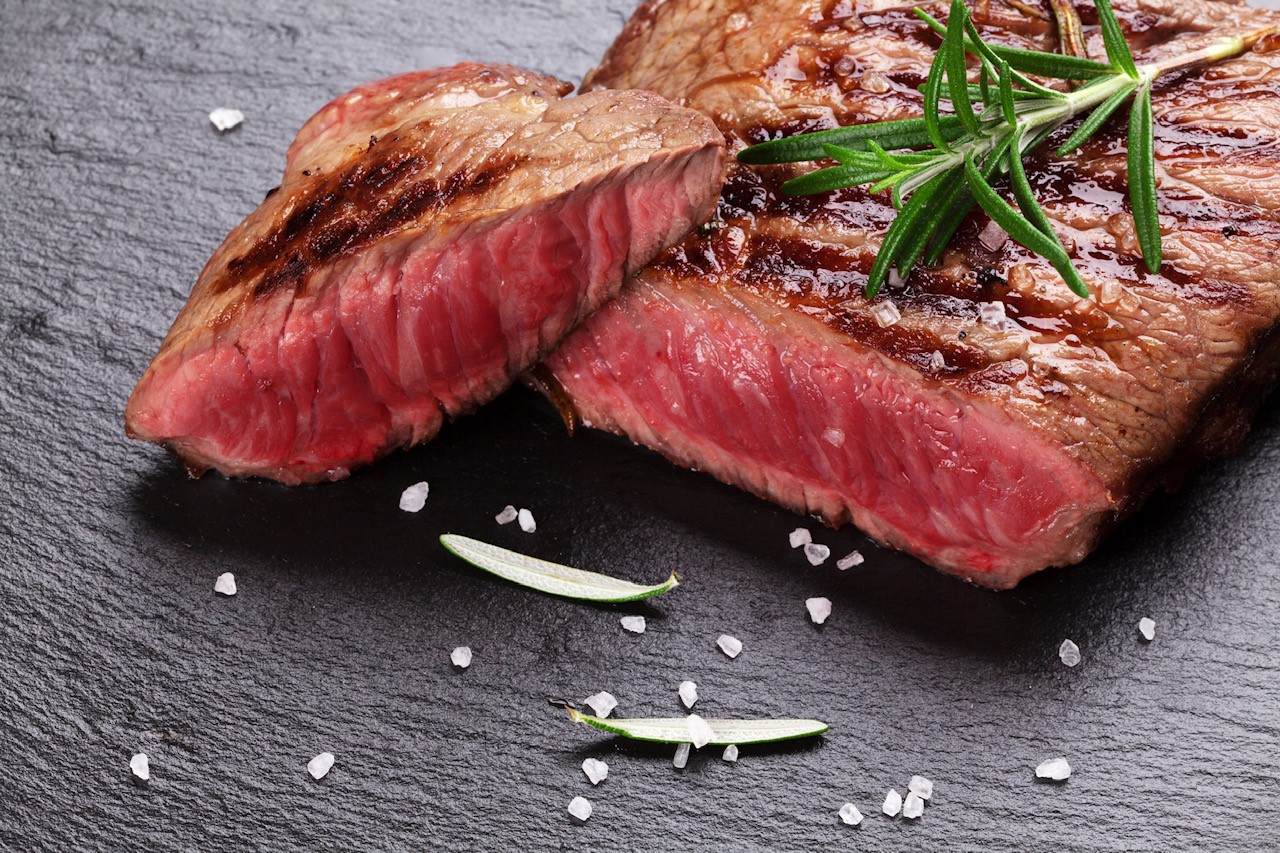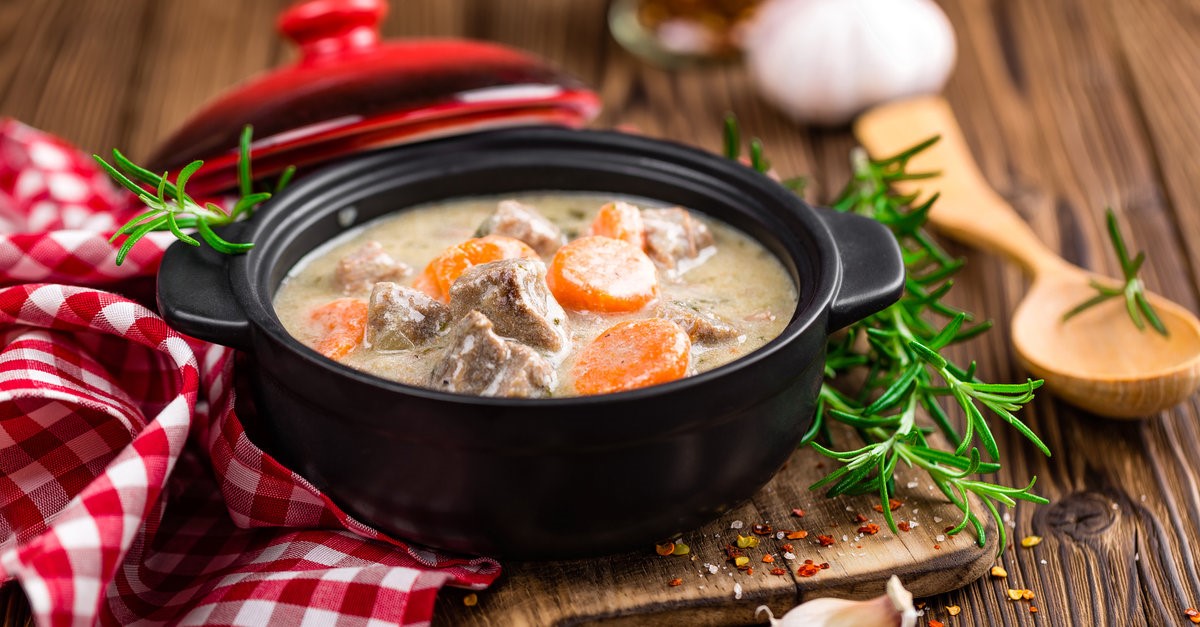







The steak is wonderful! Today, it has become a cult, with entire industries specialising in meat lovers. It's absolutely fundamental that the better the quality of the meat, the better the food you can make. But few people understand the ins and outs of the process. It takes a great deal of encyclopaedic and practical knowledge to really create the perfect steak.
WHAT A GOOD BEEF IS
Good steak is not magic. It simply depends on the breed and the overall housing conditions. This obviously needs to be looked at from several angles. The primary consideration is professional demolition, when the right parts are put in the right place. Then comes one of the most important phases, the maturation, and only according to these basic criteria can the highest quality.
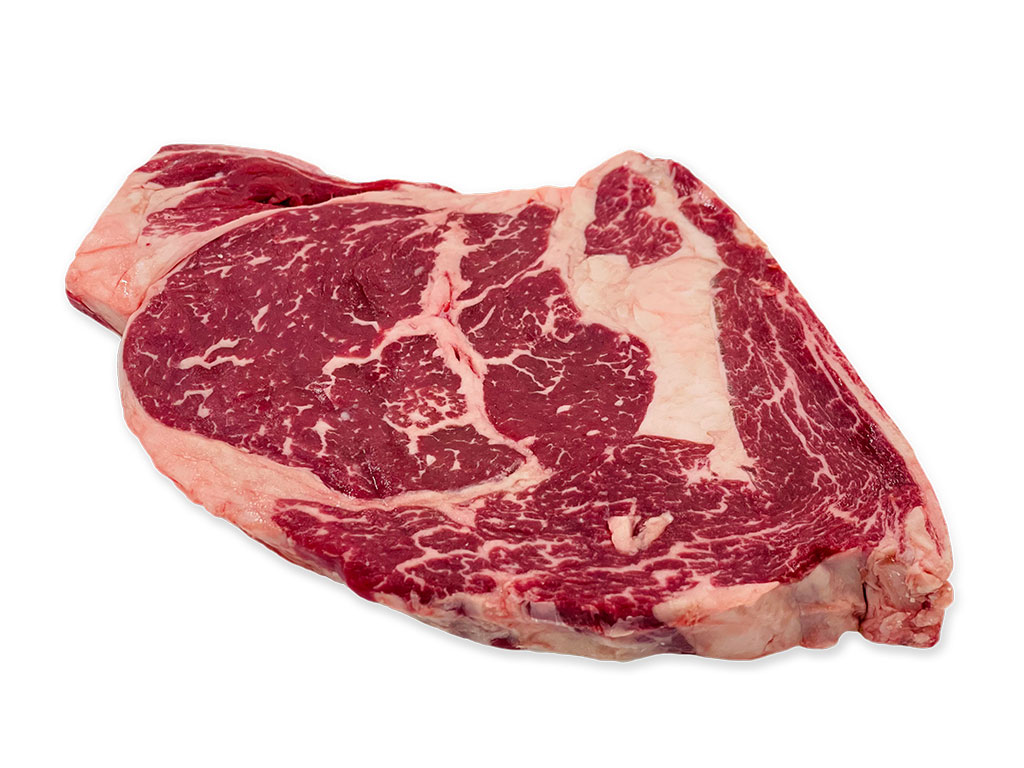
Photo: MATUSZ-VAD
A big difference in quality of supply
In most cases, only the expert eye can discover the quality differences. This is a very important factor when really good steakeIf you want to make a product, make sure you have a thorough assessment of the raw material. If this is important, it is inevitable to source the raw material from experts who have accumulated years of knowledge. The „art” of beef farming has been growing in our country for many years, but it is still in its infancy compared to the supply of world-renowned breeders who can actually produce quality. This simply has developed in this way because, although there are indigenous breeds, their keeping and breeding is not always at the highest level of total quality. A quality but steak ingredients are already available at home. These include Angus, Galloway, Wagyu, Charolais, Limousin, Blonde, Aubrac, Salers, Belgian White and Blue, and the most common foreign breed, Hereford. The meat produced by these breeds is already fully capable of producing a quality steak.
Photo by Pixabay
A WAGYU
Wagyu is the king of steaks, as it is commonly known, Kobe beef. It has been growing in popularity worldwide for many years. It's no coincidence that it is the preferred choice of gastronomy professionals and the most preferred variety of gourmets. There are also many legends about the conditions in which it is kept, and it is almost over-mystified, although it could be reproduced almost anywhere, at any time. Of course, the Japanese are meticulous to the smallest detail and totally committed to their work, so it's not surprising that they produce the highest quality.
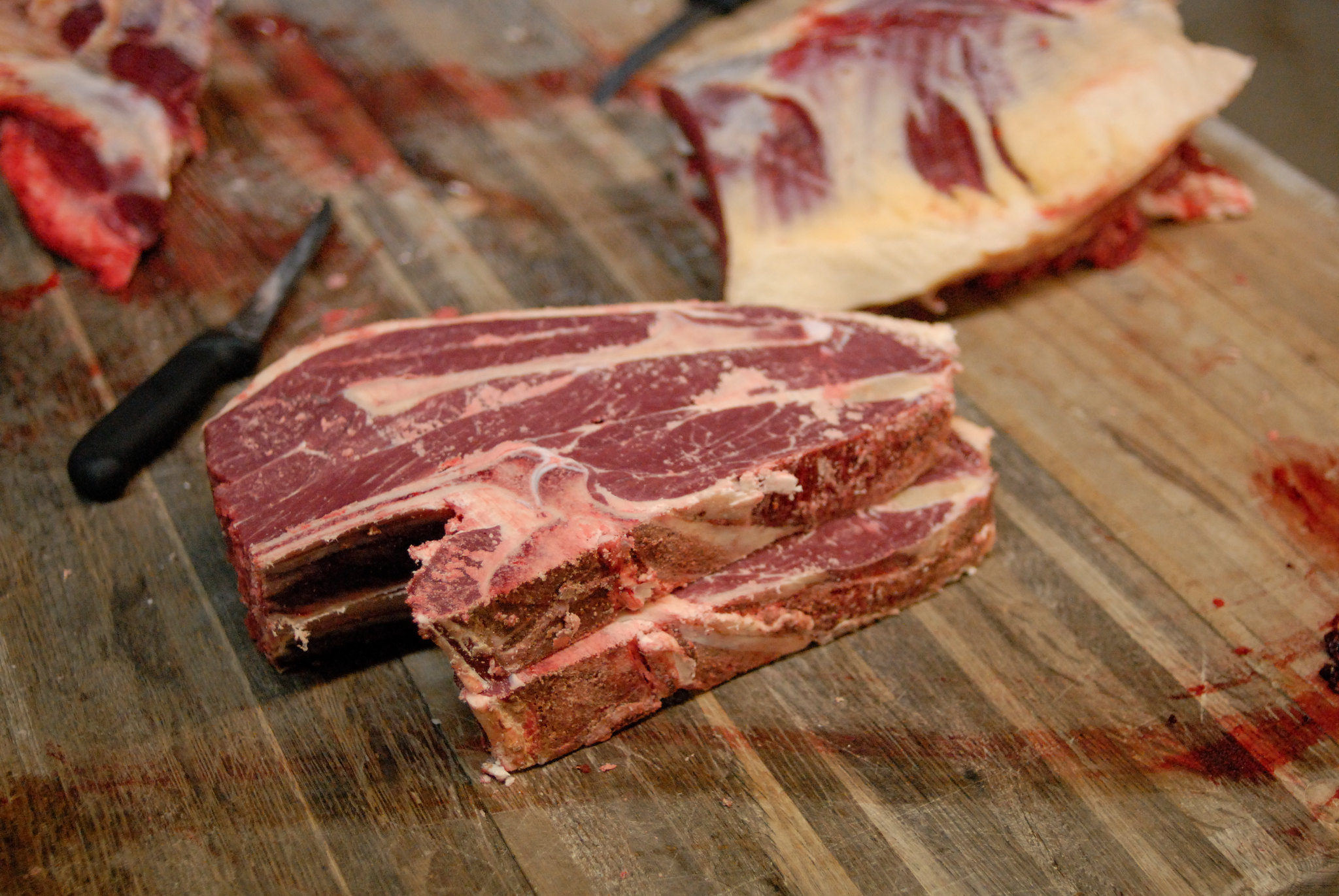
Photo by Flickr
Dry ageing
If you think more seriously about what makes steaks so good, you have to realise some basic things. Dry curing is the process of maturing large cuts of beef over a long period of time, even months. It starts by cutting it into a „steak”, so you know what you're going to get when you're processing it. This not only helps the flavour of the steak to develop during the curing process, but also makes it much softer than if it were completely fresh. The basic conditions for proper dry-aging are ample space, the right temperature and humidity. All of this requires very precise workmanship, otherwise the meat can be ruined very quickly.
Fundamental changes during dry ageing
Beef in the dry matter three fundamental changes in its structure occur during ageing. The first is the loss of moisture. Meat subjected to curing loses 30-40% of its volume during dry curing. During this process, the flavour is concentrated. The outer layers of the meat may dry out so much during curing that they have to be cut off before cooking.
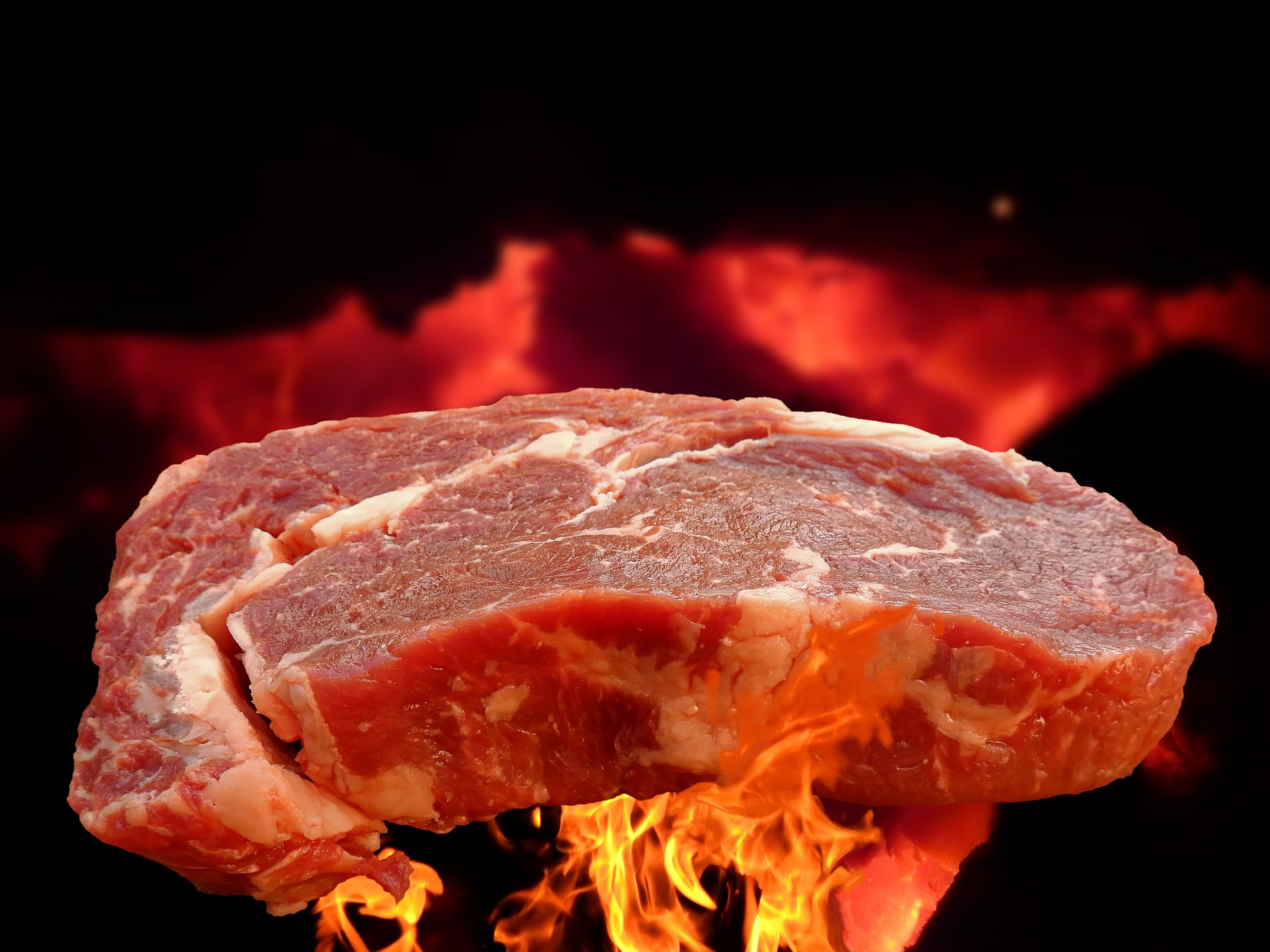
Photo by Pixabay
Softening of the meat, tenderness occurs when enzymes naturally present in the meat break down some of the harder muscle fibres and connective tissues. A basic characteristic of a properly matured steak is that it has a much softer texture than a fresh steak.
„The curing process, special equipment, storage costs and, most importantly, the time involved, significantly increase the price of steak.”
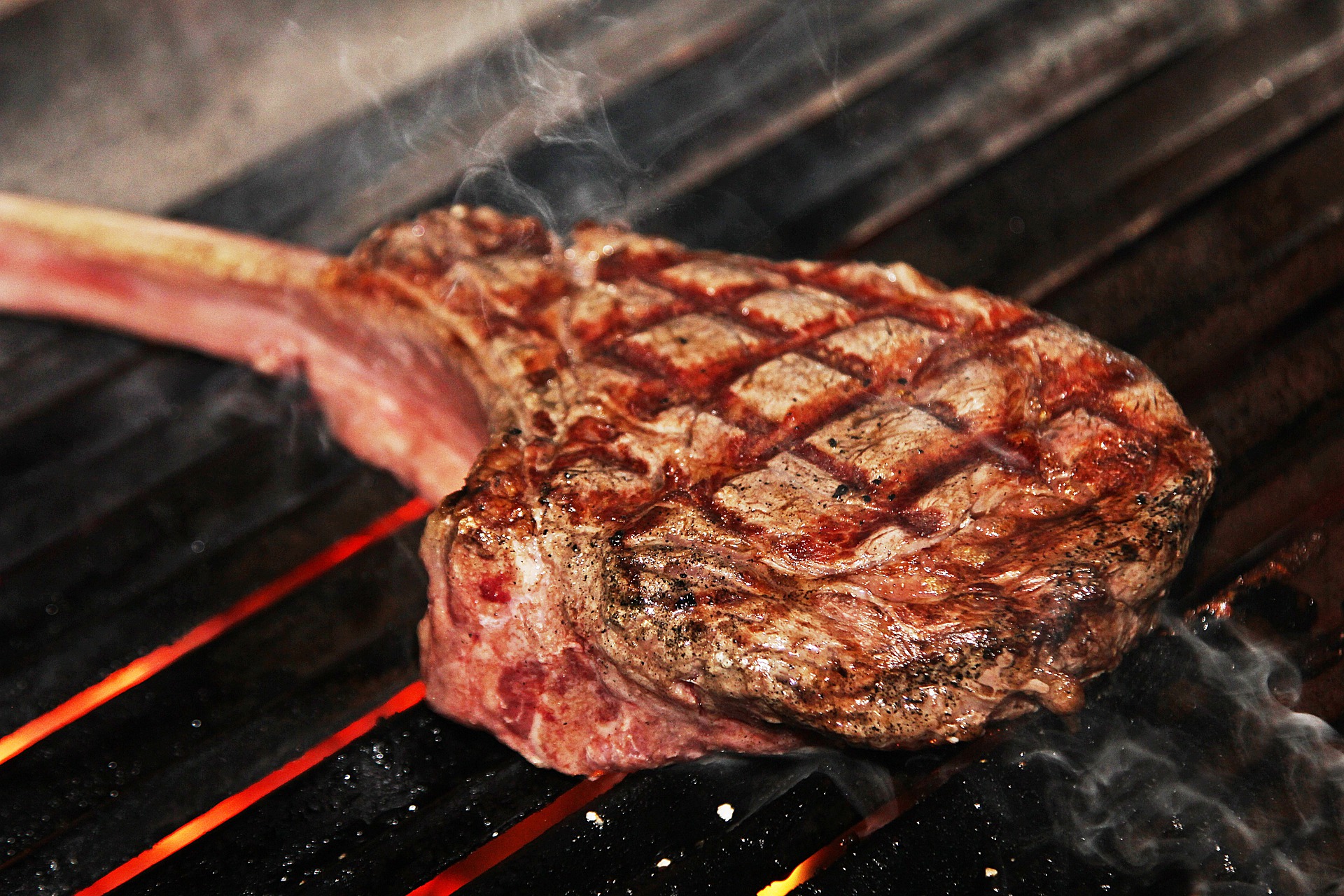
Photo by Pixabay
QUESTION
In several countries around the world, meat quality categories have been established that classify meat according to taste, texture, juiciness, or gustative aspects, rather than meat shape.
The marbling of Japanese Wagyu beef in grade 12 is so marbled in the fat layer that the meat is almost white. This meat can cost up to 120-180 thousand forints per kilo. The highest quality category in France is the AOC and Label Rouge. It guarantees controlled rearing conditions. The USDA, on the other hand, is one of the quality assurance systems for American food and its labeling on steaks.
Author: Tamás Budafoki