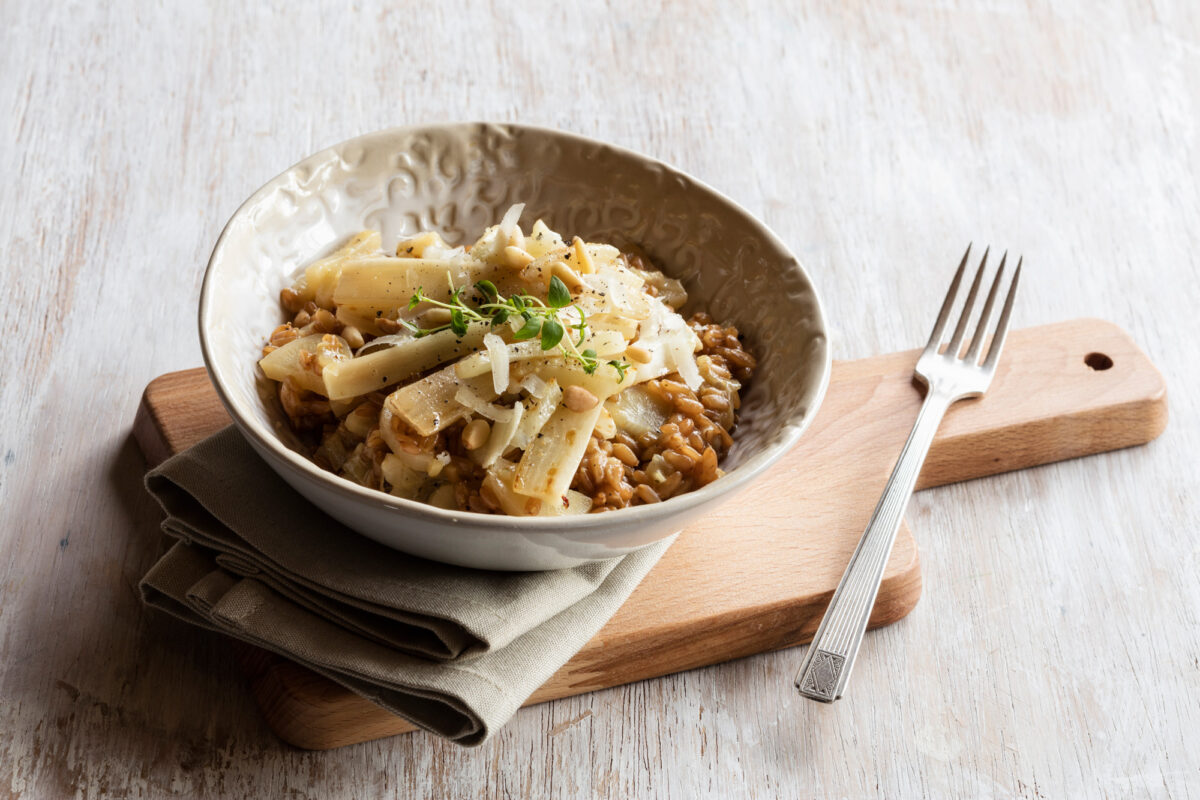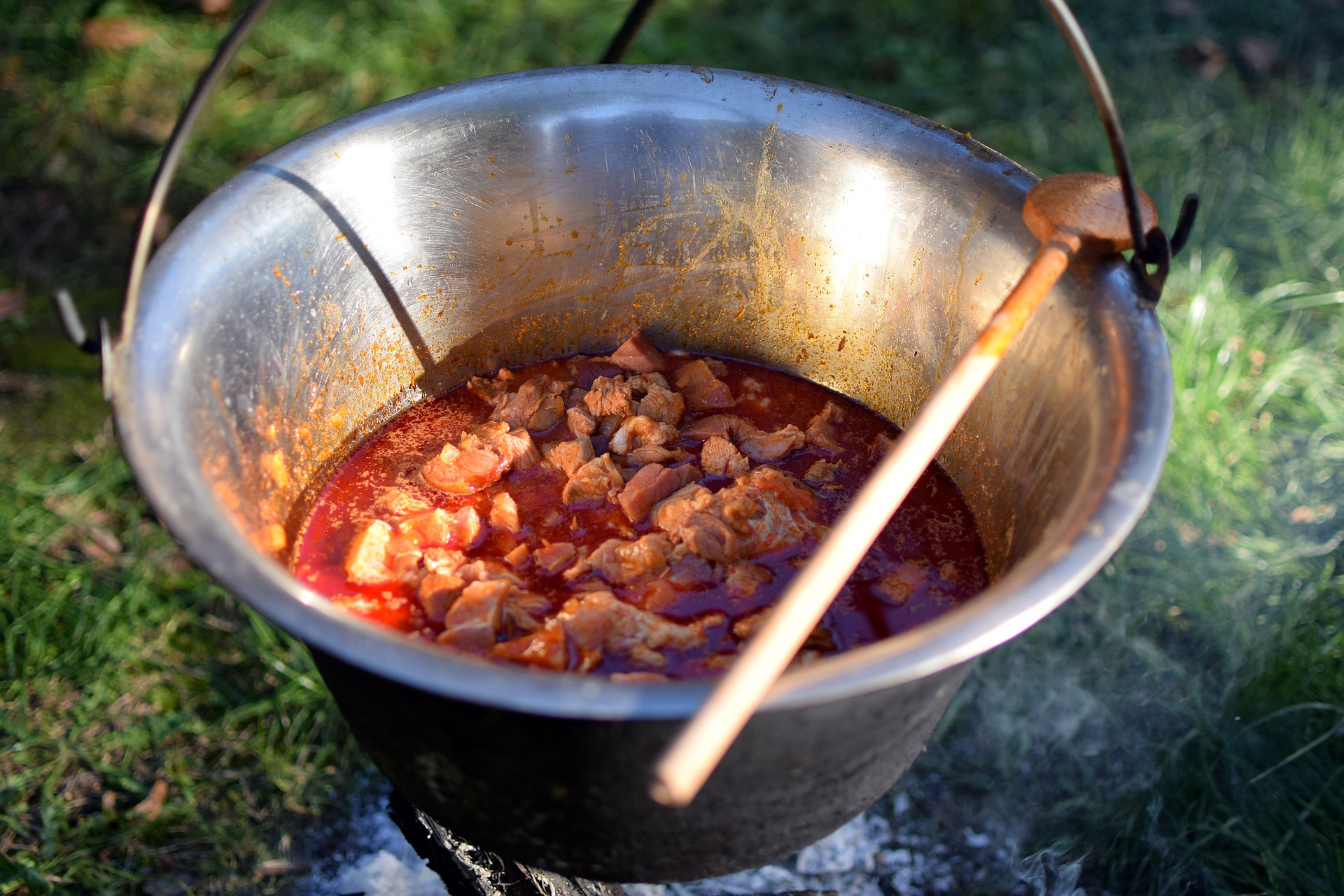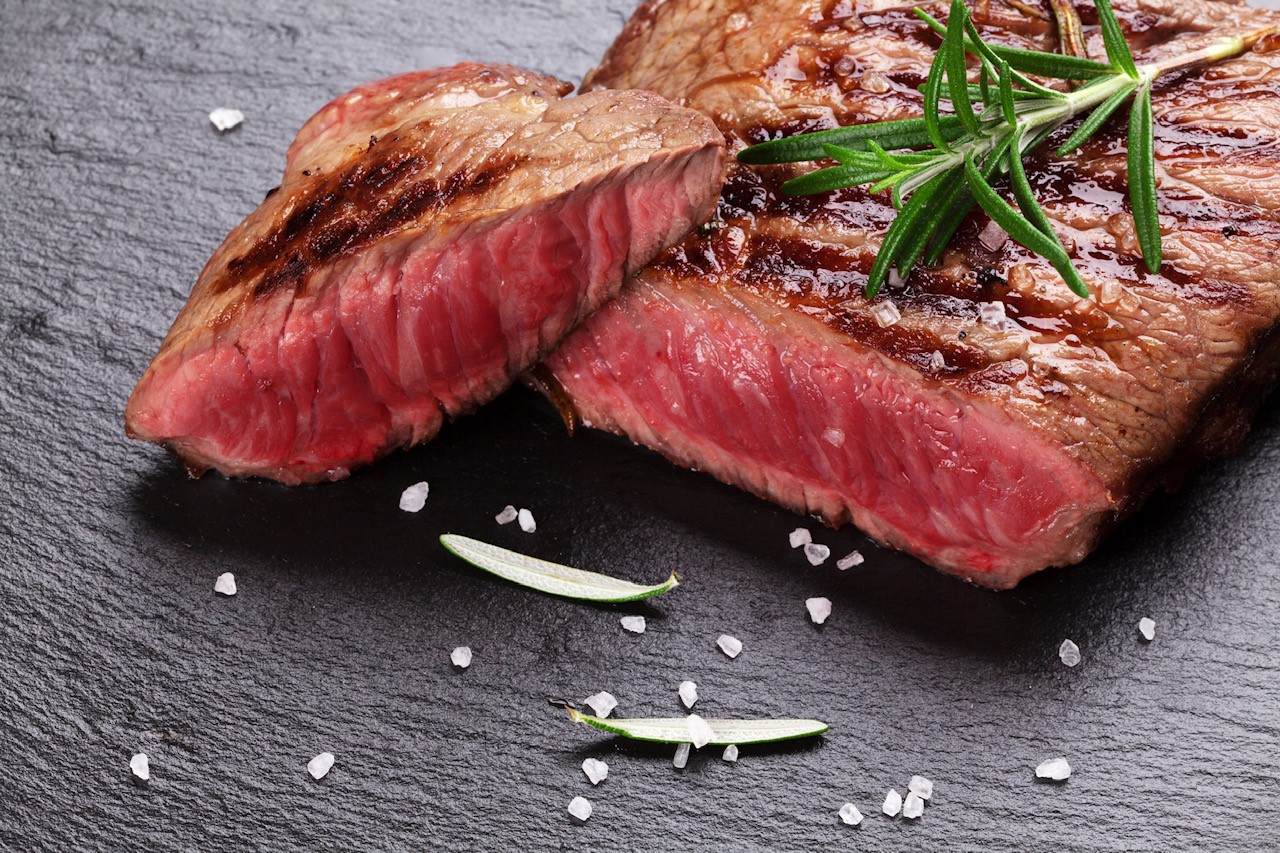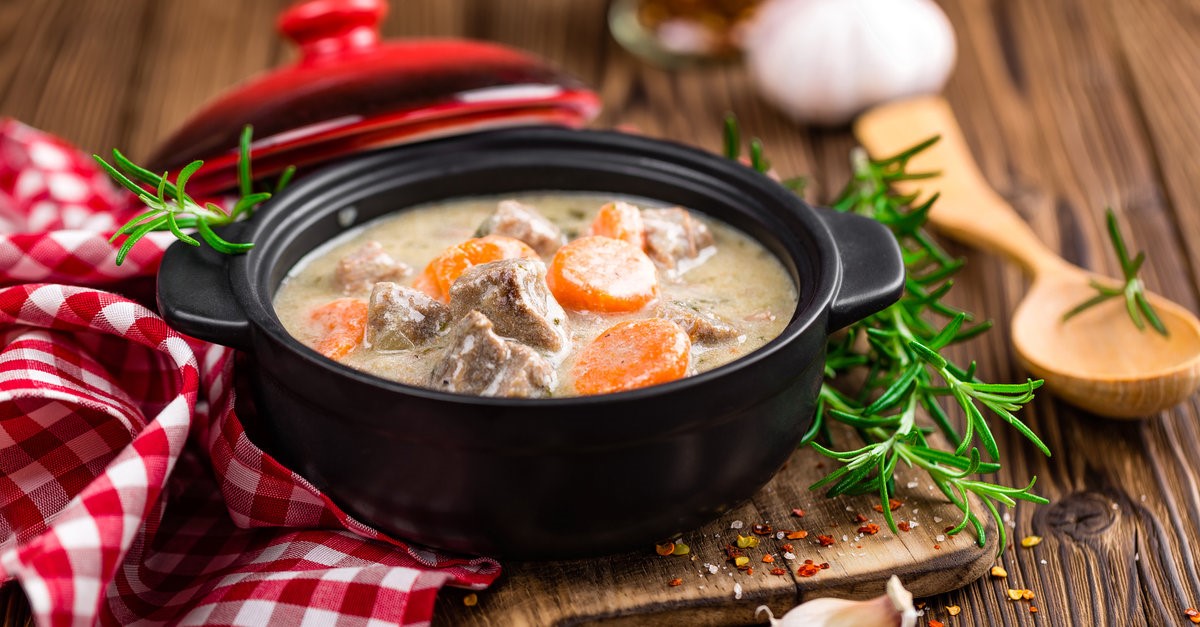







The new year's attitude in the hospitality industry is often linked to an increased interest in healthy and light meals. Dreaming up winter dishes also brings new inspiration and exciting challenges to the kitchen. In this article, we look at the season's typical ingredients and give you specific tips to help you create new and exciting dishes.
The Importance of Winter Raw Materials
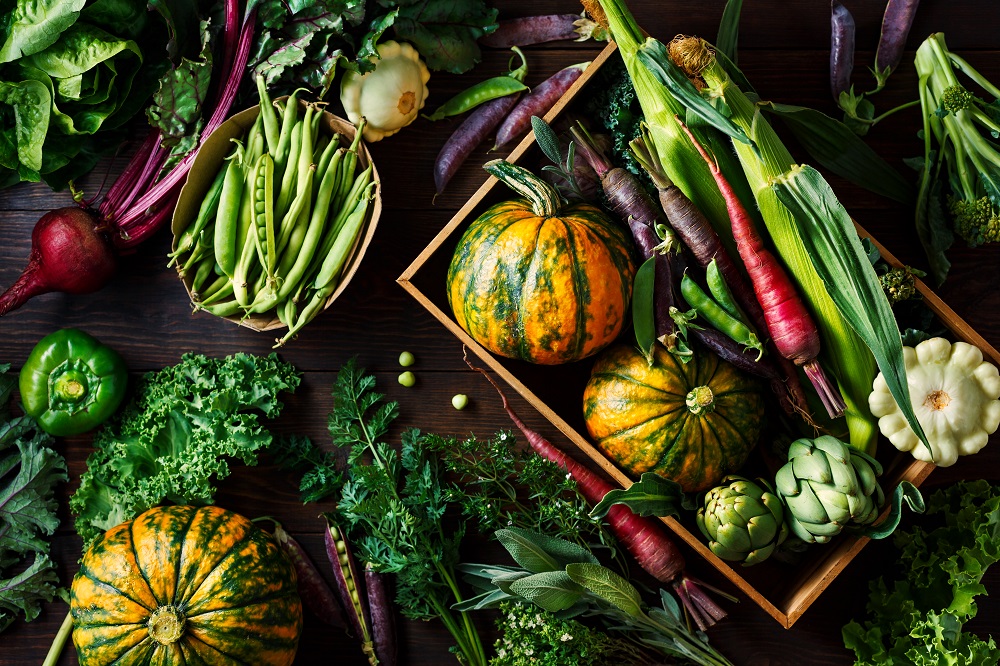
- Seasonal Freshness: The main feature of winter is the seasonal vegetables and fruits, such as pumpkins, kale, root vegetables and citrus fruits. Not only are these ingredients fresher and richer in flavour, but they are also higher in nutrients.
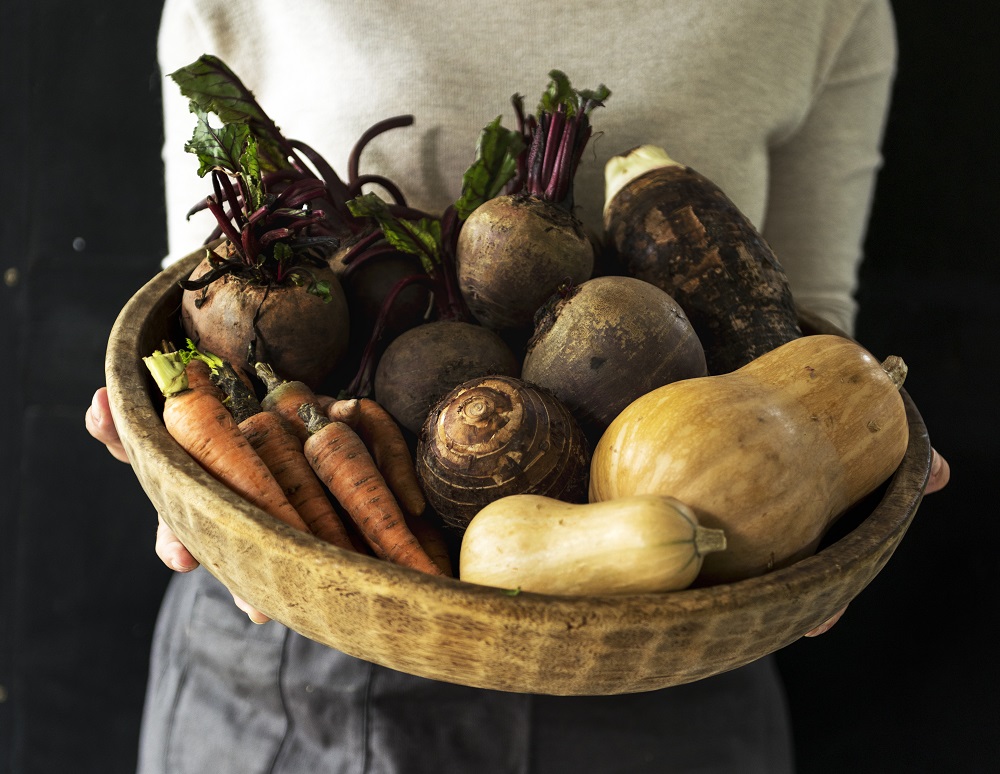
- Nutritional Value: Vegetables such as carrot, Beetroot and parsnips, with their high nutrient and fibre content, are excellent for a healthy diet. Citrus fruits are rich in vitamin C, which is particularly important in the cold months.
- Creativity and Innovation: The limited availability of ingredients in the winter months gives cooks the opportunity to experiment with new flavour combinations and textures, breaking the kitchen routine.
How to use it?
This is the peak season for root vegetables, dark green leafy vegetables and certain fruits such as citrus fruits and pomegranates. Not only are these staples nutritious and tasty, they also contain particularly important vitamins and minerals during the cold months.
- Beetroot and parsnips: These vegetables are ideal for cream soups, stir-fries and purees. They are rich in vitamin A and fibre.
- Beetroot: Its intense colour and earthy flavour are perfect for salads, soups and even desserts.
- Sweet potatoes: Thanks to its versatility, it's great for baking, pureeing or even grilling.
- Kale and spinach: These vegetables are a fantastic source of iron and vitamin K. They can be used in main dishes, salads and even smoothies.
- Broccoli and Brussels sprouts: Perfect for steaming, grilling or even raw in refreshing salads.
- Citrus fruits (oranges, mandarins, grapefruit): These fruits are rich in vitamin C and are great in desserts, salads or even cocktails.
- Pomegranate: Its dazzling colour and explosive flavour are perfect for salads, desserts and sauces.
Easy winter dishes
Appetizers
- Roasted beet salad with orange vinaigrette: Fresh roasted beetroot slices topped with a sweet and sour orange vinaigrette.
- Steamed kale and apple salad: A light yet tasty starter that combines the crunchy texture of kale with the freshness of sweet apples.
Main courses
- Pumpkin risotto with goat cheese: A creamy risotto made irresistible by the sweet taste of pumpkin and the piquant aroma of goat cheese.
- Grilled trout with almond and broccoli garnish: Light, omega-3-rich trout served with steamed broccoli topped with crunchy almonds.
Desserts
- Lemon and blueberry panna cottaA light, refreshing dessert that combines the tartness of lemon with the sweetness of blueberries.
- Chestnut puree with honey figs: The creamy texture of chestnut and the sweetness of honey figs create a unique flavour combination.

Application Tips and Tricks
- Pairings: Combine winter ingredients to complement each other's flavours.
- Seasoning: Use seasonal spices such as cinnamon, nutmeg and rosemary to create an even richer flavour.
- Experimentation: Don't be afraid to try new recipes. The diversity of winter ingredients offers a wealth of possibilities.