






There are many sides to the issue. Those working in the catering industry and those specifically involved in this sector all have different views. A play of harmonious flavours with a touch of luxury, an enjoyable meal from start to finish. It's what almost everyone wants. All the signs are that a narrower and narrower group of people can afford this kind of culinary experience.
The golden age of fine dining is over
You can argue, you can theorise, but the global situation facing gastronomy is not conducive to high-flying culinary art. In all areas, economic systems are driven by a single driving force, and that is supply and demand coefficient. One is not without the other. When we talk about the operation of fine dining, we are talking about the operation of complex systems that are influenced by many things. The sense of life it represents is undoubtedly important. Its social and innovative advantages are decisive in the field of catering. But there are limits, methods and systems that can make it all work. We are not doing very well at the moment.
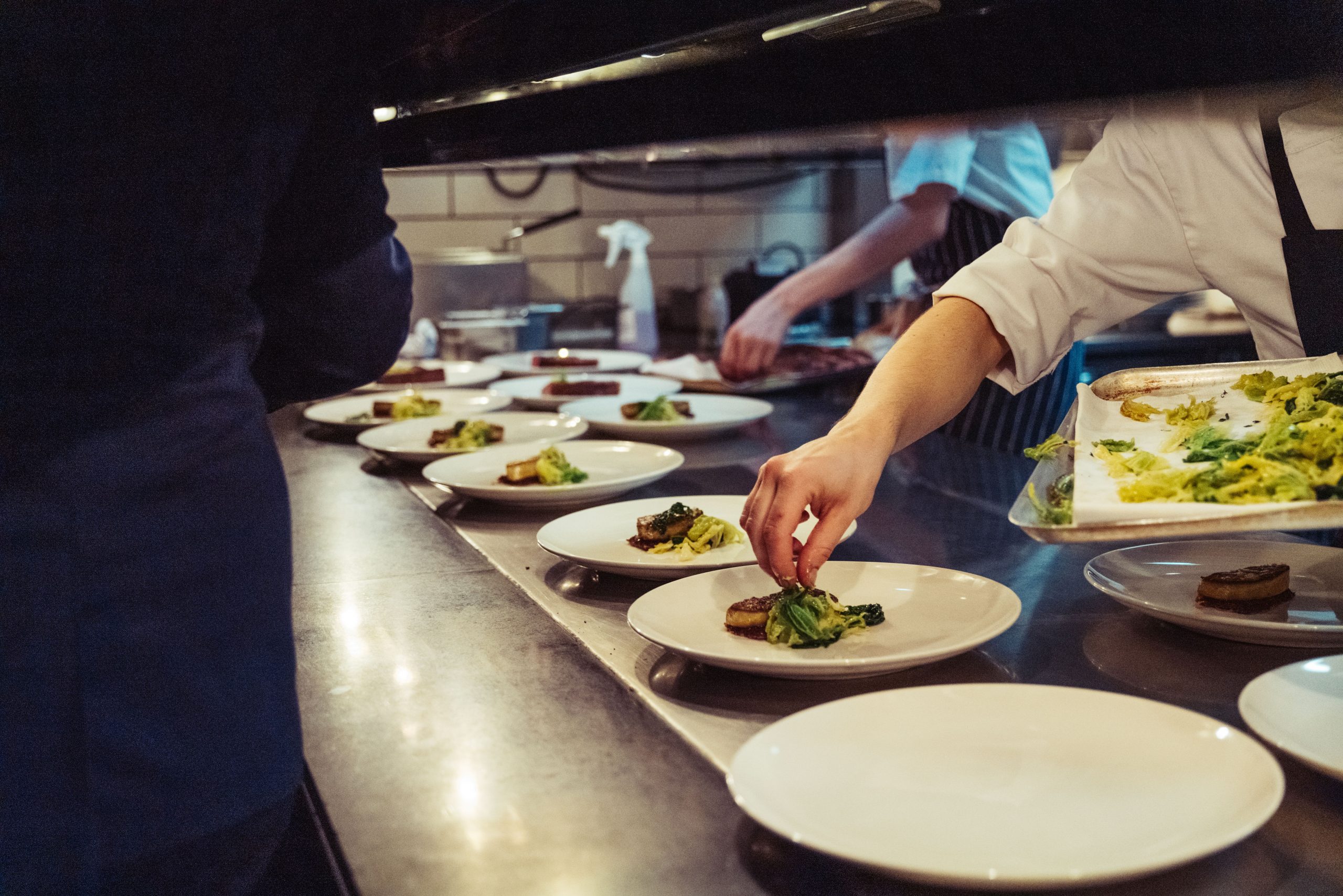
Photo by Envato elements
Undeniable facts
One of the most relevant drivers of innovation in gastronomy is fine dining. A benchmark and authoritative generates development this is the kind of gastronomy that is relevant in everyday life. Technologies, methods, cuisine. Ingredients, flavours, textures, that have changed the way chefs think and infiltrated everyday life. It has also done a lot for housewives, bringing systems, equipment and thinking into everyday kitchens that would not have been possible without fine dining. It is not just a dot on the plate, it has changed the way the world cooks. It has created a balance and harmony in the impression of ingredients, serving and eating, and thus raised what everyday eating means to people to a higher level. We need fine dining.
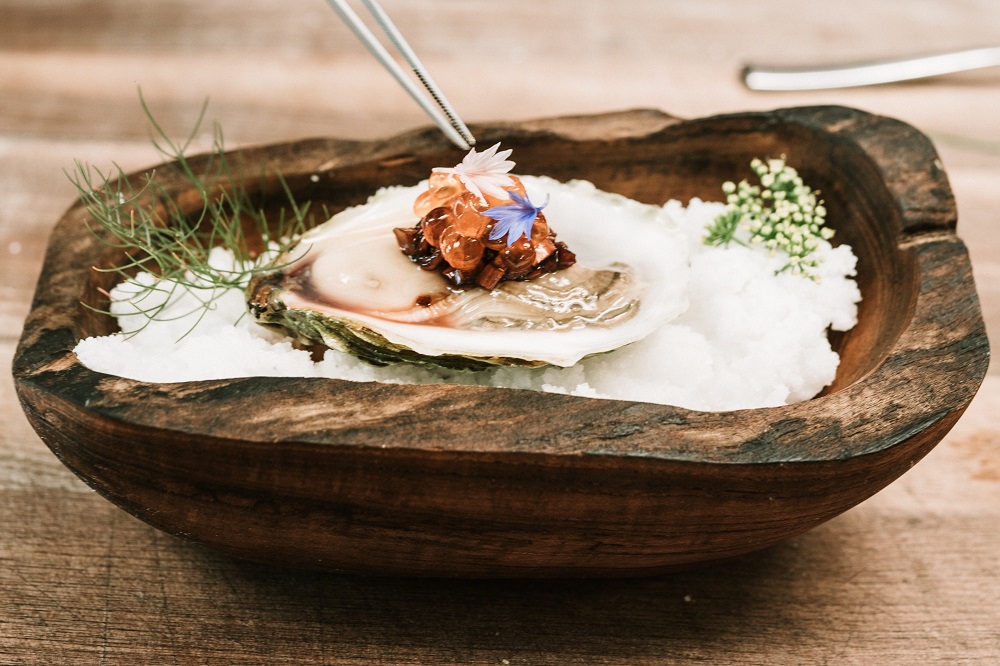
Transformed the world, but still on a sad path
Noma in Copenhagen, one of the top three Michelin-starred restaurants in the world, is one of the cult gastronomic places that fine dining feel has been broadcast and promoted in the world, it will soon cease to exist in its present form. This made clear the already familiar situation that fine dining had reached a crossroads. Only the professionals know where the industry needs to go. Fine dining, and the tasting menu that goes with it, is an opportunity for a chef to showcase his or her skills in a professionally structured way. The question is, unfortunately, how much this affects society and how many people can mobilise the necessary financial resources to enjoy this form of food.
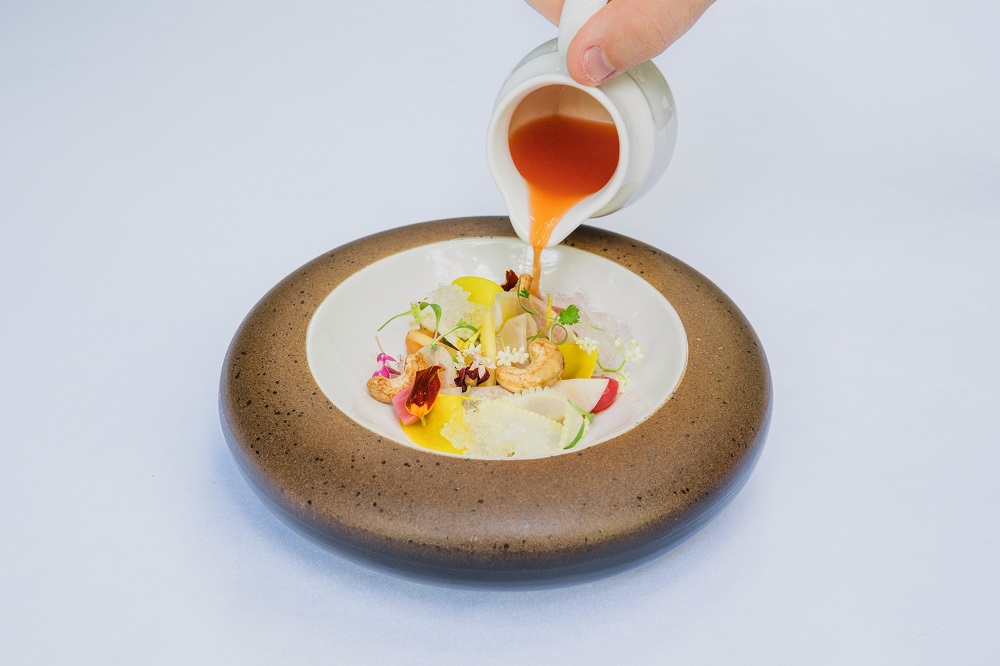
Fine dining is needed
The need for a dining experience will never die! Whatever the difficulties facing the sector, people need the pulse of the culinary summit. The impressions food gives you are undoubtedly a source of happiness hormones. Our life is not just about eating as a necessity, but about being together, feeling, enjoying the flavours, colours and presentation of food. Happy moments that we can experience together through our senses - through gastronomy. The perseverance, even in the most difficult circumstances, of the businesses and professionals who represent it through fire and water is indispensable. It is irreplaceable in the energies it mobilises to promote our culture, technology and culinary evolutiont. Food can be more than just a source of energy for the body. Food can make you happy.
Chef János Mizsei: Mák (Michelin Guide young chef talent)
Fine dining is perhaps the most difficult gastronomic line to follow these days. But there are certainly restaurants that have made it their business, including Poppy. They work with a highly developed system, a kitchen, which only this method can make profitable. It gives you a lot to manage the restaurant. There is also no doubt that the solvent demand is not realised from the high average, but the style itself is needed to make the innovative cuisine lead the way for the hospitality industry. Fine dining uses unconventional solutions that are slowly but surely infiltrating everyday life.
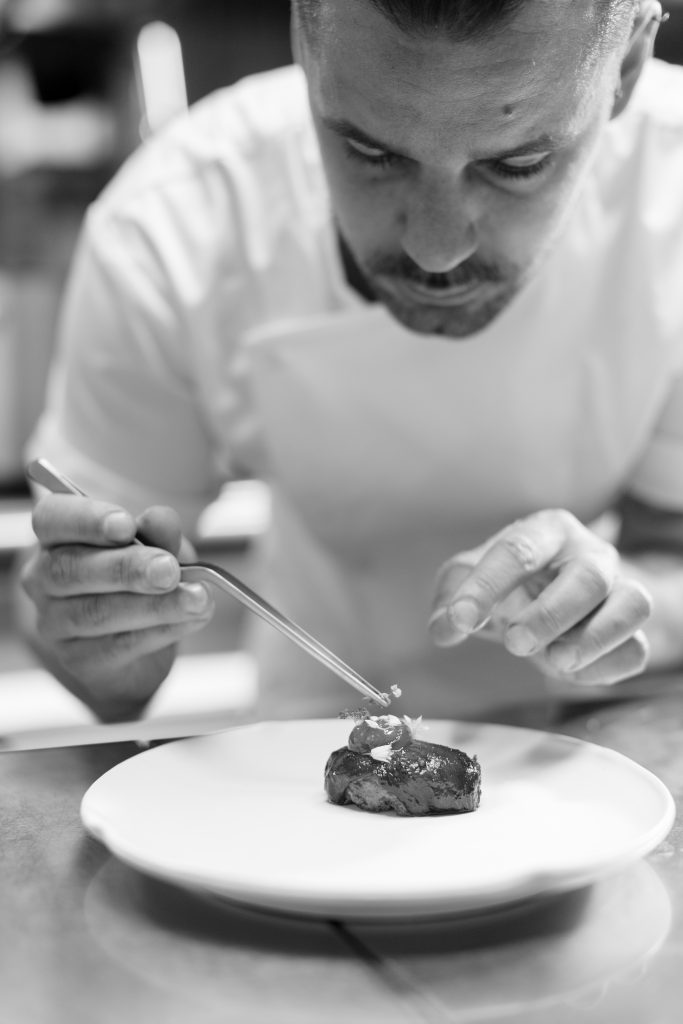
Chef István Pesti: Platan (Two Michelin Stars)
Fine dining is in demand and there is demand for it. Perhaps it is „dead” according to those who do not understand it at all. Those who have tried its essence will surely say there is a need. It is a segment of gastronomy without which we would be in the „prehistoric age”. It is not an under- or over-ordering. In the same way that there must be a good bistro, restaurant, tavern or even street food, there is a reason for this. It's simply that whatever we do, we do it well. There are those who try to do fine dining and overcomplicate it. They try to do things that have nothing to do with it. There will always be a demand for quality. Many people have written on this subject, even people who have never experienced a real tasting menu in their lives.
What we do not understand, we fear and attack. That is why this question may arise at all. Fine dining is not a fashion, not a trend, but an important part of gastronomy. The only thing that would bury fine dining is if it could not be made profitable, but fortunately there are many examples that show that there is a market for it. Unfortunately, it is not accessible to everyone, it is not specific to everyone. It's like Formula 1 in motor racing. It's the everyday things that can drive gastronomy forward.
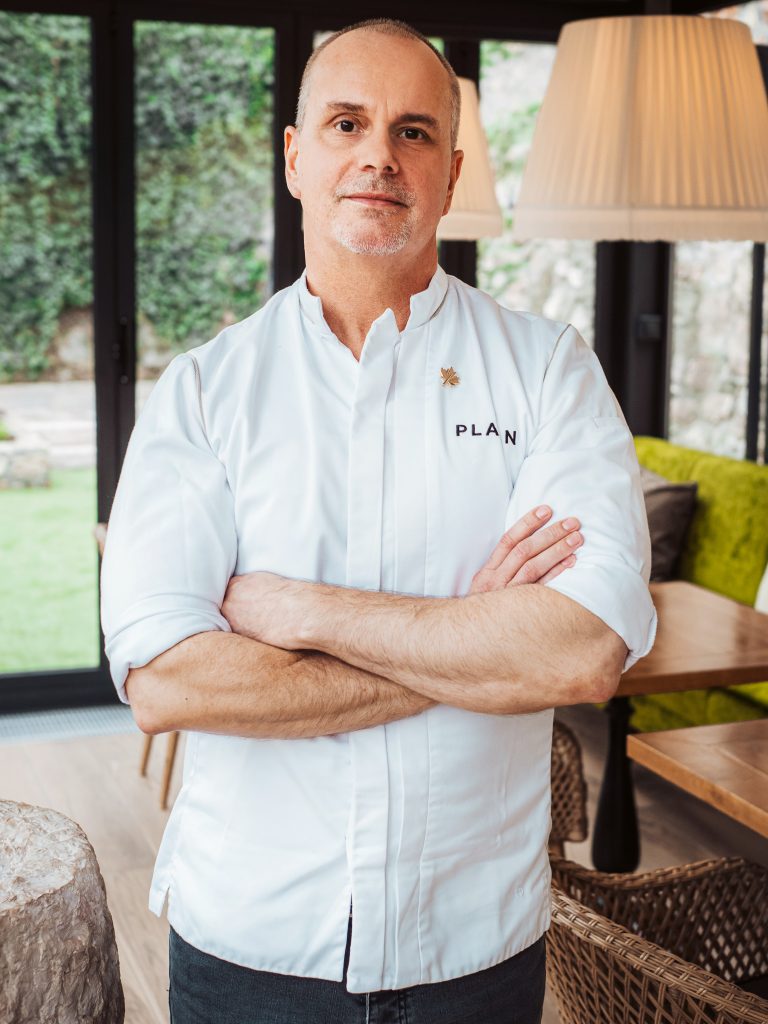
Chef László Kanász: Golden Caviar Restaurant
The majority of people attack this category because they think it's overpriced, over-hyped, when that's not what it's about at all. It is a segment of hospitality that is built on a complex service. Fine dining itself is not just a meal, it's the environment, the service, the accessories, the drinks, the whole package. It is an impulse that starts from the moment someone enters the restaurant to the moment they leave. It is possible that the interest may vary, but there will always be a segment of the population that wants it. The problem I see is that many people call fine dining when they are working with good quality ingredients or providing a very strong service, but that is far from being fine dining. Certainly, the demand and the ability to pay are decisive, but there is an expectation both in Hungary and from foreign guests. Fine dining is fortunately percolating through to all levels. It is an immersion of technologies, of raw materials that can drive gastronomy forward in a good sense. It is no coincidence that Bistros of a higher level are turning to these methods.
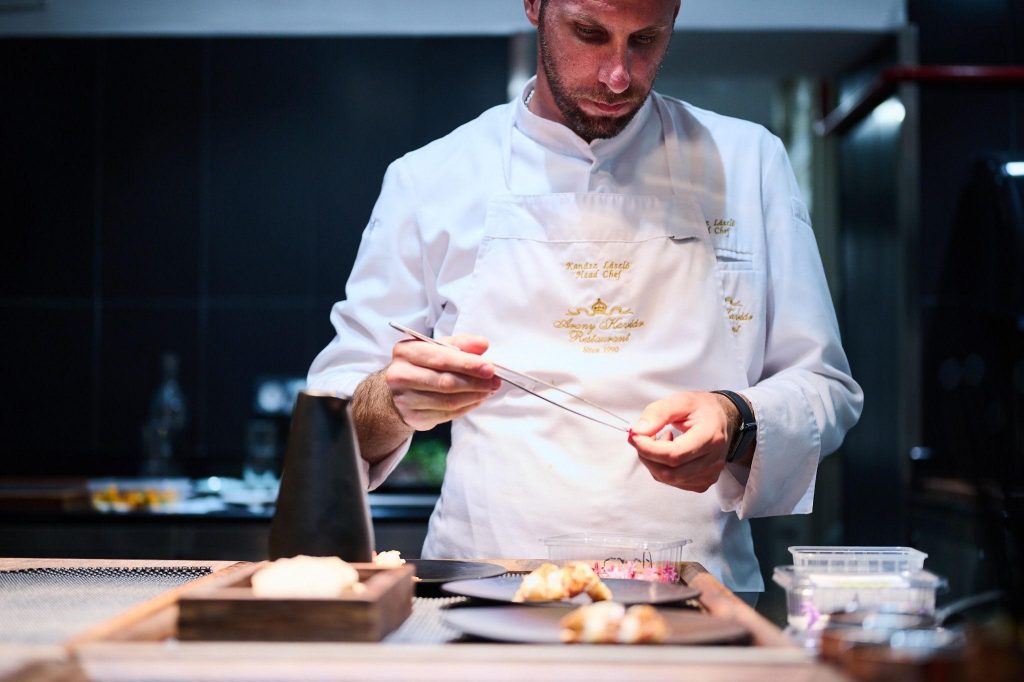
Fine dining is a dining experience that is typically more sophisticated, unique and expensive than a meal in a typical restaurant. It is a form of dining that features special dishes served in a way that is almost a work of art. Airchef: „Eating is good, but eating well is even better”