






The art of barbecuing requires in-depth knowledge and fine technique, especially when it comes to preparing the perfect sausage. As any passionate cook knows, grilling sausages is not just about throwing them on the fire and waiting; it's a meticulous process that requires knowledge, attention to detail and concentration. In this article, we'll share the tried-and-tested techniques and tricks that will help your sausages cook to perfection every time, captivating your guests' taste buds.
Choosing the sausage
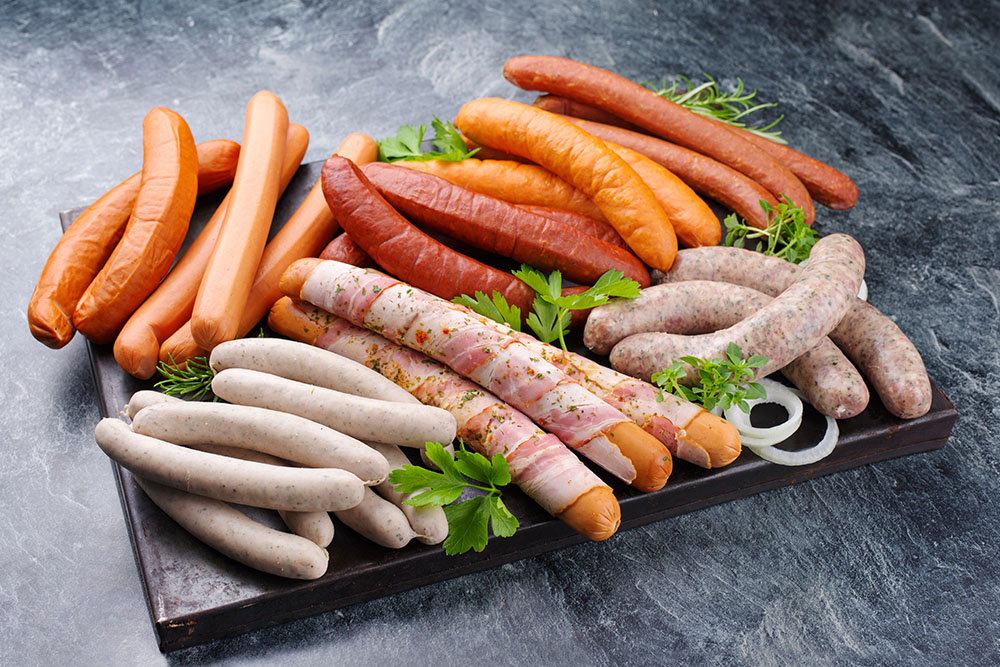
Let's start with the most important thing: the quality of the sausage. As professional chefs, you know that great ingredients make great food. Choose sausages from premium sources, made from fresh, quality meat. The proportion of seasoning and the balance of meat and fat can be crucial to the final result. If you're a frequent orderer from the site you've no doubt already met our new partner, the KISS Butcher who offer the best of domestic and international meats. Special emphasis is placed on Hungarian mangalica, which is rich in omega-3 fatty acids and tasty thanks to its non-GMO, free-range origin. Their sausages are made with carefully selected spices and a recipe that respects Hungarian traditions, naturally without preservatives.
Preparation
The sausages should be taken out of the fridge immediately before grilling to allow them to warm to room temperature. This takes about 20 minutes. The purpose of this step is to ensure that the meat is evenly warmed through when it is placed on the grill. If cold sausages are placed on the hot grid, the sudden temperature change may cause the outer layer to cook too quickly, while the inside may remain raw.
It is a good idea to lightly oil the grill grate before grilling. You can easily do this with a paper towel and some vegetable oil. This will help prevent the sausages from sticking to the grate, which is particularly important as stuck sausages can be damaged when they are turned over. Also, a properly oiled grid helps to distribute the heat evenly and promotes a nice, even browning of the sausages.
Many chefs dispute the usefulness of piercing the skin of sausages. Some argue that it helps to render the fat so that the sausage does not become too fatty, while others say that it can dry out the meat as the moisture is lost. We recommend trying both methods in small quantities to see which technique gives the best results for the type of sausage you want.
Grilling the sausage!
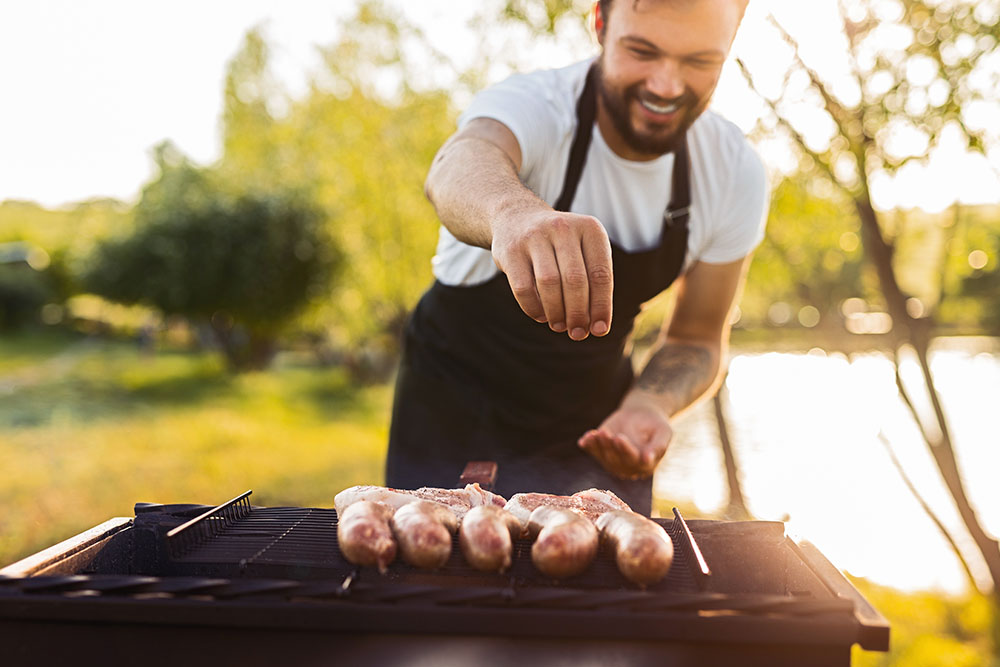
The secret of the perfect sausage (also) lies in fire management and timing. Use a medium flame to cook the outside of the sausages until crispy, while the inside remains juicy. Turn them frequently to brown them evenly, but avoid moving them too much as this can lead to loss of essential moisture. The indirect grilling method is recommended for grilling sausages. This means that the coals or gas flame is held on one side while the sausages are placed on the other side of the grill, so that they are not directly exposed to the heat. This method allows the sausages to cook evenly and slowly, avoiding external burning. In some cases, you can move the sausages to direct heat for a few minutes for the final roasting. The sausages are usually ready in 10-15 minutes, depending on how thick they are. It is important not to overcook them, as this can dry out the meat and make it tough. Use a meat thermometer to check the internal temperature of the sausages; ideally it should be around 71°.
Forget the bread and mustard combo
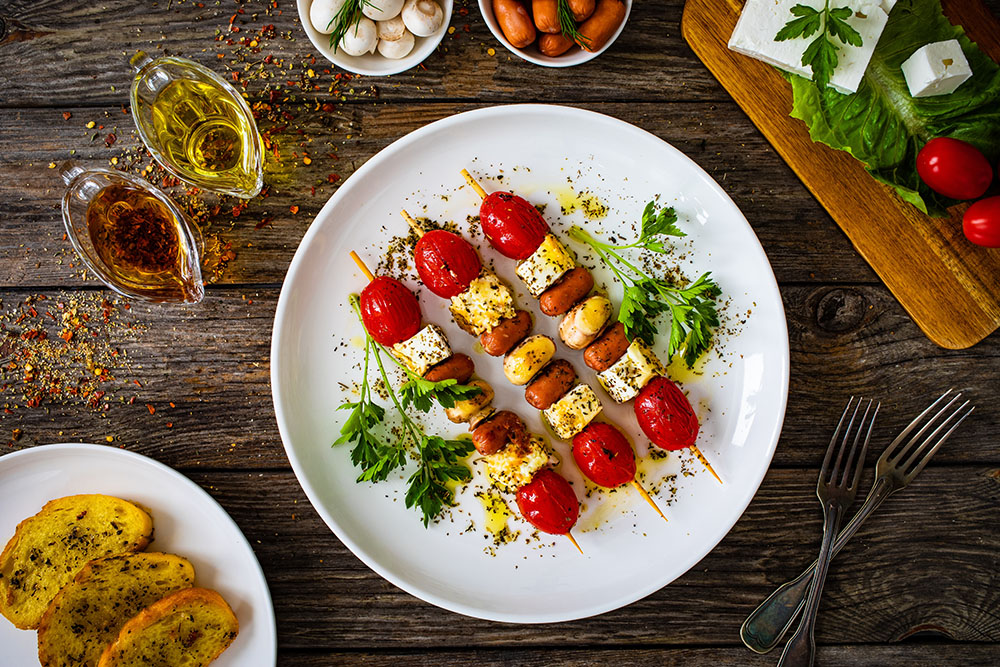
Draw inspiration from local flavours and traditions. For example, if a region is famous for about certain types of cheese, you can serve the sausages with these cheeses or with local vegetables as a side dish. This not only adds a local flavour to the dish, but can also be a conversation starter to draw attention to local gastronomic specialities. Try modern, novel serving formats, such as arranging slices of sausage in creative patterns, or serving them as small bites on toothpick trays that can be arranged around a variety of dipping sauces. This is not only aesthetically appealing, but ideal for standing receptions or casual events.