






Many people claim to either love or hate spicy foods, but in reality most people fall on a spectrum rather than clearly belonging to one camp or the other. Spices are derived from seeds, roots, leaves, stems and bark, but not all of them are spicy in the sense that they add a pungent heat to food. This honour is usually bestowed on chilli peppers, which contain varying amounts of compounds called capsaicin. This is the reason why different chilli powders can be mixed to control the flavour and heat levels.
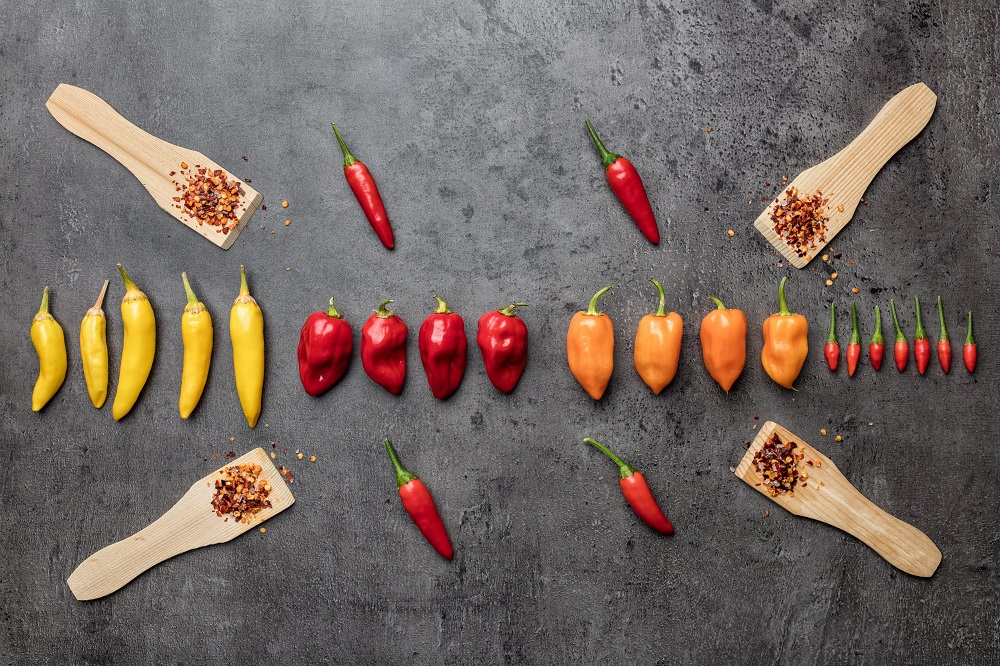
A different flavour profiles by combining chilli powders to suit all tastes while creating a multidimensional depth. The key is to understand the individual chilli peppers and how capsaicin levels affect the heat that gets to your food - and your mouth. As I'm sure every chef knows, each fresh pepper is rated by Scoville Units (SHU), where a lower number means a milder heat sensation. This will inform the powdered versions you mix into your own recipes. For example, jalapeño peppers are rated as low as 3,500 SHU. In contrast, a habanero can be as high as 350,000 SHU, while the infamous ghost pepper attacks at over a million SHU. But beyond the heat levels, the flavours of chilli peppers are extremely varied. Giving you extra options for mixing powders smoky, to create sweet, fruity or earthy flavour profiles.
If chilli, it's the flavour profile that counts
But there is much more to consider than just increasing the heat levels in the mixture. To find the profile you are looking for, you need to discover the unique elements of the spices. After a fair amount of practice and tasting, you'll be lucky to have a sixth sense for blending and layering powdered spices to create magic in your kitchen.
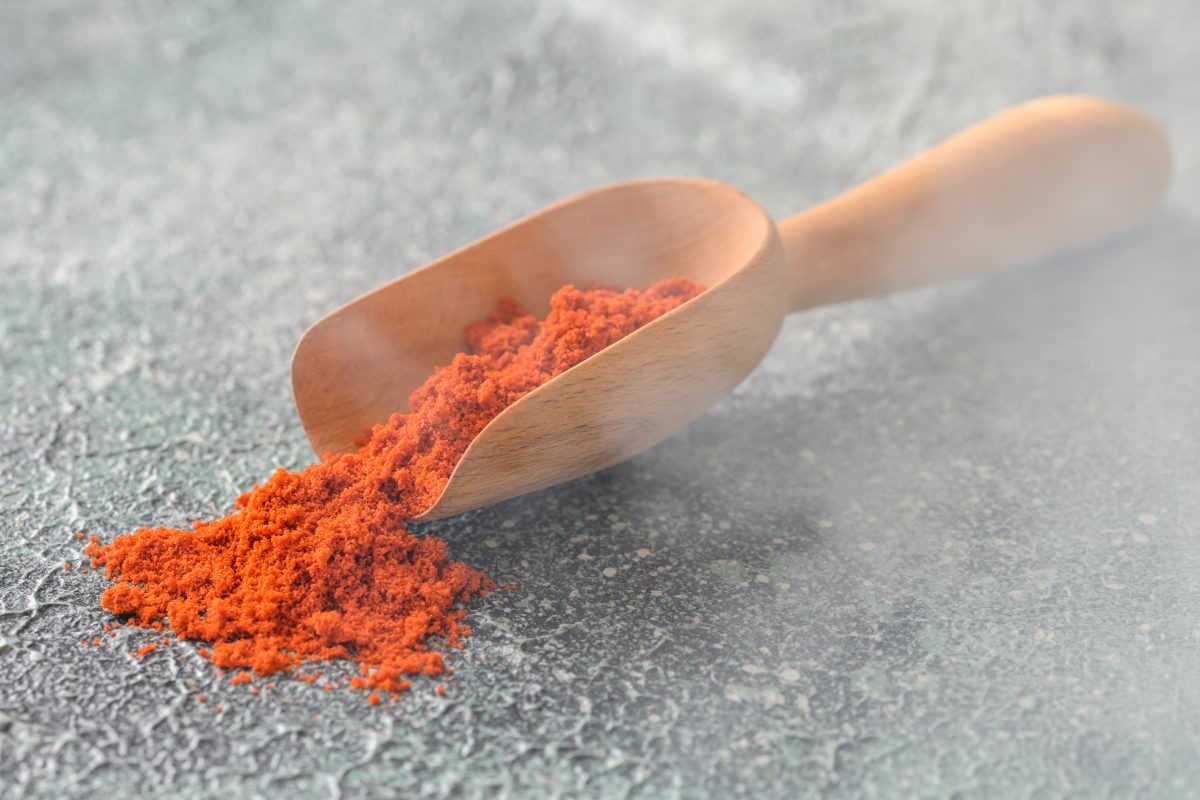
A good rule of thumb is to start a mixture with lighter spices and then gradually build up the for a satisfying finale. If you're new to mixing spices, it's a good idea to start with something familiar, like paprika. The base sweet paprika adds a lot of flavour without overpowering the food it's cooking, while also adding a light smoky touch depending on the version. Other mild choices might be ground ancho peppers with an earthy flavor. Starting from a mild base, experiment with adding medium spices, such as jalapeño powders, which can have fruity undertones.
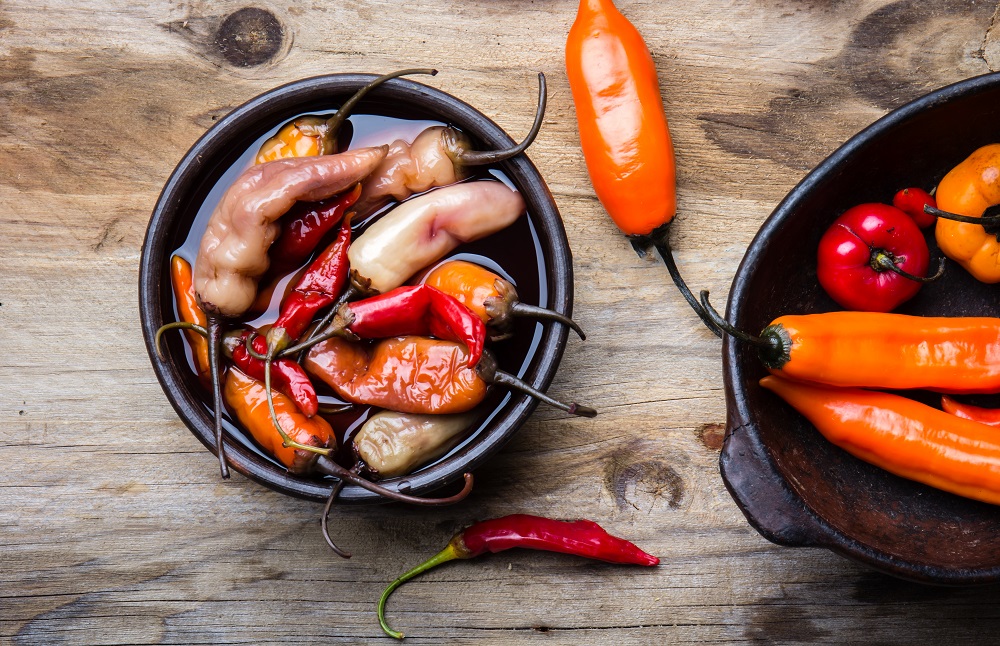
Less is more!
Once you have a nice flavour profile, you can take it to the next level with things like cayenne, habanero, ground chipotle or a hot Aleppo pepper. A little of these goes a long way, so be careful. This is the stage where you can add a rich smoky flavor to Mexican dishes such as tacos, barbacoa, sauces and carne asada. A custom blend might include cumin, ground poblano, cacao or Mexican cinnamon, balanced with lighter flavors like coriander, thyme and cloves. Consider a sprinkling of red pepper flakes for a final touch of heat if the mixture needs it, or a spoonful of chilli paste for a good sticking point.