






The pandemic seems to be behind us. But the economic crisis is hammering on, and once again there are a number of factors to contend with, including the sector's impact on the environment. It is essential to develop, to bring technology to gastronomy and to adapt businesses to changes in social habits.
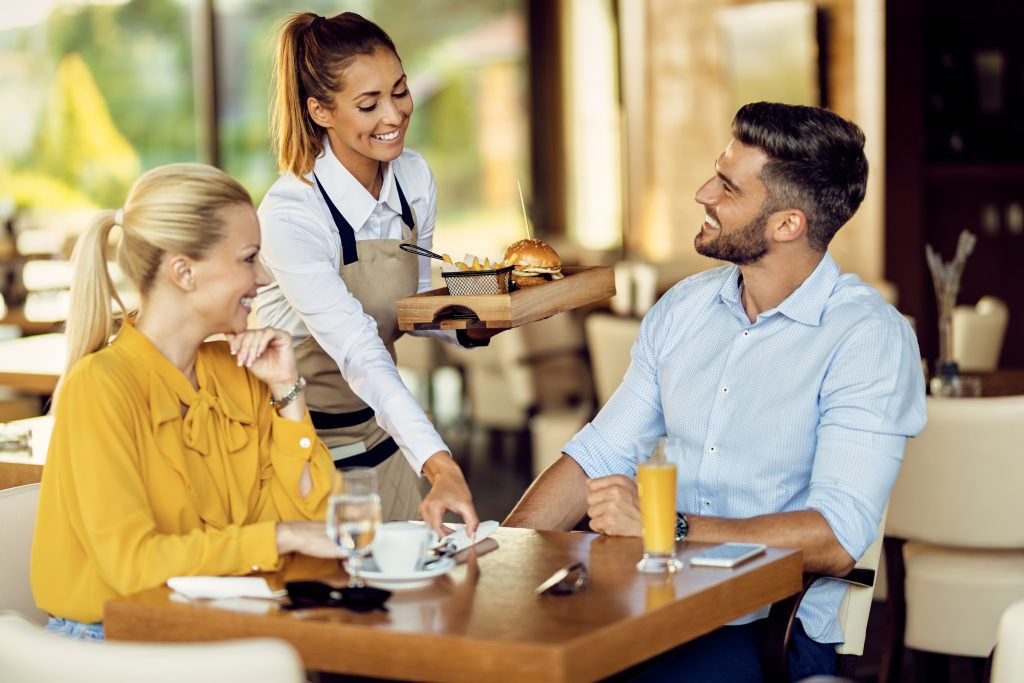
What does the new normal look like?
Euromonitor International's New Concepts in Consumer Foodservice study provides insights into the next steps and global trends in the industry. These affect both operators and consumers. Operators are focused on survival and how to adapt their business models to limited opportunities. Consumer behaviour patterns have now also changed significantly and need to adapt. This is largely due to changing customer adapting to your needs results in.
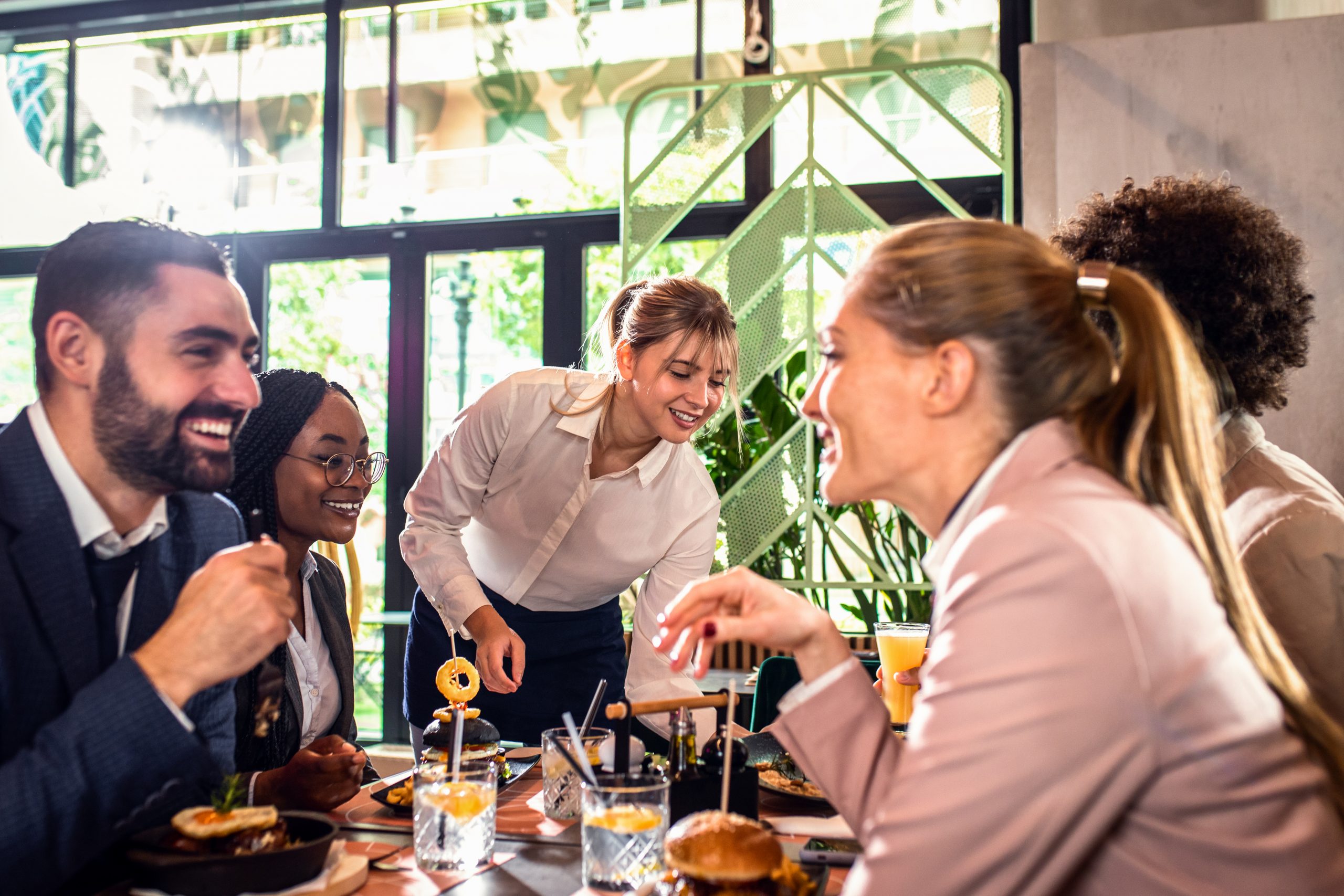
Photo by Envato elements
Consumers would be consciously integrated
People have put dining at the heart of social occasions and are even willing to try new restaurant options. However, this is heavily influenced by the economic situation of guests and the global response to sustainability. The situation has created some forward-looking trends that affect both operators and consumers. As the global crisis has made people more aware of the need for a health-conscious lifestyle, concepts that are fully compatible with a sustainable ecosystem have also come to the fore in dining experiences. The farm-to-table concept has become a dominant one, where the farm's own fresh fruit and vegetables restaurants with gardens, offering a full range of services. Another important factor has been the emergence of flexible catering formats that seamlessly combine social interaction, convenience and dining.

Hospitality can be linked to other sustainable services
The Bairro's Buro in the Netherlands is co-working for drinks and combines bakery products. Customers can rent tables by the hour, whether it's bar stools, sofas or work tables. It is also possible to serve up to four guests separately with so-called work tables. With this solution, they have created a liveable working environment within the restaurant, where the pairing of their offerings works even better. Hong Kong's Base8 is another interesting concept that is winning the attention of guests. They combine drinks, food and manicure options, creating a quirky but functional blend of a restaurant and a beauty salon. It encourages guests to stay as long as possible, to eat and socialise. These are just two interesting examples, but increasingly, tying is becoming a feature of hospitality.
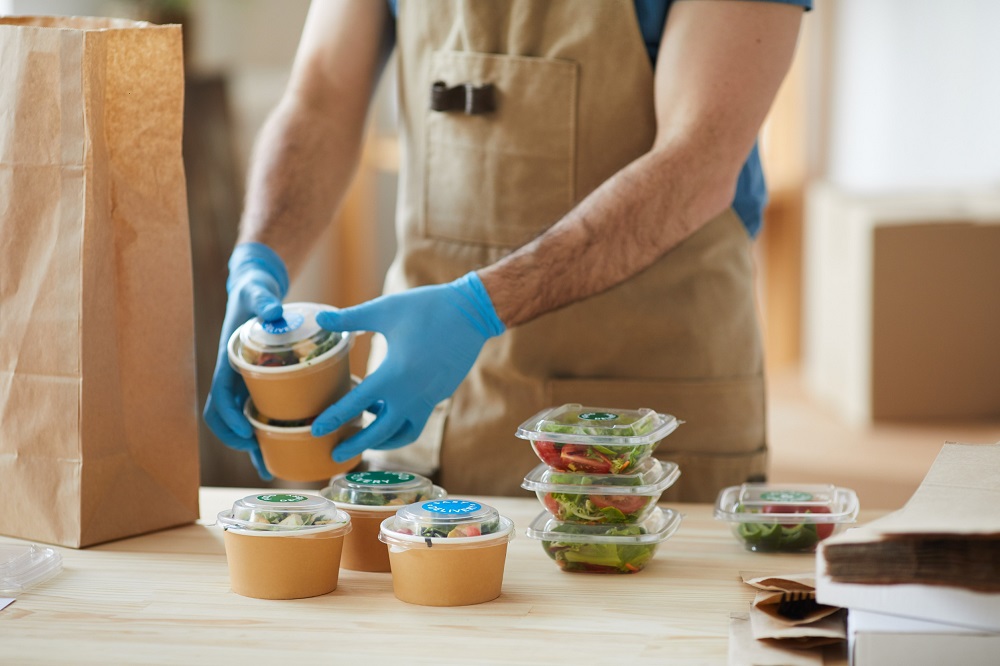
As consumers adopt and use new food concepts, they are also paying attention to the mechanisms of environmental impact. As the demand for sustainable packaging and options increases, restaurant operators will need to work harder to eliminate single-use plastics, operate in an environmentally friendly manner, and provide more sustainable packaging for delivery.
Innovation has burst into hospitality
Although the industry is going through a very difficult period, it has given a boost to innovation that no service provider has ever been able to afford. Catering businesses have had to make rapid changes to improve their profitability. There has been a focus on rethinking organisational structures, cost-effective technologies, digital systems that are built into everyday operations. Automation, which has been slow and gradual until now, has accelerated and the trend is far from over. The intelligent kitchen equipment used not only optimises production, but is also an excellent way of reducing costs. They can also maximise efficiency, especially for smaller restaurants.

Photo by Envato elements
Changing habits, new systems
The quality of the food, the guest experience became more important, and the operation had to adapt to social customs. Consumers' and guests' lifestyles created new ways of living, such as home delivery, which persisted and became commonplace after Covid. Dining led to the emergence of new formats related to sustainability. The Kleen Hub in Denmark is a prime example of innovation. As part of a parcel-sharing network, it allows customers to order takeaway or home delivery and makes reusable dishes available. This helps businesses and consumers alike to reduce the environmental impact of single-use containers. Another promising innovation is FoodPrint in New Zealand, which helps reduce food waste by offering consumers the opportunity to buy surplus food from restaurants at discounted prices. There is already an outstanding example of this in our country, with the Munch The food they offer is the „leftovers” which are of impeccable quality but the restaurant cannot sell out. So it doesn't go in the bin, but customers get food at a depressed price and there is no waste.
Sad facts about the changing hospitality industry
Food vending machines became much more common during the pandemic, as they can be used to avoid human contact, and then remained common after the restrictions. In Finland, Fizza, an all-day vending machine business, offers seven different artisan pizzas. It's available anytime, no staff, no shop - and you can have a meal made in a state-of-the-art pizza oven in three minutes. They are also connected to a smartphone app that allows customers to order in advance.
In Malaysia, Grab e-kitchen is the country's first ghost kitchen concept. It offers a multi-brand mix-and-match menu and has seen explosive growth since its launch in 2021. The use of a central kitchen is proving to be a cost-effective solution for operators and offers consumers a wide choice.