





If it's the beginning of the year, it's carnival season. Celebrate the past year and welcome the new. It starts on the day of the Epiphany and lasts until Ash Wednesday. It is customary for people to organise all sorts of festivities during this period, continuing the year-end revelry. Typically, we also continue our pursuit of culinary delights, though we blush in the mirror at the extra pounds we have put on. But that doesn't stop us from continuing to eat well!
A the essence of carnival is all about fun, masked parades, rule-bashing and revelry. No wonder, then, that we don't insist on eating salads with our meals. We prefer to eat substantial, calorie-dense foods. Stuffed cabbage, chopped soup, roast chicken, roast pork, fried chicken, fried pork duck, good cupcake jelly and of course the inevitable sweetness of carnival: the doughnut!
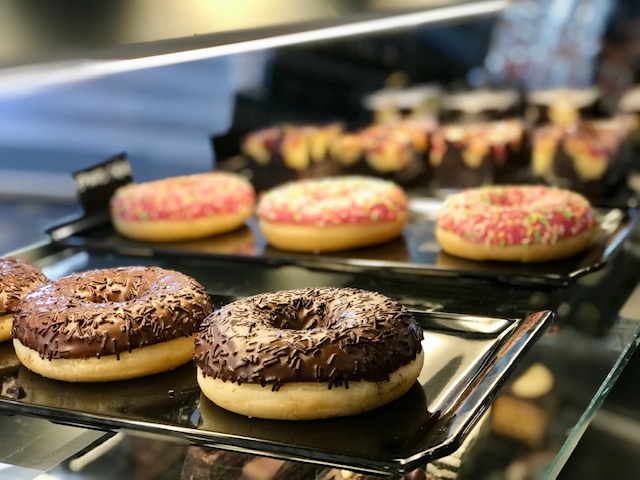
Photo by Flickr
How the doughnut was made
You really have to go back in history to find the origins of the doughnut. It was made in ancient times, but not in its present form. The Greeks and Romans were also fond of it, but they tended to have a more elongated shape and flavoured it with anything they could find in the household. It was typically spread with honey, but many people ate it with a variety of seafood or dipped in fish sauce. It's a bit extreme, but who knows. The Arabs also ate doughnuts, by which time yeast dough had evolved and was eaten soaked in honey syrups.
It was first made in Europe in around the 14th century, but there was no trace of the sweet treat then. It was mainly made with salt and various fillings. They were mainly made with meat and only later did they start to be flavoured with dried fruit. It was brought to the Americas by Dutch settlers, according to available material.
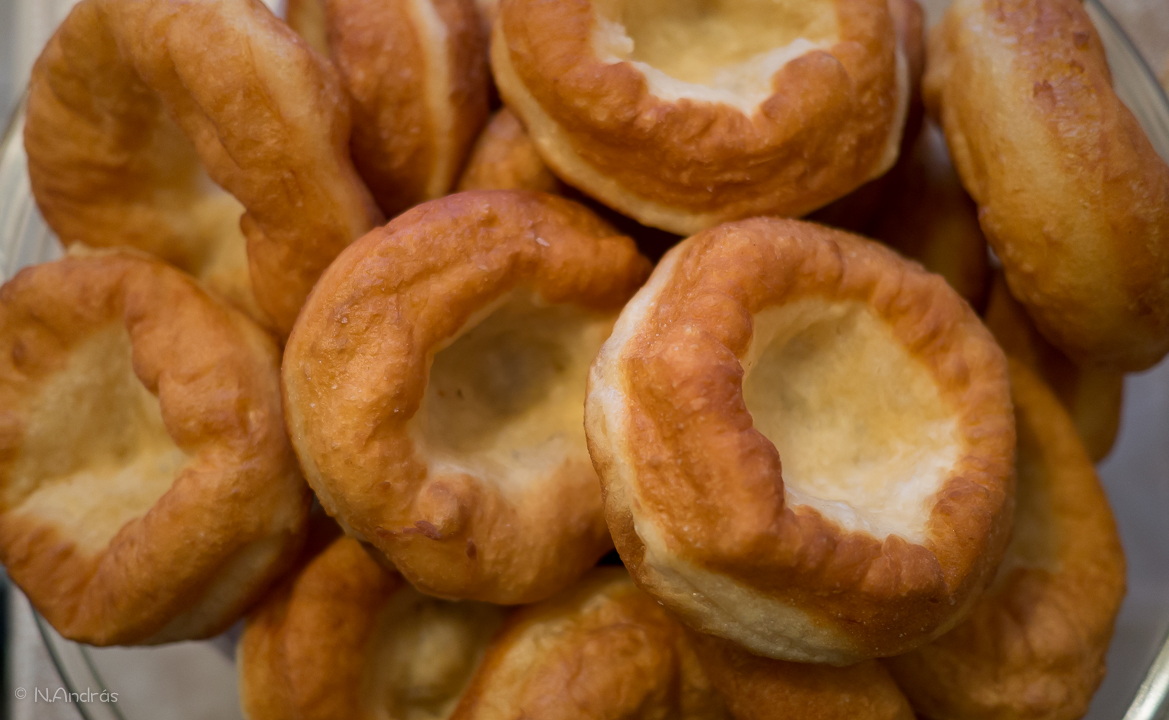
Photo by Flickr
The donut in our country
Just as it slowly spread throughout Europe, the doughnut also made its way to Hungary. It became a well-known sweet in Hungary in the 19th century. No wonder, its yeasty, sweet dough is irresistible and can be fried in plenty of oil, making it quick and easy to prepare. It doesn't need too many ingredients, so it was popular in poorer families. It's part of the beginning of the year and can be linked to the coveted need for abundance. It is not just a simple sweet, but a tradition of the season. Folk customs and traditions are linked to it! The most well-known of all is the carnival ribbon doughnut.
But few people know where it got its name. First of all, its size is important, which is usually the diameter of a larger water glass (not coincidentally, it used to be used to mark the diameter). When professionally baked, the top of the doughnut - the brownish dough - will have a white stripe running around it. Hence the name ribbon. Other popular types of doughnuts in our country are: chip doughnuts and hammer doughnuts.
It is also interesting to note that, with the slogan „back to the roots”, the re-invention of the doughnut is gaining ground. This means that not only sweet, but also savoury, even meat-filled versions can be discovered in gastronomy.
Two myths about the origin of the doughnut
According to one story, it was Marie-Antoinette, the wife of Louis XVII, who made doughnuts popular. During a carnival party, she left the palace and mingled with the people in the market. Being hungry, she stopped in front of a baker's shop and saw that everyone was buying a particular sweet. He tasted it too - which was the doughnut. He liked it so much that the next day he asked the baker to come to the palace and learnt the recipe for the doughnut, which was later perfected by the court cook. He liked it so much that from then on he baked doughnuts at every carnival and later they became a must for all the feasts.
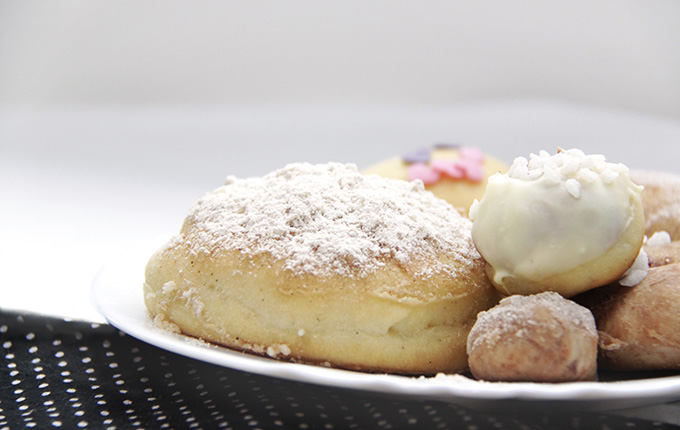
Photo by Flickr
The other story is about a baker's wife whose husband died early and she had to take over the bakery. But she wasn't very good at it, so she worked hard to keep her customers coming back for bread. One carnival day, she messed up the baking and gave a customer a lousy loaf of bread, and he started badmouthing her. The woman got upset and got so angry that she grabbed the pile of dough in front of her and threw a portion at the customer. But his aim wasn't very good, so the piece of dough didn't hit the customer, but a cauldron where oil was bubbling. It didn't take long for the first doughnut to bake.
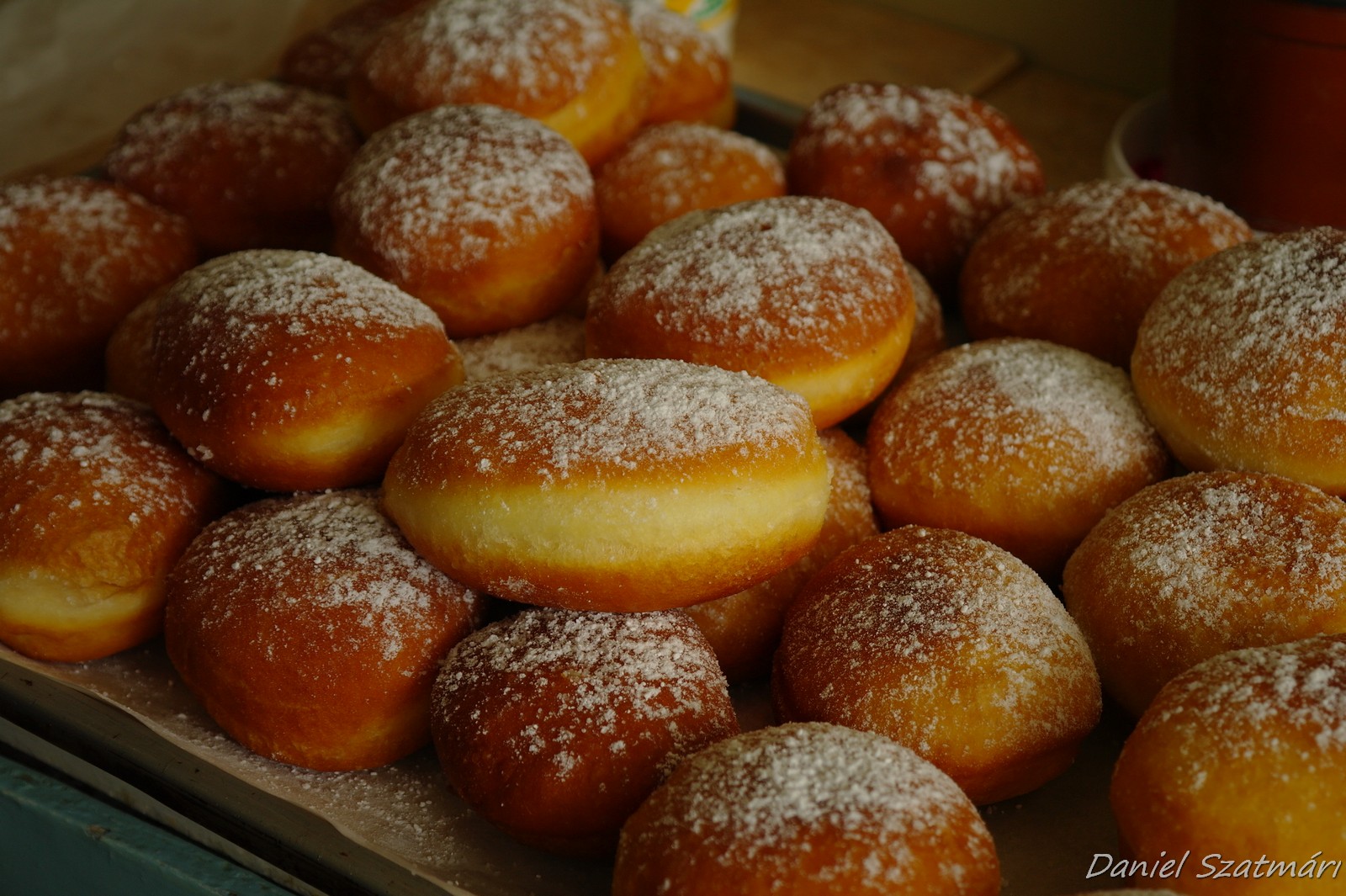
Photo by Flickr
Traditional donut recipe
Ingredients: 500 g flour, 200 ml milk, 40 g yeast, 6 egg yolks, 60 g icing sugar, 70 g butter, salt
Preparation:In lukewarm milk, stir the yeast and add the icing sugar. Stir the whole mixture until it is smooth and lump-free. In a large bowl, add the flour, then the milk mixture, egg and butter. Knead the whole mixture thoroughly. After resting for an hour or an hour and a half, roll out the dough and cut out the dough. Let it rest again and then bake. The oil shouldn't be too hot, carefully place the already rolled out dough in it and fry for a minute or two. Turn them over occasionally. It's important to be careful because if you fry for too long, you can easily ruin it! The flavouring is really a matter of house and custom. You can add icing sugar, jam, vanilla or even chocolate.#
Author: Tamás Budafoki