






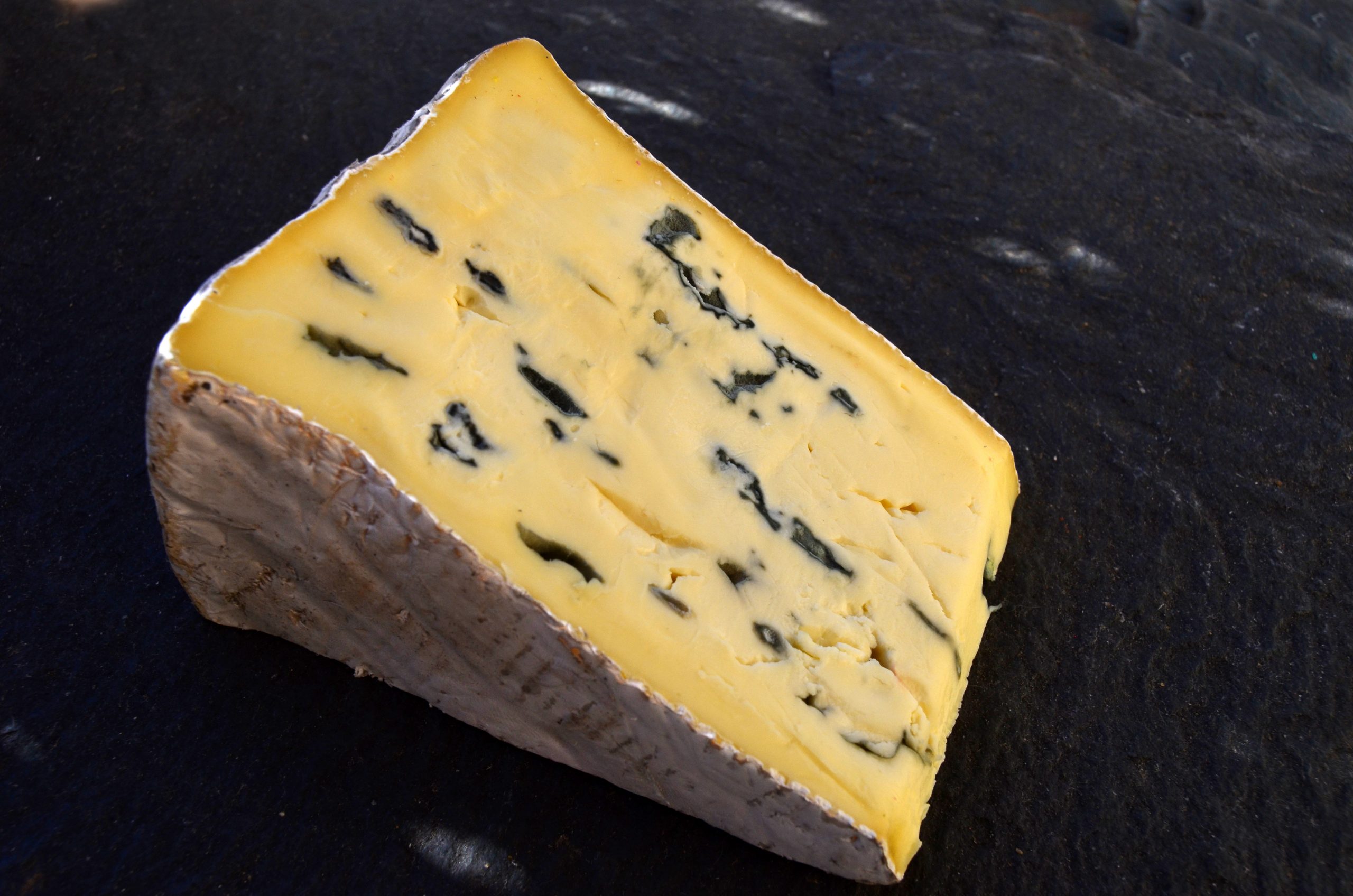
During the maturing process, the noble mould fungus permeates the cheese and turns it from light green to dark blue. A blue cheese means cheeses matured with a noble mould.
Cheese, as a general staple, has been part of our diet since ancient times. Its role is unquestionable in gastronomy, as it is known in many different varieties and preparation methods, and is one of the most important raw materials due to its variety of flavours. It can be eaten on its own, in dishes, as a main course, as a side dish or even as a dessert. The world of cheese is so varied that it could fill several books. Some are quite simple, easy to obtain varieties, and some are very expensive, as a curiosity edible heavenly items.
Cheese is basically a food made from fermented or boiled milk, with or without lactic fermentation, coagulation, whey removal, pressing or squeezing. It is usually made from the milk of cows, goats, sheep or buffaloes, either by acidification or by boiling. Cheese milk is mainly pasteurised by a short heat treatment to kill pathogenic micro-organisms, then inoculated with rennet and special bacterial cultures, often seasoned and matured.
A healthy dairy product known and loved the world over since ancient times. Thousands of different types of cheese are produced around the world. The varieties can be differentiated according to the origin of the milk, the fat content of the butter, the length of processing and maturing, etc.
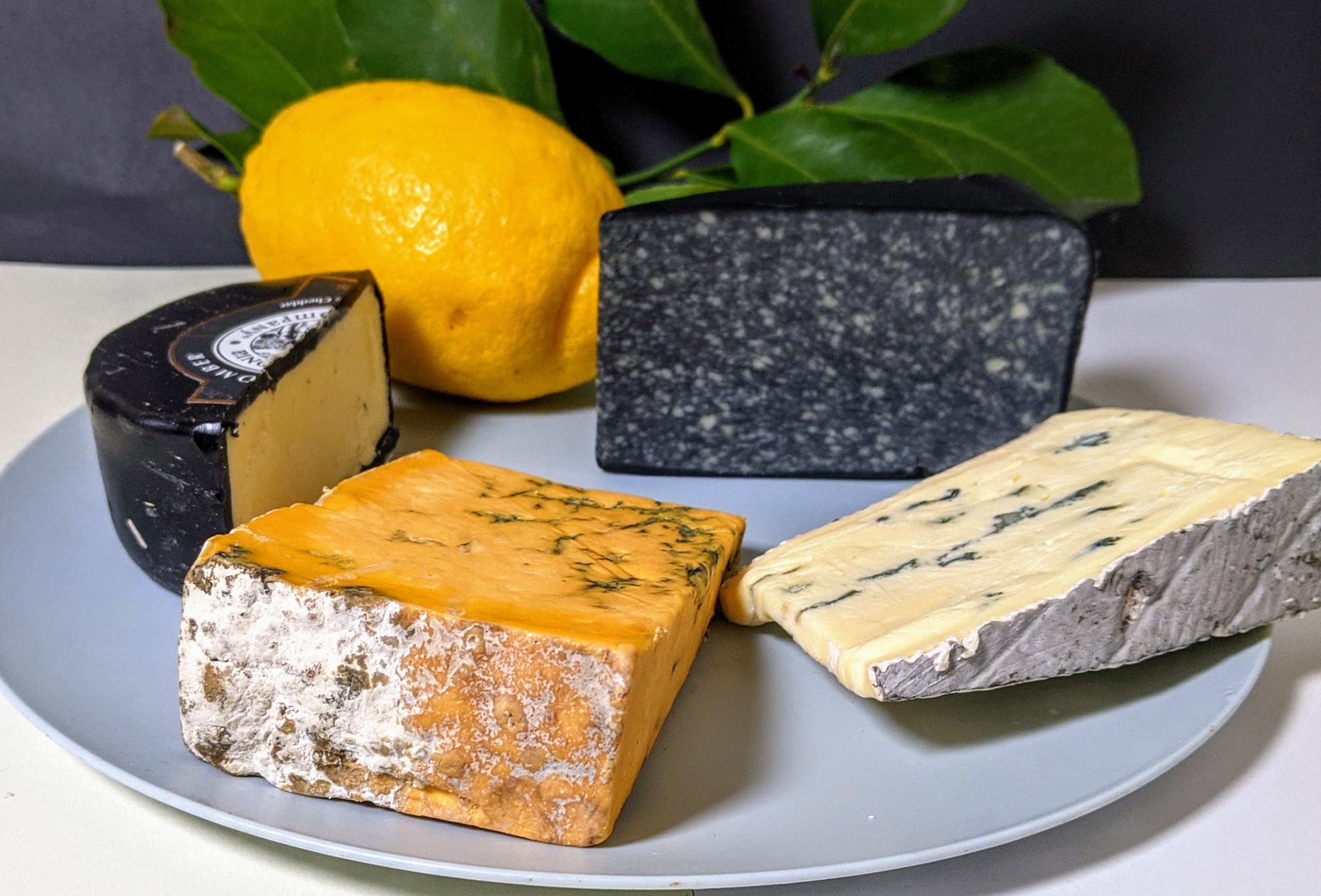
Specialities of blue mould cheeses
A blue mould cheeses are clearly the stuff of gastronomy high school. When the cheese is being made and ripened, the blocks are pierced with long needles a few millimetres thick. This allows air to pass not only through the surface, but also through the entire „body” of the cheese. Blue mould cheeses are soft-textured cheeses inoculated with blue penicillin fungi. They are matured in damp cellars. This allows the various moulds to grow more intensively and weave their way through the whole cheese. These are the bluish-green streaks that appear as the cheese ripens. In fact, it is the noble moulds that give the cheese its bluish surface and unique flavour.

It's no coincidence that a specialist cheesemaker injects air into the cheese to spread the mould over as large a surface area as possible. It is also a craft that is all about the play of flavours, as the blue and white moulds work in harmony to create aromas, scents and flavours.
It is no coincidence that blue cheeses - in a large percentage of cases - have a slightly salty taste. The reason is very simple. Salt is usually used to prevent or eliminate harmful bacteria and for preservation.
The distinctive flavour of blue cheese is best brought to consumers by quality, sweet wines. The salty-sweet taste of blue cheeses is a true gastronomic delicacy for even the most discerning palate. The age of the cheese is also an important factor, as the longer the cheese is aged, the drier it becomes.
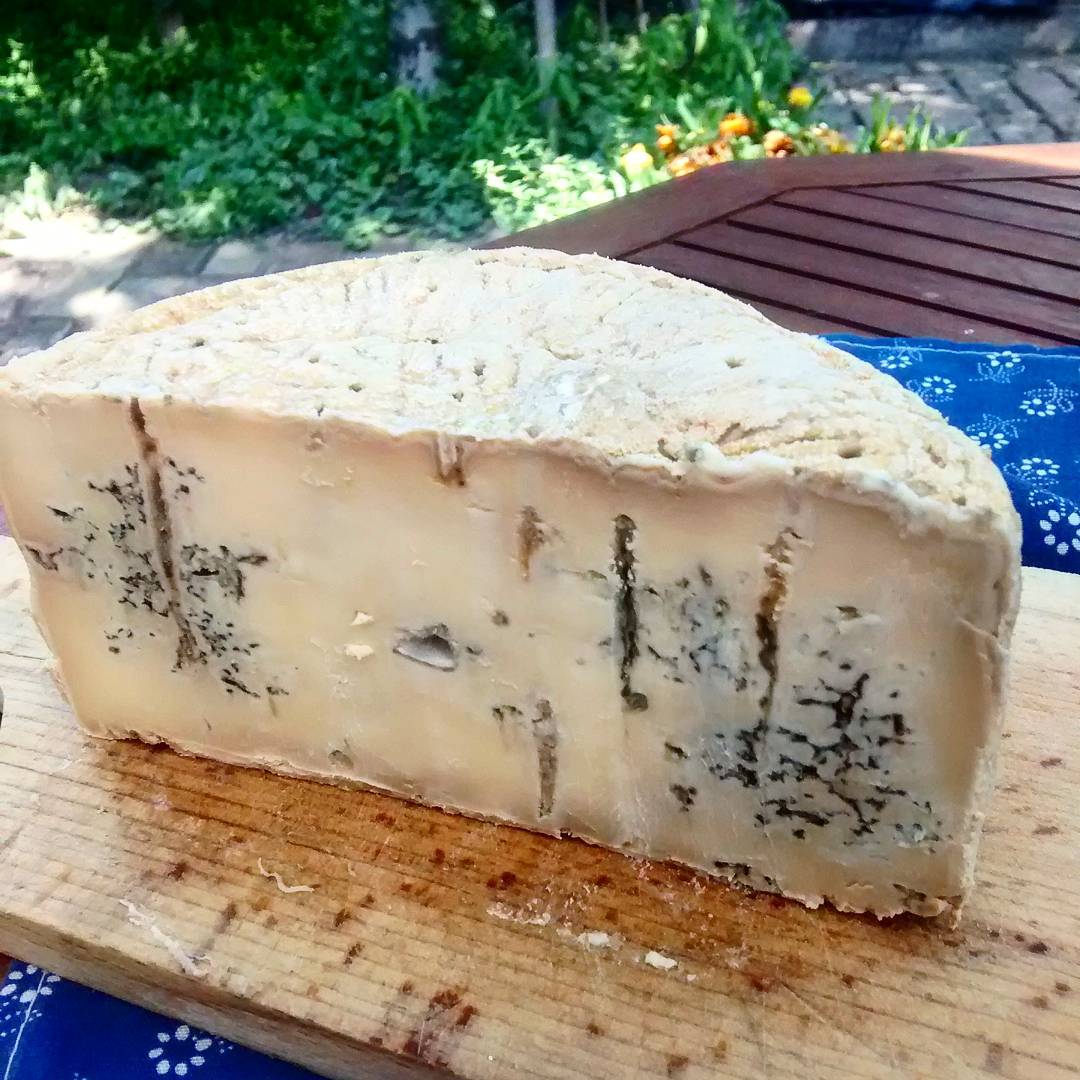
Blue mould cheeses - a must for a healthy diet
It's important to include cheese in your diet, especially blue cheese. Not simply because it is irresistibly delicious, but also because it has a serious nutritional content. It's also worth knowing that blue cheeses are extremely high in calcium, so they are good for bone health. What many people don't realise is that the calcium in our bones is slowly depleted, so it's essential to replenish it in the diet. It supports the nervous system, so it is also very beneficial in cases of stress and sleep disorders. One portion of blue cheese contains about 150 milligrams of calcium. It is rich in vitamins A, B2, B12, D, niacin, zinc and phosphorus.
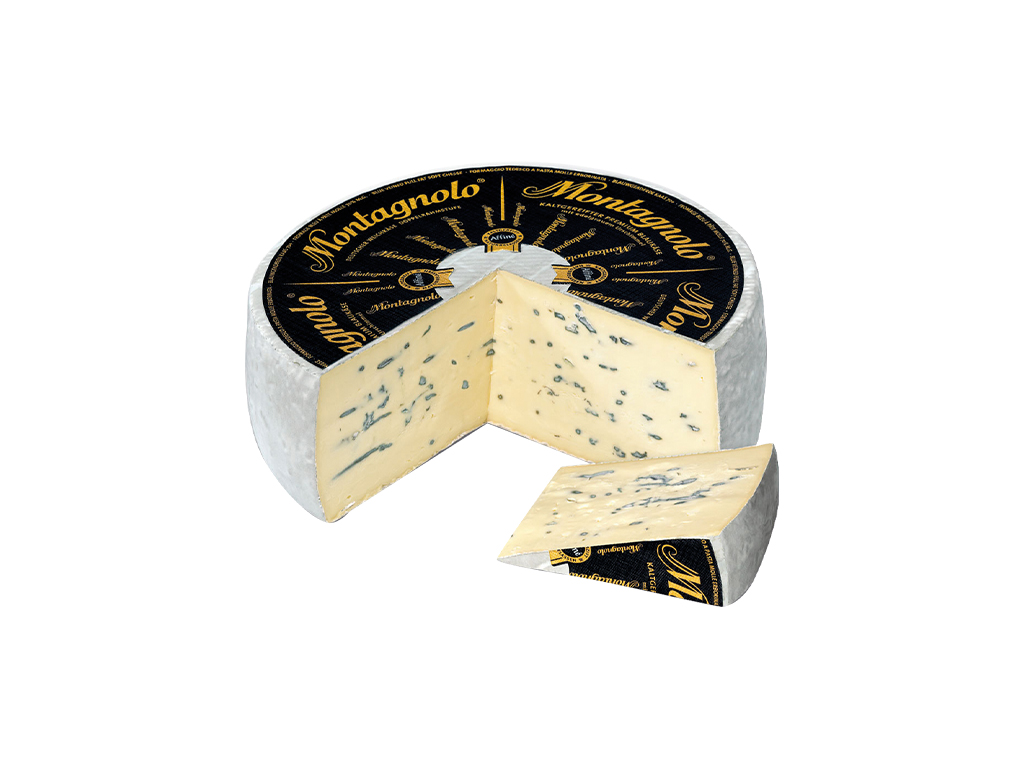
Montagnolo
Among the cheeses with blue moulds, the most noteworthy are Montagnolo - a premium quality cheese. Made from cow's milk, it has a significantly high fat content of over 70 percent. It is important that it is cold matured!
Blue cheese can take almost any dish to the next level! It's perfect as a refreshing snack. Its undoubted virtue is that it is an excellent accompaniment to drinks, especially wine. It can be an indispensable accompaniment to wine tastings, as it is not only a a colourful range of flavours from sweet to salty, but also bring out the flavours of the different liquors.
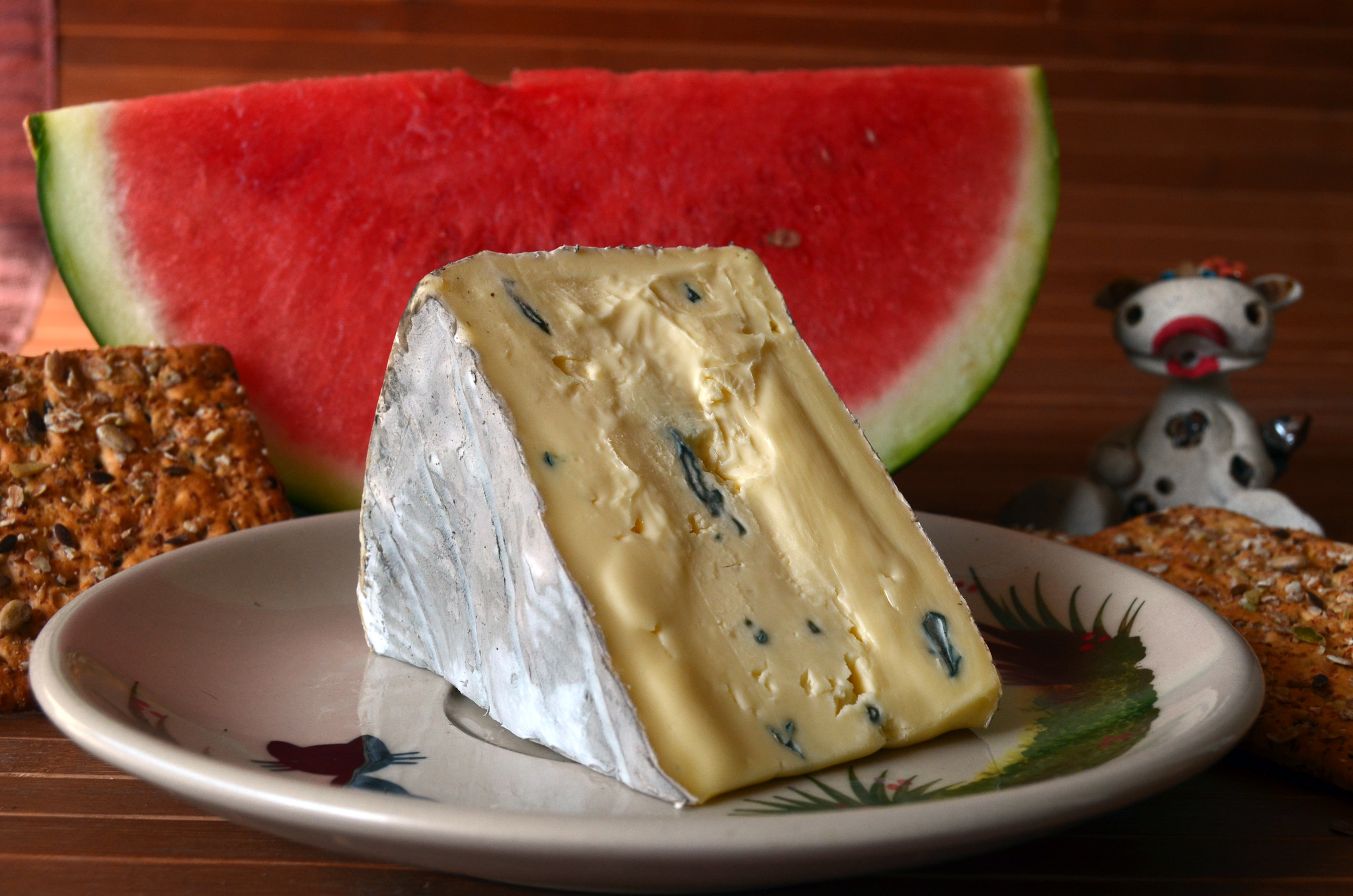
Blue cheese is a real delicacy
There is no doubt that cheese is the most important tool in the history of French food and gastronomy. It is consumed as a starter, a main course, a dessert. It is an indispensable part of the menu and an unmissable course of a meal. Served between main course and dessert, cheese is a classic. Cheese is a delicacy for the taste buds and can therefore satisfy the most sophisticated and gourmet palates. It can simply make a meal magical. They are distinctive, but not overpoweringly intense, provided you eat the right amount of them. All in all, blue cheese is a sensational and adorable delicacy, an indispensable part of a gourmet meal.#