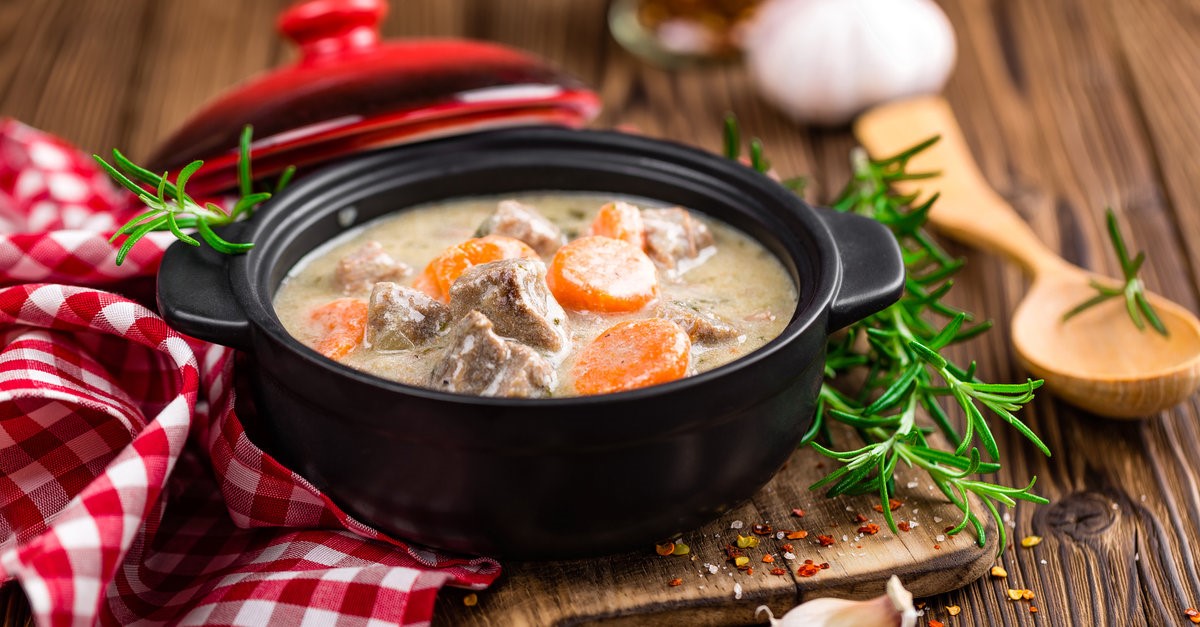







The sous vide process has become an essential staple in the modern chef's arsenal, and many chefs are calling it the advance of the decade.
Sous vide cooking may have been experimented with as early as 1799, but it's safe to say that not from the past. The process, whereby food is sealed in vacuum bags and placed in a temperature-controlled water bath, was invented by American chefs in the 1960s. But the real pioneers were the French in the 1970s. This type of cooking process preserves the juice and flavours, while avoiding overcooking. From 1974 onwards, it quickly became common in restaurants and was quickly adopted in airline catering, as it was also a favourite in first class on board.
The advantages of sous vide
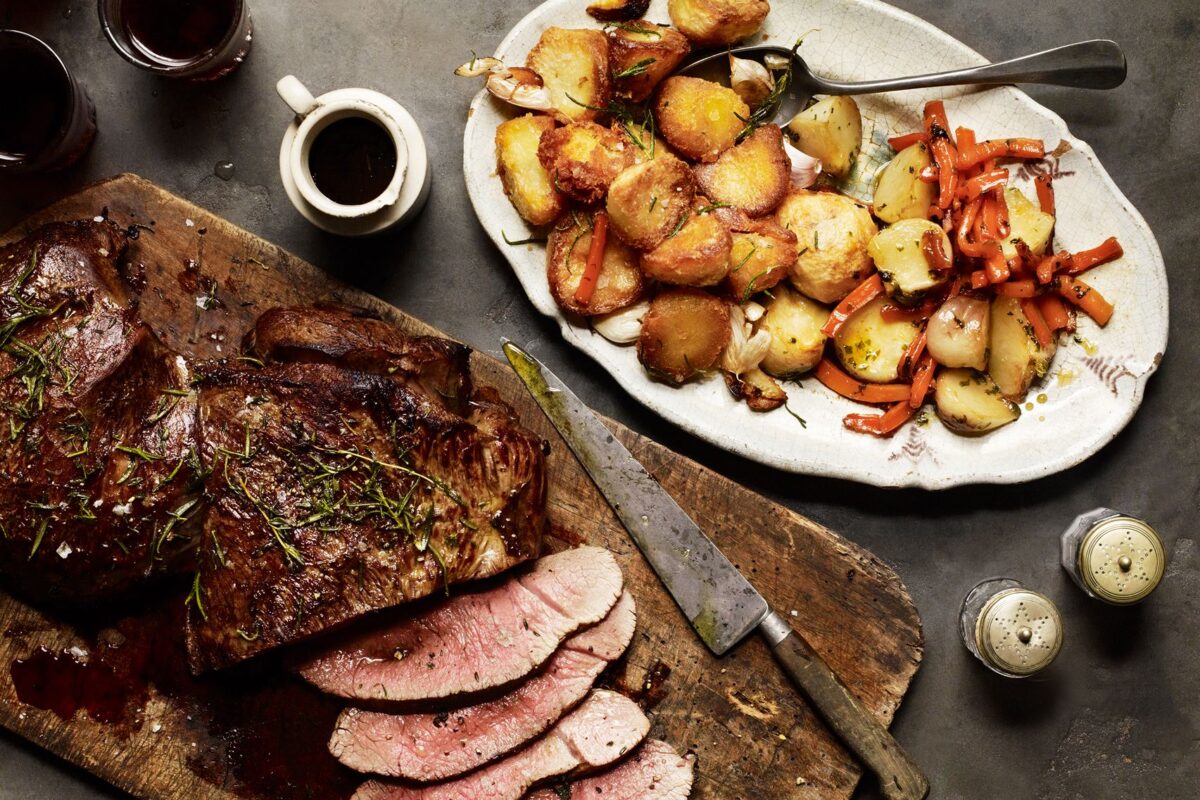
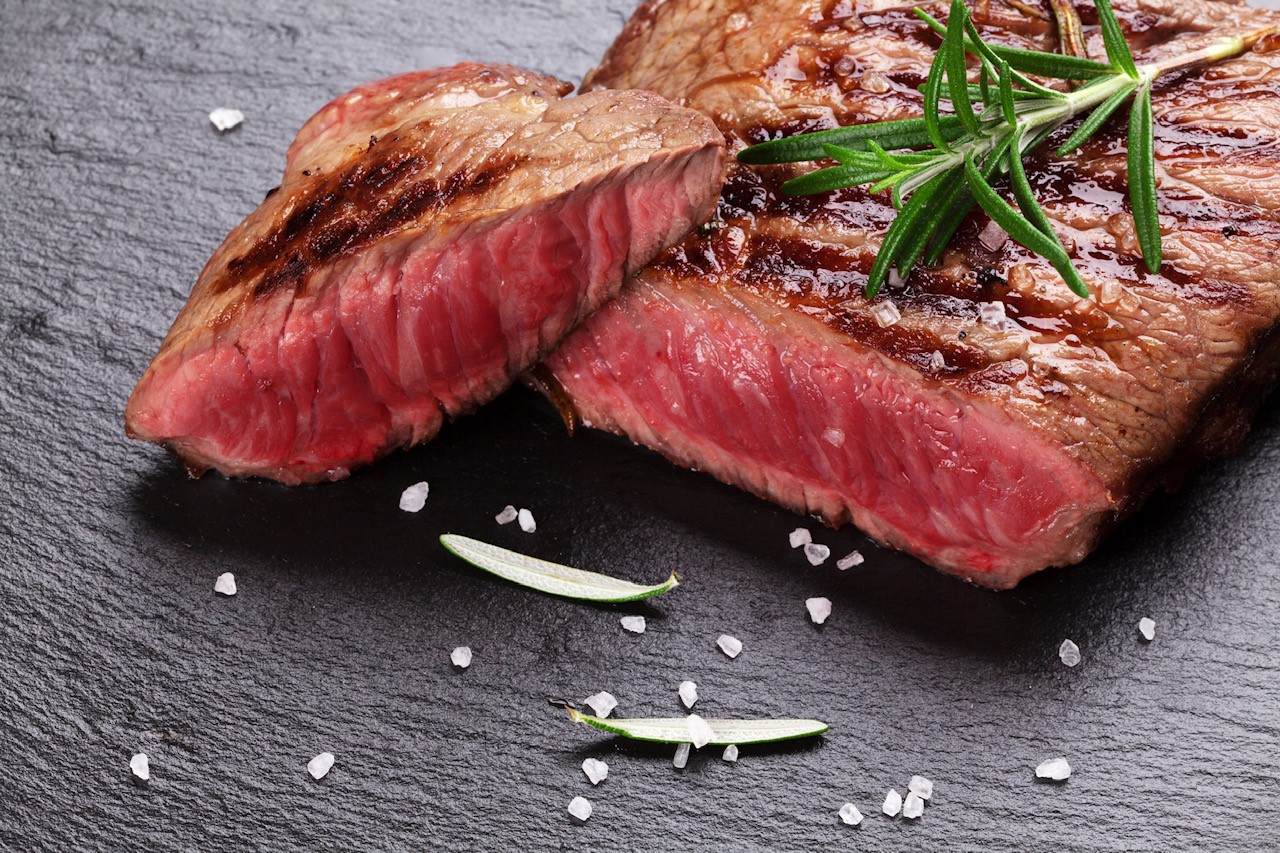
The benefits are plentiful: evenly cooked food, juicy and tender meat, improved flavour without additional salt and fat, and retention of meat weight. For example, on a stove top medium rare steak 40% undergoes weight loss while the outside of the meat dries out. In contrast, a steak cooked sous vide retains its weight and results in even cooking throughout the meat. Both consumers and chefs enjoy the benefits of sous vide cooking. Precise temperature control reduces the risk of overcooking and has introduced a new standard in cooking: overnight cooking. And innovative technology has made it easy to fulfil orders without compromising on quality.
Constant quality, always everywhere
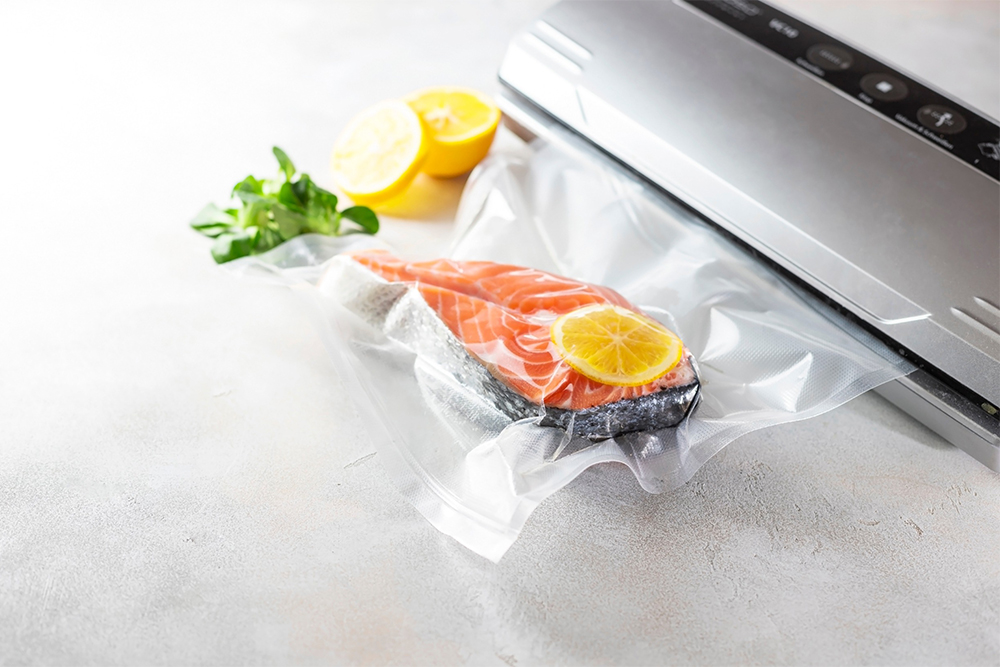
According to Florian Hartmann, former star chef and now Vice President of Product Applications at RATIONAL iCombi, one of the biggest benefits of sous vide for chefs is the consistency of cooking. “The temperature can be precisely controlled so that the products are never overcooked,” he says. Sous vide is a technique that helps preserve the natural flavours and juices of the product as they remain in the vacuum bag. Conversely, if you cook a chicken breast in the traditional way, all the flavour and juices are lost in the water. The flavouring will also be much more intense if you throw in your herbs with the meat.
SOUS VIDE TO REDUCE STRESS - AND INCREASE SUSTAINABILITY
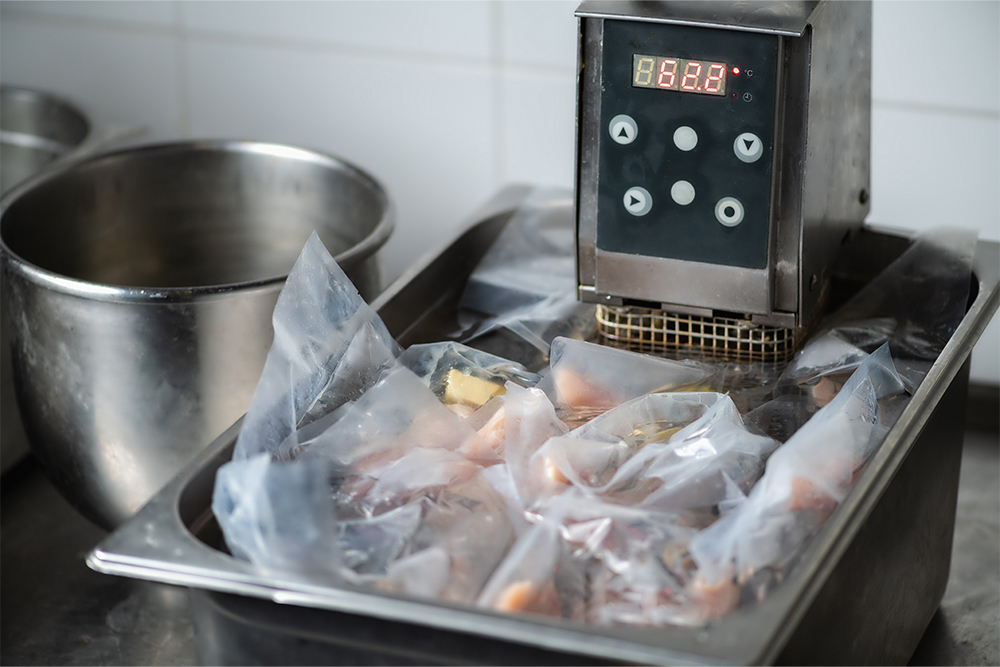
Sous vide cooking also allows chefs to prepare before opening, reducing last-minute stress for operators during busy periods. Another advantage of sous vide cooking is that it allows you to buy special offers and keep them for longer, as the precooked vacuum-cooked food stays in the fridge for longer.
It is also an excellent solution against waste. Take the example of airlines, where thousands of fresh chicken breasts would have to be cooked in advance, but due to flight changes/cancellations, they would make a huge loss. With sous vide, the precooked chicken is simply refrigerated so that it can be used later as required. Similarly, in the case of a hotel room service, the chicken can be pre-cooked, which means that a trainee chef working the night shift, who has to prepare a club sandwich, simply has to take the sous vide pre-cooked chicken out of the fridge and put it on the grill to brown on both sides.
Innovation is still ongoing
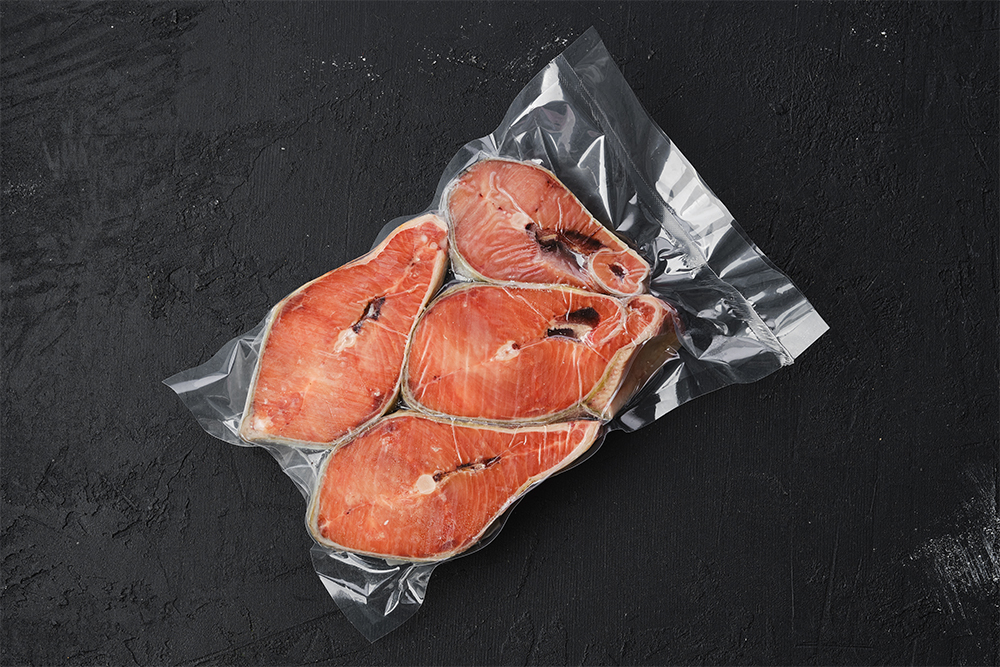
While most sous vide cooking relies on plastic vacuum bags, there are already examples of compostable, biodegradable vacuum bags and reusable silicone bags. In France, for example, the birthplace of sous vide, the government has banned all plastic bags, so new sustainable solutions for sous vide will have to be found in the future.
Ultimately, the appeal of sous vide is the precision and control it gives chefs. Even after all these years, sous vide is still triumphant, and there is a reason why it has such staying power. And smart technology only adds to its appeal.