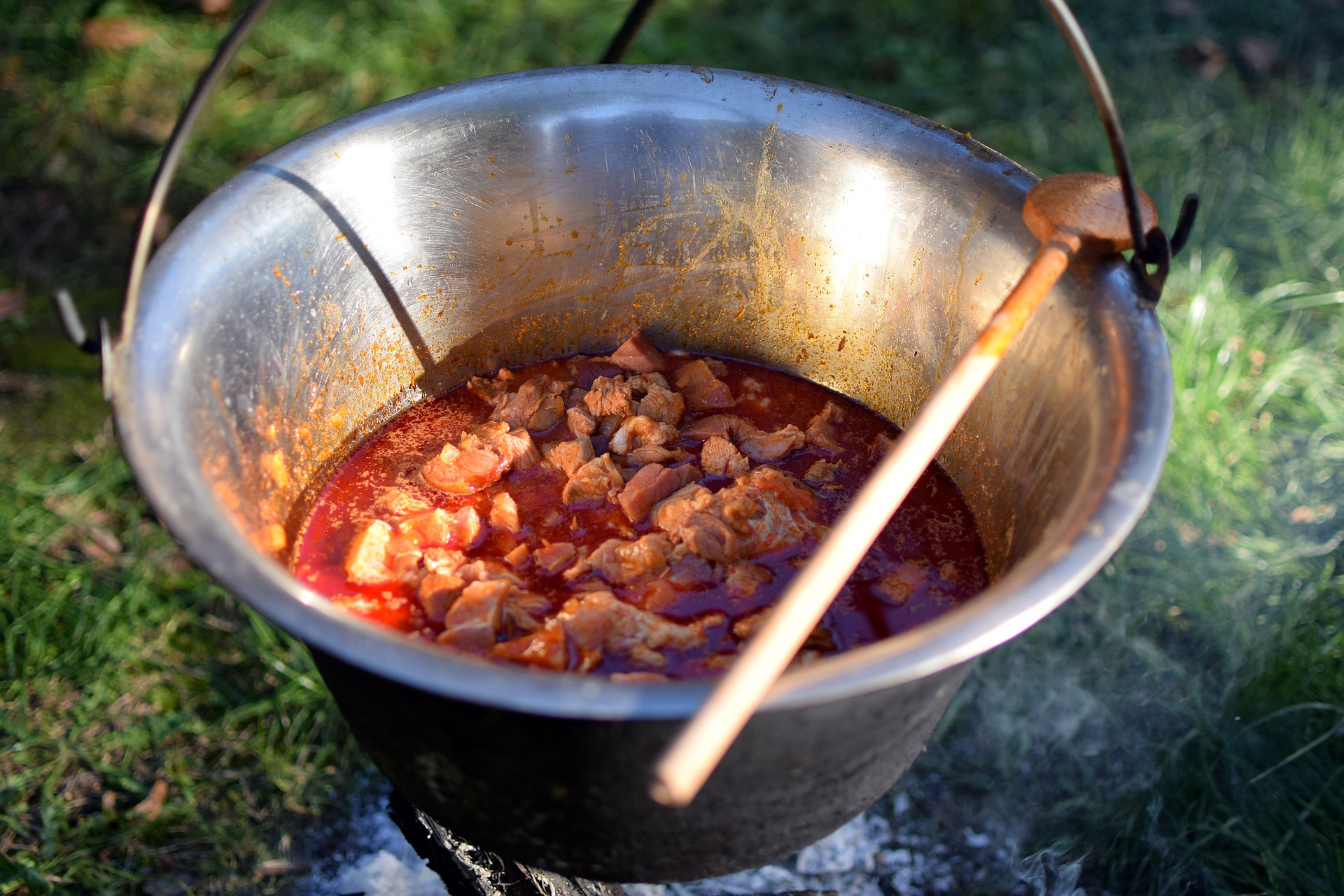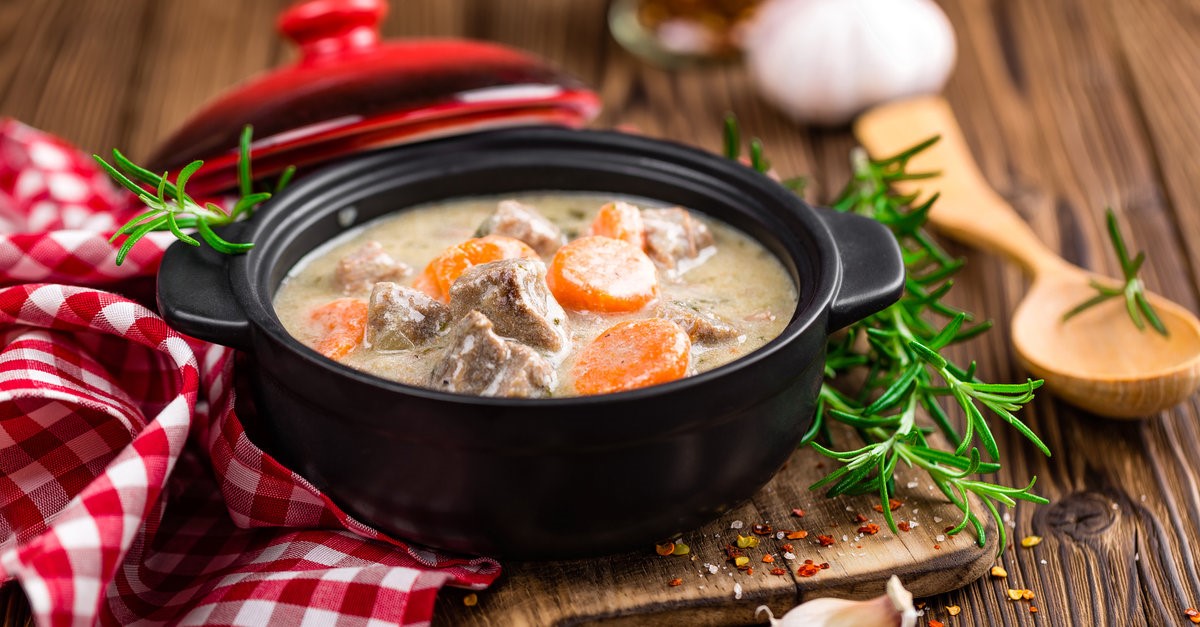





We tend to narrow fish consumption down to a few species, but catfish is undoubtedly one that captures everyone's imagination. Catfish meatballs are a true classic that captures the imagination of every Hungarian.
Catfish, but why?
Freshwater fish are common in Hungarian cuisine. Apart from carp, it is another typical ingredient that we like to eat. A very popular fish in our country is the grey catfish fillet, as well as the leather fillet of tooth. As the weather gets warmer, demand for trout and Nile perch also increases. Matusz-Vad's repertoire includes a huge selection of these fish, as well as catfish heads and chowders, all year round. Catfish is the fish that everyone is looking for in restaurants, because we are bound by tradition. It is important to meet the needs of audiences abroad and at home.
The European catfish
A species of the class of ray-finned fishes, order Catfish, family Catfish. It is the second largest fish in European freshwaters. In the central and eastern part of the continent it is almost can be found everywhereó. It is the „giant” of the Hungarian fish fauna, as some of its specimens can grow up to two metres and weigh over 100 kilograms. In Hungary it is common in both rivers and still waters. It is also found in Western Europe, on the British Isles and in the Lake Baikal system. Economically significant and valuable fish. Catfish are also farmed in ponds, but a large proportion of the European catfish caught and sold is caught in natural waters.
Occurrence in Hungary
It is a native predatory fish of the Carpathian Basin, found in Hungary in all rivers and standing waters where there are deep, pit-like areas, rocky caves, in the shade of which the predator can safely hide. The 17th-century Fay manuscript, a very important source of Hungarian fish names, refers to the name as “harcza” in the original spelling. In Marcus Rumpold's book of 1604, translated in 1680, catfish is among 16 Hungarian fish names.
Important habitats: the Danube, the Moson-Danube, the Rába, the Rábca, the Marcal, the Ipoly, the Zala, the Zala-Somogyi, the Sió, the Kapos, the Drava, the Mura, the Kerka, the Karasica, the Tisza, the Old-Tur, the Szamos, the Kraszna, the Bodrog, the Eastern Main Canal, the Western Main Canal, the Sajó, Bódva, Hernád, Vadász, Takta, Eger, Csincse, Zagyva, Hármas-Körös, Kettős-Körös, Fekete-Körös, Fehér-Körös, Sebes-Körös, Berettyó, Maros, Balaton, Kis-Balaton, Fertő, Velence, Tisza and Tisza.
Points of interest
- Hungarian sayings about the catfish are “fat as a catfish” or “tátog, wie a catfish”.
- One of the biggest catfish caught was a 127 kg grey catfish monster. It was fished from the Po river in Italy. The fish was a giant 267 centimetres long and was fished for almost two hours.
Why the catfish?
Unfortunately, there are few places where you can buy tasty Hungarian predatory fish. In many places, they prefer African catfish, which is less demanding and tastes nowhere near as good as grey catfish. The meat is extremely tasty, rich in fat and free of fibres. It is therefore one of the main ingredients in Hungarian fish dishes. Its elasticity, compactness, whiteness and flavour rival that of sea fish. Its flesh is very high in vitamin D and rich in omega-3 fatty acids. It contains all the essential amino acids, but catfish meat, such as grey catfish, contains less protein and phosphorus than carp, so for dieters, grey catfish may be a better choice than carp. If you want to make a really authentic, great catfish stew, and dazzle your guests, only catfish is the best choice. It is most often prepared as a chowder, fish paprika or fried fish.#