






Our lives would be unimaginable without whipped cream. This pleasant, light texture, wonderfully melting, sometimes sweet, sometimes salty ingredient is a welcome accompaniment to our everyday lives. It is one of the most important ingredients in confectionery, made every day in restaurants, hotels, cafés and homes.
What is whipped cream?
A meringue 30% -40% fat, coffee cream contains 16%. Artisanal cream is listed in the Hungarian Food Guide as a product made from milk with a minimum fat content of 40%. In the UK, cream with a fat content of 18, 36, 48 and 63% is also marketed. More recently, food products are also available which contain no milk/cream at all. The Hungarian Foodstuffs Codex specification on the protection of the designation of milk and milk products states that the word cream can only be used for dairy products. The name 'cream replacer powder' cannot be used for the product in question.
Photo by Envató elements
Preparation
Cream is a sweet-tasting dairy product made from raw milk by machine skimming. It can be easily created using so-called separators nowadays the necessary cream with fat content. The advantage of good quality equipment is that it not only separates the cream but can also remove impurities.
Photo by Envató elements
What to look out for?
There are a number of products available in the cream category. When choosing, it is worth checking what is in them, as they are often full of additives and sugar. The fat gives the right consistency and it is a good idea to keep it as high as possible, as it also plays a role in flavour. If you don't want something that's just watered down, you should use the right to get this from important raw material. And if you come across a product with a thicker cream in the packaging, don't think it's spoiled, but squeeze it out happily, as it has a high fat content.
Photo by Envató elements
The secret to perfect whipped cream
To put it simply, cream is nothing more than a fatty layer on the surface of raw milk that has been left to rest. Of course is easy to extract with today's technologies. In simple terms, it can be defined as milk fat emulsified in water. The options on the market today are quite diverse. Coffee cream is 10 %, cooking cream is 10-25%, while the cream cream used as a base for whipping cream is 30-35%. Top confectioners use much higher fat contents, up to 40 - 50 %. It should be added that whipped cream made from vegetable raw materials and products made from powders (synthetic) will never come close to the original in terms of usability and enjoyment.
Without the whipped cream we would be less
Without the perfect whipped cream, many desserts would be much poorer. Etheric lightness for all occasions enhances the enjoyment value of delicacies. The cakes, creamy desserts, parfaits and ice creams would be much poorer without it. A little whipped cream on top of the coffee, hot chocolate topping to soften the experience with flavours, fruit salads to add to the enjoyment. Without the perfect cream and the perfect whipped cream, our culinary world would be a much more uninspiring place.
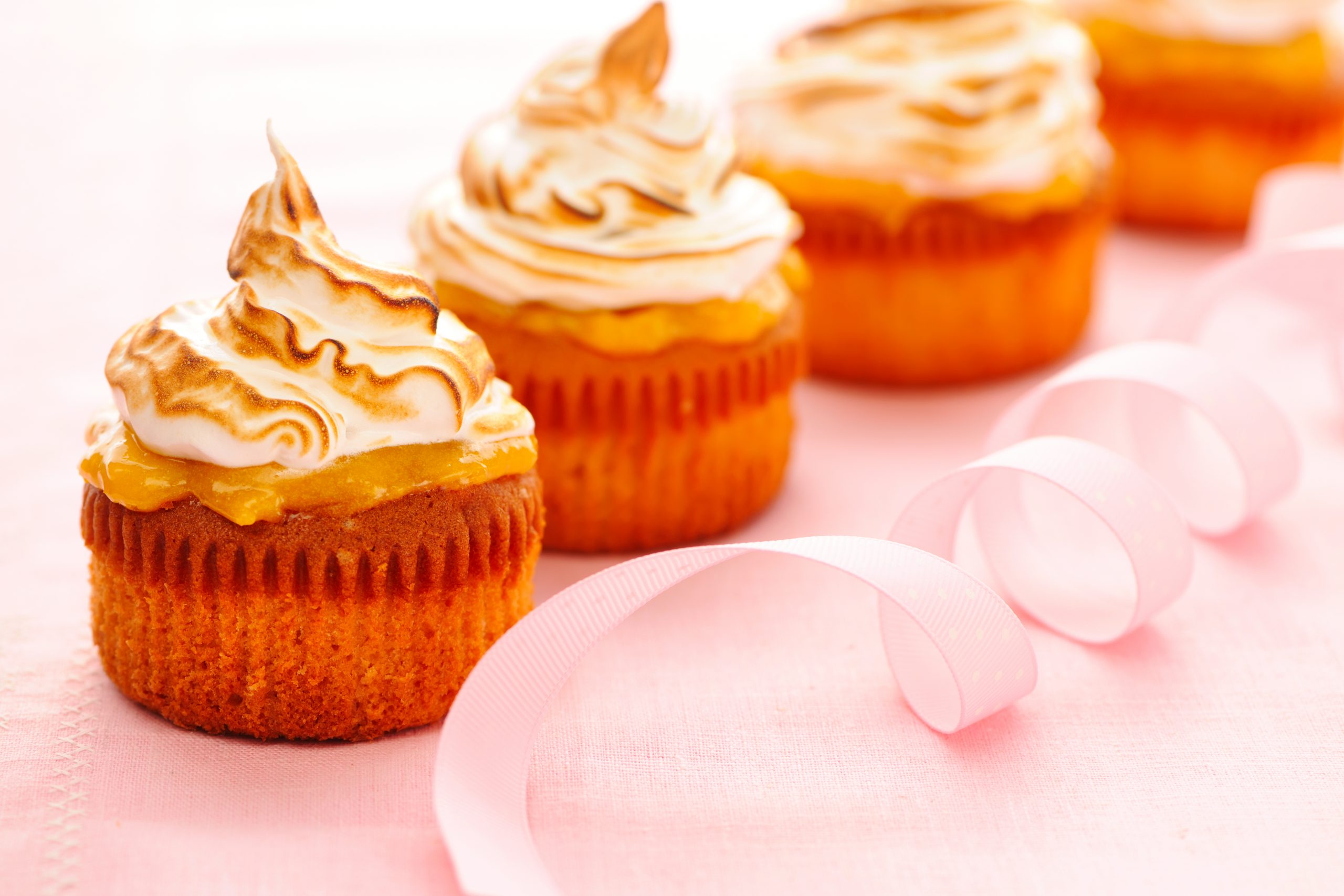
Photo by Envató elements
Whipped cream has been around for a long time
It was a favourite of Catherine de Medici, who was born in Florence, and was eaten not only with sweets, but also with vegetables and ready-made dishes. A true connoisseur, she took the recipe for whipped cream with her to France, where it was used by enthusiastic cooks and pastry chefs, and served in many different forms.
For the perfect whipped cream, you need the perfect cream
If a restaurant really wants to offer its customers a dessert experience, quality, well-pre-chilled, real whipped cream is essential. It is advisable to refrigerate it for several hours before preparation, or even better overnight. As always, the secret lies in the quality of the raw material and its proper handling. Then comes the technology to mix it to the desired firm consistency.
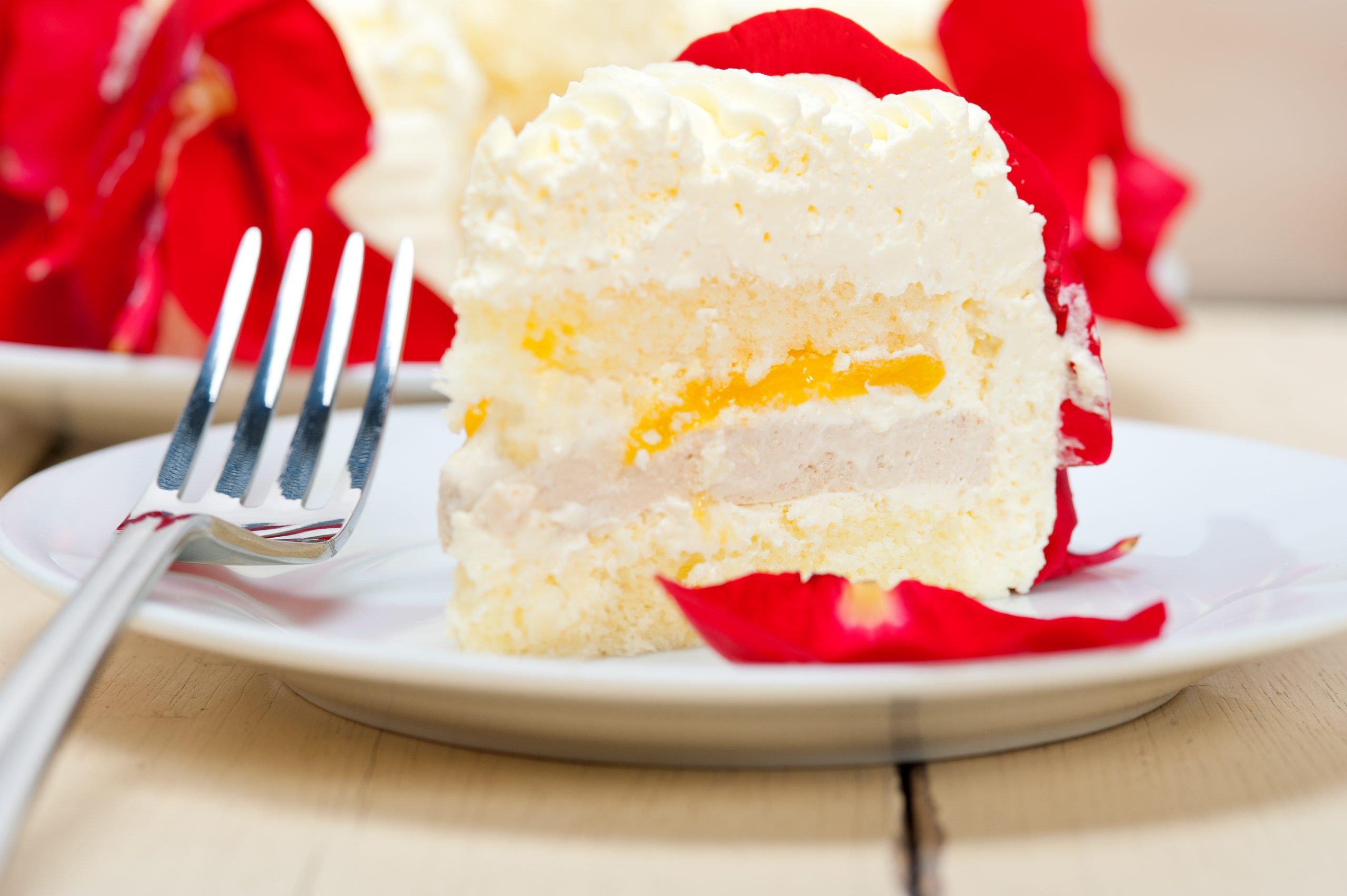
Photo by Envató elements
In the Hungarian context
The famous 1881 Hungarian-French Cookbook by C. József Dobos C. has a special section on whipped cream. At that time it was called „whipped cream”. The most typical whipped cream delicacies are the Rigó Jancsi, created in 1896 by a master confectioner in Budapest, and the Somló galuska, a prize-winning sweet from the 1958 Brussels World Fair, which is still popular today.
https://shop.matusz-vad.hu/hu/search?search=tejsz%C3%ADn