






The cost of raw materials, rising energy prices and a shortage of human resources are pushing up costs. Unavoidable price increases cannot cover the downward trend in revenues, so margins for service providers are shrinking. The pressure on catering businesses is a major challenge for the sector. In this opaque and ever-changing market, businesses have to use different tactics and tools to survive. We looked at ways to cut costs.

Photo by Pixabay
There was a time when we were waiting for the reopening
Just two years ago, COVID-19 sent hospitality and tourism on an unprecedented trajectory. The restrictions forced everyone to close, and the long-term consequences are still being felt today. But the period since the relaunch has been like a rollercoaster. Domestic and foreign visitor numbers have fallen dramatically, and solvent demand is much lower. Economic austerity, the new legal environment and even climate change are adding to the problems. According to experts, the situation has not improved. Many have been forced to close and the number of people leaving the sector has reached unprecedented levels. Solutions must now be found in this environment.
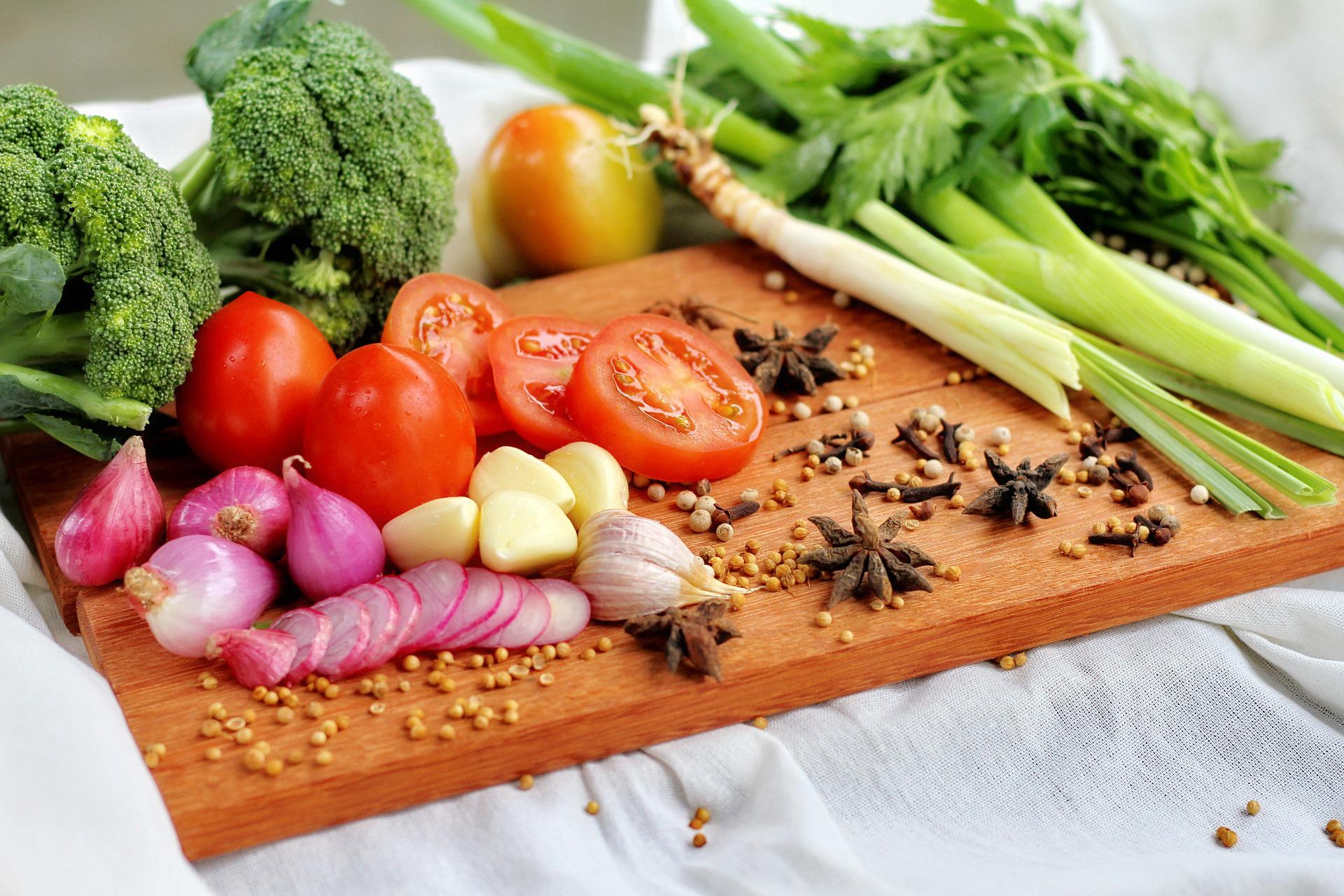
Photo by Pixabay
Rising raw material prices
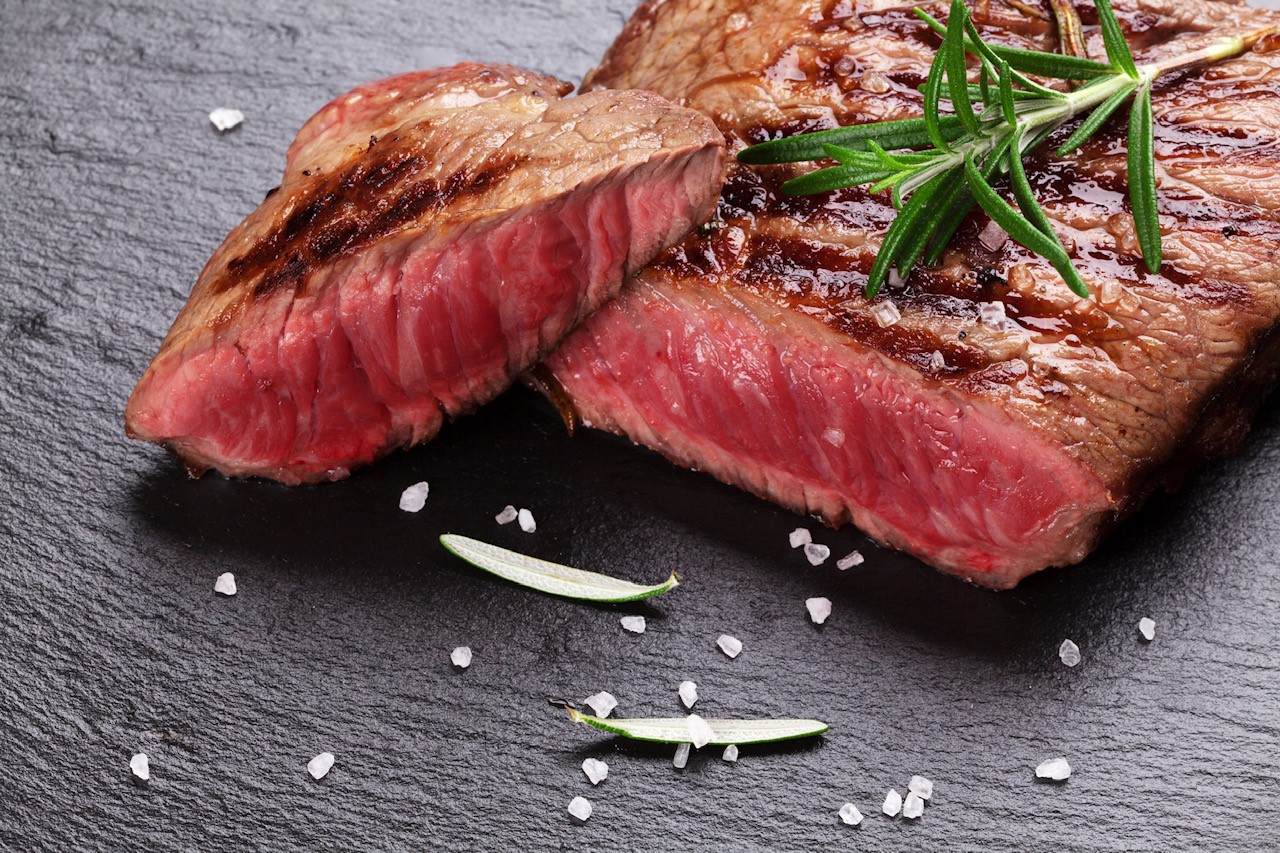
In May 2022, the British trade magazine The Caterer reported that rising costs are causing many restaurants to drop the premium dishes made with ingredients. Seafood and expensive meats can make excellent food, but they are a huge burden on the spending side. We have now come to the point where the principle of less is sometimes more. Whether it's a Michelin-starred restaurant, a bistro or a simple buffet, one of the most obvious solutions is to choose your ingredients carefully. Of course, we are not talking about compromising quality, but about a well-considered choice of ingredients.
A cardinal part of running a catering business is raw material purchased at the best possible price. It is now a luxury to work with suppliers who do not try to adapt themselves. So you need to review where, when and in what quantities the unit sources its raw materials. Obviously, it is more of a burden for the chefs, but it is a huge win-win for the restaurant.
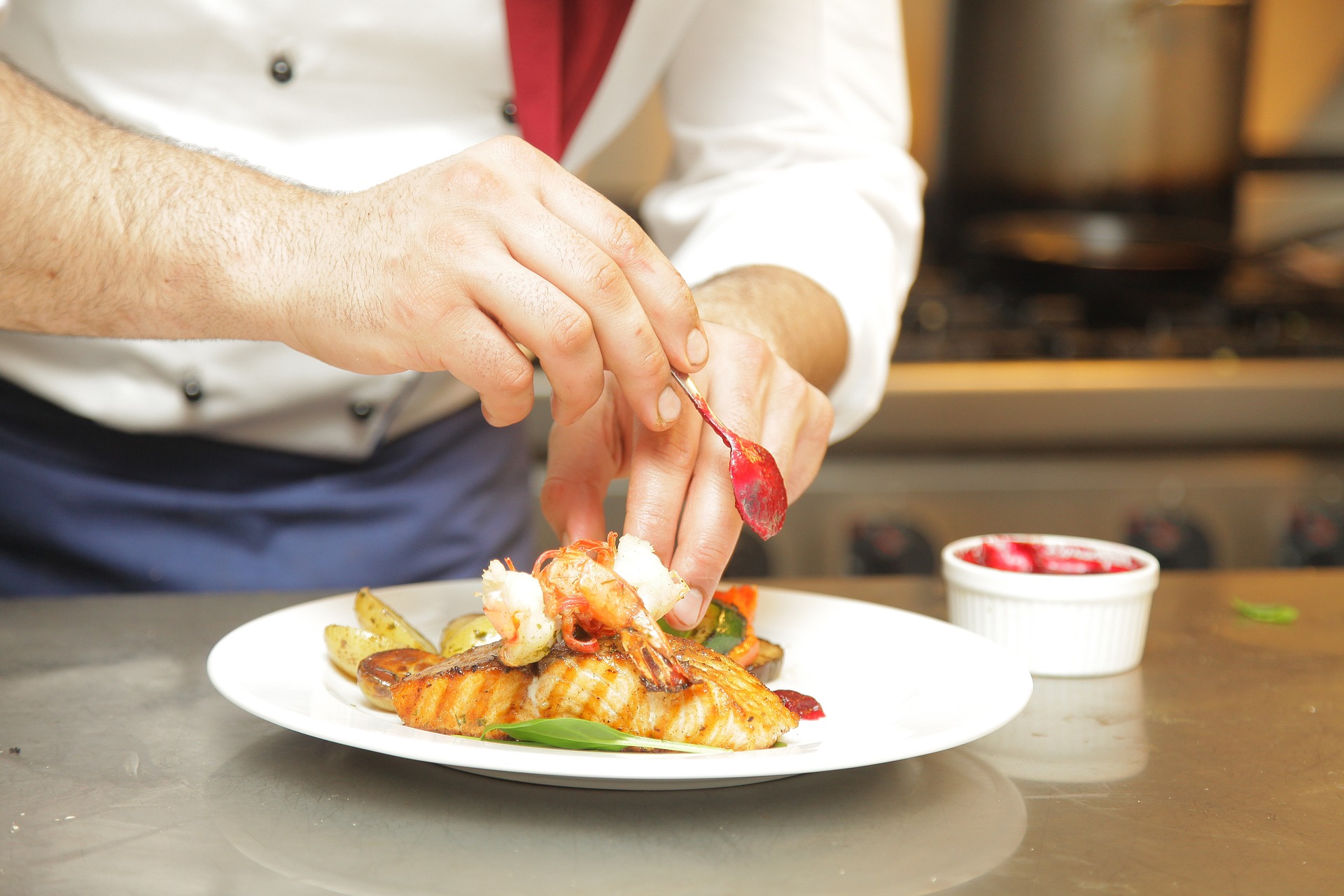
Photo by Pixabay
Changing the elements of a dish
Price increases can only work to a certain extent, as guests are more economically vulnerable. However, drastic changes to the menu should not be made, as the menu may lose regulars. A solution could be to always use cheaper, seasonal ingredients for side dishes, for example. These should be constantly updated.
A good trend could be for restaurants to prepare their menu with sustainability in mind. Minimising the quantity of items on the plate is one option, but it should be done with extreme caution. Portion sizes should be balanced and the nutritional value of the food should not be compromised! Balancing the „amounts on the plate” has become more important than ever! Ensure good quality meat, such as sustainably produced, and reduce the quantity rather than the low choose quality.
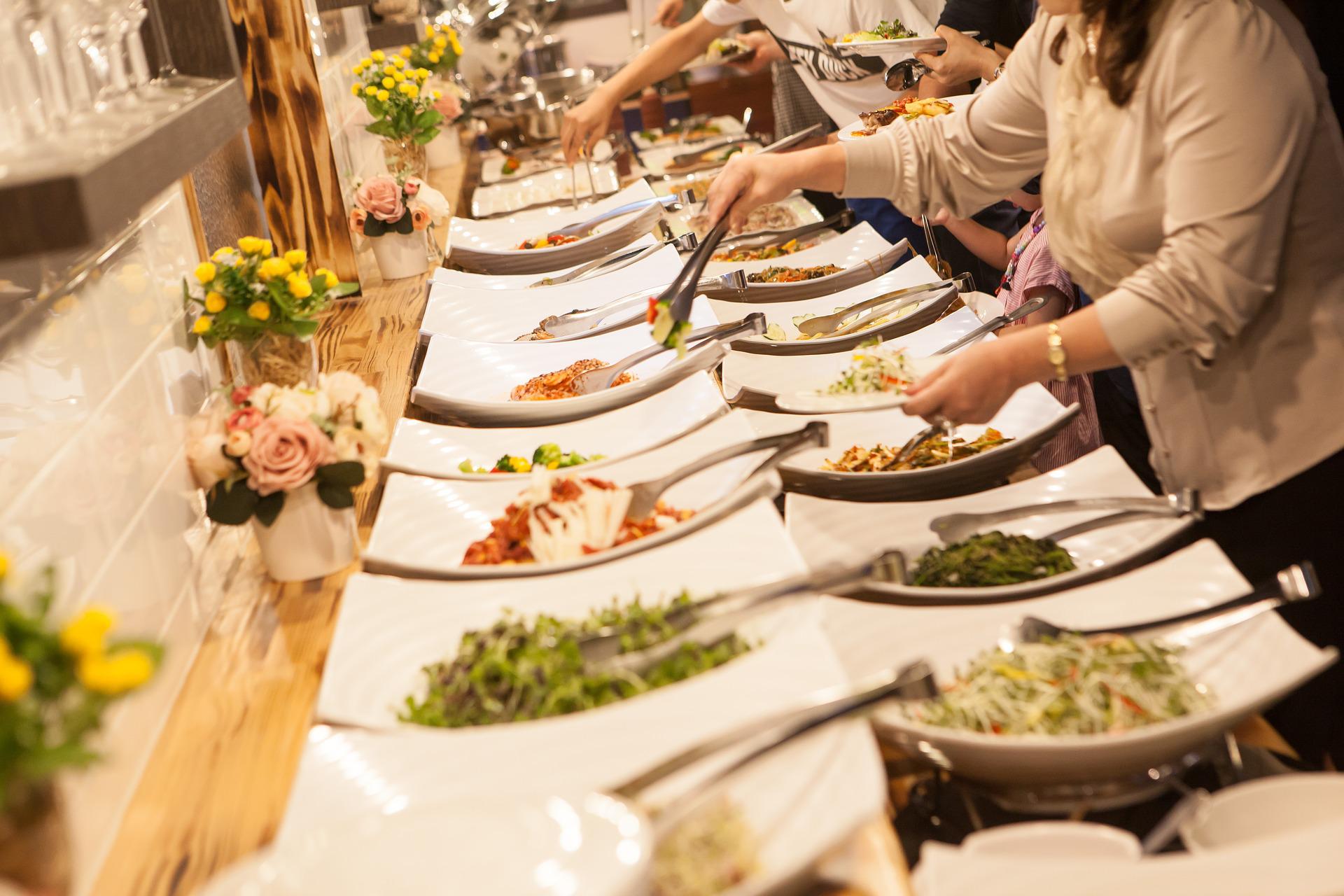
Photo by Pixabay
Food waste, kitchen technology
We must protect raw materials, we must not allow them to be wasted. Extra care must be taken in the kitchen to ensure that nothing goes to waste! Attention must be paid to proper storage, storage and the stable functioning of the equipment involved. All spoiled ingredients and quantities wasted during preparation are unacceptable. It is very important to follow the recipe to the letter when preparing food and to cook only what is actually needed!
Kitchen equipment must be checked constantly. If the opportunity arises, it is worthwhile to use equipment and technologies that make the unit more economical to operate, in order to deal with the shortage of staff and the energy crisis.
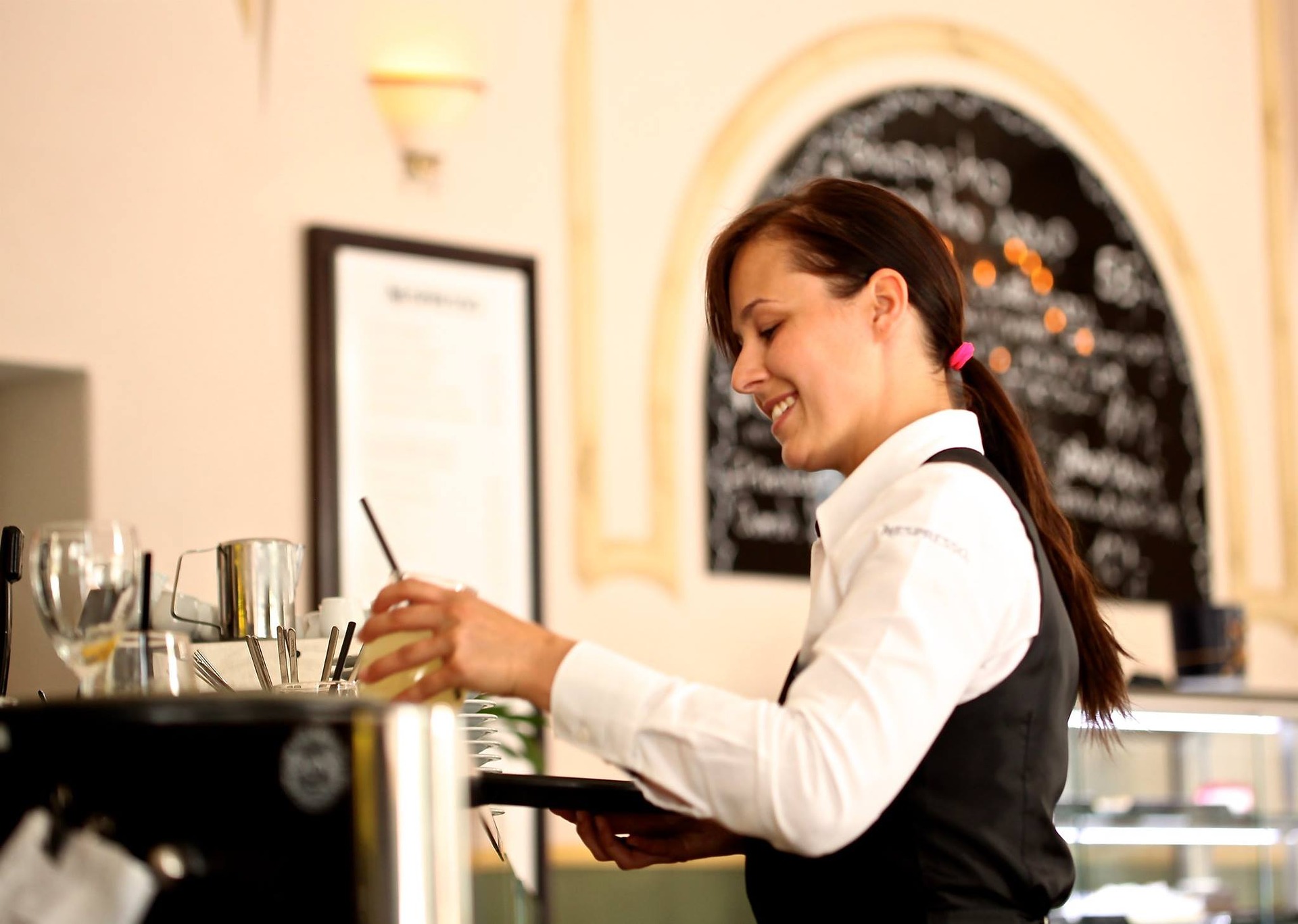
Photo by Pixabay
Maintaining prices versus raising them
If the price of the service is maintained, two things happen. On the one hand, the revenue side doesn't allow for a profitable operation, and on the other hand, you can lose the trust of your guests. The reason is simple. Everyone knows that in today's economic climate, it is necessary to raise prices. If a customer sees that prices in a restaurant are stagnating, he will be suspicious. They start wondering where the place is cutting costs. On quality? On quantity? This can lead to more disappointment than you might think. So if you don't raise the price, you're losing out in more ways than one. In everything you do, customer satisfaction should be the main goal, that's the only way to run a restaurant in the long term. That is what you have to keep in mind!
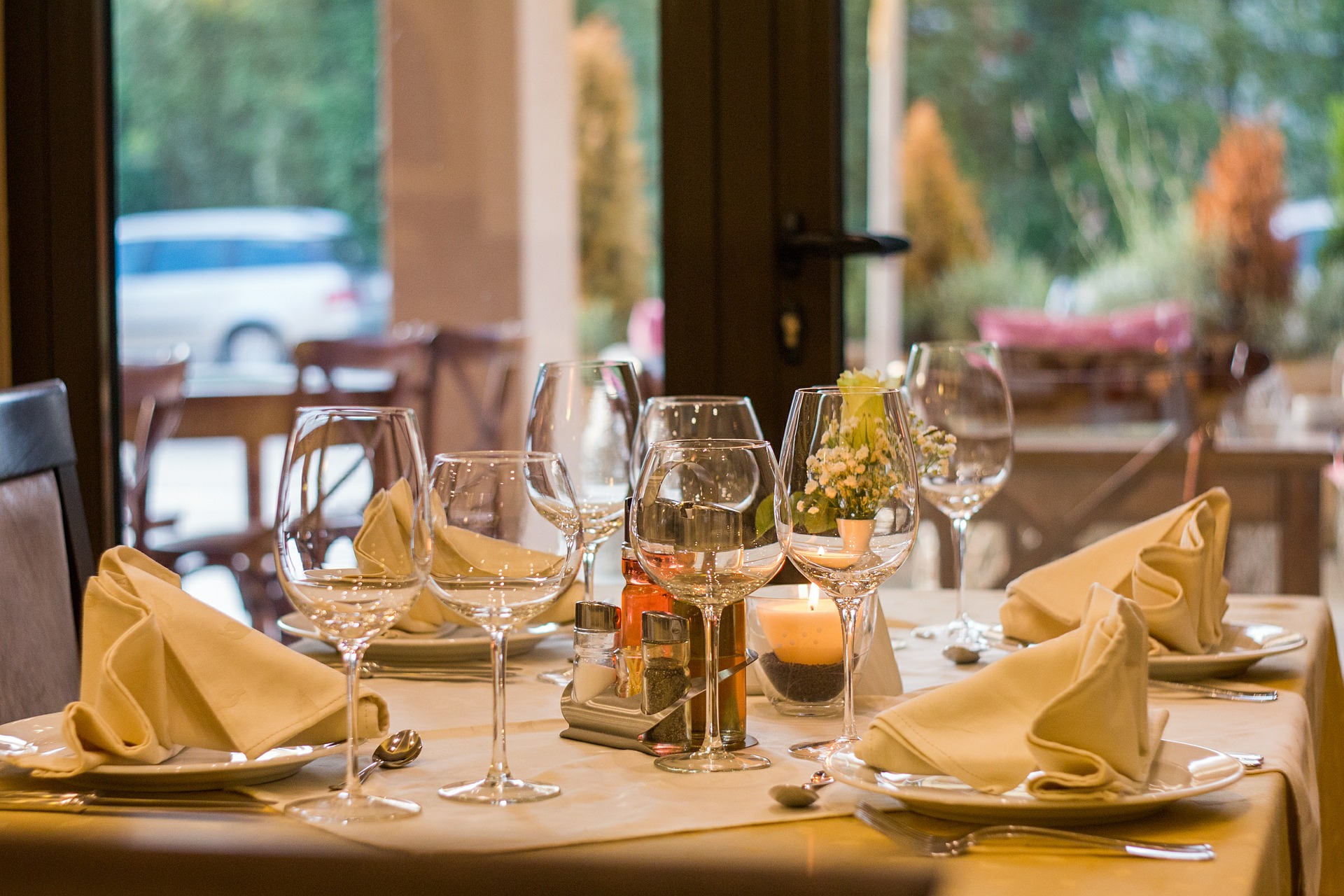
Photo by Pixabay
No two restaurants are the same, so no one has the philosopher's stone. No one can offer clear general solutions. But keeping costs under control is in everyone's interest. It is important to look at every single factor, from raw materials to energy consumption. This is a serious task, but only one unit at a time can the means of sustainability and realistic operation be found.#