






In the world of modern gastronomy, so-called superfoods are gaining more and more attention, not only among health-conscious consumers, but also among professional chefs. These ingredients are known not only for their health benefits, but also for their unique flavours and textures, which can open up new dimensions in the kitchen. Let's see how these superfoods can be integrated into restaurant menus!
What ingredients are called superfoods?
The term “superfood” describes foods that are considered particularly beneficial because of their extremely high nutritional content and health benefits. These foods are generally high in vitamins, minerals, antioxidants, fibre and essential fatty acids. Eating superfoods can help improve health and prevent disease. Let's see exactly what they are and how you can use them in your commercial kitchen!
Chiamag: Master of Crunchy Texture
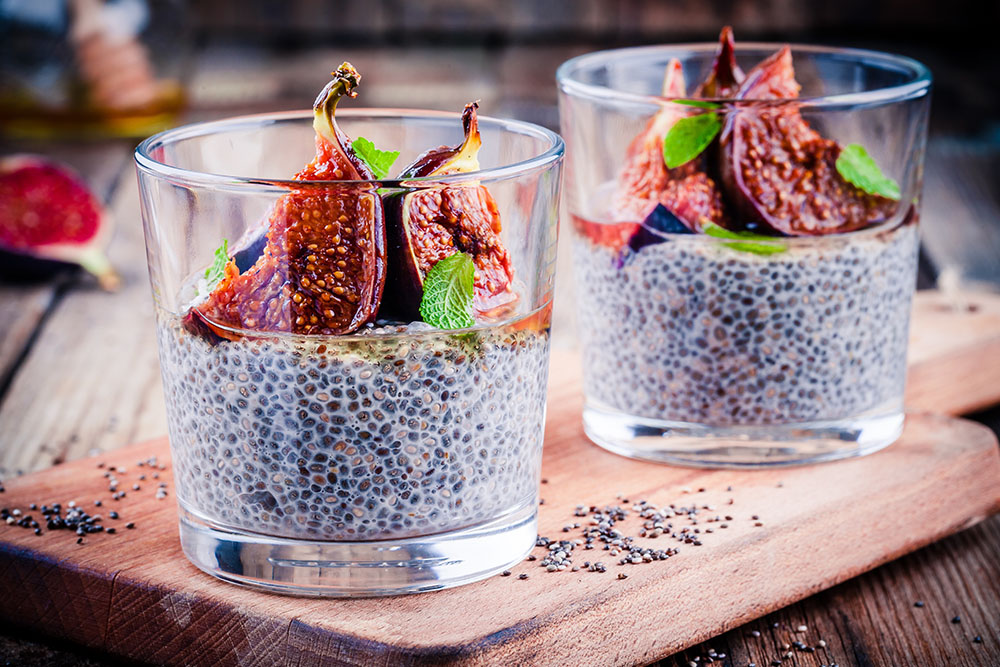
Chiamag has been a popular food in Aztec and Mayan civilisations in the past, and has been rediscovered in recent years for its nutritional and health benefits. They are rich in calcium, phosphorus, zinc, manganese and other important vitamins and minerals. High in fiber and Omega-3 fatty acids, which contribute to cardiovascular health. Chiamag is characterised by its ability to absorb up to ten times its weight in water, forming a gel-like structure when immersed in liquid. This property makes them particularly popular for making puddings, smoothies and other moist foods.
- Breakfast: Make a chia pudding that's not only healthy, but also extremely versatile. Offer different flavours, such as vanilla, forest fruit or chocolate. In keeping with the season, it can be fantastically delicious with from pumpkins also a version made by.
- Desserts: Use chia seeds in cakes or muesli bars to increase their fibre and omega-3 fatty acid content.
Quinoa: The Protein Rich Grain
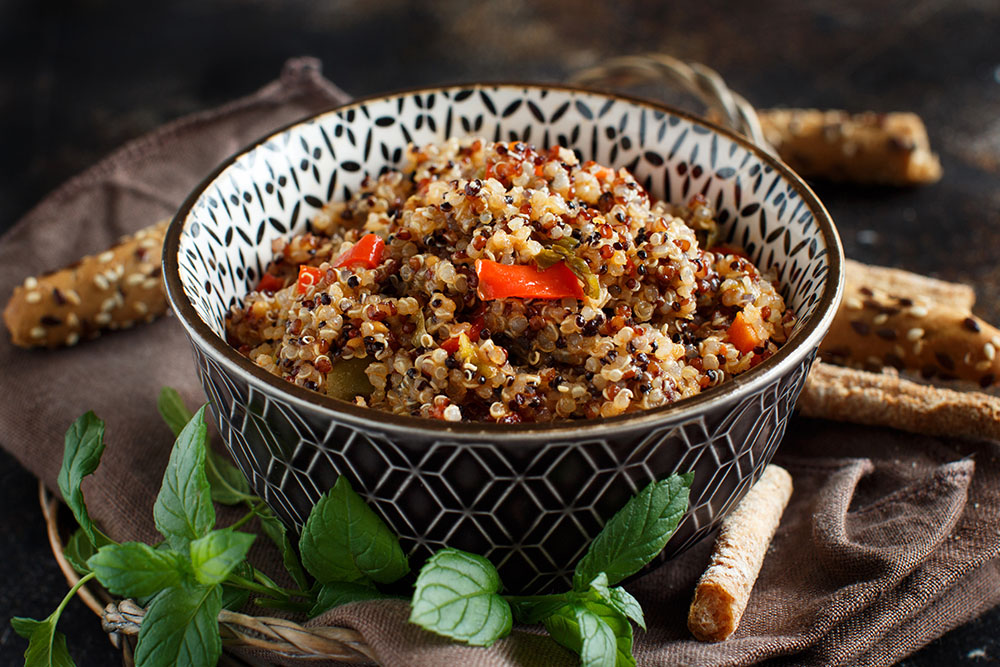
Quinoa seeds can be small, flat and round or oval in shape and come in a variety of colours, including white, red and black. They contain all essential amino acids, making them a complete source of protein. Rich in B vitamins, vitamin E, magnesium, calcium, iron and potassium. Naturally gluten-free, making it an excellent choice for people with gluten intolerance or sensitivity. It is easy and versatile to prepare. Before cooking, it's a good idea to wash thoroughly to remove the bitter-tasting saponins that coat the seeds. Quinoa can be cooked in water or stock and can be used as a side dish, in salads, soups or even in cakes. Its crunchy texture and slightly nutty flavour can be an excellent addition to a variety of dishes and a nutritious alternative to other grains.
- Main courses: Quinoa is an exciting side dish, especially as a substitute for rice or couscous. It can be served with meat, fish or even as a vegetarian option with vegetables.
- Salads: Make nutritious quinoa salads with fresh vegetables, nuts and citrus dressing. Because it has a neutral taste, like rice and couscous, it can be varied in endless ways.
Goji Berry: A Source of Vitamins and Antioxidants
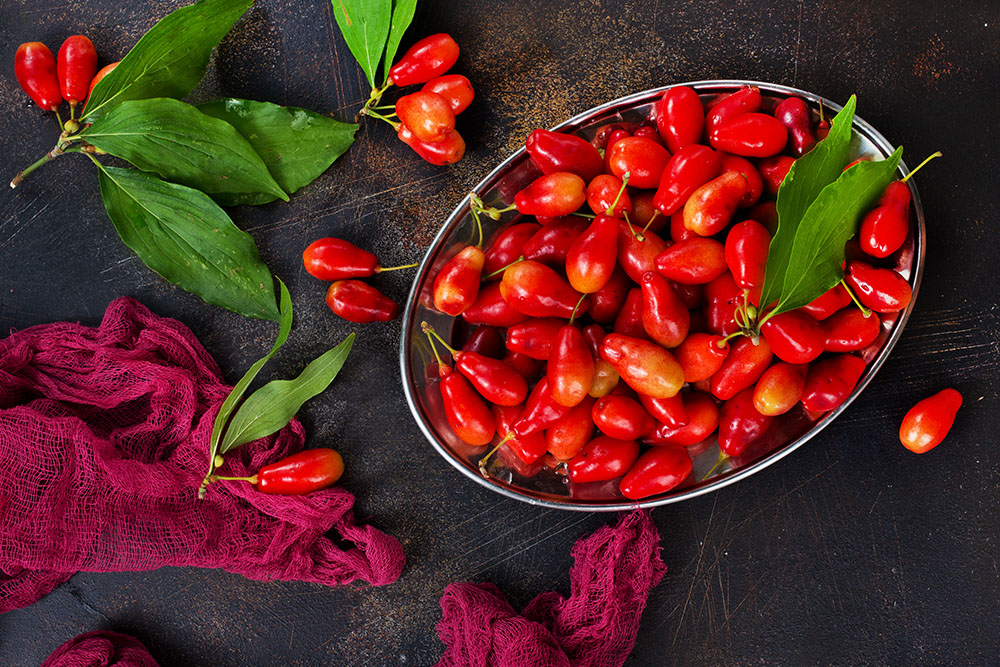
The goji berry has long played an important role in Asian medicine and nutrition, renowned for its health-promoting properties and nutritional value. It is particularly high in antioxidants, including carotenoids such as beta-carotene and zeaxanthin. It contains important minerals such as zinc, iron, calcium and selenium. Goji berries can be consumed dried, fresh, as jam, tea, juice or as part of dietary supplements. Many people praise their sweet and slightly sour taste, which makes them versatile in the kitchen. They can be added to muesli, smoothies, cakes or salads, making them easy to incorporate into your daily diet.
- Drinks: Make refreshing smoothies with goji berries that are not only delicious but also great for boosting the immune system.
- Desserts: Add goji berries to yoghurts, granola or cookies for extra flavour and nutrients.
Inclusion and Innovation
When integrating superfoods into a restaurant menu, it is important to focus not only on the nutrients, but also on the taste experience and presentation. Introducing new ingredients is a great way to showcase your creativity and attract new guests. Feel free to experiment with different flavour combinations and textures, and don't be afraid to create innovative dishes that are different from the traditional.
As well as balancing the quality, taste and nutritional content of the food, remember that presentation is also key. A well-presented meal that includes superfoods will not only please the taste buds, but also the eyes, giving guests a complete experience.