





Interview with Mirjam Kertész, CEO of Coninvest Kitchen Technology
Coninvest Kitchen Technology and Interior Design recently turned 30 years old, during which time they have designed and built hundreds of kitchens. Thanks to a solid professional background, they know exactly what it costs to run a catering kitchen and how to make it as economical as possible. They also know what it means to build an industrial kitchen without compromise. Their aim has always been to find the most ideal and suitable solutions for their customers. The current economic climate makes their presence in the market even more necessary, since in the catering sector, operating as economically as possible has become a matter of vital importance. We spoke to Mirjam Kertész, the owner of the company.
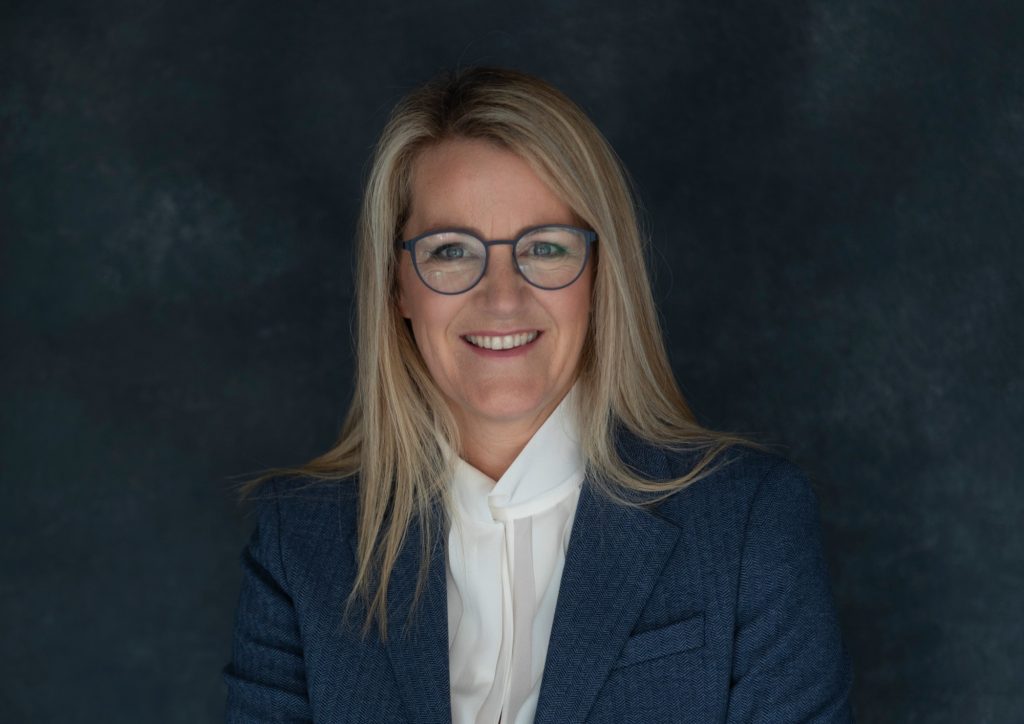
Tamás Budafoki: What do you always keep in mind when designing and building a kitchen?
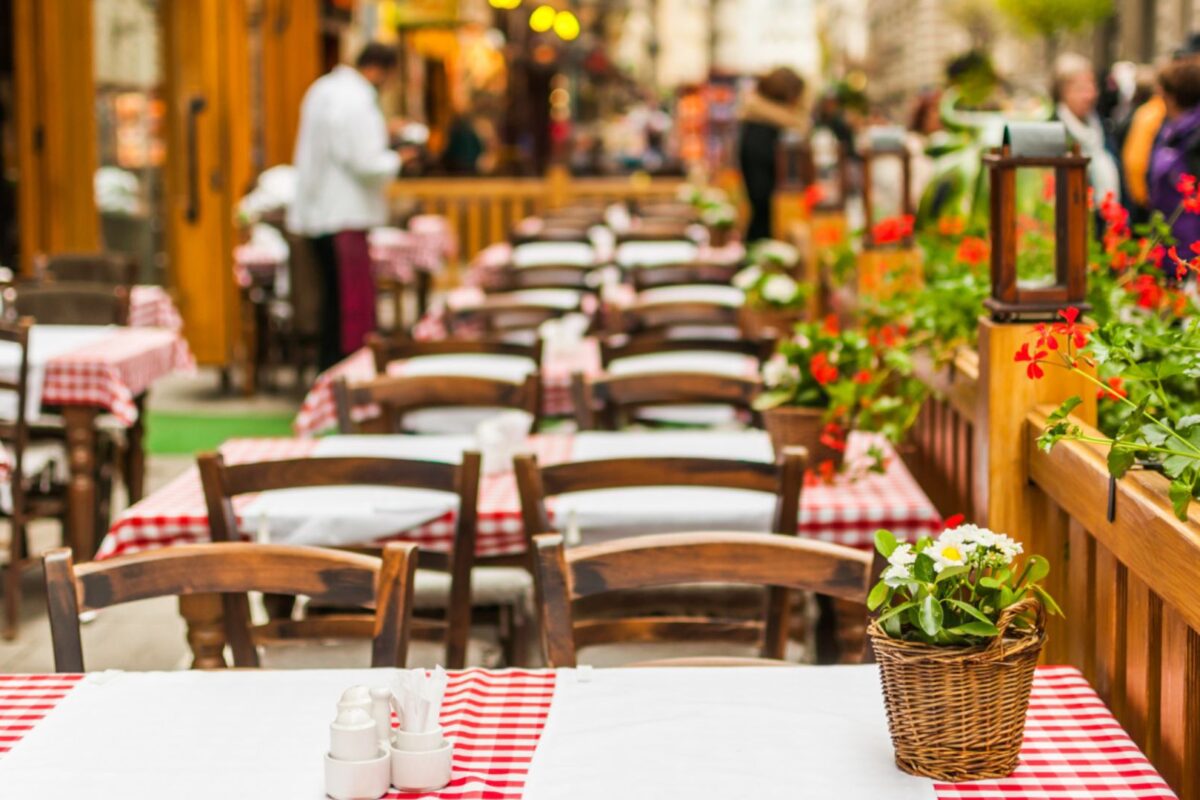
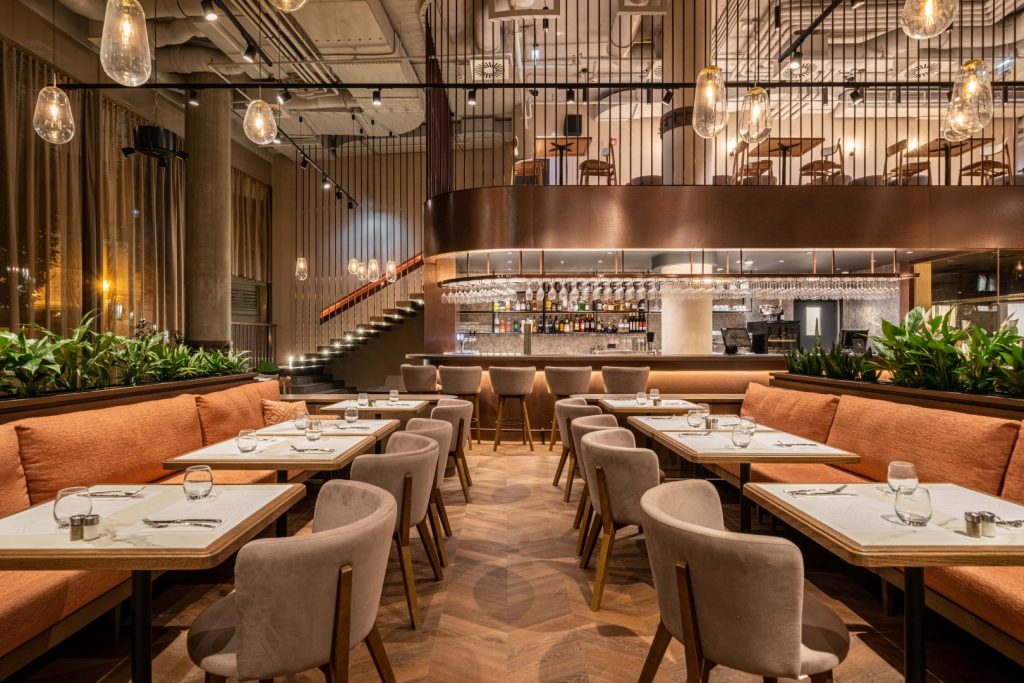
Mirjam Kertész: We always start from the ground up, taking into account the needs of our clients. At the planning stage, we assess the space available to make the best use of the available space, both in terms of the choice of kitchen equipment and the design of the work areas. Long-term sustainability is also a priority, based on precise planning and innovative equipment. One of our most recent projects is Steam, opened in Servita Square. The owners of the restaurant envisioned a café atmosphere tailored to today's needs, where cosiness, friends and business meetings take centre stage, with a cosmopolitan feel. Based on the designer's vision, Coninvest's experts helped to select the furniture that would make it a reality.
BT: What do you think is the most important?
KM: Precise planning and execution. Because it is by taking these into account that we will see in the long term whether the investment is worthwhile. Outside our borders, it is already clear that the kitchen will be built on a higher budget. The lifespan is longer and there are not as many repair tasks in the process. If you want durability, you have to go for quality. A the difference is in the details. What looks like more in the budget now, pays off in the long run - our experience and feedback from our partners show this. The other key, especially given the current circumstances, is to mechanise what we can. Let's think about the processes ahead. We should not only think in terms of desks and shelves, but also in terms of work desks. In many cases, even compact desks with drawers or doors at the front can be the solution, which can be neutral, refrigerated or heated. It is necessary to look at the processes and find the most ideal solutions accordingly.
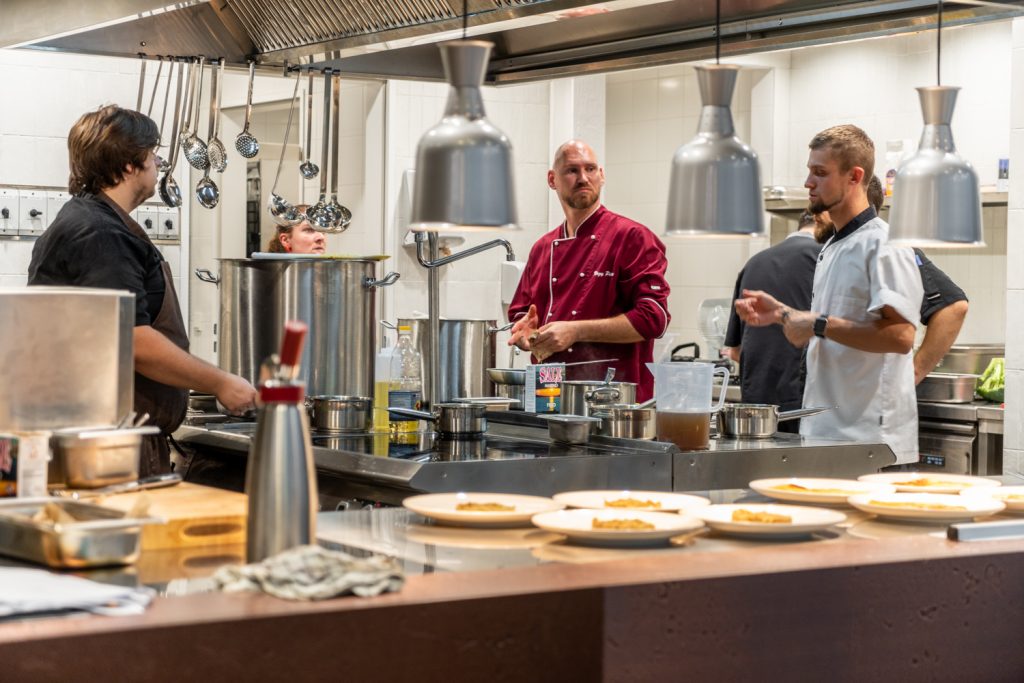
BT: It is an endless array of technical solutions. Every kitchen is different. What can be the basic principle?
KM: If it doesn't fit in the kitchen, don't try to put it in. Refrigeration units, boilers, all accessories should be moved out of the cooking area. This is important for hygiene and a livable workspace.
BT: The end of 2022 is a very difficult time. How do you see the situation?
KM: An unprecedented crisis situation has emerged. One of the sectors most affected, unfortunately, is again the hospitality and tourism sector. At first we thought that we would be seriously affected and that the very existence of our service would be threatened. We represent a premium category in this segment, which is certainly not the cheapest. Fortunately, it has not been. Investing in our products and service is exactly the right thing to do. high quality makes it much more worth it in the long run. Sustainable and economical installations clearly pay for themselves. You can work more efficiently with them and that is now a priority for everyone.
BT: Does this mean that the hospitality industry is trying to get ahead and invest?
KM: Yes. Many people choose the solution of trying to make the kitchen more economical. The other thing that has a big impact on this thinking is the lack of labour. That's why they try to mechanise as many phases of the work as possible. This to overcome the difficulties caused by the lack of human resources, for example, in the industrial dishwashing sector, we carried out a test that proved that manual dishwashing uses almost ten times as much water as mechanical solutions. Here, automation alone can mean huge savings.
BT: Staying in the area of the desired economic viability, what else can restaurants do?
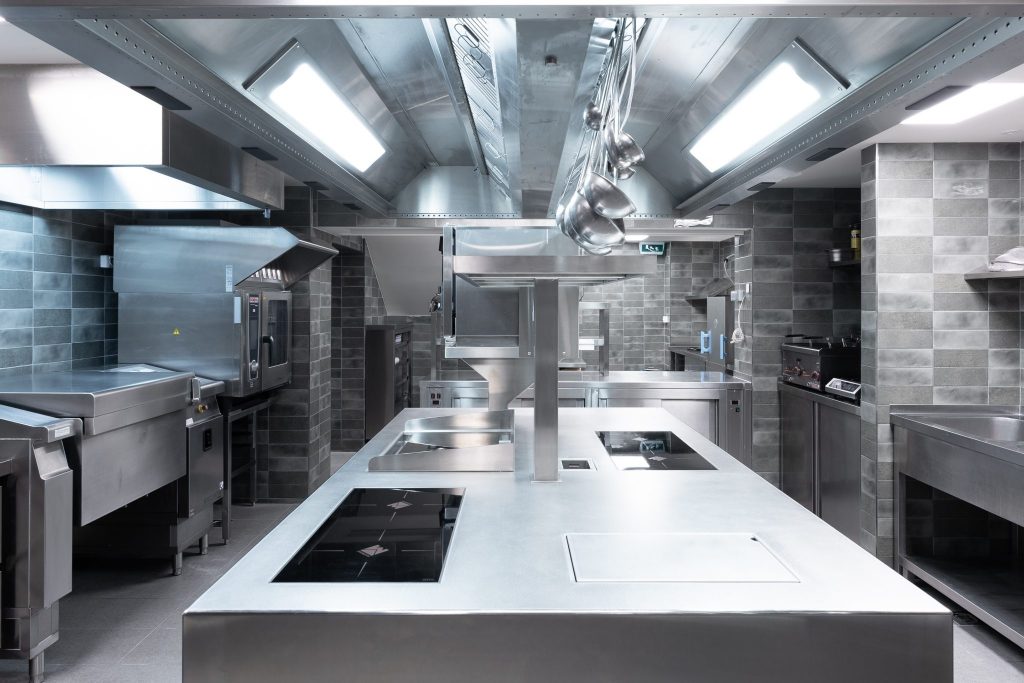
KM: Everything has become much more expensive. With energy prices out of control, we've had a lot of requests to convert our traditional gas kitchens to electric, which is simple and perfectly logical. The old gas cookers are on almost constantly, not to mention the air pollution. By contrast, a modern induction hob only works when it's needed. You can set the exact heat level, and if there's no cookware, it switches off automatically.
BT: What are the cornerstones of a restaurant that can make it more cost-effective through engineering, through technology?
KM: Here we need to look at the three most energy-intensive areas that are present in every industrial kitchen. These are refrigeration, washing up and cooking. For refrigerators, it is not only the machines themselves that are important, but also the room in which they are located, not to mention the maintenance of the equipment. These are aspects that virtually guarantee efficient, long-term and economical operation. In the case of industrial dishwashers, too, investing in truly professional, quality machines brings benefits that you might not think of at first sight: savings on water, electricity, chemicals, time and labour. In these machines, the heat recovery unit preheats the incoming cold water and condenses the vapour inside the machine before opening the door. In the field of cooking, as I mentioned earlier, a big step forward could be the replacement of gas cookers with electric ones. The many benefits all add up, and after a while the bills will clearly reflect that the investment has paid off.
BT: What is the cost implication of the modifications that are needed and what is the payback period?
KM: It depends on the kitchen itself where the changes and replacements are being made, because some kitchens only need to replace the appliances themselves, and others need to transform the rooms. Our experts are available to assess this. And the payback will be seen sooner than you think.
BT: In your opinion, is sustainability a trend or a necessary innovation?
KM: Sustainability is the basis. Quality equipment works sustainably, a precisely designed and built kitchen works sustainably. At Coninvest, we have been thinking like this for 30 years.