






It is extremely delicious and still a curiosity. In recent years, many people have become sushi lovers and there are still some who have not tried it. This oriental delicacy has a special place in the offer of MATUS - Wild. Simple, quick to prepare and extremely healthy. The term sushi refers to a wide range of dishes, in Europe it is mostly used to describe the most common sushi - the types we consume.
What is sushi?
A Japanese dish based on rice cooked with vinegar. To this is added a whole host of ingredients, as each nation has added its own flavour to the dish since it began its conquest of the world. tried and tested and especially familiar ingredients. Available at original variations are mostly made with seafood and vegetables, the most important of which is seafood. In addition to sushi, sashimi is also a popular dish in Japan, where the fish used must be fresh. There are restaurants where the fish swim around in the aquarium until the customer asks for their meal.
How did sushi evolve?
Many people probably don't know the story. It was developed centuries ago to solve the problem of fish preservation. Preservation was achieved by kneading the fish slices with rice and salt and pressing them into flat stones. They were then placed in a deep pit, and stored for weeks, even months. Because the rice produces vinegar during fermentation, the fish could be stored for longer without spoiling. Once dug up, the resulting fermented rice was discarded and not consumed. According to legend, when a great famine broke out, the rice was eaten with the fish that had been dug up. They quickly discovered that raw fish with salt and vinegar could give a fantastic combination of flavours. From then on they ate it together.
Basic types
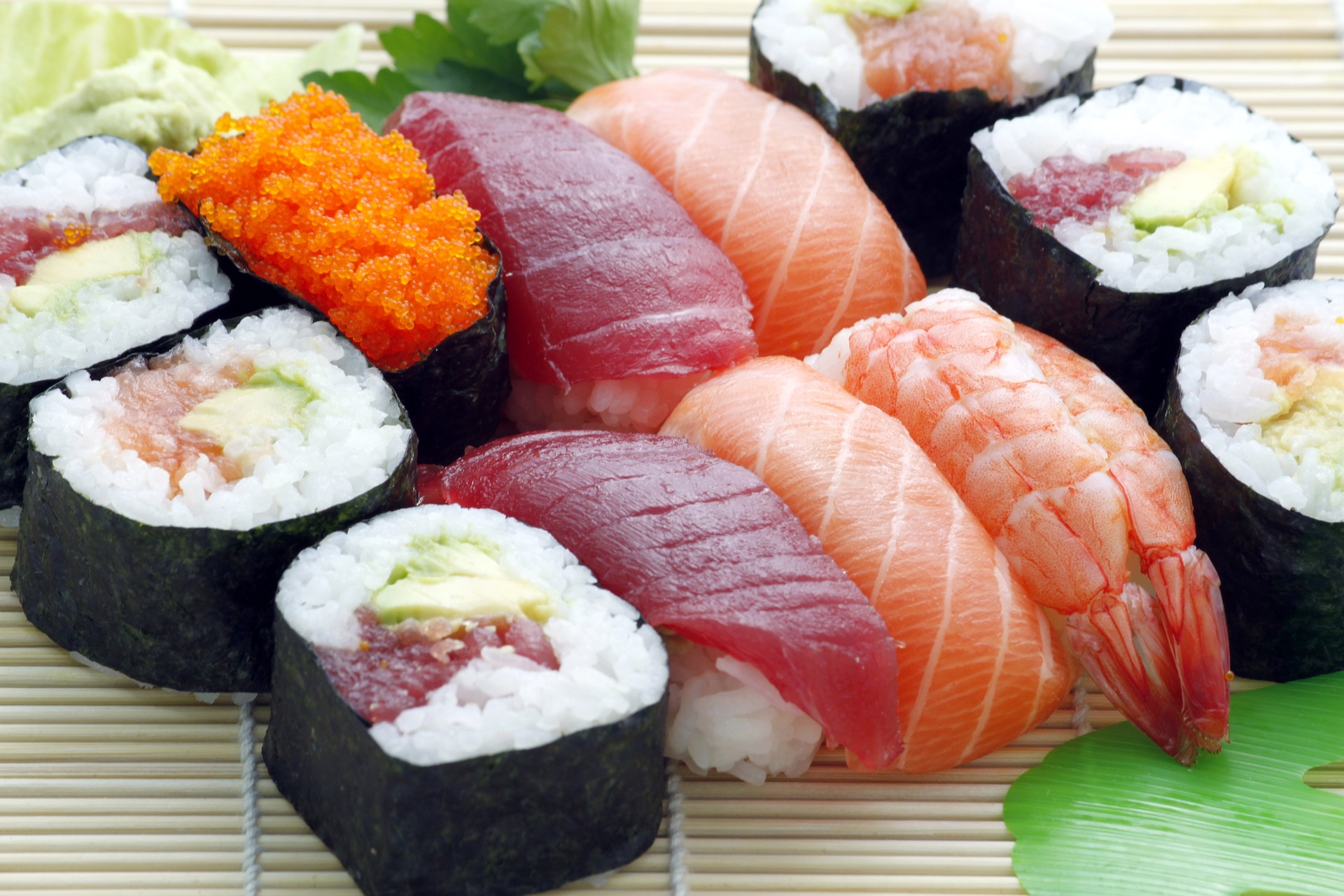
Throughout history, more and more have become more sophisticated sushi procedures for making. No one has actually counted them, but there are hundreds of different varieties. The two most common types of sushi are nigiri and maki. Maki is a cylindrical sushi shape containing toasted seaweed around rice, made with a variety of fillings, but can also take other shapes.
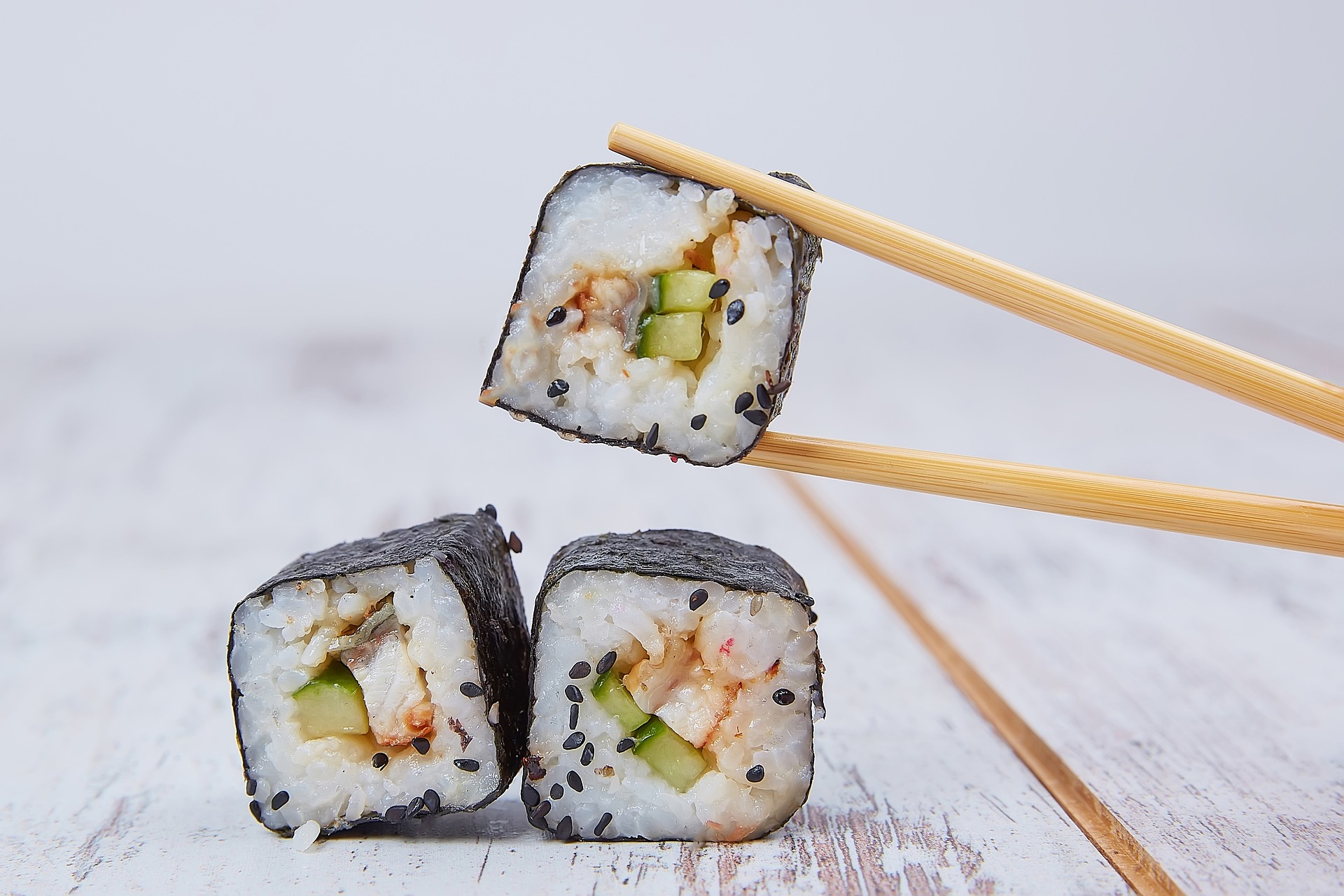
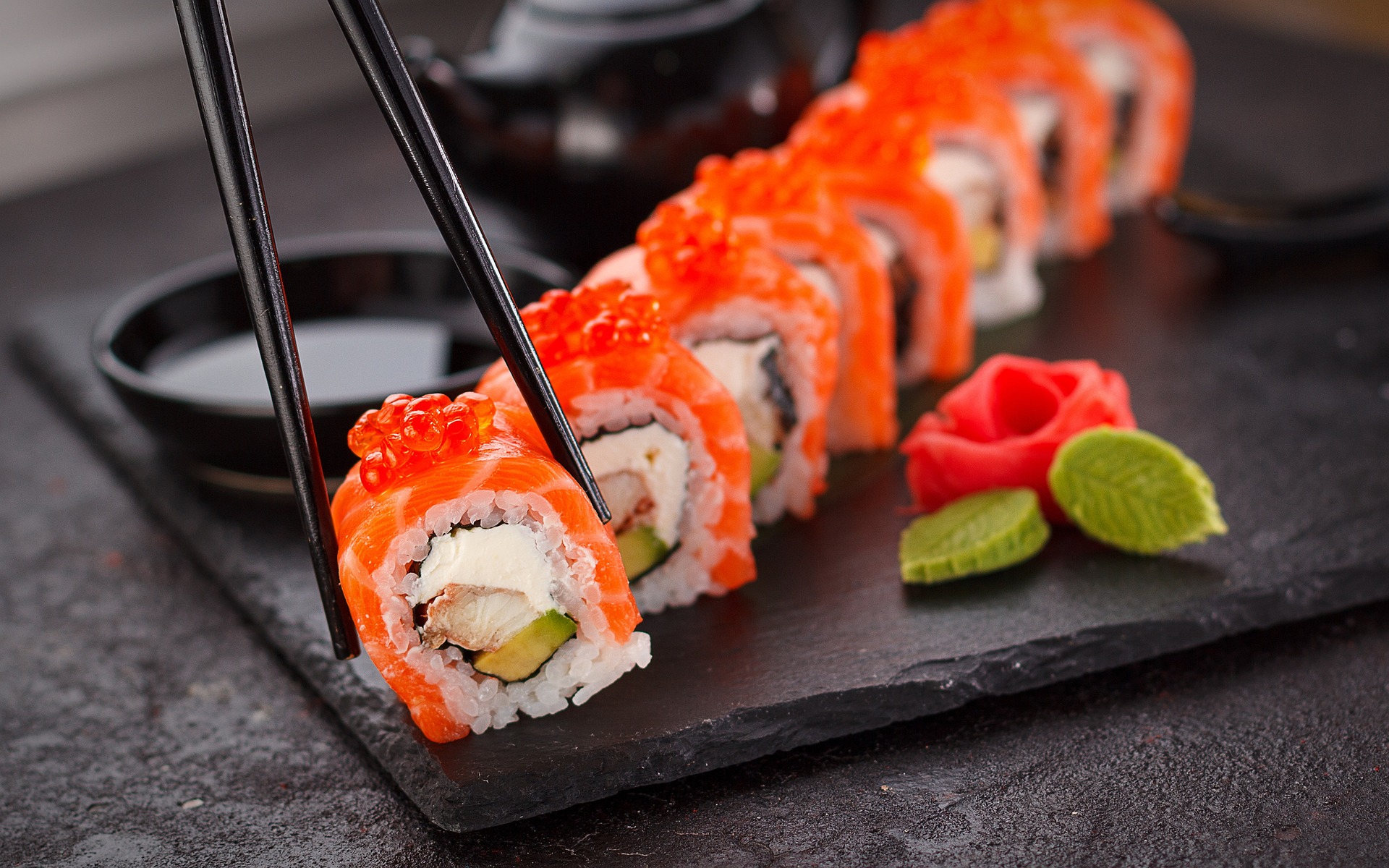
Maki sushi - (aka rolled sushi) Futo Maki a best known, the most common variety. The dried seaweed is placed on a bamboo blind and the rice is spread evenly over it, about 1 cm thick. Fish strips or vegetables are placed in the middle. Using the bamboo roller, they roll it up, press it slightly and cut it into slices. There is a version when the seaweed is not on the outside, but the rice is. This is the Big Maki, or „inverted roll”.
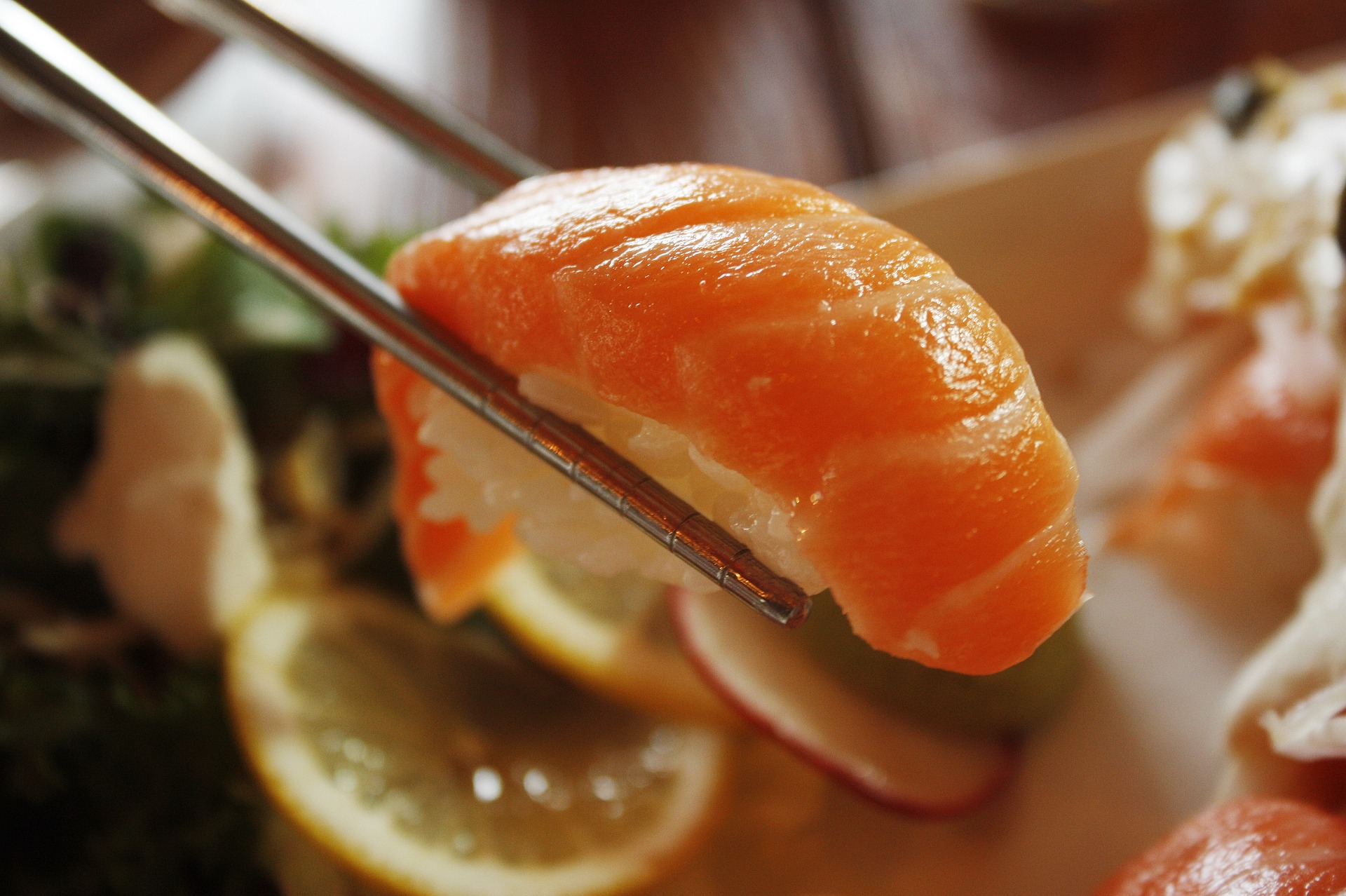
Nigiri sushi - The idea is to make oval dumplings from rice. The fish strips and vegetables are placed on top.
Inari sushi - is no longer the classic line. Fried tofu batties are filled with plain rice.
Osi sushi - pressed sushi. Its name reflects the way it is prepared. Ingredients are layered in a mould, vegetables, fish, and then the sushi rice is layered on top. Then a wooden sheet of the right size for the mould is placed on top and pressed until it is firm and solid enough. Serve sliced.
The sushi ban
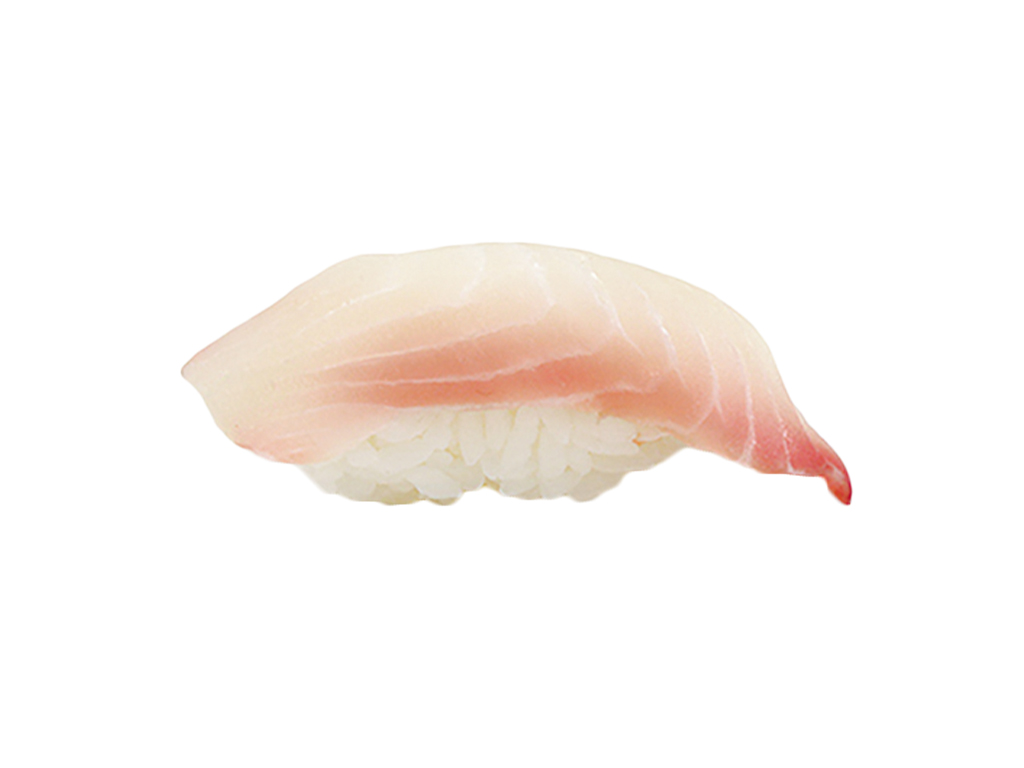
This is the Nigiri sushi, one of the healthiest foods. The basic ingredients, a combination of rice and tilapia, are a fantastic match. It is no coincidence that tilapia was a symbol of rebirth in Egyptian art. It is an excellent source of protein, relatively low in fat and contains the essential Omega 3 and Omega 6 fatty acids. The fourth most consumed fish in the United States. Light, lean fish with a medium firm texture that is very easy to prepare.
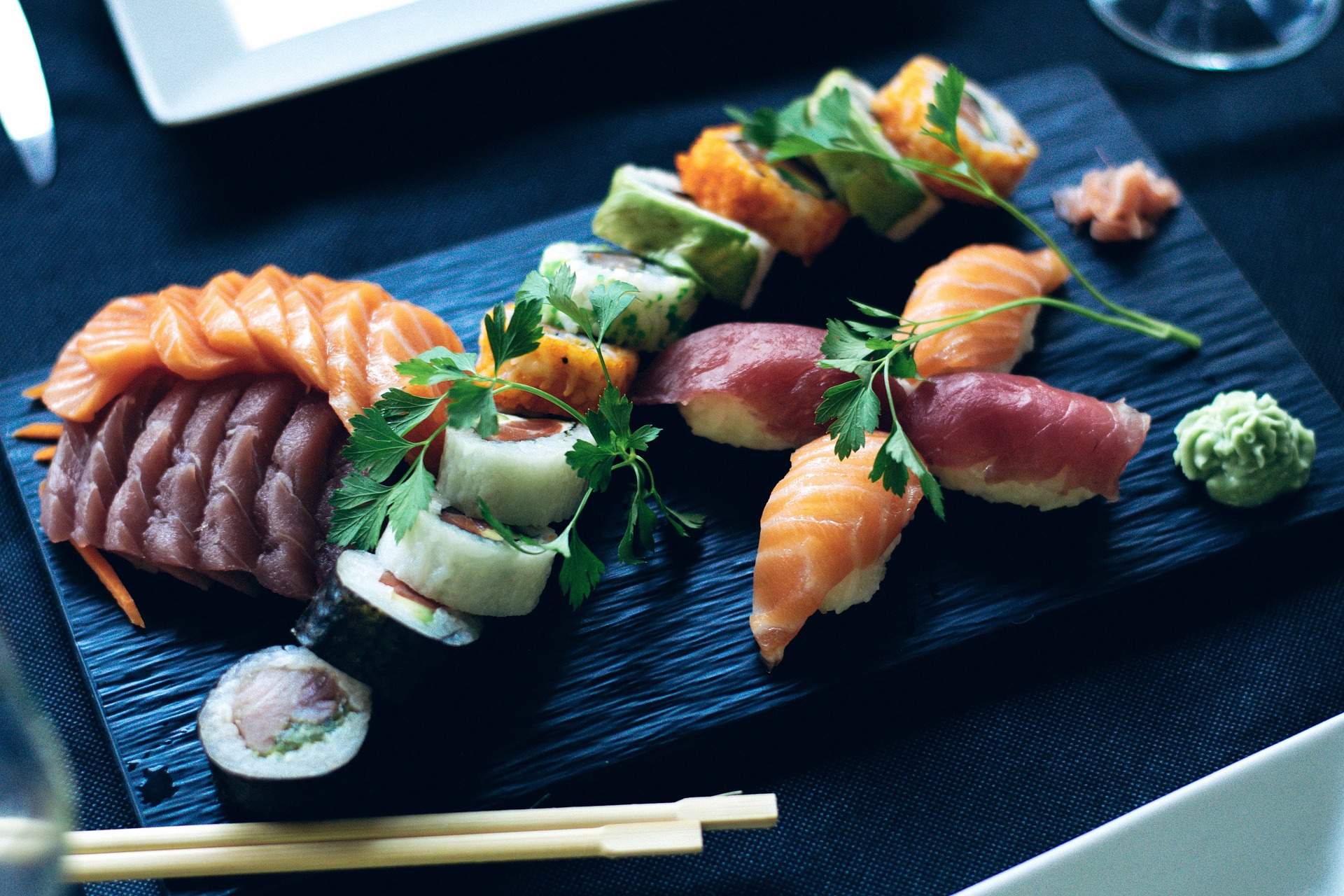
For sushi tilapia, as with most sushi, soy sauce and wasabi are the most recommended when serving. A little table etiquette for eating it is that although you can eat it by hand, it is appropriate to turn it over before dipping and not to soak the rice in the soy sauce. If you're not up to turning, ginger comes in handy, as you can dip it in the sauce and smear it on top of the sushi. But if you really want to be authentic, use only chopsticks.