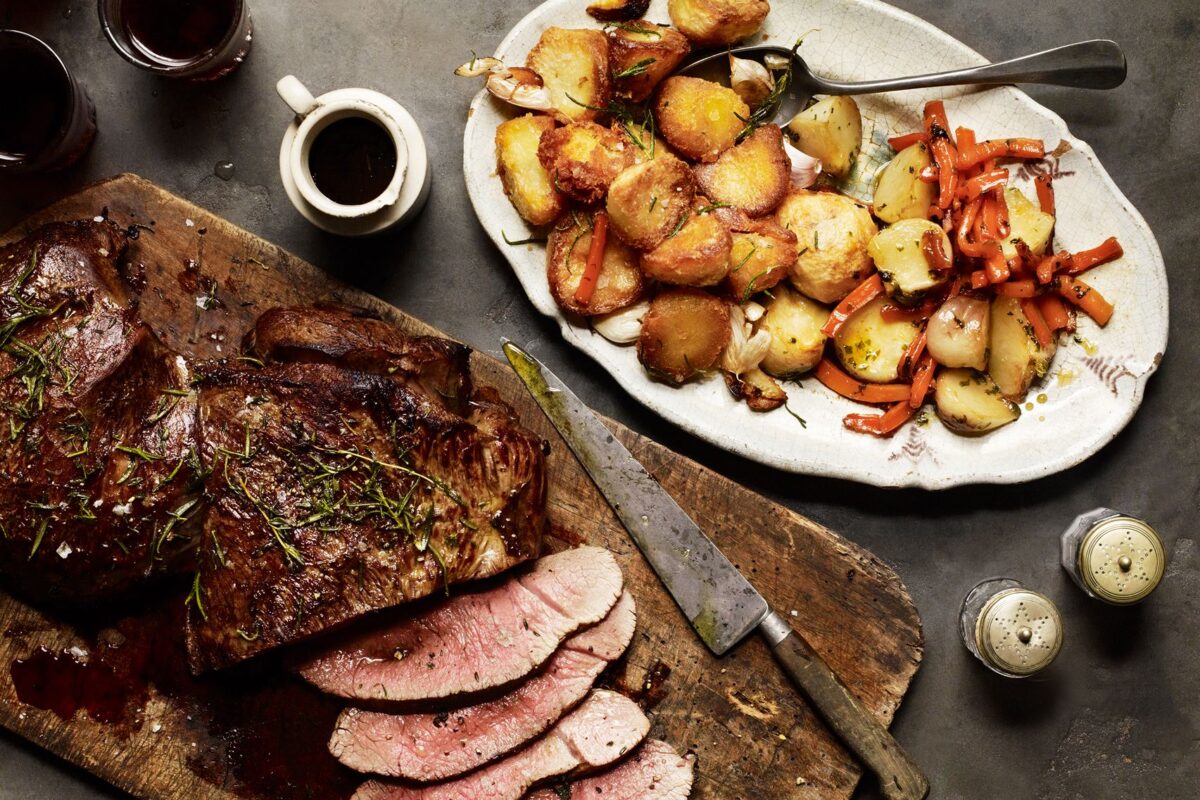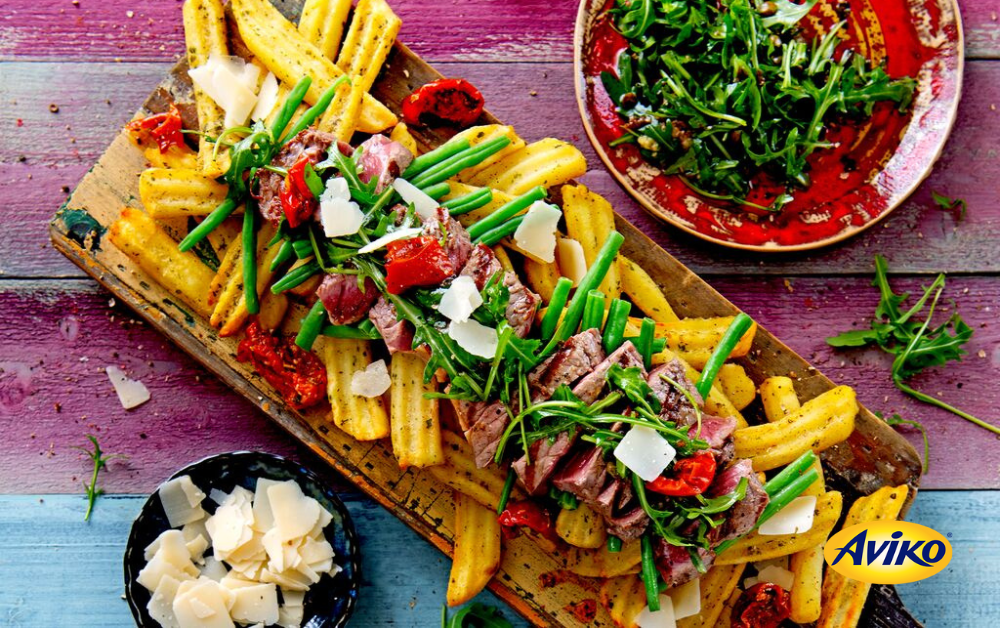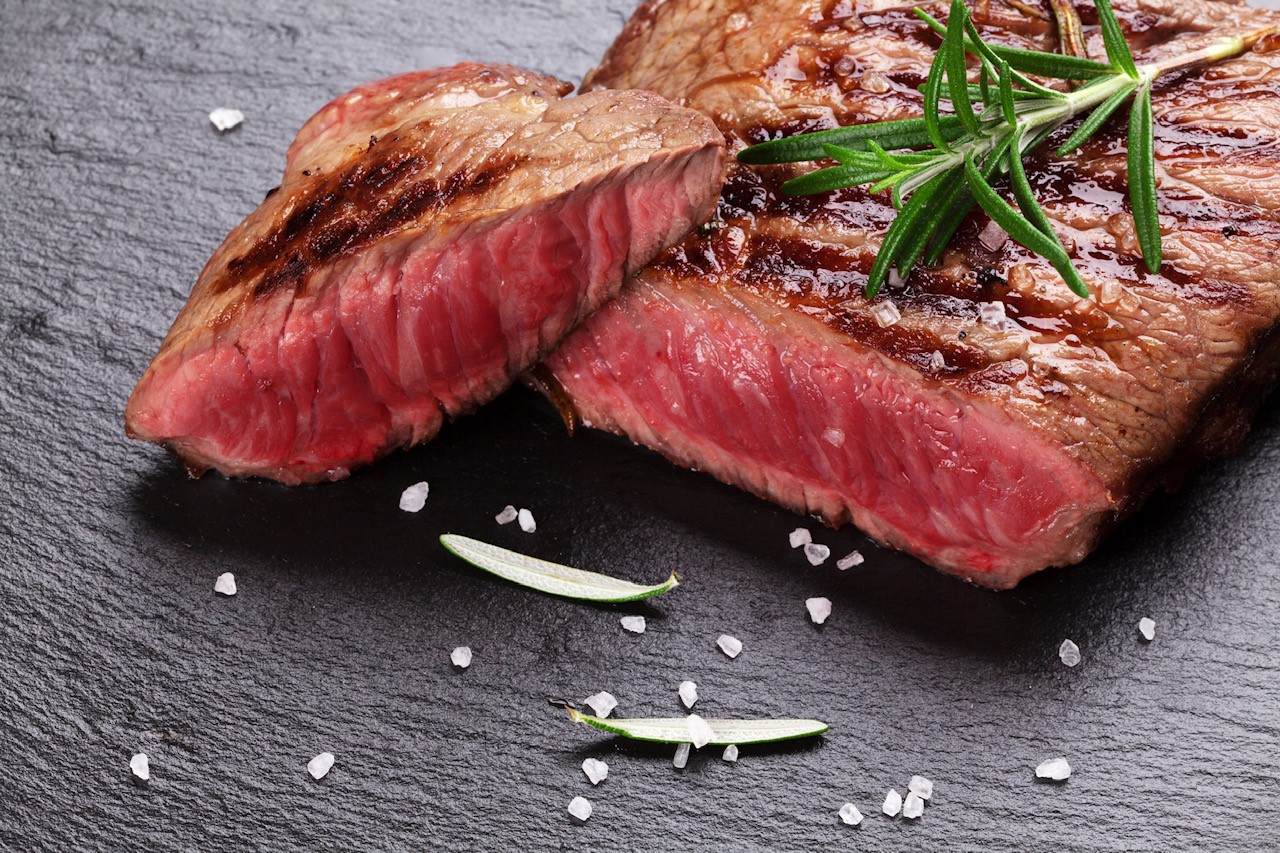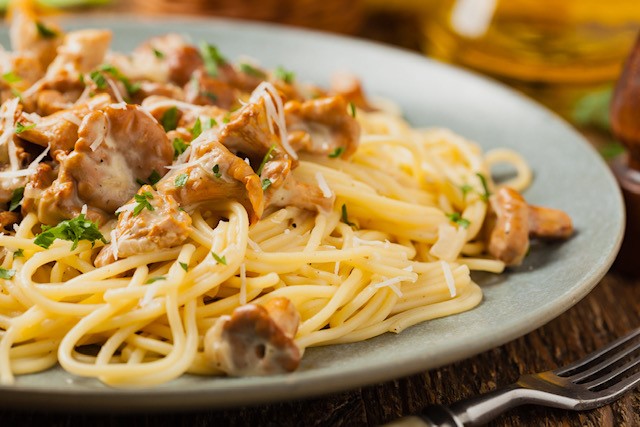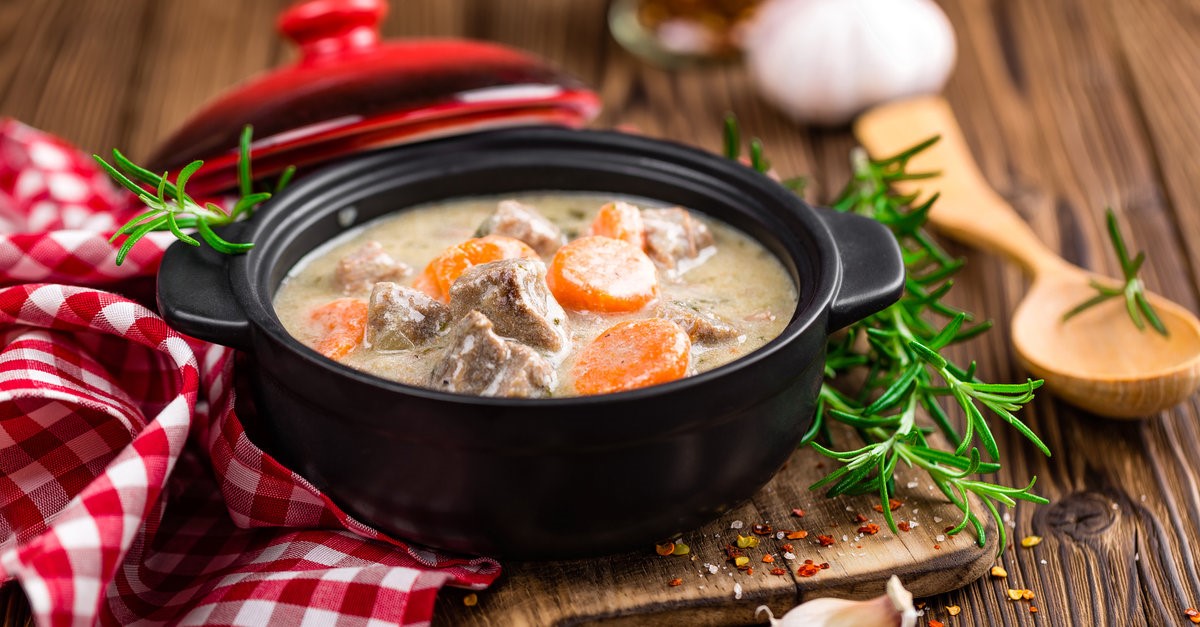







Armed with the right knowledge, you can make it into a striking dish. Fresh for the hunting season, or frozen, it's worth getting and making a meal out of it. Working with organic ingredients means that you can create a perfectly composed meal. It is also a way to promote sustainable gastronomy. The tasty deer backbone in the MATUSZ - VAD range is the perfect choice. Whether for large kitchens or for the home, it can be used to prepare exceptionally exclusive dishes.
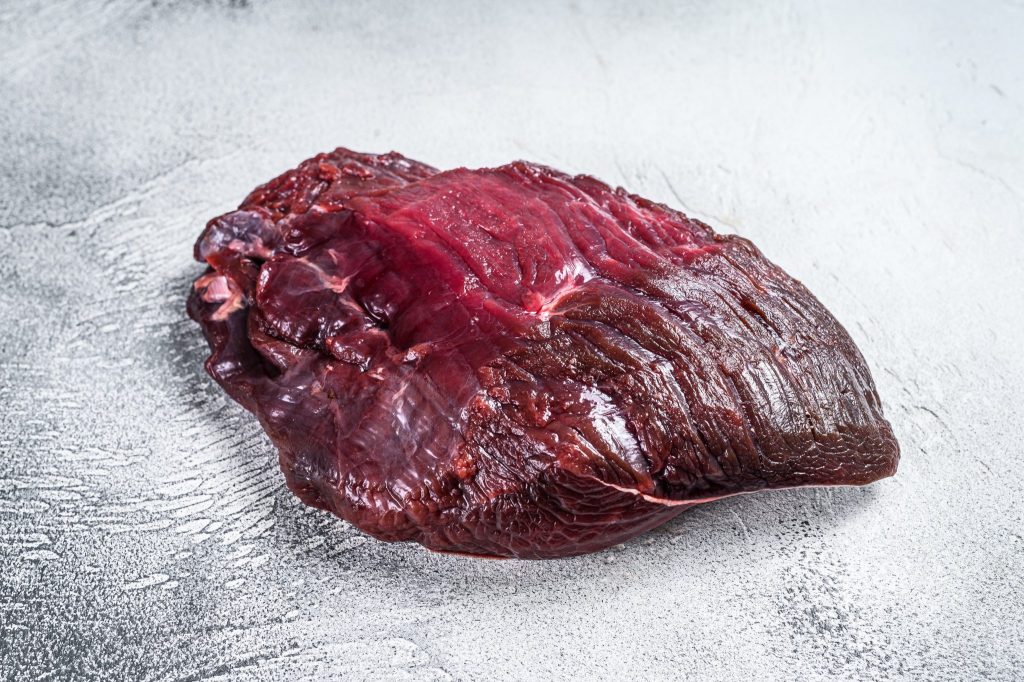
Meat consumption in our country
Practically since ancient times almost fundamental meat was in our diet. Everything was fried, cooked, consumed. Large birds, game and fish were a noble privilege, expressing and reinforcing the superiority of the ruling class. Deer and roe deer were only royal, on the tables of the aristocracy could have occurred. Fortunately, our country was and still is rich in game, making it one of the most preferred hunting grounds.
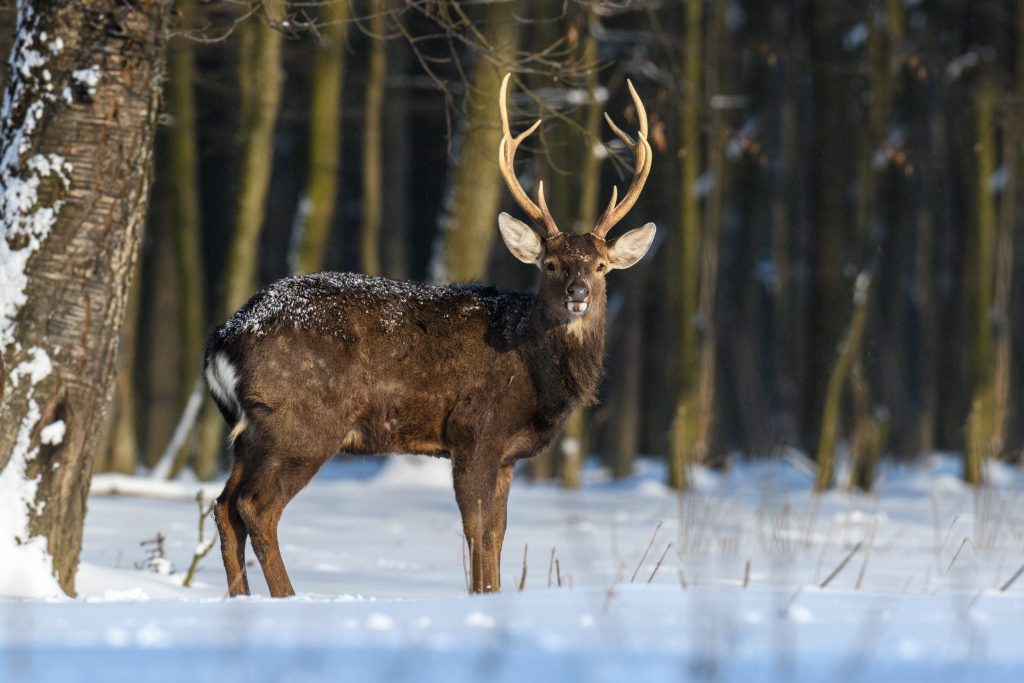
Horn of our country
The Miocene ancestors of the deer were hornless animals, similar to today's musk deer. Evidence shows that these animals evolved in the Americas, but soon spread to Eurasia, and some species of buck had a horn, originally a simple single-branched horn, on their antlers. In species living today, you can follow the development of an animal as it develops more and more branches on its antlers, which it sheds and regrows every year. In our country, the most common is the roe deer. Its ancient name is red deer, Hungary's largest bodied ruminant game species. The male is called a bull, the female a cow, the female before reproduction a heifer, and her offspring a bull or heifer calf. In the South Transdanubian areas there is a significant deer population, with a large number of bulls being killed, up to 150-180 gold-medal bulls per year.
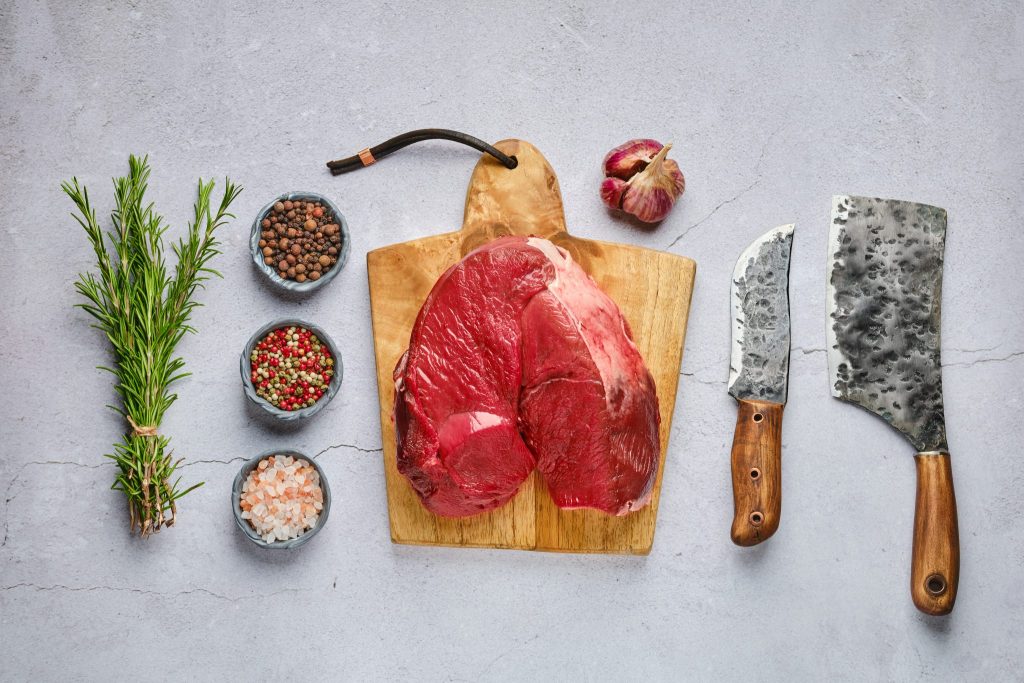
Why make a deer spine
One of the basic raw material the game meat. Deer occupies an exceptional place on the gastronomic stage in Hungary. If you want to prepare a very good lunch or dinner, one of the best choices is deer spine, meaning the deer the part of the brain that is located around the spine. One of the most valuable types of game meat, with special flavours, ideal as a base for steaks and grilled meat. If you were to organise a culinary Olympics, you can be sure that one of the winners would be this ingredient.
Real gourmet dishes can be prepared from deer, chopped, whole, steamed and sous-vide. It's no coincidence that we're talking about the most magical domestic ingredient. Its huge advantage is that it can be used to produce charismatic flavours that can decorate any kitchen.
Imre Gundel: „By following the basic principles of cooking and seasoning, and adapting them accordingly, you can cook any dish with deer instead of beef, venison instead of veal, chicken or duck instead of pheasant.”
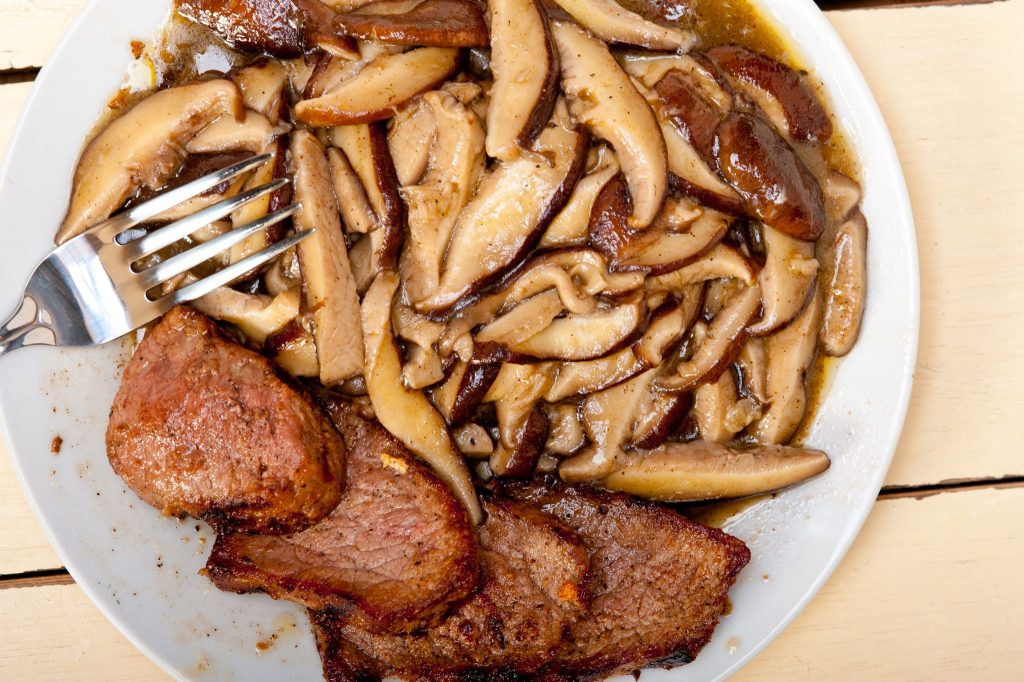
More spices should be used for wild game
Of course for wild game should not be over-seasoned, but it is clear that they require much more than pets. Care should also be taken to ensure that the game itself is spring or autumn-caught, as the meat takes on a sweetish tinge as the weather cools. Celery, parsley, marjoram, mustard seeds, garlic, pepper, horseradish are particularly ‘good’ for venison, but you should also try lemon, orange, blueberry or plum flavourings. The seasonings for game that has been properly matured are clearly mushrooms, toadstools, chanterelles and cod mushrooms.
The meat is leaner than cattle, the protein content is higher and the flavour is much deeper and more intense. Venison should be marinated before cooking, especially in a rich vegetable stock with wine, but you can also use smoked bacon instead, or rubbing it with an oily herb stock will also improve the flavour of the meat. What you should always expect is that it will take longer to prepare, whatever heat treatment you use.
It's good to know
The flesh of young game is pale red, that of older game dark red. Larger meats should be pan-fried, and meat from older animals should be pre-cooked in salted water to soften them halfway. Because game meat has stronger odours, cooking it without a lid can reduce any offensive smells. When cooking, resting the meat under foil after cooking can add a lot to its enjoyment value. And one of the most important is the „bite”, which is of enormous value. Always keep it, strain it and use it to make sauces!