






The world of olives is much richer than you might think. Even if you don't have to travel to all the regions of the warm climes to discover all the varieties, here are ten world-famous varieties that you can find here at home. Olivaceous!
When olives first came into the public consciousness - and onto the shelves - the main question was whether to buy the green or the black. Another practical consideration when buying was whether to choose seeded or seedless. In fact, there are over a hundred varieties of olives. They range in colour from pinkish and yellowish green to light and dark purple, brown or midnight black. But it is not just the different varieties that explain the range of colours.
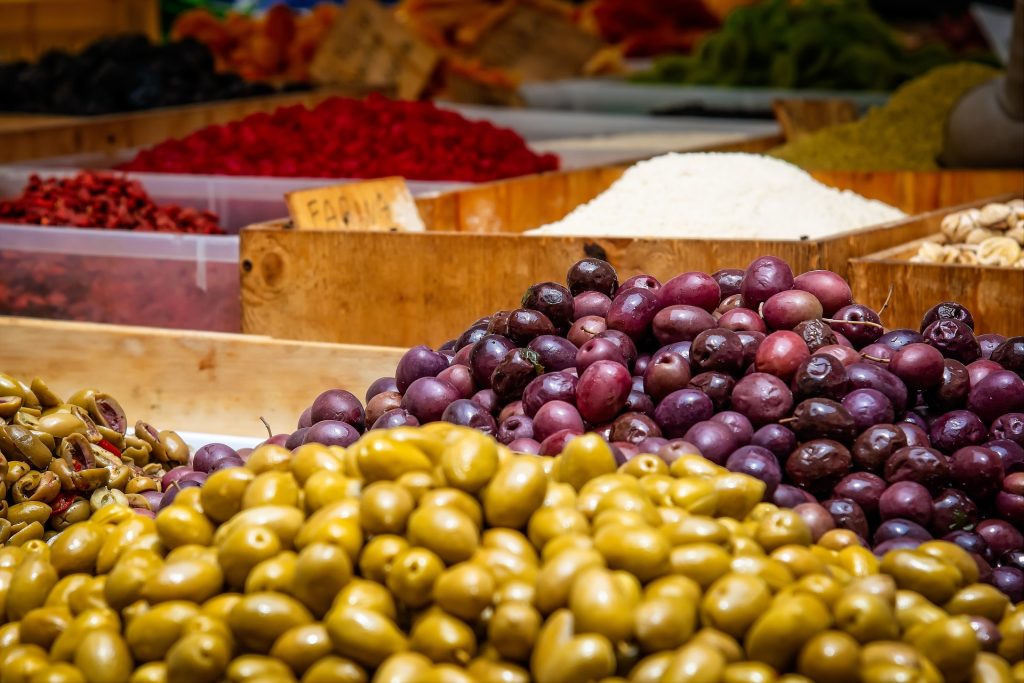
If the olives are picked early, when they are still green, they are also eaten as green olives. Later on, at different stages of ripening, the olives reach different colours.
Olives are not eaten raw
Olives bought in shops and markets are superficially thought to be eaten raw. No, although we could eat this wonderful fruit fresh from the tree (it's not poisonous), we shouldn't. Raw olives are very bitter.
The berries contain oleuropein and phenolic compounds, the presence of which must be reduced to obtain a tasty food. To do this, they are soaked in alkaline or salt water, or pickled in dry salt water, and only after weeks of processing do they become tasty.
Olives from pink to black
The flavour and texture of olives are surprisingly varied, from the more neutral to the sweeter to the tart-tart varieties. The more distinctive the flavour of an olive, the more it is recommended to eat it on its own, perhaps with a small olive oil, cheese, Bread to enjoy the unique aromas of the berries more and more.
Picking out the fruit with a hole in the middle - botanically speaking, an olive is a fruit - almost gives itself to be filled. Popular fillings include garlic, almonds, lemon, anchovies, jalapenos or capers.
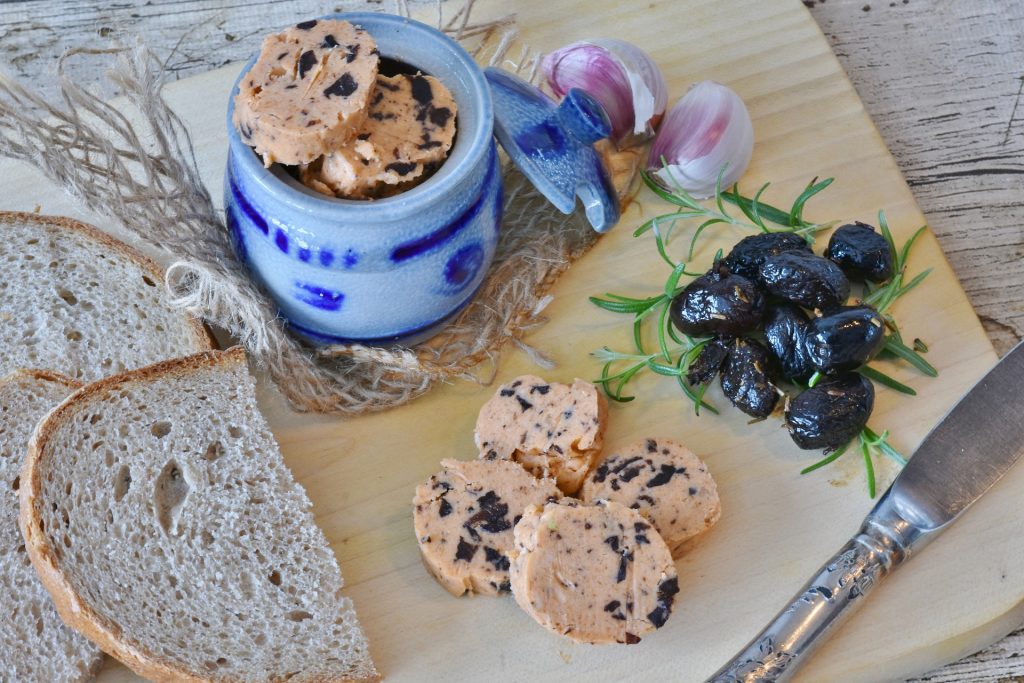
Niçoise. A lilac-coloured, ovoid olive with a restrained flavour in France. They are popular in salads, pizzas and tapenade, or olive paste.
Bella di Cerignola. A huge, massive, meaty variety from southern Italy. Available in green, bright red, deep purple and black depending on maturity.
Gaeta. Small, oval olives with dark purple flesh. It is famous for its unique aroma, both astringent and salty. It is often used to dress salads and is also a caracan-flavoured ingredient in olive creams and tapenades.
Castelvetrano. This Sicilian olive is usually bright green in colour, with thin flesh, minimal salt content, but with a deep flavour.
Arbequina. Round olives from Spain. It is one of the most highly prized olive oils in the world, but is also highly prized as a table olive.
Manzanilla. Oval-shaped, green olives from Spain, straight from Seville. It has a firm, crunchy texture and a slightly smoky flavour with almond notes. It is most often stuffed with pimiento pepper paste or used on skewers to garnish cocktails.
Kalamata. Oval-shaped, dark purple olives. Characteristic flavour, with a high salt content. The Greek salad with kalamata is the real deal!
Thassos. Named after the Greek island of Thassos, the olive is small, wrinkled, black and very thin-skinned. They are produced in a special way: they are left on the tree until winter and then naturally ripen after harvesting. The olives are dried on coarse salt to give them their wrinkled, juicy, intensely fruity aroma.
Mission. America loves it. 95% of the olives produced in the United States are grown in California. Mission accounts for about half of California's olives.
Alfonso. Olives grown in Chile. Oval in shape, deep purple in colour, juicy and fleshy. Because of its slightly sour taste, this variety is typically eaten with ham, salami and full-bodied red wine.