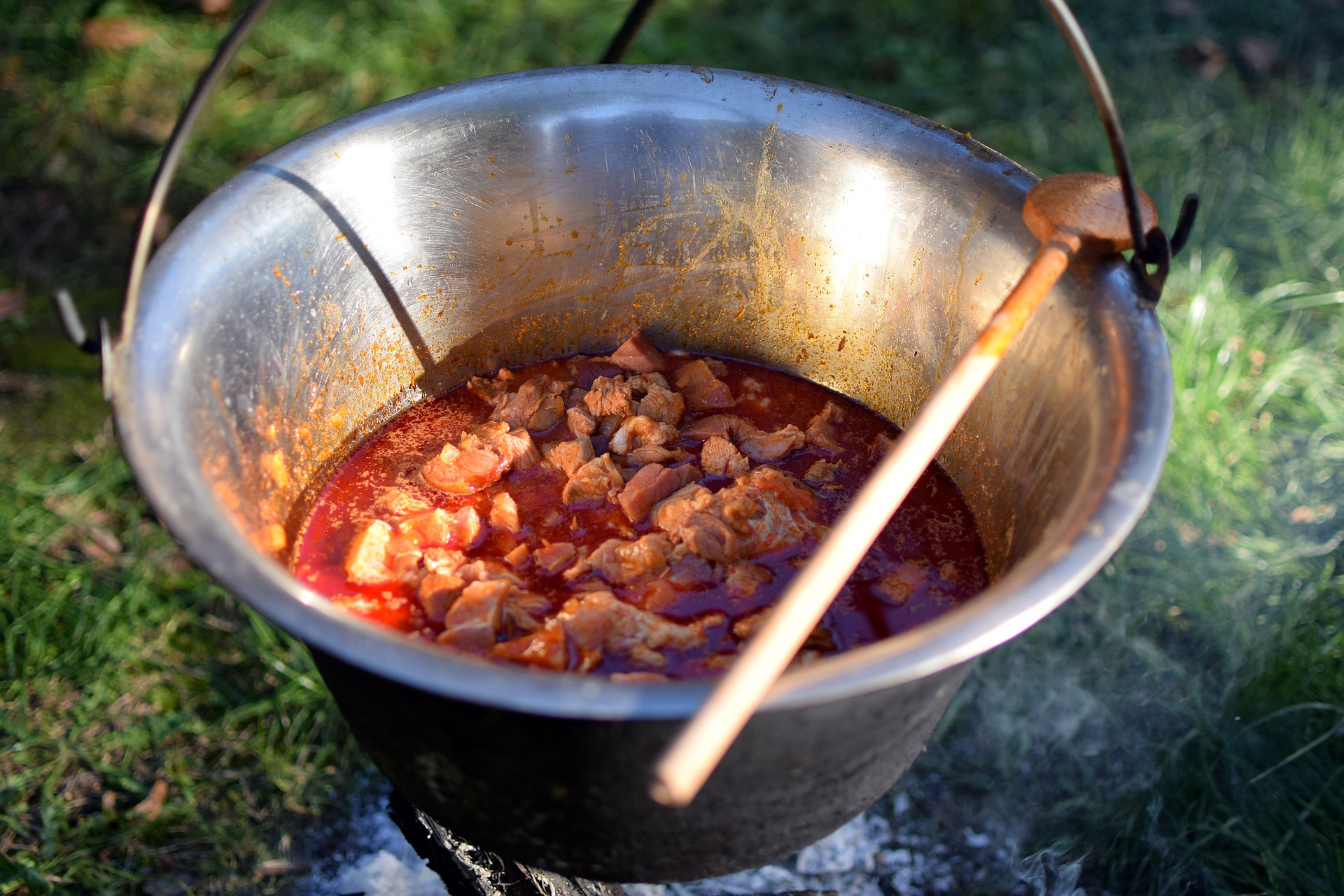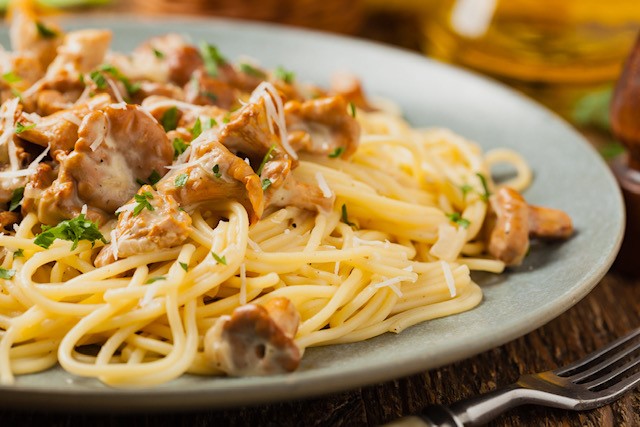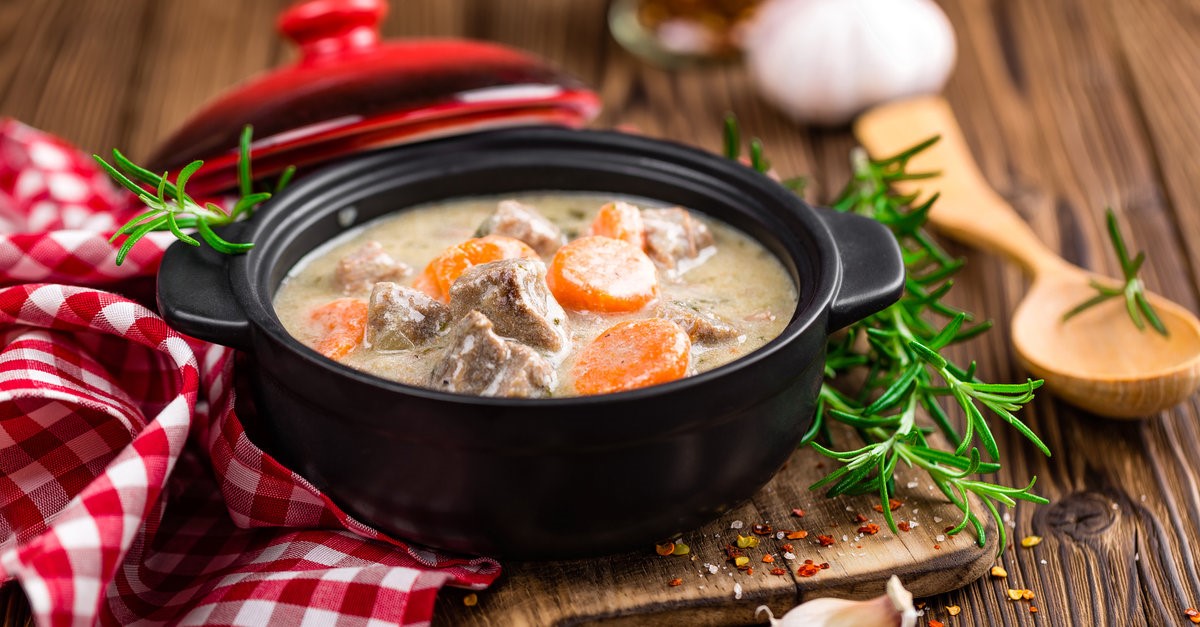






As a soup, stew, paprika and stuffing, veal is a heavenly dish. It is a rarity nowadays, but the Hungarian public is eager to see these dishes on a menu.
A young cattle calves for as long as it suckles. A premium calf is an animal slaughtered at a maximum of three months of age and reared on its mother's milk. It is a rare and luxurious commodity for a reason, as a mature calf is a much higher yield for the farmer and is therefore rarely sold as a baby, and not as a part, but as a whole. Nice and tender meat, but nowadays it's hard to find a reliable where to buy van.
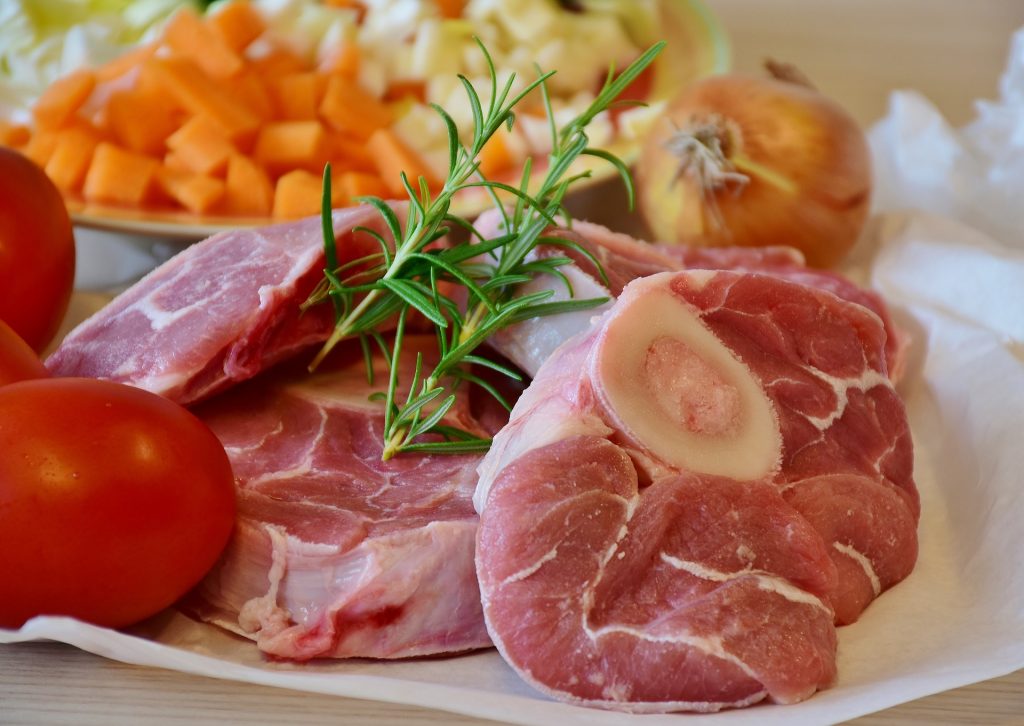
What is the perfect veal?
It is light in colour, has a milky smell, high water content, elastic and lean. The veal has a silky, light yet distinctive flavour that fits in well with our usual ingredients and processes. It is healthy and nutritious, which means that its exceptionally high protein content meets our daily protein needs. And its low calorie and high water content makes it easy to digest.
In the early 15th century, it was often used for cooking in addition to milk production and milking, mainly by bourgeois families and rarely in the peasant kitchen. Eventually, Germany, Upper Italy and Austria became the leading beef and veal consuming areas. But its popularity has not waned, if you think of veal béchamel or veal paprikash. The Hungarian public is almost hunting for places where they can taste these dishes in high quality.
What you did not suspect
Sometimes, old cookbooks can be almost staggering with their rich recipes and easy-to-follow descriptions, as they are now. Calves were written about hundreds of years ago as chicken breasts are today. No wonder, as its meat is light and succulent, and it used to be much easier to obtain. Everything from head to tail was used. It is said that buying veal heads is one of the most expensive meals. There are four ways to use it, and it contains the greatest values: the brains and the tongue. I don't need to explain to the professionals what a treasure these are, along with the colour meat. The head was stored on ice and mostly cut into quarters. They were also salted, stewed, marinated and baked so that every bit of the meat, boneless, was crispy and tasty. For those who really knew how, the meat was cooked first in the soup and then served with the veal leg.
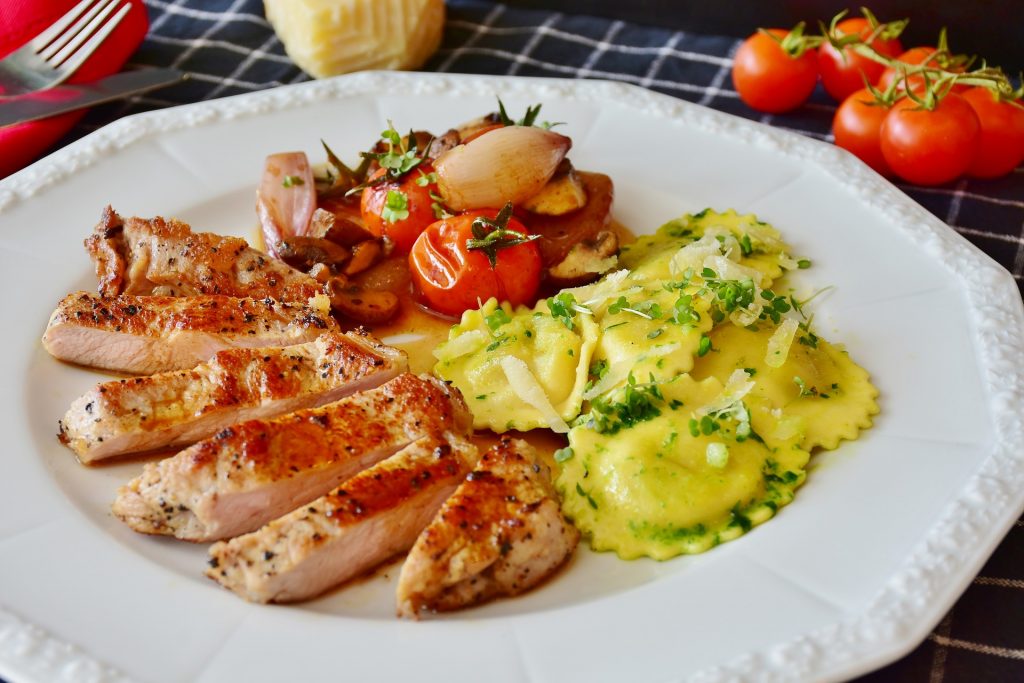
Veal cuts and recipes
Choosing the right ingredients and recipe is the key to guaranteed success. We need to know the properties and hardness of each part, then the technology. Let's see what works for what!
The veal brisket and shoulder can be baked whole, seasoned, marinated, served with vegetables and then with sauce. For the braver, these parts can be sliced and stuffed. Veal cheeks, head meat, loin, tenderloin and the great favourite, veal shank, are perfect for stir-frying. For fresh and sudden roasting, you can go for tails, fricando, thighs, rump and nuts. And for ragout, belly, minced and for the better soups veal mince from the thigh and neck is the perfect choice.
Did you know? The old cuisine used to use these spices to accompany veal: tarragon, vinegar, wine, saffron, pepper, ginger, garlic and wild mushrooms. These dishes were always a great success.#