





One of the geniuses of Italian cuisine is the culmination of ingredients. And that's what we're going to talk about here: a treasure trove of ingredients - porcini - that you can get for free!
Truly good food can only be made from excellent ingredients
The Italians can literally make world-famous dishes with just one or two ingredients - think spaghetti aglio e olio with garlic and olive oil, or pizza marinara with no cheese, no meat and no vegetables, just garlic, olive oil, tomato sauce and oregano. A recipes that seem so simple are deceptive, of course, as anyone who likes to experiment with the best of Italian cuisine will know.
The secret (among others) lies in the extremely high quality of the raw materials, something the Italians are very proud of. Try making „Italian” food from pale tomatoes and poor quality imitation mozzarella or parmesan - you'll feel the difference after just one bite.
But the Italian boot is not only at the forefront of farming, it is also at the forefront of nature's food treasures. Just think of the truffle fields of northern Italy, where the queen of all truffles, the most expensive and tastiest alba named, white in colour truffles will also be created.
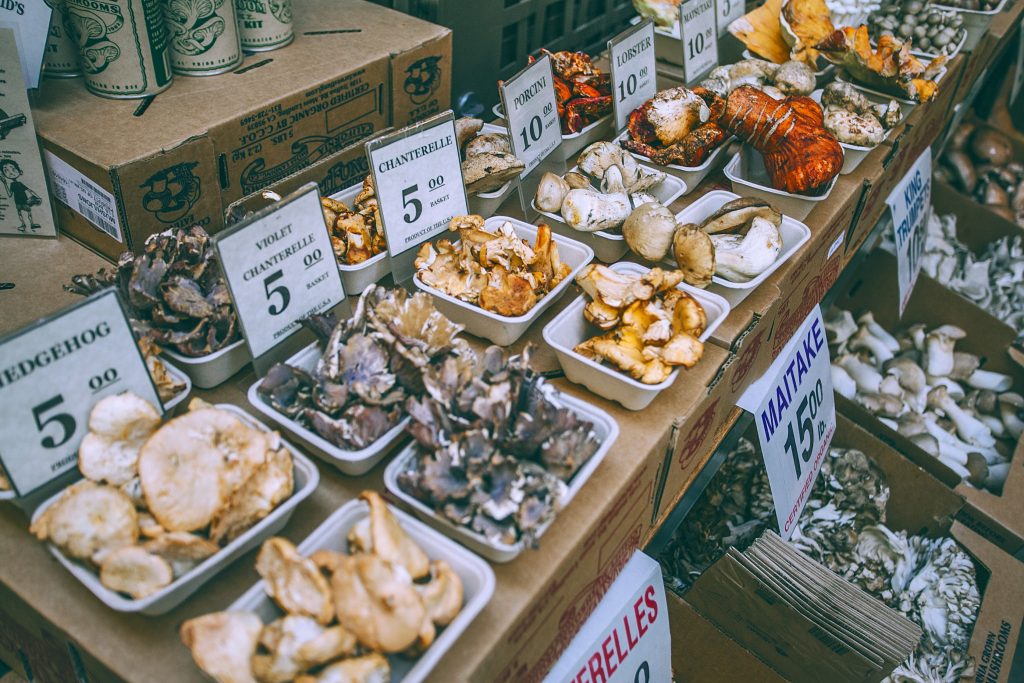
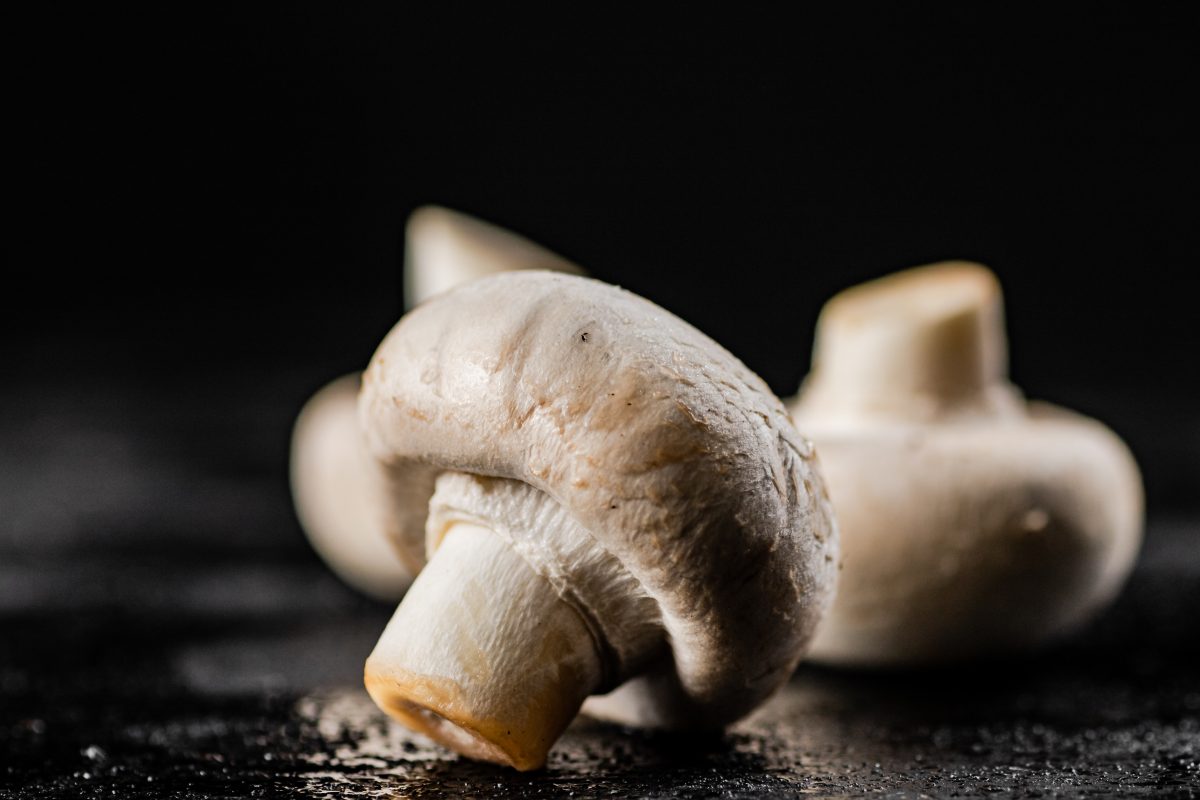
And speaking of kings. Porcini, or toadstools, are also known as the king of mushrooms, and they make many Italian dishes memorable. But this mushroom also grows well in Hungary's pine, oak and chestnut forests, and Hungary even exports it to meet the needs of the Italian market. In this respect, therefore, we are matching Italian quality standards, just as we do for the wild meats of Hungarian forests.
Porcini: the meatiest mushroom in Italian cuisine
The porcini, or toadstools, belong to the order of the tinormushrooms, and within that the family of the tinormushes, and the word tinóru is preserved in the popular names. Several varieties are very popular in gastronomy, such as the bronze, summer, delicious, red-brown and king's tin. Their popular names alone show their high esteem: the synonyms for tasty tin oysters are good toadstools, bear-nosed mushrooms, and wild mushrooms.
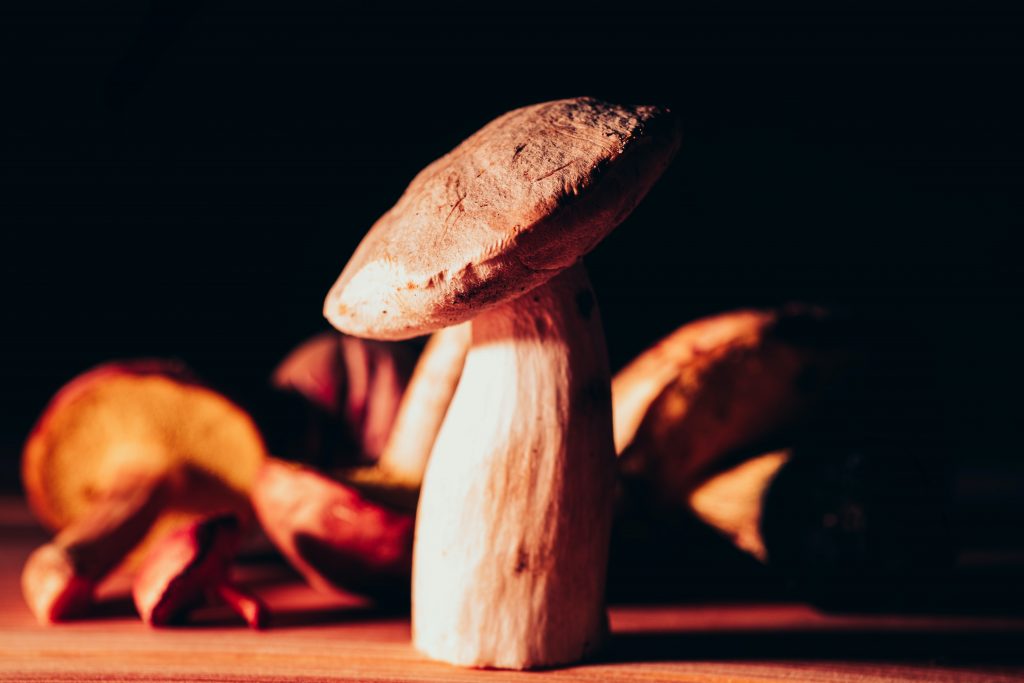
These mushrooms can grow to be huge, with hats 30-40 or even 45 cm in diameter.
One of the characteristics of the fleshy mushroom is that it is also very popular with animals: you can often find deer or snails eating toadstools in the woods.
Care must be taken when picking them, however, because on the one hand they prefer to be near the flycatcher gallinule, and on the other hand there are many varieties of tinhorns, including the reddish and poisonous satan's tinhorns, the wolf's tinhorns and the rooted tinhorns. So don't spare yourself the trouble of getting the fungus tested!
Porcini: risotto, pizza, pasta
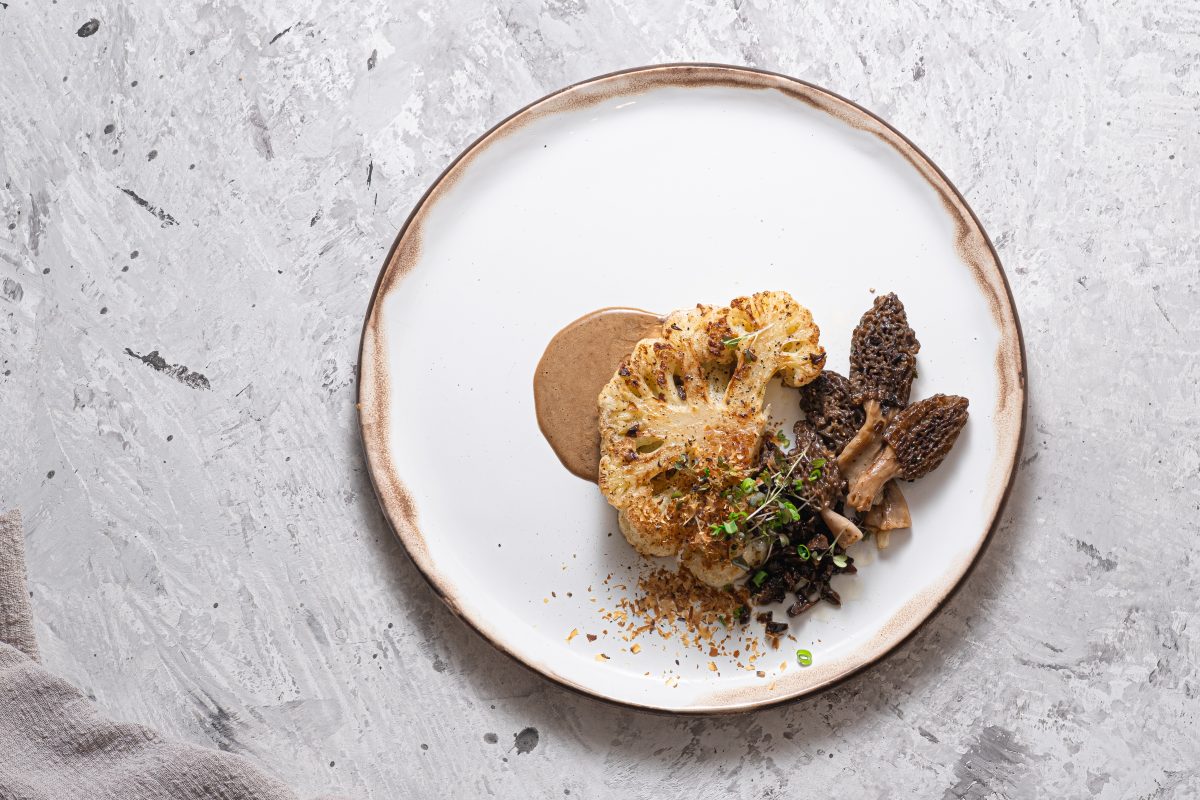
One of the hallmarks of Italian cuisine is that it doesn't necessarily stick to meat. This is why porcini is a great jolly joker, as a mushroom with a more robust texture and nutty flavours, it is a staple in many dishes. Toad risotto is a great classic of Italian cuisine, also a simple dish with a few ingredients, but with the addition of the round-eyed arborio rice and the base juice.
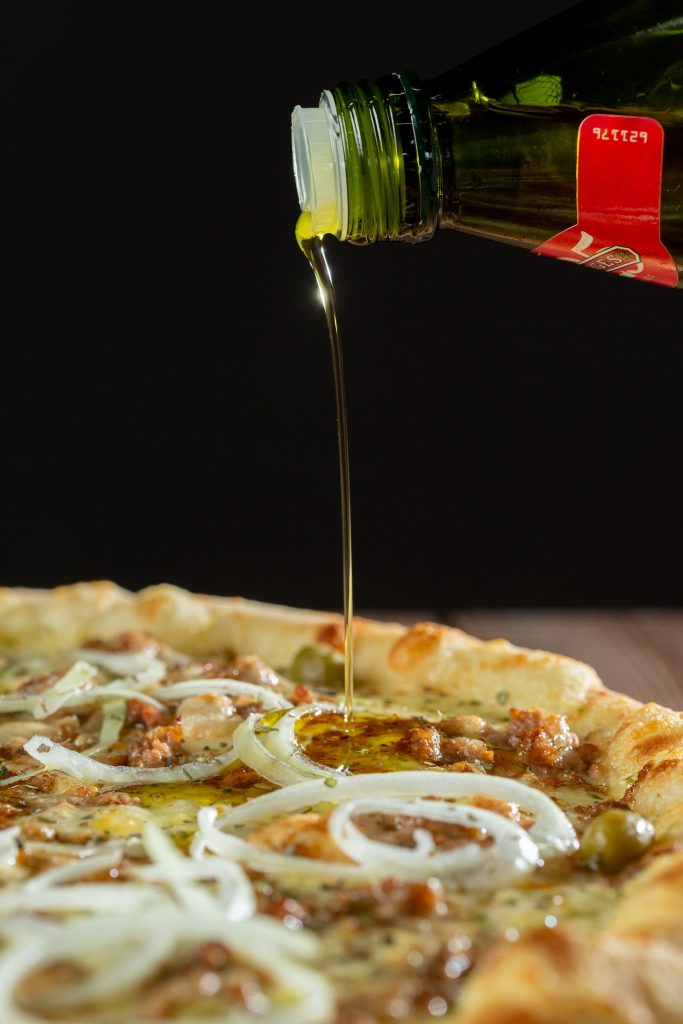
Most pizzas from Porcini are called pizza bianca, which means they are not tomato-based but cream-based. It is a real gourmet topping even in Italy.
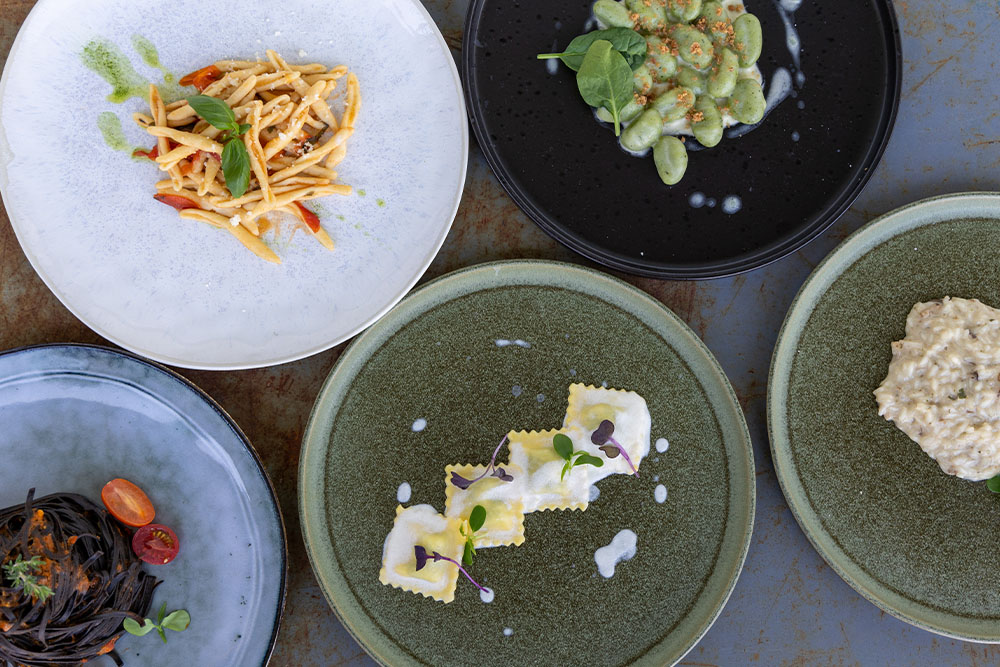
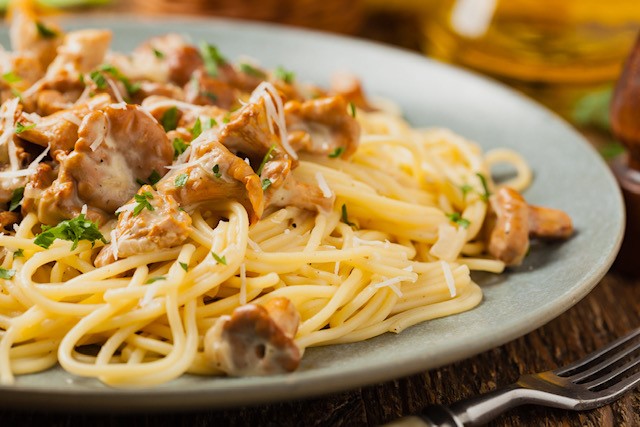
It is well known that there are more than 600 (!) different types of Italian pasta, distinguished by many criteria such as shape, length, type of flour, egg, non-egg and so on. Porcini's favourite pasta pairing is tagliatelle, fettucine, pappardelle - but it is also an ideal companion for stuffed pasta.
New Italian pasta for new times
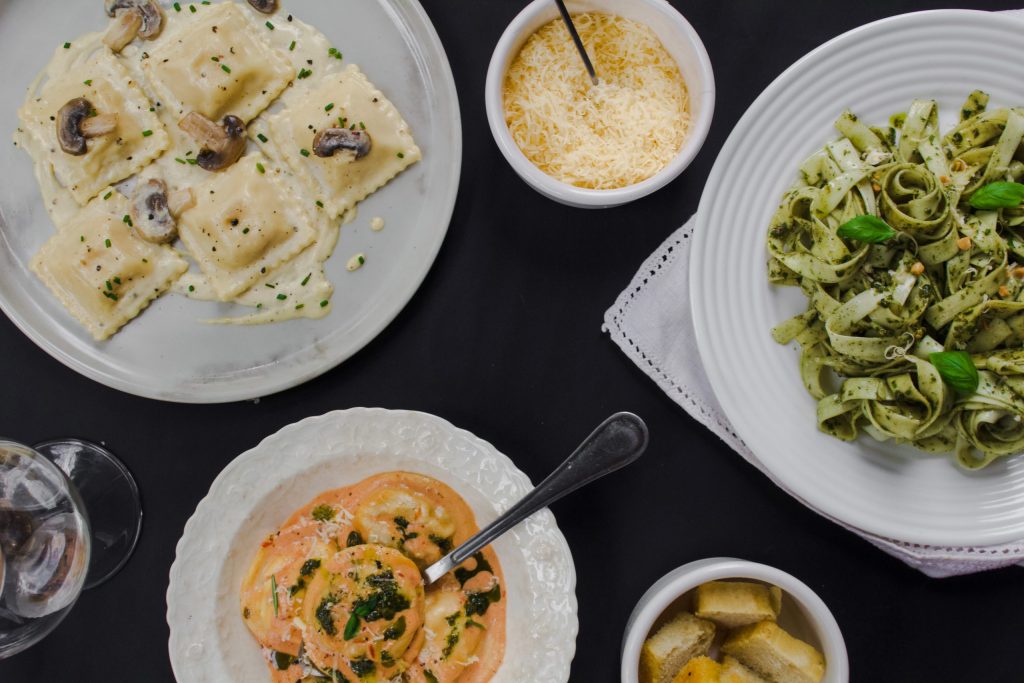
What do they have in common? Sacchetti, panzerotti, girasoli, tortellini and ravioli. Of course, they are all pastas of Italy - and these are the stuffed pastas. One of the most popular Italian stuffed pastas worldwide is ravioli: originating from the Lombardy region of northern Italy, ravioli are about 4-7 cm in diameter, typically with a jagged edge, and can be rectangular or round. It can be filled with meat, seafood, cheese and, of course, tofu.
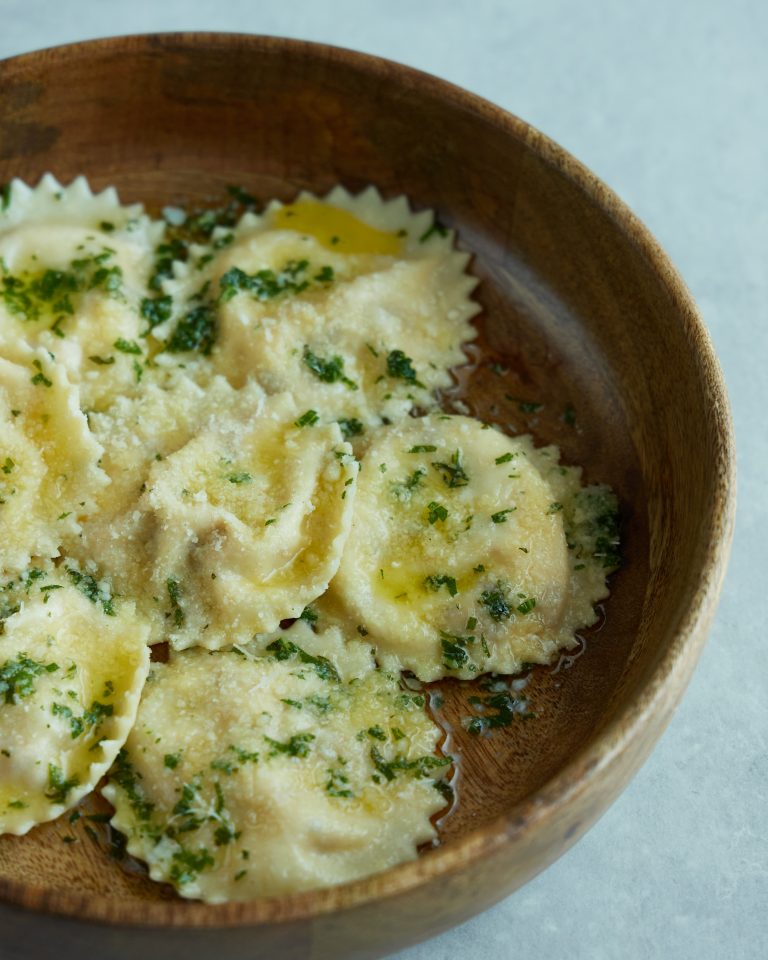
Today, in Italy, even in the pasta paradise, many people are struggling with celiac disease and gluten intolerance. The Italian food industry has also moved into the development and production of gluten-free products, with Matusz-Vad's portfolio including gluten-free ravioli high, with a filling of 80% varnish.