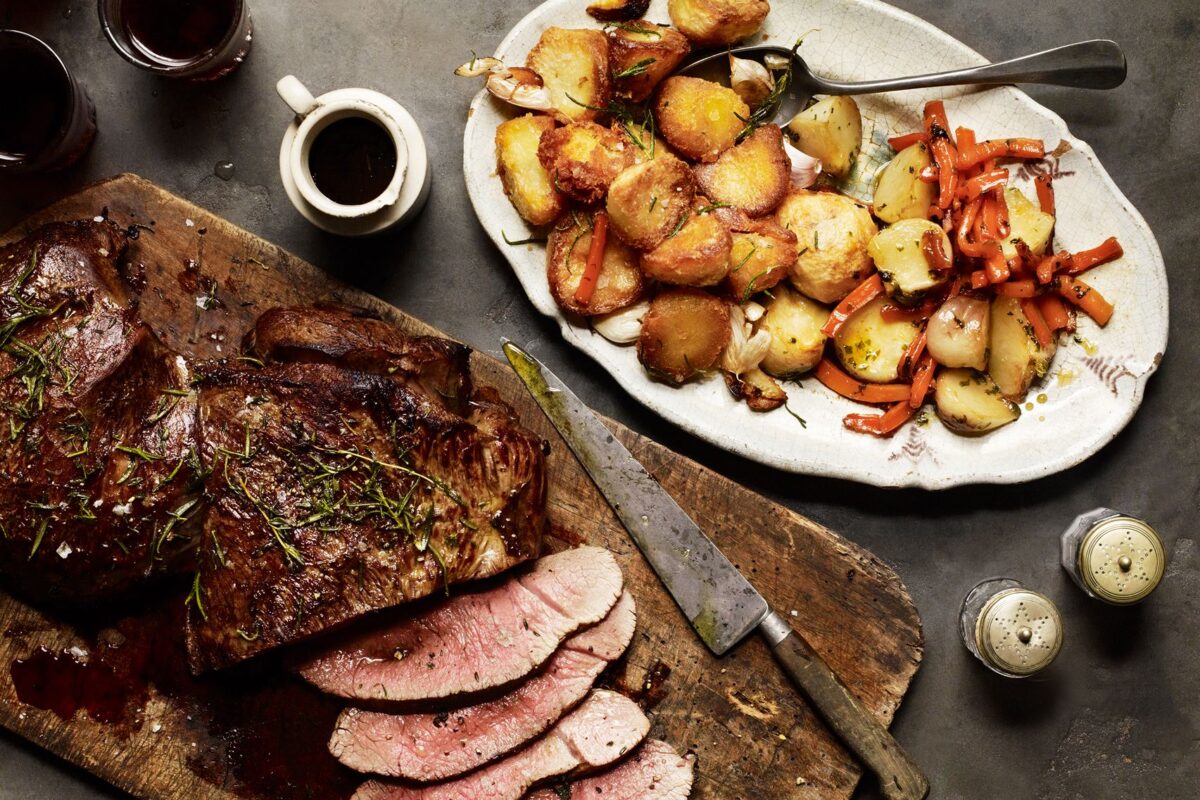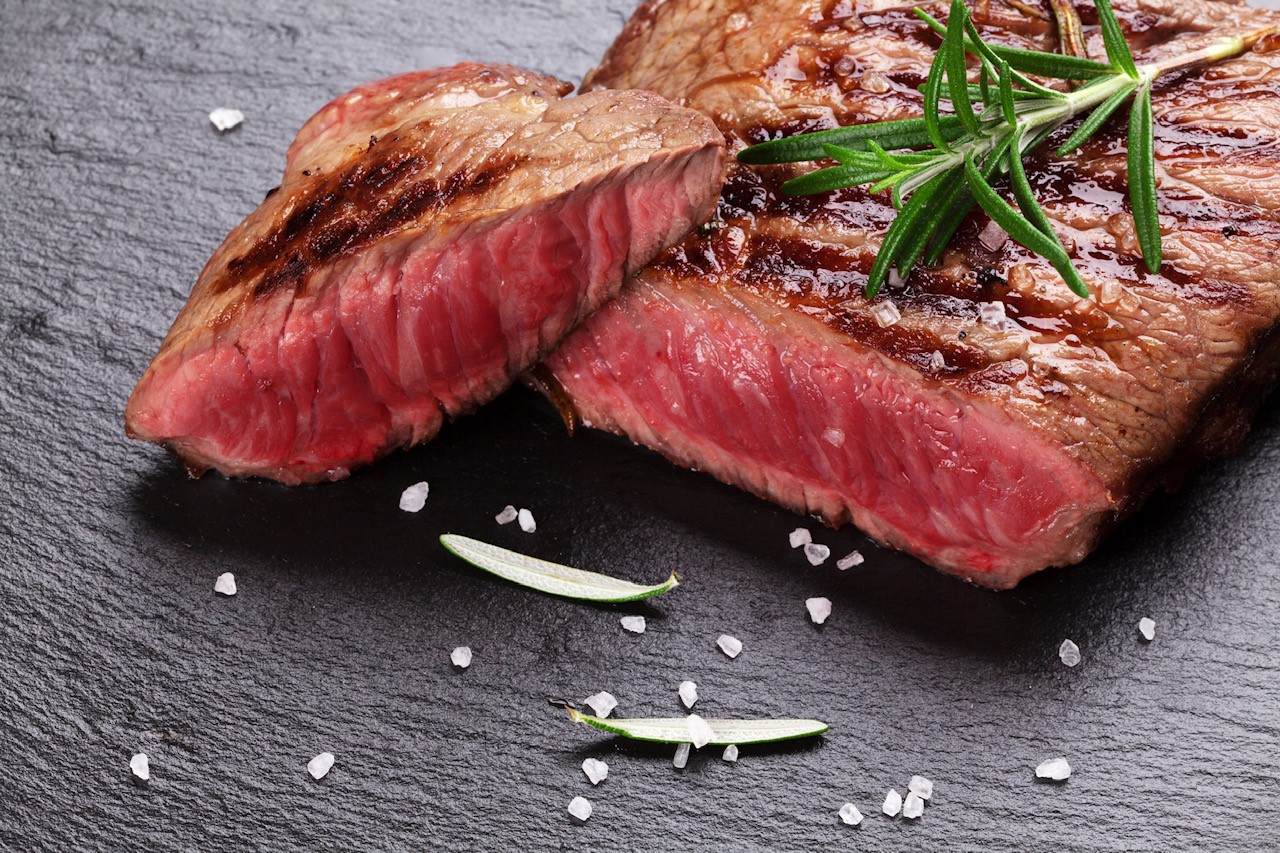







The chef places a piece of raw beef in the cooking system, places it on a baking sheet, lets it cook for a few minutes, and suddenly there is a perfectly cooked steak. All with a mouth-watering grill pattern, unique texture and flavours. It's not a miracle, it's simple physics and chemistry. When we talk about cooking, we don't even think about these things, even though today's high-level gastronomy would not exist without this depth of knowledge. If you know what the Maillard reaction is, you can create outstanding dishes.
The depth of food preparation
To ensure that the food that comes out of the hands of chefs is of the highest quality, you need to know the mechanisms that happen to the ingredients. The first is the knowledge of the raw materials, and the second is their behaviour during the various technological operations in the kitchen. To understand this, we need to review the chemistry and molecules involved.
A great pair, whose meeting is magic
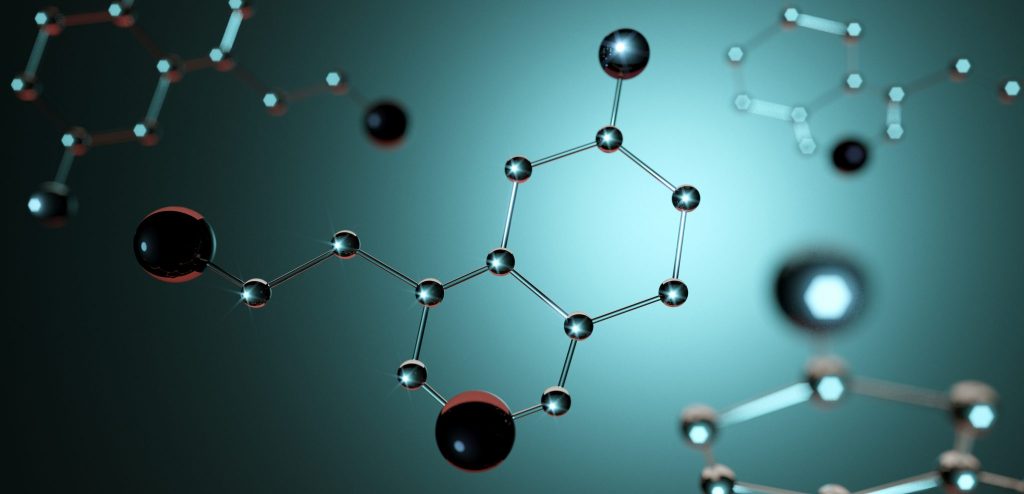
Sugars and amino acids are found in the meat, on the surface of bread dough, vegetables and even coffee beans. Their special feature is that they are very reactive with each other. Their „love” is very fertile, with hundreds of molecules being born within minutes of meeting. Some of them are only perceptible for a short time, like the smell of baking bread that permeates the whole kitchen, but there are also some that remain hidden for a while. There are molecules that only emerge during a meal, as you chew your food. These are the compounds responsible for the so-called roasted flavour, for example barbecue are formed in the meat.
What is the Maillard reaction
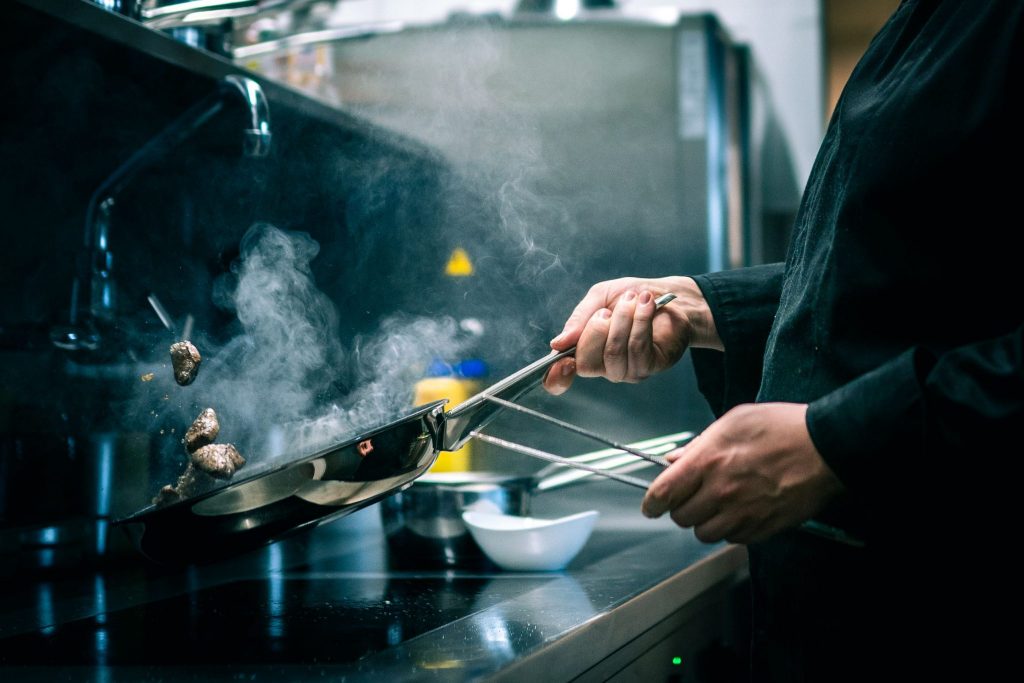
Named after the French doctor and chemist Louis Camille Maillard. In 1912 he described the chemical process by which amino acids and sugars react in food. When in contact with fats, they give a browned, flavourful finish to everything from bread to fried steak and even toasted marshmallows. The reaction is a form of non-enzymatic browning. It typically occurs rapidly, at around 140-165°C. Many recipe requires the oven temperature to be high enough for the Maillard reaction to occur. However, care must be taken not to make it too hot either, as the sugar will have already caramelised.
Food science and gastronomy
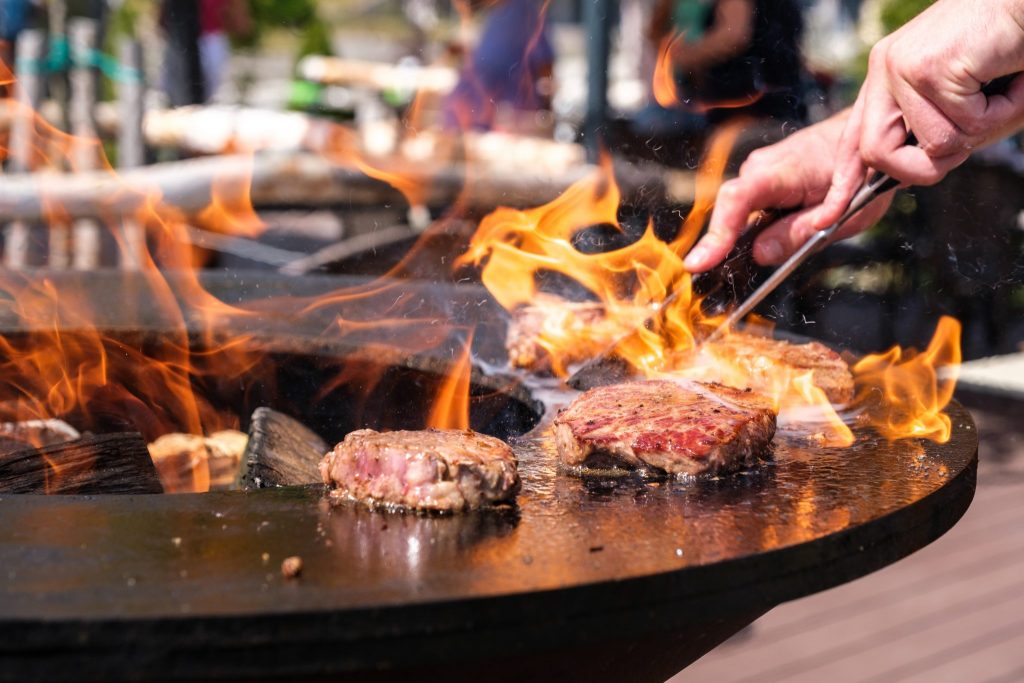
The Maillard reaction is responsible the food for colour and flavour, such as the browning of different meats and the aromas that develop during grilling, the browning of fried onions, coffee roasting and even the so-called umami flavour. It contributes to the darkening of the crust of baked goods, to the golden browning of fries and other crispy foods, and to the browning of malted barley.
Factors influencing the Maillard reaction
Since Louis Camille Maillard, many scientists have studied the reaction, but some aspects of it remain a mystery. What we can be sure of, however, is that it involves a number of complex chemical processes that take place without enzymatic activity. It is known that the speed of the reaction is determined by temperature and time - even in champagne, it happens, albeit very slowly. The higher the temperature, the faster the reaction takes place and the more rapid the formation of the characteristic dark discolouration and aromas described above. The reaction is stronger at alkaline pH, which is why, for example, soda is used to make pretzel dough. Another factor is humidity, so the food should not be too wet or too dry to achieve the perfect result.
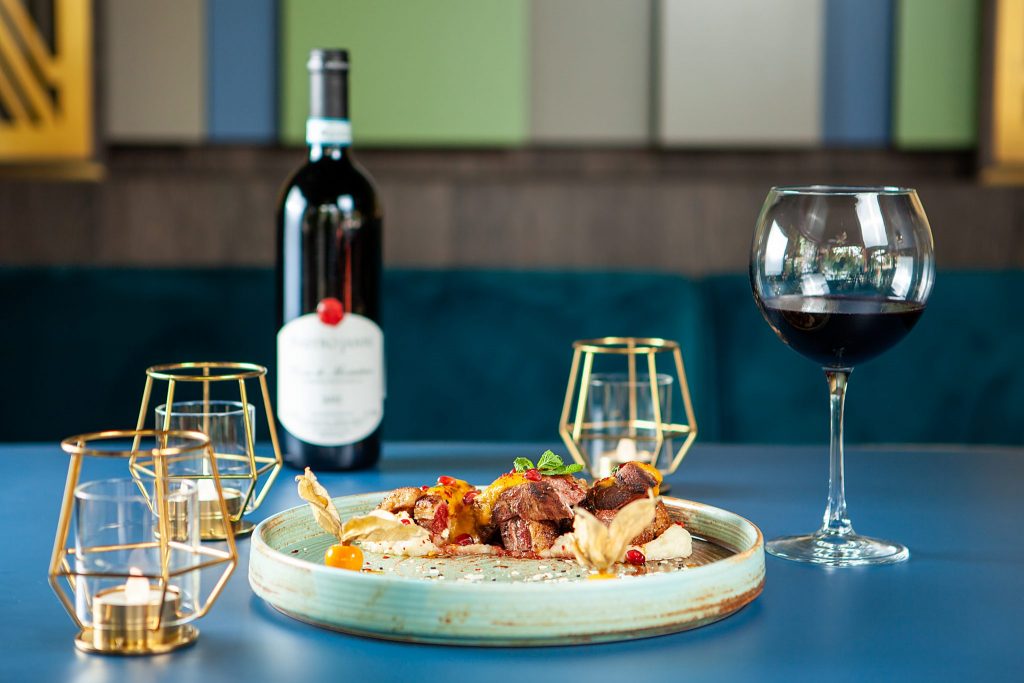
Modern gastronomy would not exist
During the cooking process, Maillard reactions can produce hundreds of different flavour compounds. They depend on the chemical components of the food, its quality, temperature, cooking time and the presence of air. These compounds, in turn, often degrade to form even more flavour compounds. Flavour researchers use the Maillard reaction to produce artificial flavours.
Source : https://www.ktchnrebel.com/maillard-reaction-science-roasting/