







Regenerative food is the latest food trend in the current Food Report 2024. It is also perhaps the most promising - including its impact on the hospitality industry. The focus here is not primarily on food, but on arable soils.
Benedikt Bösel, one of the pioneers of regenerative food, often starts his lectures by saying that he used to be a banker. Today he is a running a biofarm In Alt Madlitz, Brandenburg. All that remains from those days is his gelled headdress, usually hidden under an inverted baseball cap. Drastic change is needed if one is to do something about the future - especially when circumstances are very unfavourable.
Gut&Bösel, Bösel's 3000 hectare agricultural and forestry enterprise, is located in the most remote part of Germany. But the organic farmer still sees the use of land as a solution to many of the problems of our time, from climate change and biodiversity loss to hunger and unequal opportunities. He has committed himself to regenerative agriculture, while supplying many restaurants with his products through his platform.
WHAT IS REGENERATIVE FOOD?
But what is behind this particular form of agriculture? How can it save the planet? And what is the connection with gastronomy? Regenerative food, in other words food production according to the criteria of regenerative agriculture, is not just a fad, but perhaps the most promising initiative in the fight against climate change.
The problem is that the world's population is growing while the quality of the soil, and with it the amount of fertile soil, is declining. Healthy soils are needed to better cope with climate change, which causes heavy rainfall and droughts. This is what regenerative food is all about. According to the Food and Agriculture Organization of the United Nations (FAO), soil erosion could lead to the loss of 10 percent of global crop production by 2050. Unlike food trends such as plant-based meals or the vegan-mania, regenerative food focuses not on what goes on our plates, but rather on how it is produced.
REGENERATIVE FOOD: NOT JUST A QUESTION OF SUSTAINABILITY
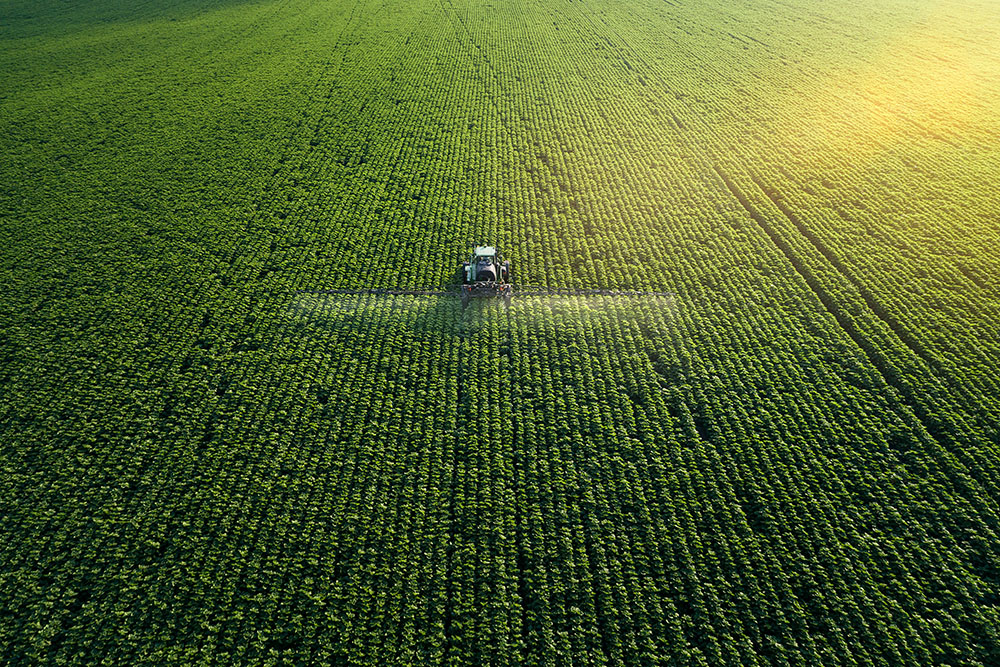
The aim is to „heal the planet” by minimising the impact of agriculture on climate change and promoting biodiversity. Regenerative agriculture therefore focuses on „organic fertilisation instead of synthetic fertilisation, using crop rotation that promotes biodiversity, and soil cover and rooting. Rather than depleting arable soils and emitting large amounts of CO2, the aim is the opposite. In other words, the soil needs to regenerate, become more resilient and (re)productive. In addition, large amounts of carbon should be stored in the soil by building up humus - one of the most effective measures for climate protection.
GLOBAL INTEREST IN REGENERATIVE FOOD IS GROWING
The trend is still in its infancy, which is particularly evident in the lack of standards. As a result, the environmental benefits cannot yet be measured in concrete terms. However, as interest grows, both in Europe and overseas, more and more organisations and companies are joining forces at international level, such as Regenerative Organic Alliance, to develop meaningful, regionally adaptable standards. To further promote the issue, they have developed their own applications, such as Foodroots, or information platforms, such as Regeneration Switzerland and Solify. On the one hand, this is a networking platform for farmers and buyers, and on the other hand, they want to reach out to the general public.
REGENERATIVE AGRICULTURE: COMBINING CLIMATE PROTECTION AND BIODIVERSITY
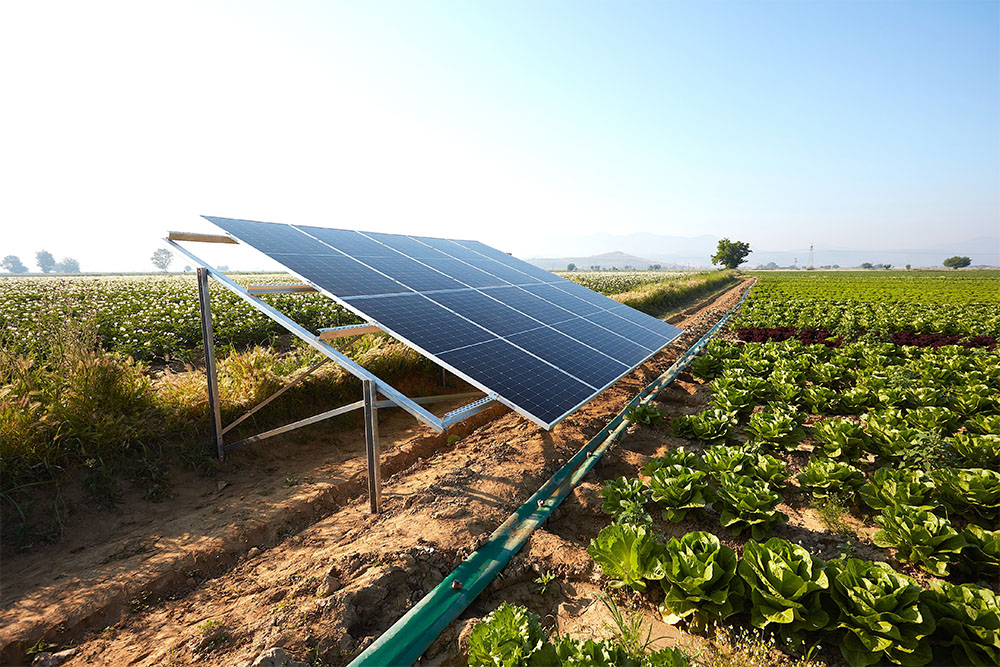
The number of farms like Gut&Bösel that use regenerative methods is also increasing. The agricultural revolution is also beginning in the United States, where start-ups and farmers are also looking to transform agriculture. Will Harris, who runs White Oak Pastures, a sixth-generation family farm in Bluffton, Georgia, is one of the pioneers of the regenerative agriculture movement. Working with one of the country's largest solar energy producers, he has managed to combine pasture with solar panels. This allows meat production while keeping carbon in the soil and restoring biodiversity.
PRODUCE GOOD SOIL BY DONATING
However, regenerative food is not only a promising solution in the fight against climate change, it also ensures a diversity of plant species we consume and, as a result, more variety on our plates. This makes regenerative food interesting for the gastronomy industry. Moreover, more and more people think that climate protection is one of the most pressing issues of our time. Customers therefore want to know more about where products and ingredients come from and how they are produced. If restaurateurs can credibly demonstrate where their food comes from and that it has been produced in a regenerative and sustainable way, this can give them a competitive advantage.