







As the old saying goes, we are what we eat. The truth of this is not far from the truth: the nutrients we put into our bodies affect our daily lives. Not just biologically, but also mentally, how consciously we eat has an impact.
The daily practice and gradual use of a healthy diet is the result of better quality of life. We can be more energetic, happier, healthier and, crucially in today's world, our immune systems can become more resistant to environmental influences.
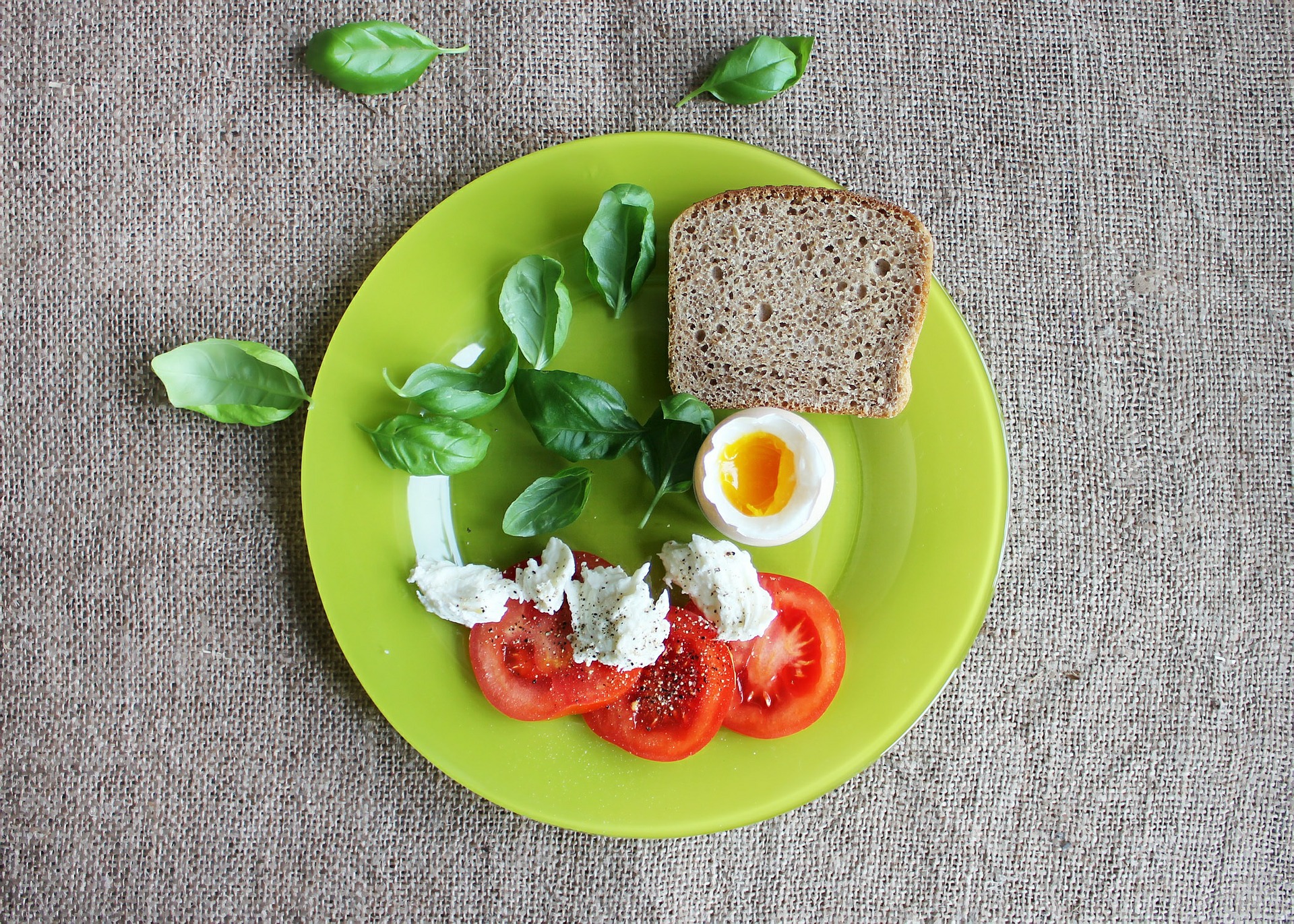
Photo by Pixabay
The problem of everyday life
In the hustle and bustle of everyday life, we tend to think of food as a sideline. In a large percentage of cases, we pay far less attention to eating and keeping to meal times. We tend to eat only out of necessity or only when we really need to. But if we follow the basic rules that our grandparents taught us as children, we can help our bodies enormously. Breakfast, lunch, dinner. These are the basics that we should be thinking about, but in most cases they either get mixed up or happen at completely different times than our biological needs would dictate. If we could get back to the basics of nutrition, we would not only „feel better about ourselves”, but we would also do a lot for our health.

Photo by Pixabay
The problem of fast food
A negative factor in nutrition is eating fast and in a hurry. In most cases, in the rush of everyday life, we don't give enough time to eat. We eat only a few bites out of necessity and then quickly „stuff” them into our bodies. This is a trauma in itself, because we neither prepare our bodies for eating nor give them time to digest. We simply stuff food into the stomach. It is no accident in gastronomy that a restaurant has a beautifully constructed menu. Starters, main courses and desserts. Not only does the body need time to absorb the amount of food, but it is also important to build it up in moderation. Unfortunately, in everyday life, eating is not a thought-out process, but a sudden reaction to our body's signals, which we usually overdo. If we do not suppress the feeling of hunger by various means - coffee, snacking - it will come. Suddenly taking in relatively larger amounts of relatively worthless nutrients is not the answer. It may suppress hunger, but it is far from satisfying our body's needs, and may even overload it.

Photo by Pixabay
Quality of food and ingredients
Mindful eating is not only about eating at the right time, but also about what foods you put into your body, when you eat them. It is vital that we eat as little semi-prepared or fast food as possible. The composition of the diet depends on the season, as each season has its own characteristics. It is therefore important to focus on seasonal ingredients in meals and cooking. It is important to ensure that quality ingredients are used in the diet, as it is not always the quantity but the nutritional value that matters. I'm sure everyone has experienced the feeling of being full and then hungry again a few hours later. This is something to be avoided, as excess food is a burden on the body and does not produce energy, it just takes it away. Make sure that your food contains the right amount of fats, minerals, is protein-rich and full of slow-absorbing carbohydrates.

Photo by Pixabay
Energy in nutrition
According to experts, the average adult has at least 1500-1700 calories per day. Of course, this can increase with major physical activity or vary considerably with health problems. However, your daily intake should always include fibre, i.e. vegetables and fruit, which is particularly energising. Eating a diet rich in fibre can help your digestive system, and eating vegetables and fruit will provide your body with the right amount of vitamins.
A balanced diet
The most important basis for a balanced diet is what you eat, when you eat it and how often. Here too, the saying “less is sometimes more” applies. So eat several times a day, but never overload your body. Get essential fatty acids, vitamins and minerals, including vitamins A, D, B1, B6 and B12. It is important to consciously follow a diet containing iron, magnesium, calcium, which helps our body to regenerate and our immune system to function properly. We need to spread our intake of nutrients between meals, especially as the energetic part of the day is in the morning, so it is completely unnecessary to overload our stomachs in the evening when the body is resting.

Photo by Pixabay
Make time for meals
As well as regularity, experts say another important thing is to try to make as much time as possible for meals. Eating slowly, without rushing, gives your body time to „feel full”, which improves digestion and helps you reach or maintain a normal weight. Allowing time not only eases the strain on your body, but also gives you the experience of eating, which is important for nutrition awareness.
Healthy breakfast
One of the most important meals of the day. For breakfast, try to eat foods rich in carbohydrates. Fill your body with energy to get you through the day. Eat fruit porridge or a wholemeal bread sandwich with vegetables.

Photo by Pixabay
Lunch and snack
Again, the point of these two meals is to energise. Never overdo it and eat just enough when you don't feel overwhelmed. Eat just enough to make you feel good. It doesn't take much, just make the right choices. The important thing is not to get too hungry until the next big meal, so you prepare your digestive system.
Lunch
For lunch, eat meat, fish or cheese with a matching side dish. Eat at least half a plate of vegetables, which can be increased if you wish. Make sure you eat fish at least 2-3 times a week to provide your body with Omega 3 fatty acids. Lunches should not be huge, but it is important to ensure that they are nutritious.
Dinner
Worth it for dinner avoid carbohydrates! For example, you can make a richer salad. The key is to never overload your stomach before bedtime. #
Source: wikipedia, health resource, Airchef
Photo by Pixabay
Rock musician turned chef and the Vocal Rock Bistro story