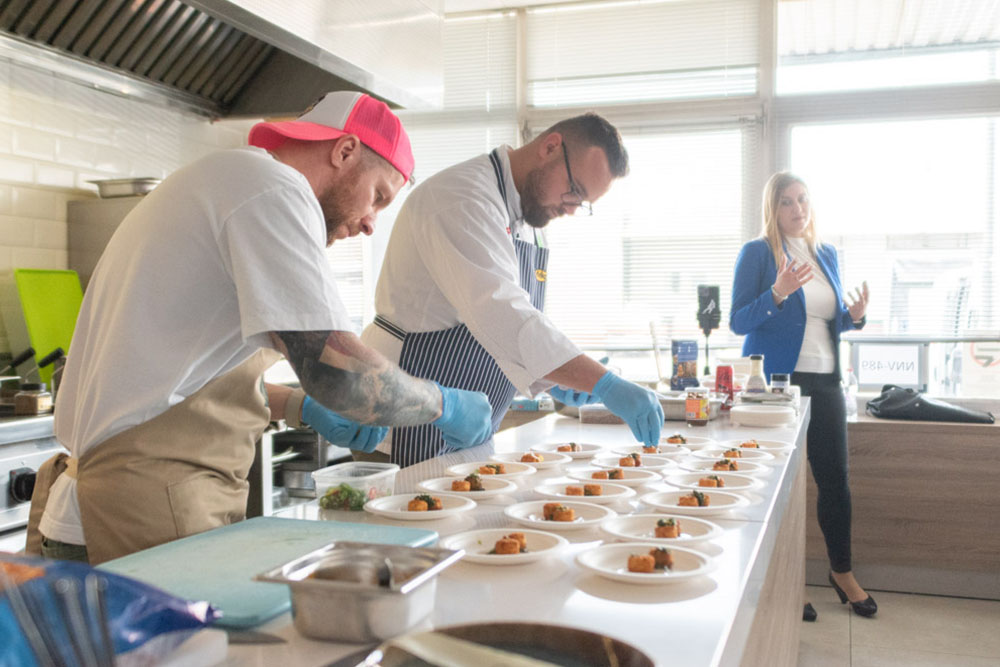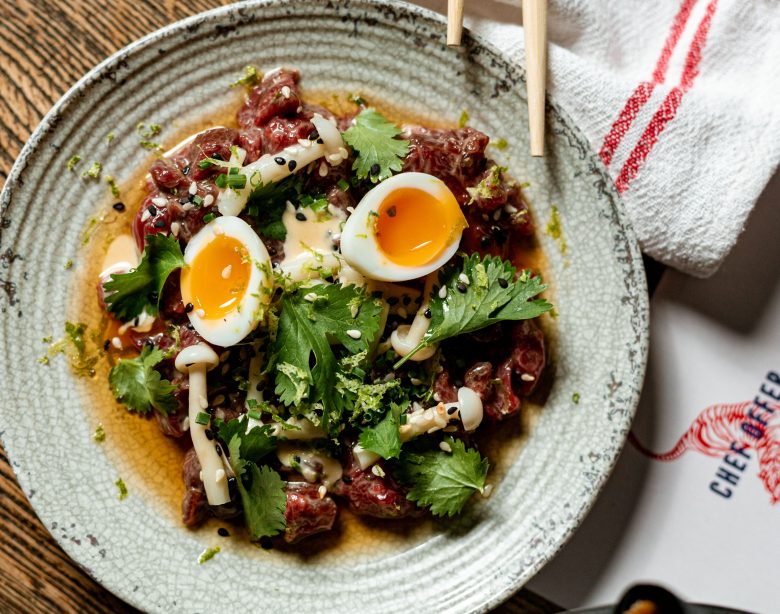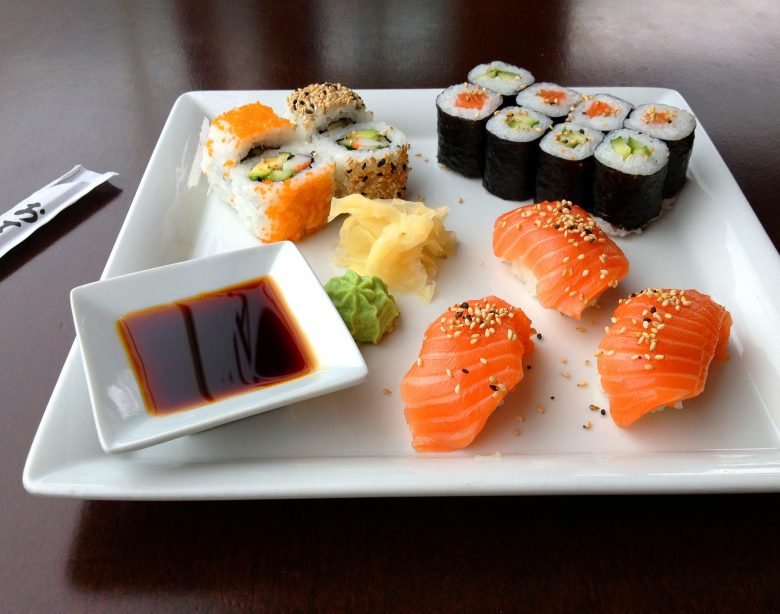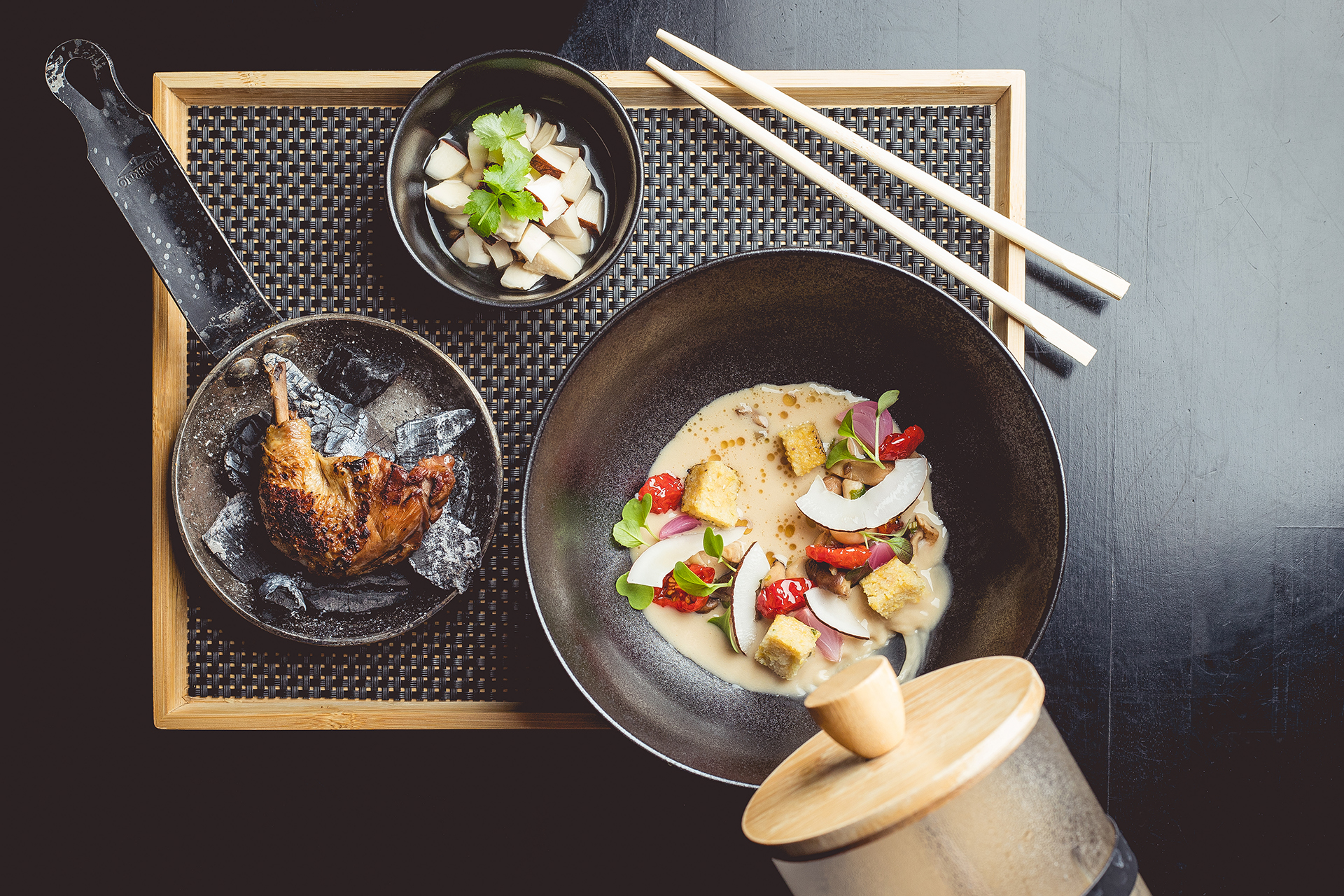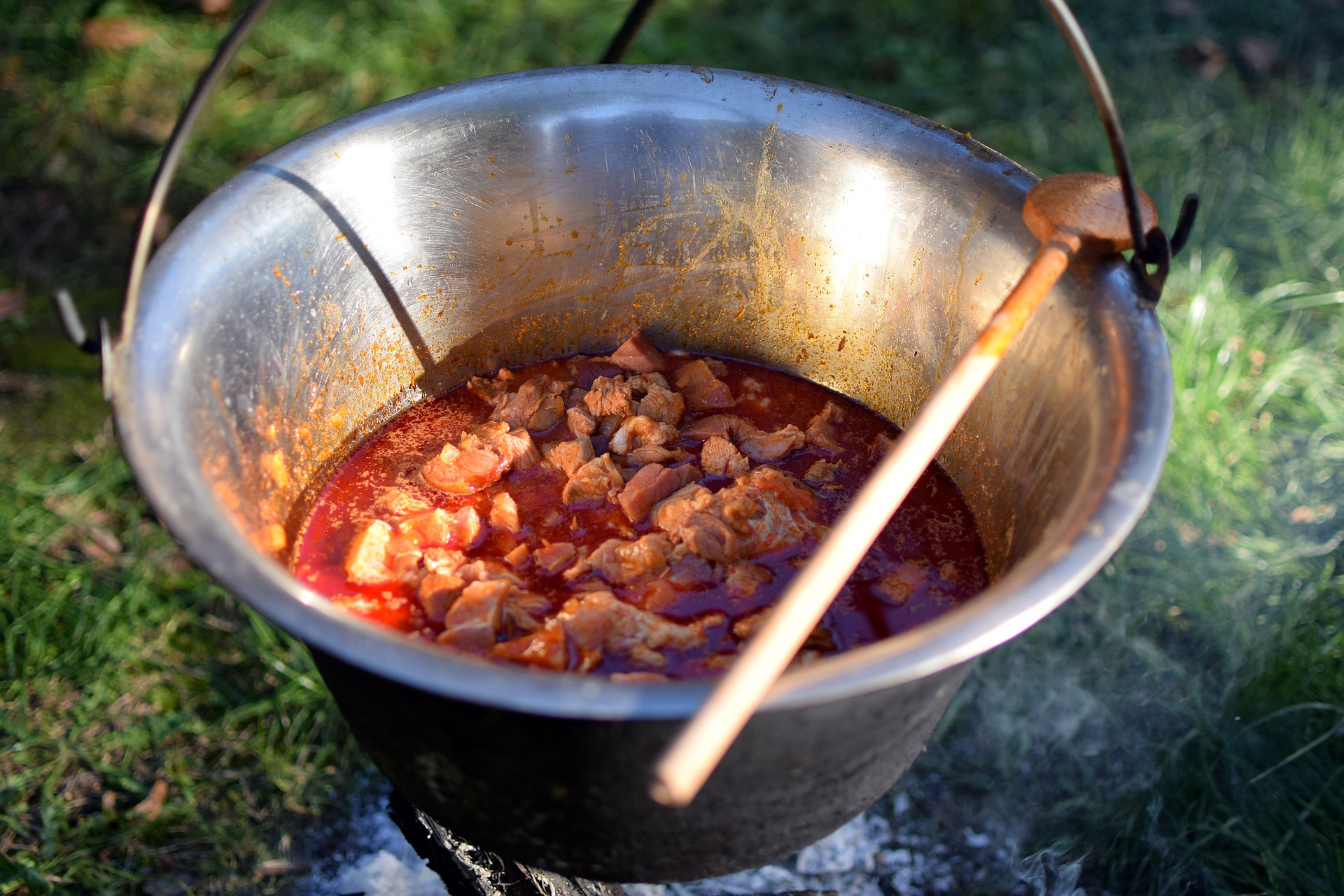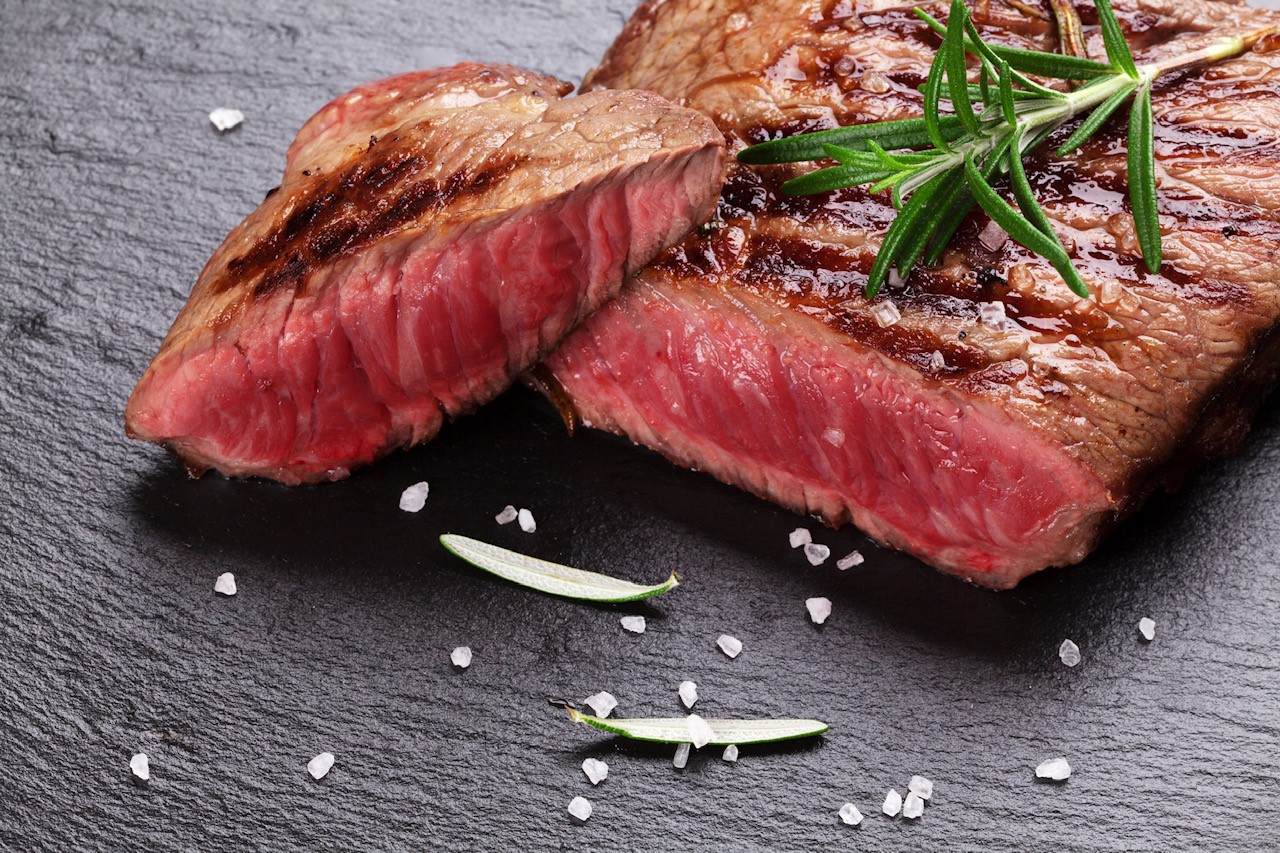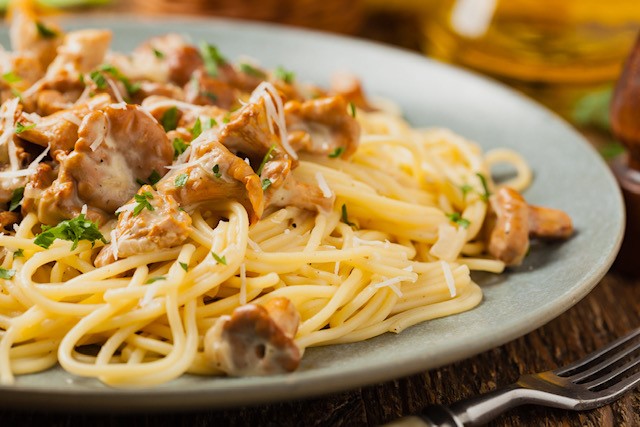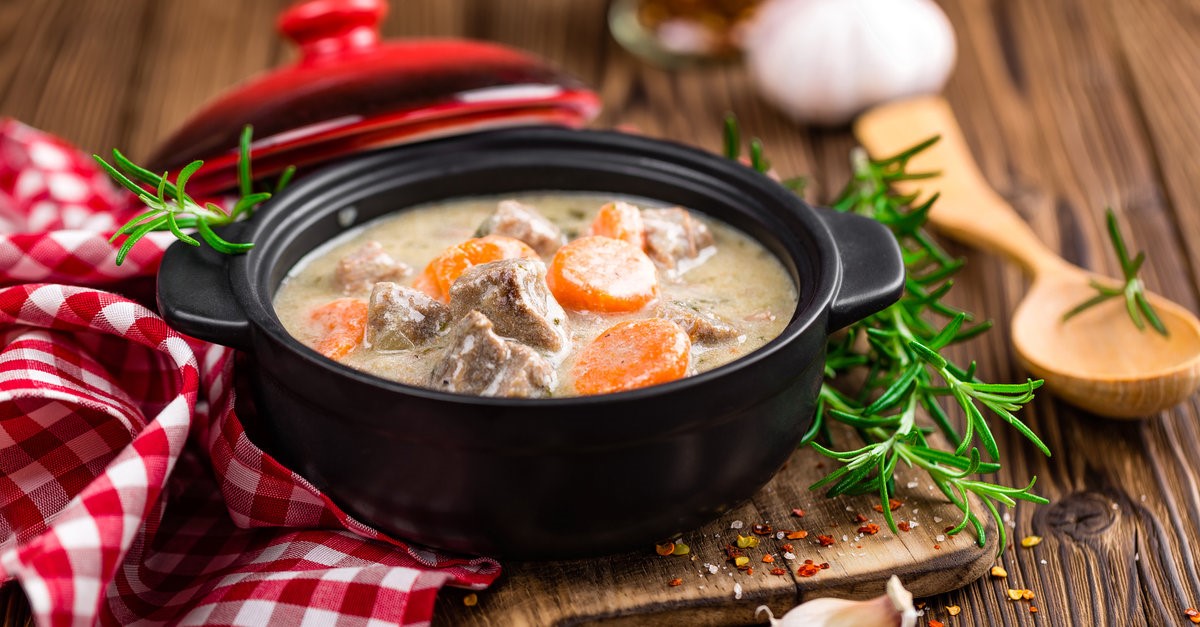







Our flagship partner for premium Wagyu products, Nice to Meat, gave an exciting food presentation for our middle and senior managers. The aim of the presentation was to demonstrate the potential of using secondary cut wagyu in the kitchen, resulting in a variety of creative dishes being prepared in our sample kitchen.
As we reported earlier, one lucky our purchasing colleague travelled to Japan a month and a half ago to accompany the King of Meats on his journey to the from farm to table. This time, however, the wagyu came to us, and the presentation was led by two of our dear partners Ingrid van Egmond and Rüdiger Brümmer. The event was attended by our technical chefs, regional and senior managers, alongside our owner Balas Matusz.
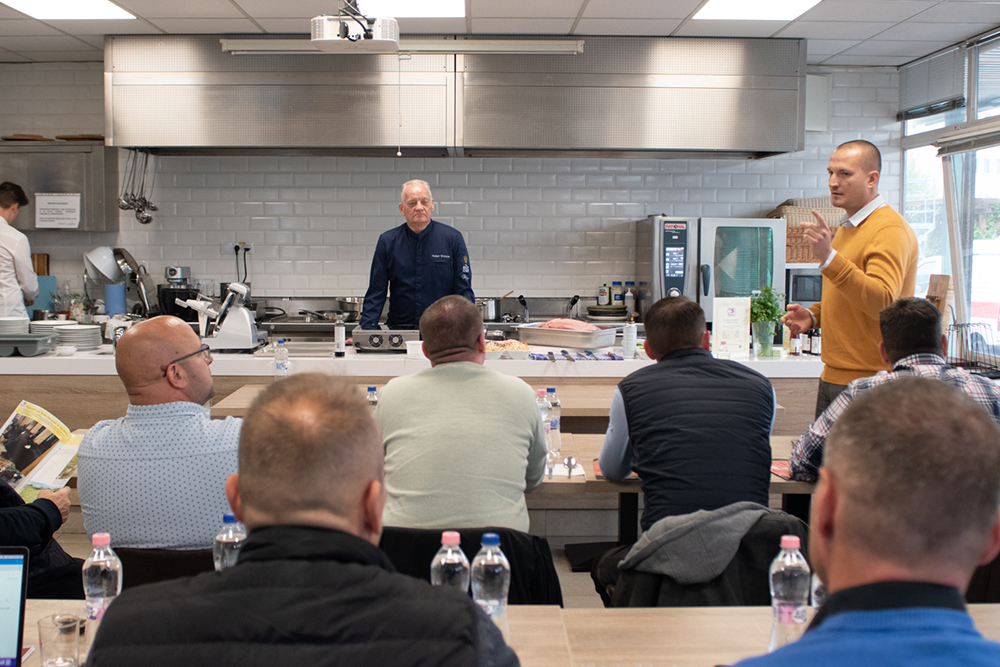
The well-known ordeal of recent years has also challenged premium product companies, exacerbated by an increasingly acute shortage of skilled workers. Nice to Meat is trying to provide their partners with an answer to these problems by showing them how to use those cuts of meat in a brilliant way and turn simple (or even simple) dishes into a princely meal. This time, the secondary cut wagyué was the starring role, not to be confused with the falling one!
Origin, keeping and recording
The word „wagyu” literally means „Japanese cow” and refers to four types of cattle. These include Japanese Black Cattle, Japanese Brown, Shorthorn and Polled. In total, there are more than 61,000 farms in Japan that raise Wagyu cattle, with approximately 2 million animals, but no more than 50 per farm. These are typically small, privately owned farms like Nice to Meat, where they are treated as if they were family. Each individual is given time and attention and lovingly raised by feed specialists in the vast open spaces of Japan. They have a carefully formulated diet of rice, bay leaf, wheat and bran, which produces healthy and tasty beef. They are allowed to rest in immaculately kept sheds that do not stress the delicate cattle.
Each calf receives an individual pedigree registration form to guarantee its bloodline. When the calves are born, their mouth print is added and uploaded to the database, which records all the pedigree data. This includes the animal's pedigree, quality classification and feed, among other things. Under the law, all beef cattle born in Japan are given a 10-digit unique identifier. These numbers are then managed by the government and collected by the National Livestock Center. The numbers carry information on the date of birth, sex, breed, who the cattle's ancestors were, when and where they were moved, and on the finished meat product, when it was slaughtered.
Wagyu around the world
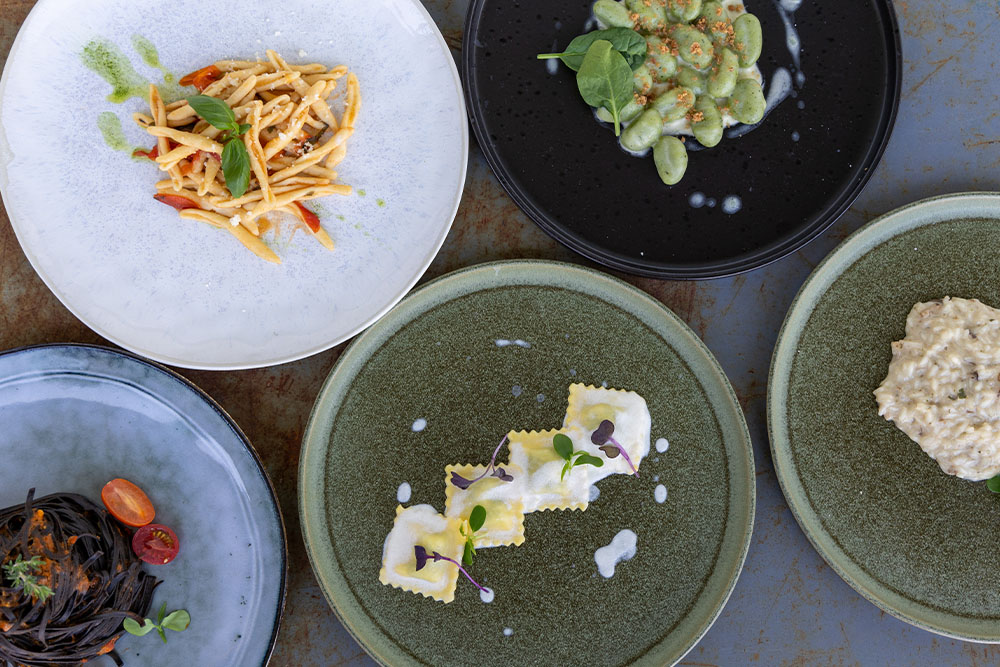
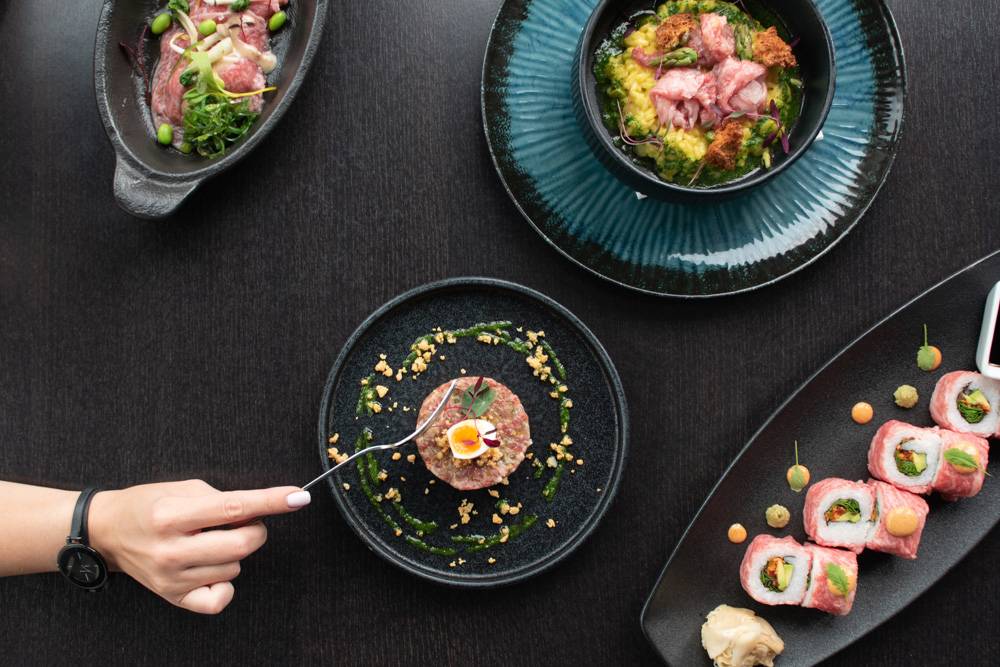
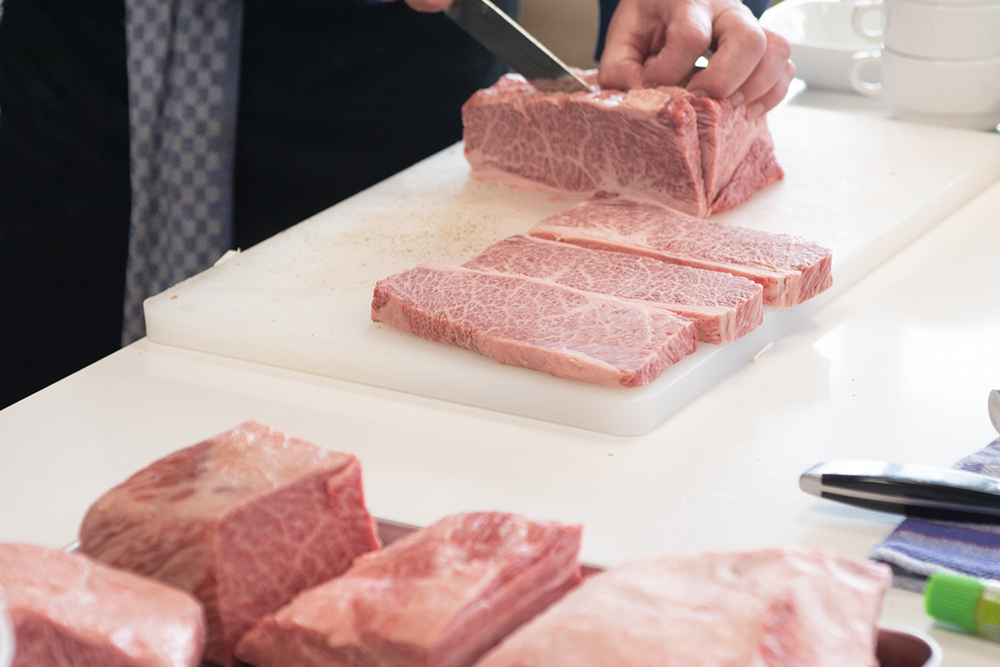
Although many people think of wagyu as having a special place in Asian cuisine, its uses are much more varied. Nothing proves this better than the fact that the Italian's iconic dish, risotto, was made using the neck, but that wasn't the most special part of it. The marbling of the wagyu gives it a particularly succulent flavour, and the fat that renders from it is a real treasure, and the best restaurants and chefs never let a drop of it go to waste! And so did our honorary chef, who was for risotto used it instead of the butter he needed, which made the result uniquely delicious. The rice is pre-cooked to 85% Surgital risotto was the first time Rüdiger had ever seen it, and he was absolutely delighted. The meat that went on it was cut from ribs and sliced wafer-thin as a salad topping or a topping for soups.
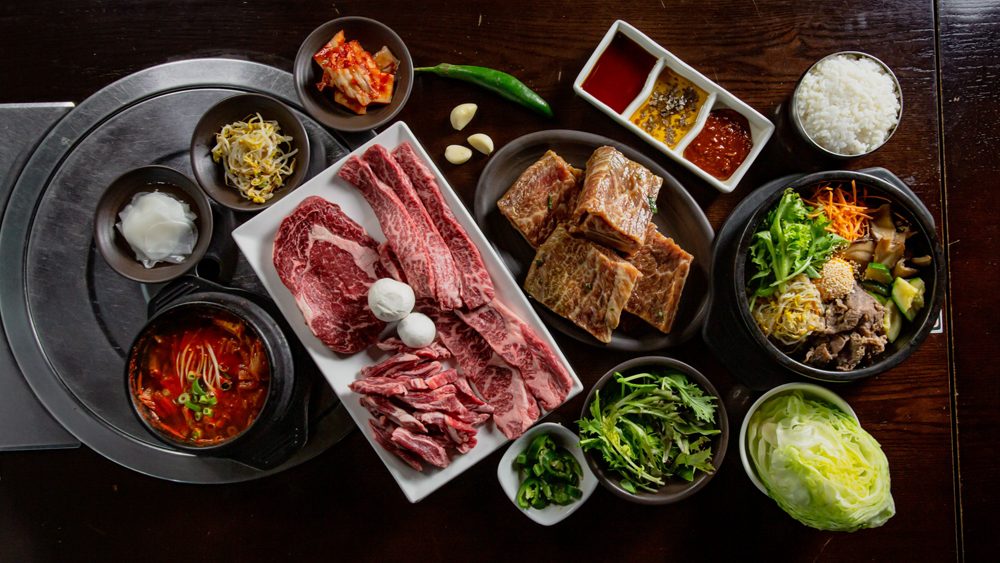
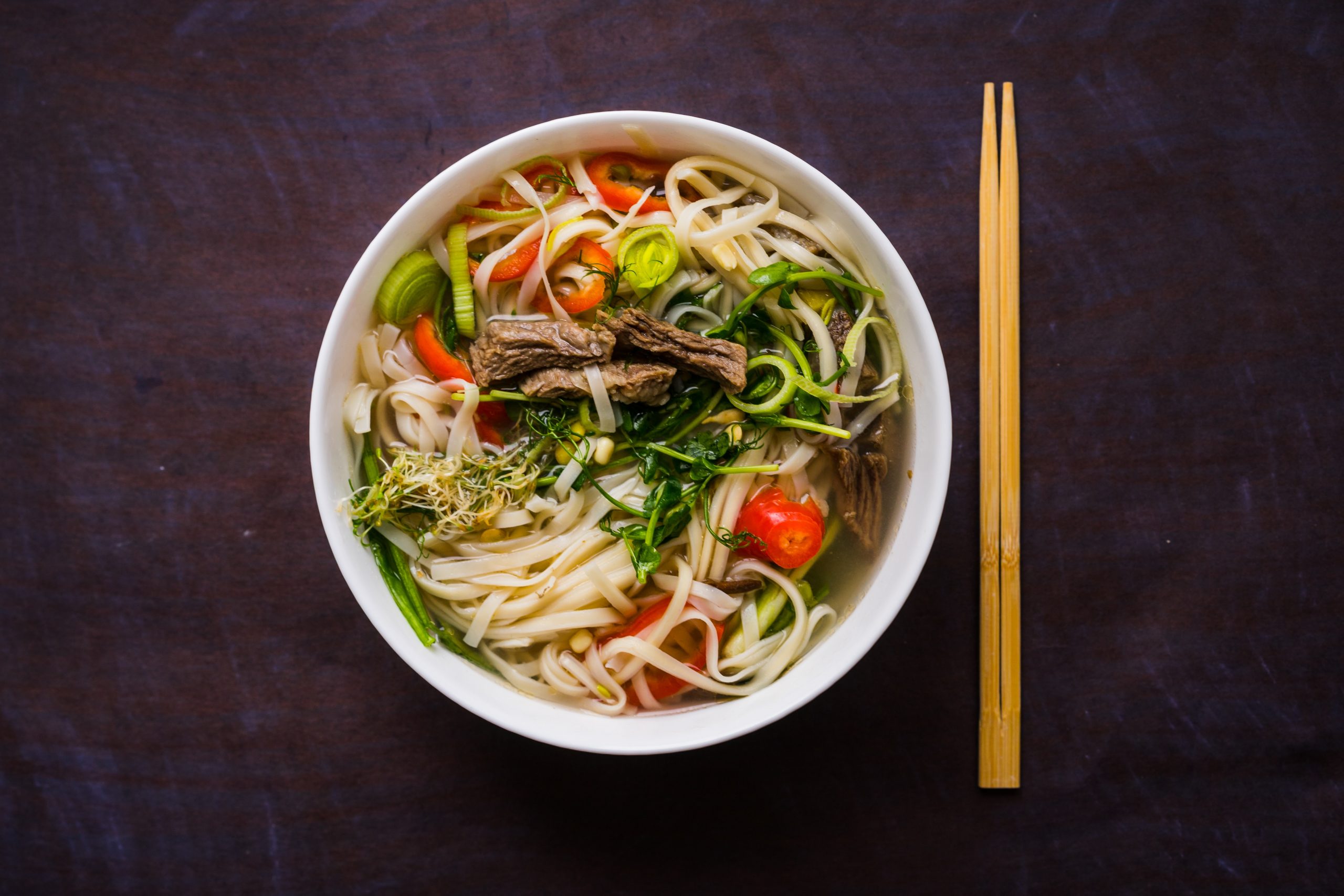
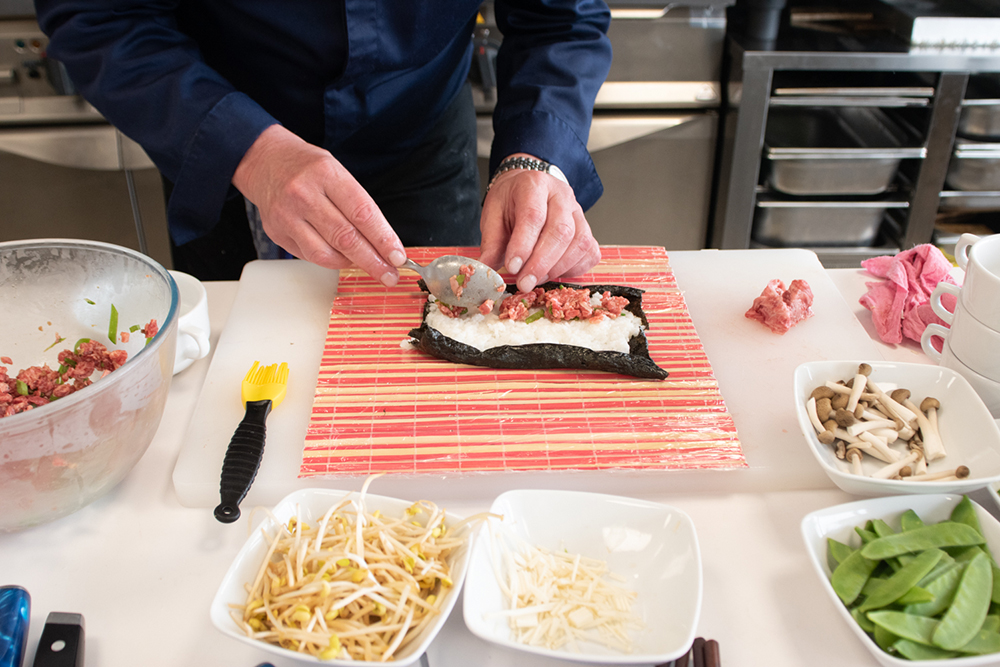
Of course, there was no shortage of authentic Asian dishes, so Rüdiger prepared several kinds of sushi and a shabu-shabu for the audience. The latter, by the way, is a traditional Japanese social dish, which is served in a fondue-like setting. The so-called dashi (tuna broth) is placed in the middle of the table and is then dipped in various mushrooms, vegetables and meats, in our case thinly sliced neck. Two kinds of mushrooms, carrots, sprouts, pointed cabbage and spring onions are also placed on the plate. In this form, by the way, this type of meat is also an excellent choice for other Asian soups such as ramen or pho, and only 15-20g is enough to give our guests an unforgettable experience instead of a good one. By the way, this is a huge difference between the Hungarian and the Asian diet - while we eat meat with vegetables, they eat vegetables with meat.
Sushi as we've never seen it before
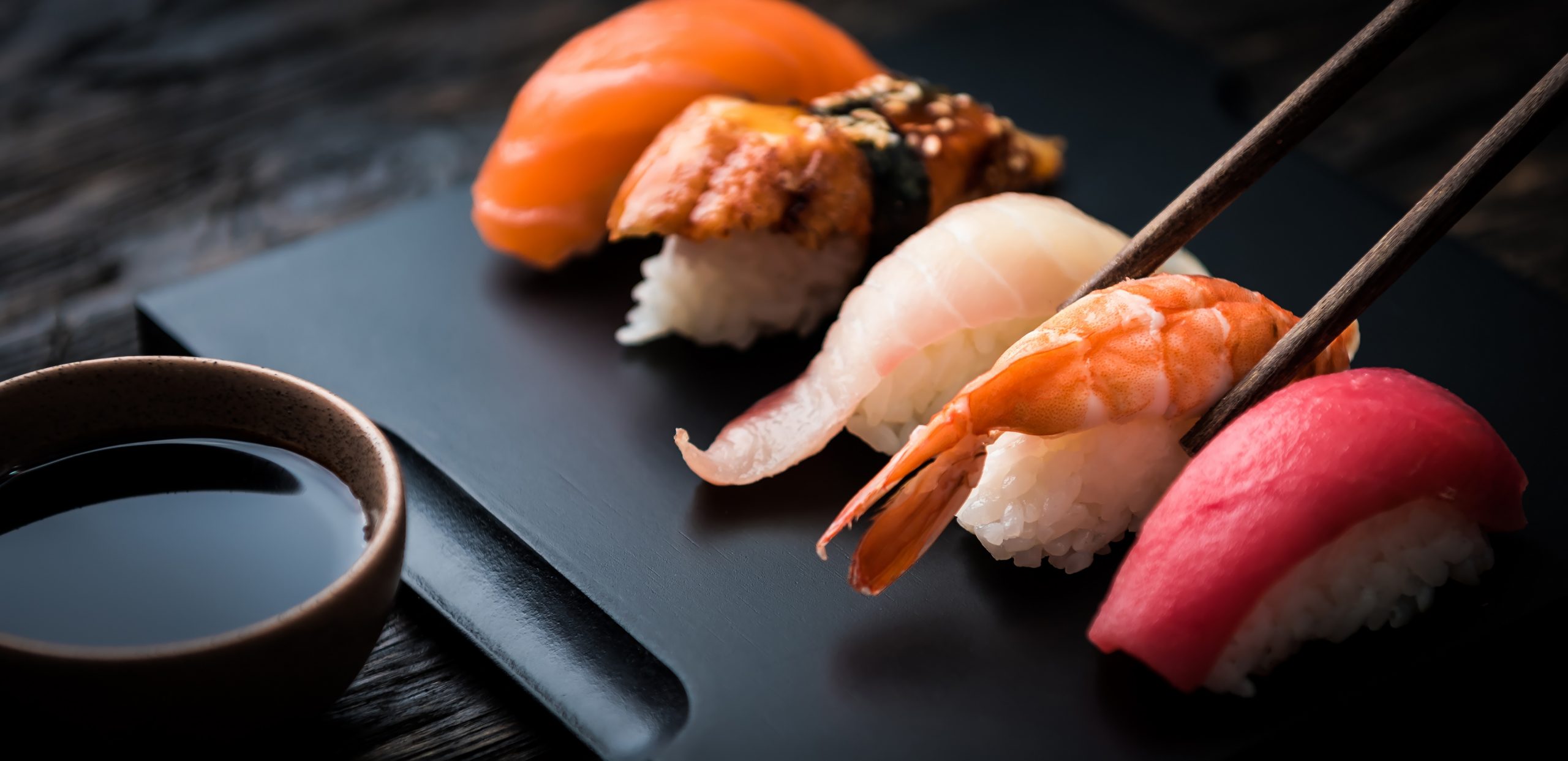
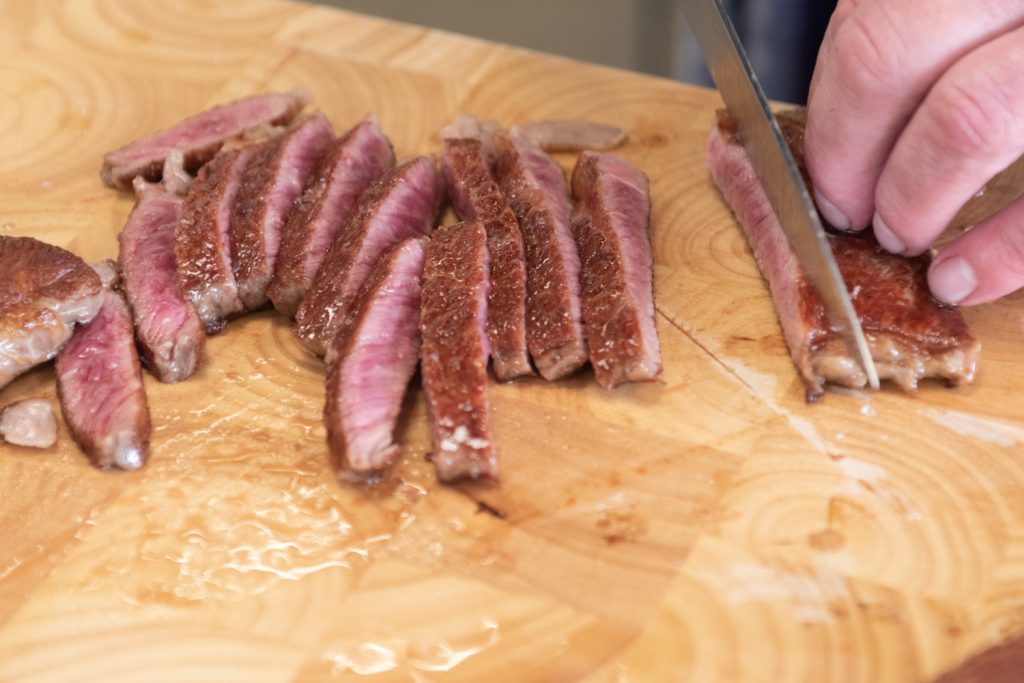
Although sushi is probably not the first minced meat filling that comes to mind, the chefs at Nice to Meat know how to impress. To make the classic maki, they first diced the neck offal. Sesame oil, soy sauce, spring onions, coriander and rice vinegar were added. Then, as usual, the meat was rolled up using a bamboo roll, spread on the substrate. A nigiri sushi was also served, lightly smeared with wasabi and light soy sauce, and the meat slices were briefly heated. This allowed the fat to gently infuse the rice bites. So Rüdiger treated us to not one, not two, but four dishes and gave us dozens of other ideas as he cooked. Despite all the deliciousness, there was still room in the belly, so the event ended in a good steak barbecue, where the conversation continued around the kitchen counter.
If you want to know how to incorporate the best of Japanese beef into your offer, please contact your local representative.