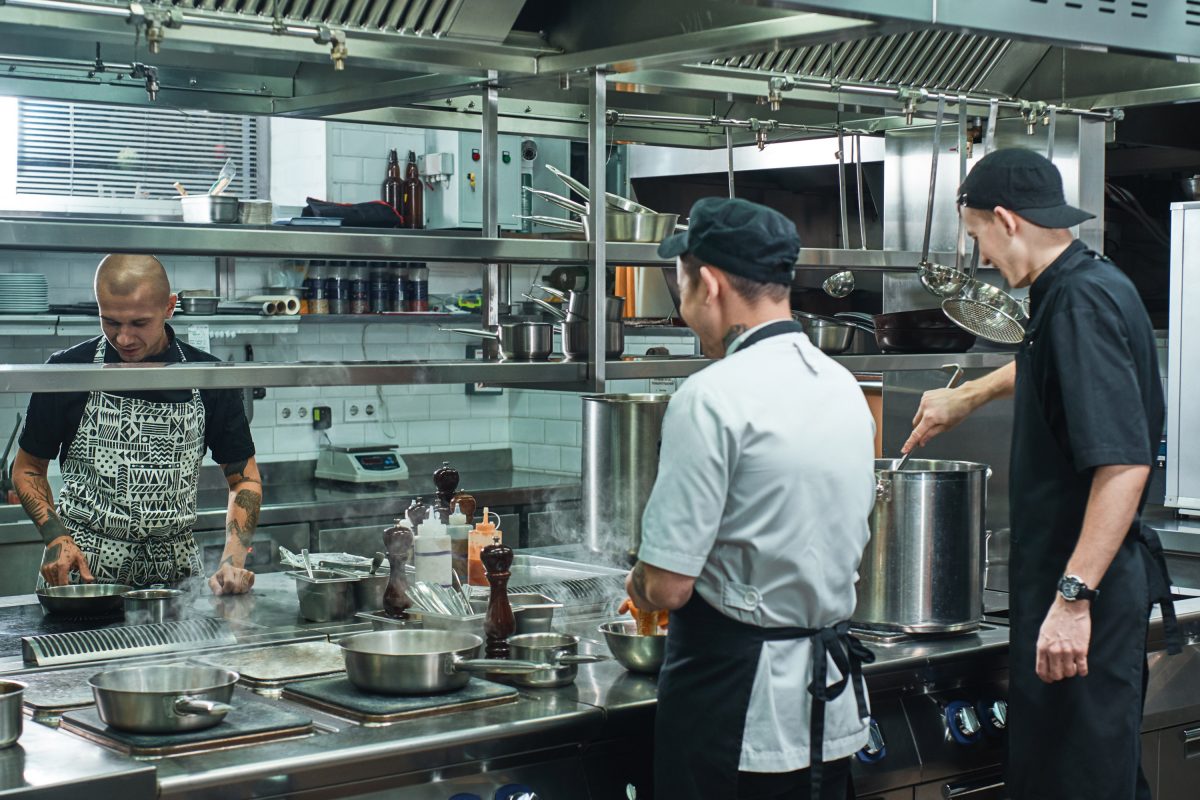







Food waste is a serious problem all over the world, and commercial kitchens are no exception. While food waste is a financial loss for restaurants and other culinary establishments, it also has an environmental impact, as wasted food creates unnecessary waste and emissions. Fortunately, however, there are many ways that chefs can reduce food waste in commercial kitchens. Here are some tips and practical advice.
Application of technology
Today, there are many apps and tools available to help you track and analyse food waste. These technologies allow chefs to see which dishes or ingredients are most often wasted, and thus make better decisions in the future.
Linking budget and sustainability
Reducing food waste is not only good for the environment, but also for commercial kitchens also plays a key role in optimising your budget. The more efficiently we use ingredients, the more money we can save, while still providing our guests with high quality food.
Revision of data sizes
Too high doses often lead to unnecessary waste. It is worth considering reducing portion sizes or increasing the choice offered to guests in smaller but more varied portions.

Precise planning
One of the most important steps is to plan the menu and ingredients carefully. With accurate planning, kitchens can order the right quantity and quality of ingredients, avoiding unnecessary waste.
Creative recycling
Leftovers are not automatically waste. Use them to make soups, for example, sauces or use them to make new dishes for the next day.
Education
Ensure that kitchen staff are aware of the consequences of food waste and that they are trained in ways to prevent it. Regular training and workshops can ensure that everyone is aware of best practices.
Proper storage of raw materials
Proper storage is key to preserving the quality of food. Some foods require special temperature or humidity requirements to ensure a longer shelf life. Know the storage requirements of all ingredients and develop an efficient storage system.

Donate
If there is too much food left over to recycle or sell the next day, consider donating food to local charities. This not only reduces food waste, but also helps those in need.
Continuous review
Carry out regular checks and reviews on food waste to find ways and practices that can be continuously improved. Food waste is not only a financial and environmental burden, but also a loss of effort in producing food.
Developing purchasing strategies
Before ordering ingredients, it's a good idea to consider the local produce available in the season. Buying from local producers not only gives your kitchen fresher ingredients, but also reduces transport costs and your ecological footprint.

Kitchen equipment optimisation
Some kitchen tools, such as vacuum packers, can preserve the freshness of ingredients for longer, reducing wastage. In addition, energy-efficient equipment can also deliver further cost savings.
Get involved in sustainability initiatives
Many companies and organisations offer certificates and training in sustainable cooking practices. As part of these programmes, restaurants and commercial kitchens can receive additional support and training to reduce food waste.
Dialogue with suppliers
Open communication with suppliers can help optimise the quality and quantity of raw materials. Inform them of your preferred sustainable practices and ask them how they can work together to reduce food waste.
In summary, reducing food waste in commercial kitchens is not only an ethical and environmental responsibility, but also a business benefit. By adopting the strategies and practices mentioned above, chefs and kitchen staff alike can contribute to the development and promotion of a sustainable gastronomic culture. Through a combination of responsible choices, innovative solutions and consistent practices, kitchens can not only become more efficient in their own operations, but also bring positive change to their guests and the community at large.