






Lobster was a favourite of the Romans and is still a real delicacy today. However, many people are reluctant to throw the animal alive into boiling water, even though it can be very dangerous to cook and serve it after it has been killed. Why? Let's find out!
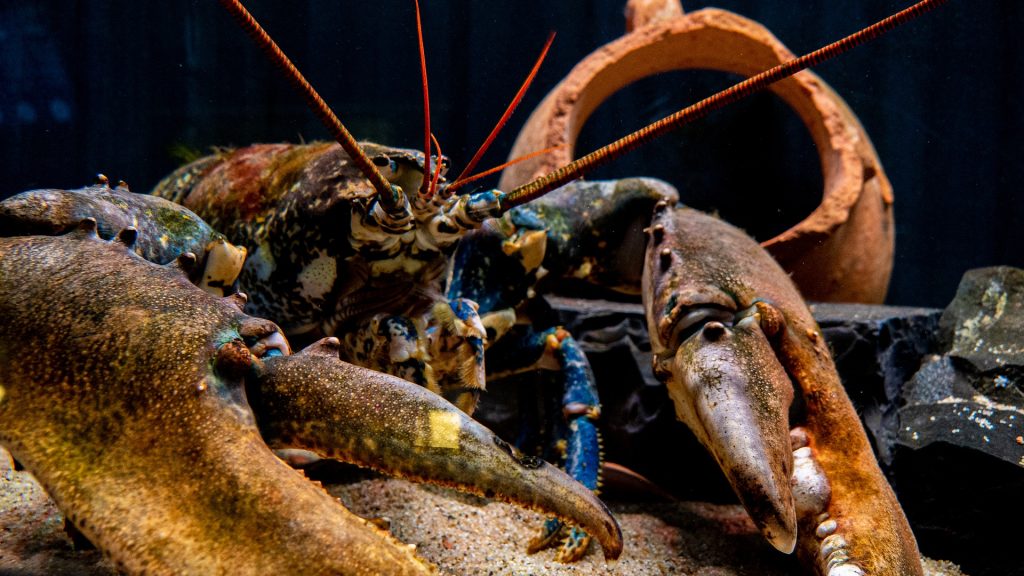
With even the Romans were aware animals should be thrown alive into the boiling water because after death, they can multiply incredibly quickly with bacteria that can cause stomach cramps, vomiting, fever and, in more serious cases, death.
Marijuana water or frozen lobster?
Unfortunately, the pathogen cannot be killed even by heat treatment, so the best way to eliminate the chance of food poisoning is to throw the animal alive into boiling water. This procedure has infuriated animal welfare activists from time to time, causing, for example Live cooking banned in New Zealand. In other places, attempts are made to alleviate the suffering of the animal, including by keeping it on ice for a while before preparation, or by a well-directed movement to knock out its brain. There are also restaurants where customers can take home a live lobster they have chosen for themselves, but then spared. By the way, as science stands today, it is not even proven that putting lobsters in hot water hurts them. It's a great solution if you want to have a gourmet treat and even care about the welfare of the animal, if you frozen lobster we choose.

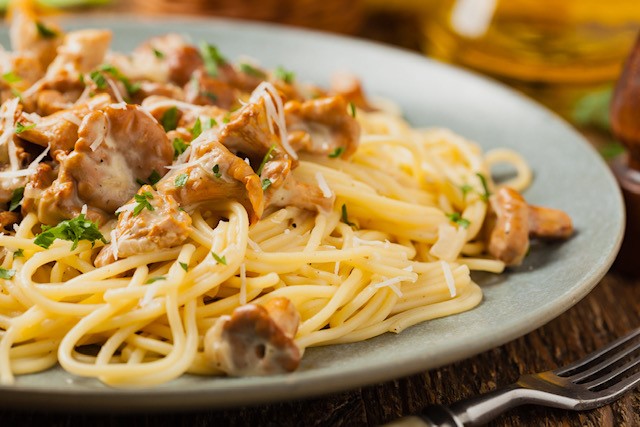
Zoltán Kocsmár, the Andrássy Road Bigfish Restaurant said that they serve boiled and grilled lobster, while the other shop on Zrínyi Street also offers lobster spaghetti. But it's all the same: water boils in a pan and they throw the animal in alive, and suddenly it's cooked. A 400-500 gram piece of cattle stays in the boiling water for about 3-4 minutes. According to Zoltán, this is also important because the least amount of protein is lost. Originally dark blue in colour, the lobster's shell quickly turns red when exposed to heat.

How to make the lobster
After precooking, the animal is disassembled and cleaned, then it can go into the oven or onto the griddle. Like any other fish, lobster does not like to be overcooked or baked. Most of the usable parts are in the tail and claws, but there is some of that delicious, sweet white meat in almost every part of the lobster. The scissors are protected by such thick armour that they are cracked open a little before serving, but most of the work is done by the guest with the utensil provided.
In the restaurant, they are kept in a saltwater aquarium with an aerator, and the customer can point to the specimen they want for lunch or dinner. Zoltán Kocsmár could not confirm the urban legend that the animals in the hot water scream. But those who know the sound say it is not a scream, but the sound of air expanding and rapidly leaving the body due to the heat, providing some reassurance to consumers who are also concerned about the welfare of the animals. The lobster is a delicacy, but the customers of the Andrassy Road restaurant love it and often ask for it, not only because of its taste, but also because it looks so good on the plate. Looking at today's prices - 100 grams of boiled or fried lobster costs 2900 HUF. It's hard to imagine that it used to be the food of the poor, of slaves, of slaves. The world has changed a lot, but Zoltán says it's worth a taste because the taste of lobster is like nothing else.
Recipe for lobster
No extra equipment or knowledge is needed to make it, so you can experiment with it at home. However, as it is a very expensive material, it is advisable to do your research. A well-prepared lobster in its shell will certainly „brighten up your weekend”. According to Zoltán Kocsmár, it is worth frying garlic in oil with parsley and sprinkling it over the meat to bring out the special flavour of the animal. Almost anything is good as a side dish, including a fresh salad with honey and mustard or a delicious risotto.
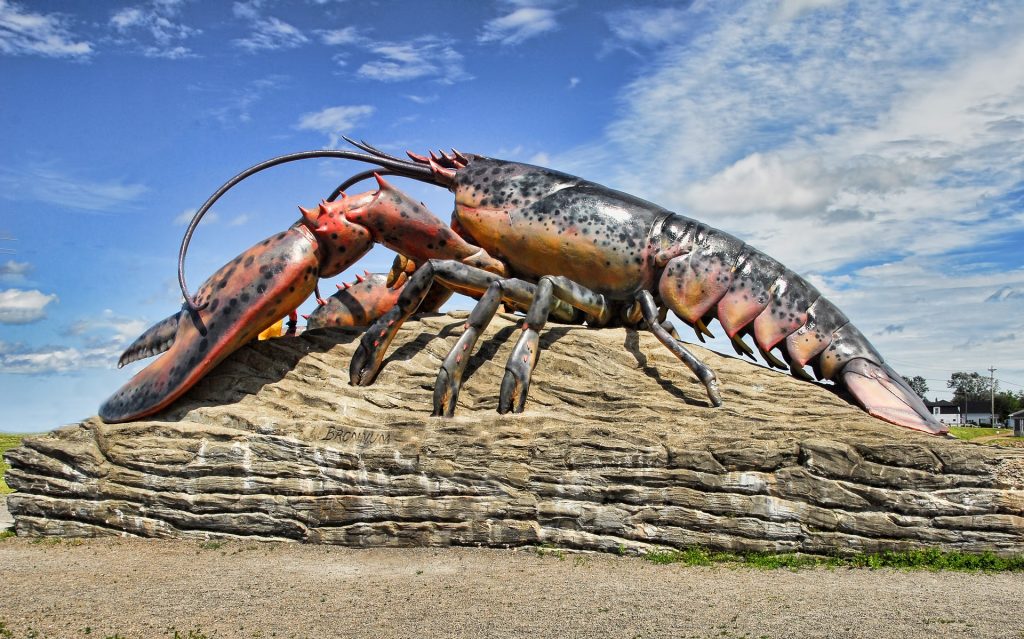
Today, the state of Maine in the United States, and a little further north in Canada, catch and export most of the world's lobsters. It is said that this arthropod is still in short supply because almost all of the predatory fish that threaten it have been overfished and exterminated by man.
Author: by Zsolt Bocskay