






We love it, we love it, we eat it. For breakfast, for lunch, for lunch, for snacks and for dinner. A pretty universal pastry that has conquered the world.

Photo by Pixabay
The croissant is a strange creature
All over the world known pastry, which is made almost everywhere know and love you. It is mostly associated with French culture, although it is far from being French. His successes have taken him all over the globe, and sucked in all culture. There are many ways of making it, and as many houses as there are customs, it is used in many places. It is eaten on its own, stuffed, spread, baked (cooked), eaten with jam, salads and meat, or simply eaten on its own. It is truly a universal food and is available at any time if needed.

Photo by Pixabay
What is a croissant
A bun from the United Kingdom, adopted by the French thanks to their historic association. Its French form is a buttery, flaky pastry, also known as viennoiserie pastry. To further complicate the development of the croissant, the French were inspired by the Austrian kipferl, but their sensitivity to their own their gastronomy resulted in the use of laminated dough leavened with French yeast. The origin of the kipferl, or croissant, dates back to around the 13th century. A croissant-named after their historic crescent shape. Breads in the shape of a crescent have been made since the Renaissance, and the crescent cake was probably first made in antiquity, but with brioche dough. After all, the kipferl or croissant for a long time a staple of Austrian and French bakeries and patisseries.
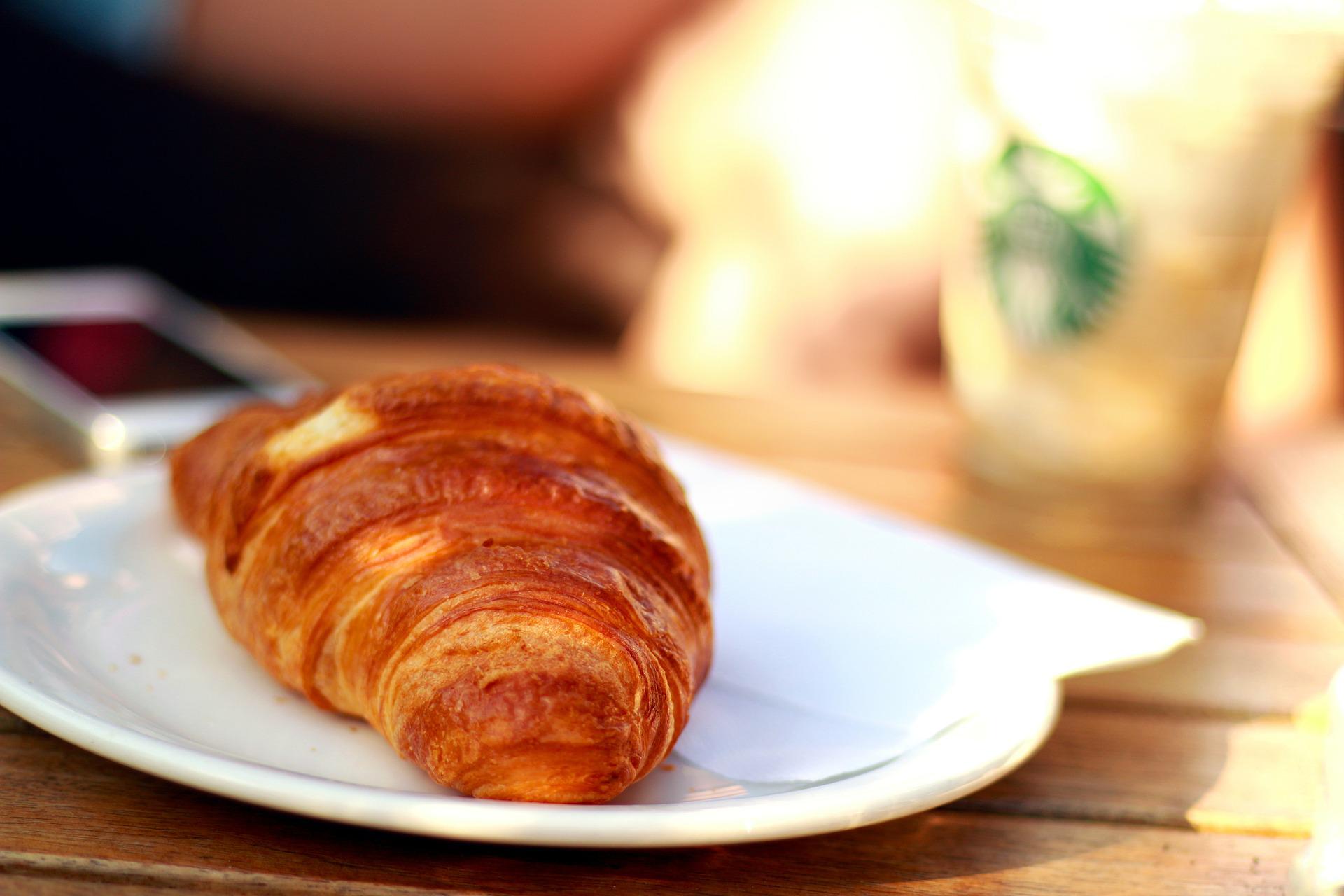
Photo by Pixabay
The recent croissant
The modern croissant was developed in the early 20th century. French bakers replaced the brioche dough of the kipferl with a yeast-risen laminated dough. It became so popular in French gastronomy that it became a true English no one remembers its origin. In the late 1970s, with the development of factory-made, frozen, pre-formed but not baked dough, the croissant became a quick meal that could be baked fresh, even by someone who had no idea how to bake.
The real croissant, which is a pain to make, is made by layering the dough with butter, rolling and folding it several times (a good job) and then rolling it into a thin sheet. It is finished with a technique called laminating. The process creates the flaky, soft, layered, yet crunchy texture that everyone is familiar with.
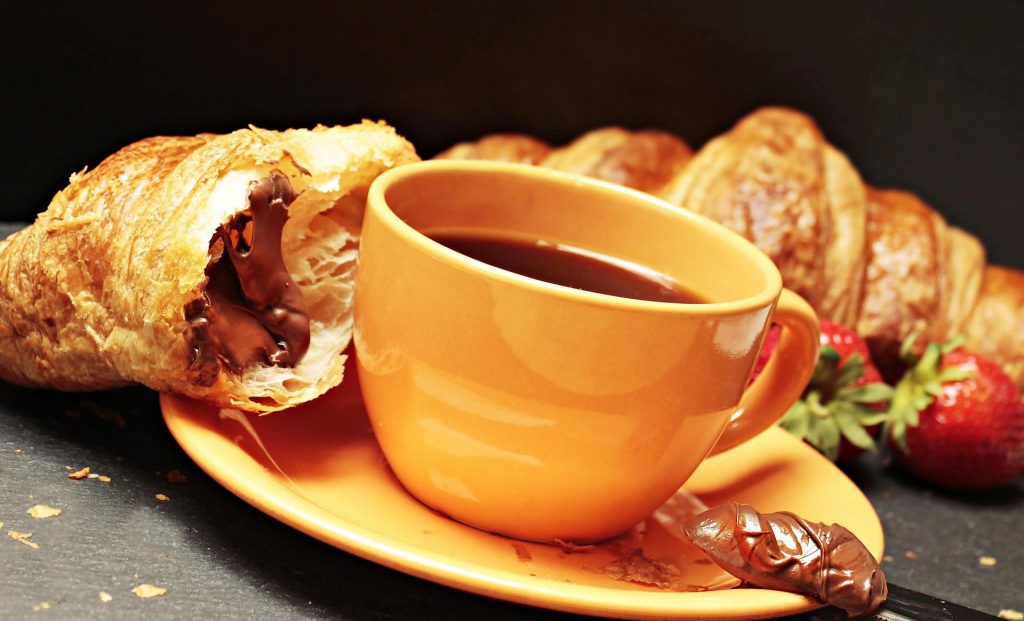
Photo by Pixabay
The history of croissants in theory
The birth of the croissant, or kipferl, dates back to 1839, when an Austrian artillery officer founded the August Zang bakery in Vienna. But he did not do this at home, but in Paris, at 92 Rue de Richelieu. He presented a distinctly Austrian speciality to a gourmand French public, including the Viennese loaf and the Viennese loaf. It quickly became popular and well-known, and as a result was imitated. The public was so captivated by the pastries he offered that they began to be made in homes. When it was given the name Crescent Croissant, it became a simple yet inimitable brand that conquered the world.
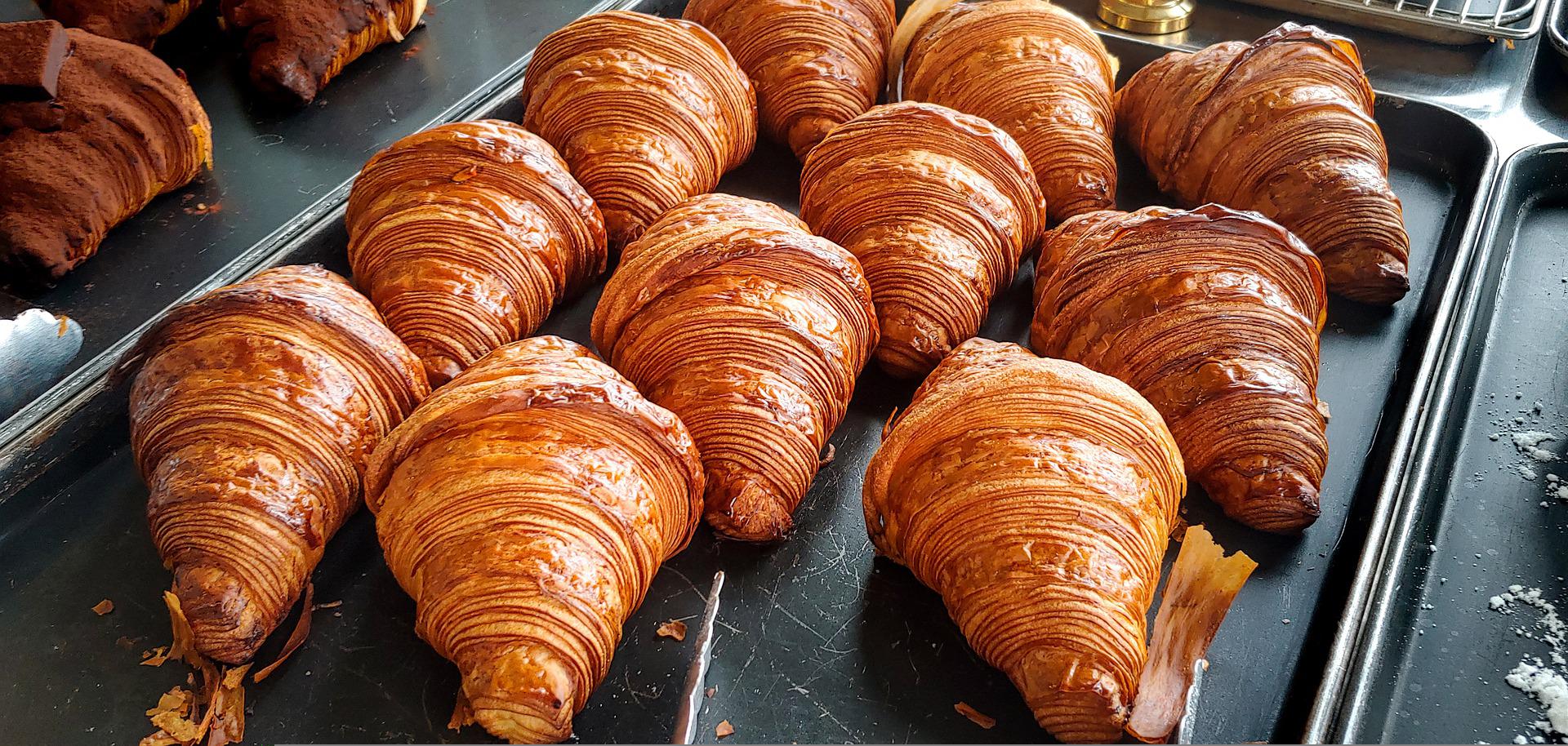
Photo by Pixabay
It came to America and they say the UFOs ate it
Alan Davidson, the editor of the Oxford Companion to Food, discovered it and started working on it. As a result, it became increasingly popular in America, where it became a popular pastry from the early 20th century. But people weren't the only ones eating it! At the time, there were lots of news reports about UFO sightings. According to one myth, George Sencher, who lived in a small town and basically liked croissants for breakfast, regularly encountered aliens in the woods near his farm. That was because they were already trying to go unnoticed. George regularly met them in a clearing where they would talk for long hours. According to his story, it was all mental, but the point was to tell him who they were and that the world was not yet ready to receive them. Regardless, George has benefited from their teachings on several occasions, and has even modified his irrigation systems in his fields based on their advice. Since his crops were much better as a result, he wanted to give the strangers something in return. And so it was that on one of their encounters, George arrived with his favourite croissant and gave the aliens a big helping.#