






Afraid of the bream, not forgetting grace, man speaks kindly. A favourite food, eaten with love.
Why bream are important for the restaurateur
Bream is a fish with a real summer feeling. Somehow it belongs to to the summer mood, fishing, barbecuing. It's no coincidence that it is one of the best known fish species in Hungarian fish culture. It has a long tradition on beaches and in buffets, especially on the waterfront. The success of the bream lies in the fact that it is a tasty fish, and even the fact that it is a bit spiny has never been a problem. Consumption is therefore requires attention. However, the Experience, when fish suddenly fried in paprika and flour suddenly appears on the plate, accompanied by a good spritzer or a pint of beer, it can bring the summer mood to full measure.
The long-standing hegemony of bream has now been replaced by hake, cod and salmon, not to mention fish fingers, but the tradition remains. Now it is enjoying a renaissance again, and is appearing on the menus of more and more waterfront buffets and restaurants. It can also be said that bream consumption is enjoying a renaissance again.
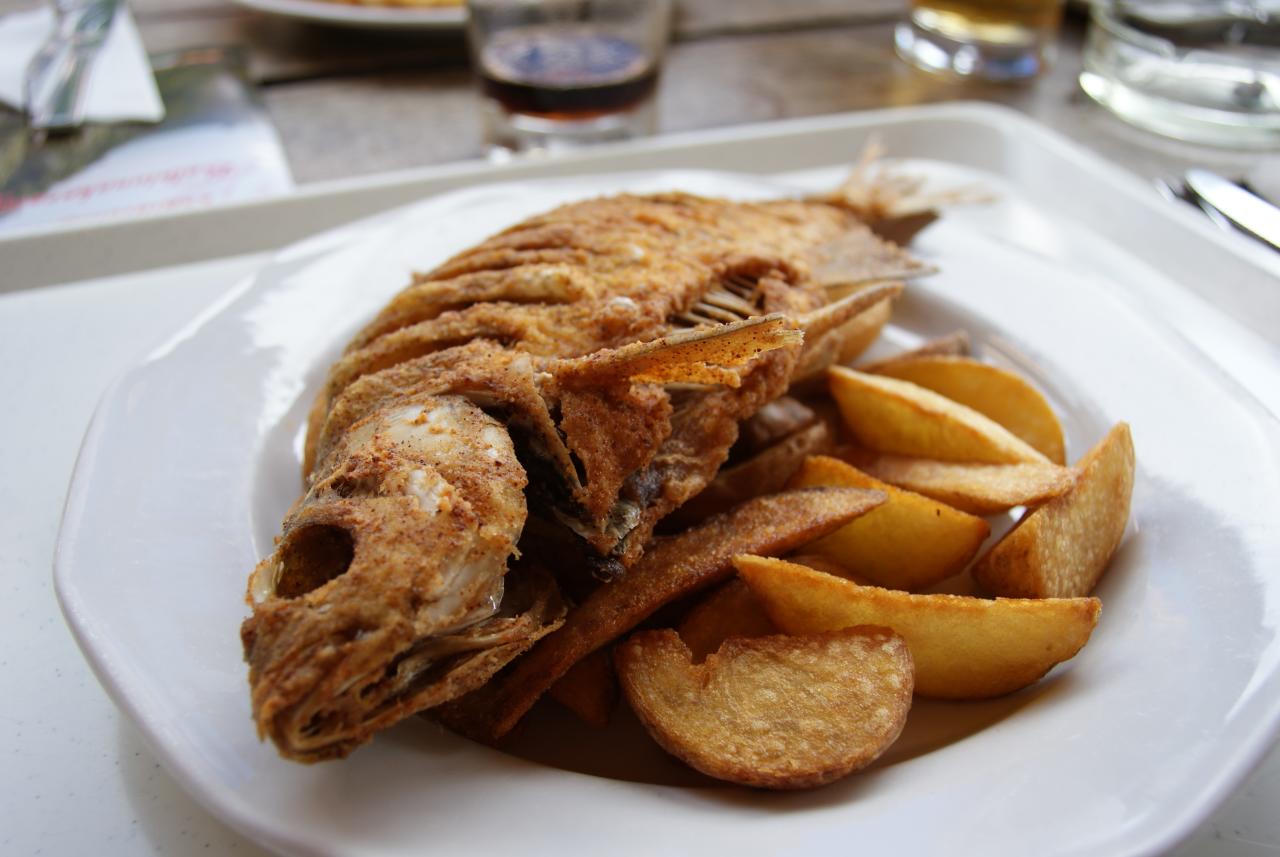
Photo by Flickr
The bream
Bream is the generic name for flattened-bodied, spiny-fleshed carp, a species of fish in the class of radiating fish, the order carpidae, and the family Cyprinidae. Native to the waters of Europe and Anatolia. It is found in all major rivers and lakes, being essentially undemanding. It prefers calm waters with a muddy bottom, overgrown with aquatic plants (seaweed). In Hungary, it is most common in stagnant and slow-flowing waters, canals and backwaters. It prefers company and often lives in groups. It feeds mainly on aquatic plants, but it has a curious nature, so it pretty much everything chirping, omnivorous species.
We like it mostly because it is easy to fish, relatively abundant in open waters. It is one of the „small” fish and there are quite a few species known.
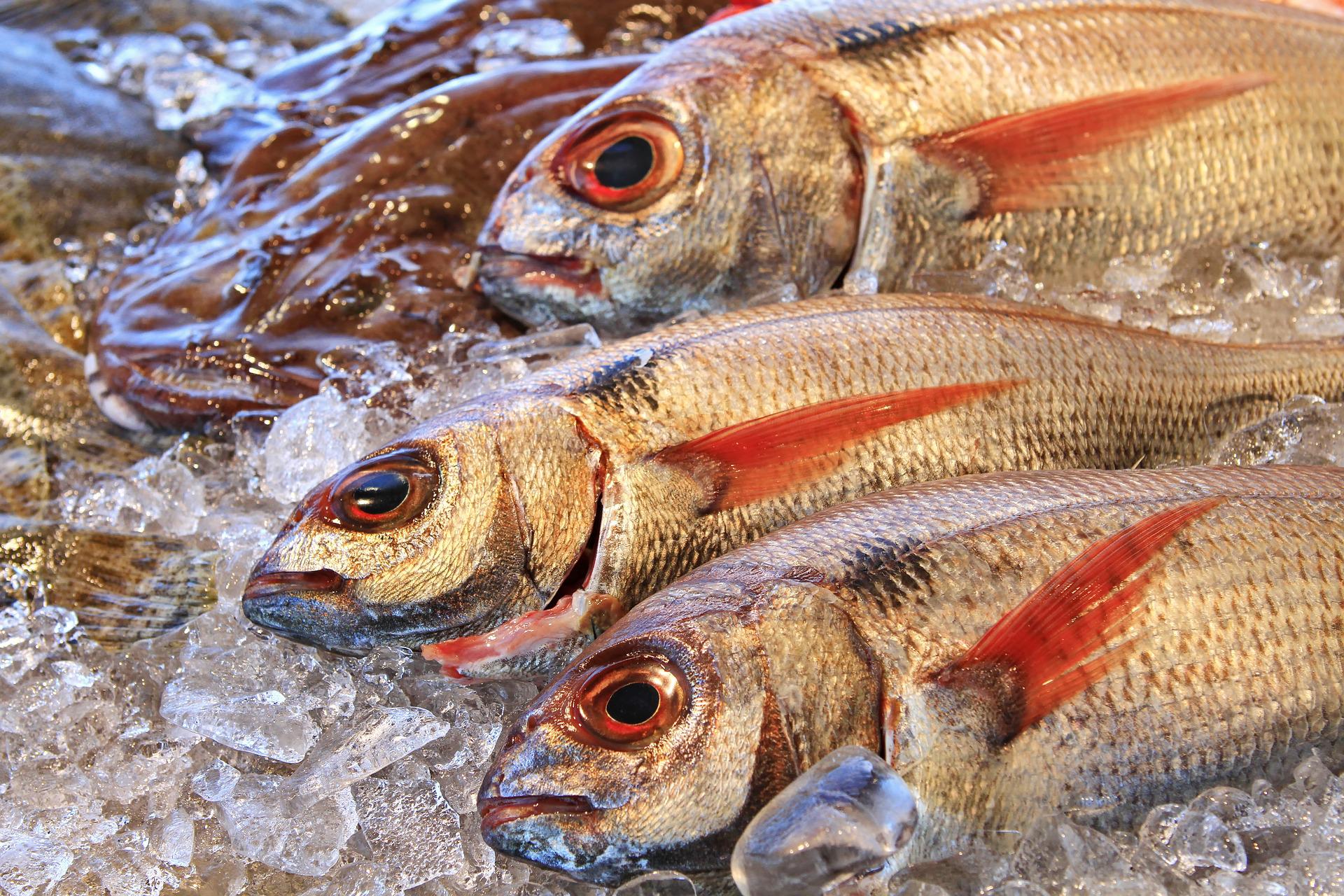
Photo by Pixabay
What to look out for when choosing bream
The taste of bream depends largely on its living environment. It is therefore important to, what type of water is on our plates. Obviously the ones from cleaner waters are tastier! Bream is a fish with whitish-brown flesh and a minimal fat content, which, if it lives an active life, is even more absorbed into the body, which is why its flavours can be excellent. Bream that live in somewhat marshy, boggy areas or in too narrow, „mass” conditions can generally develop a condition known as mud taste.
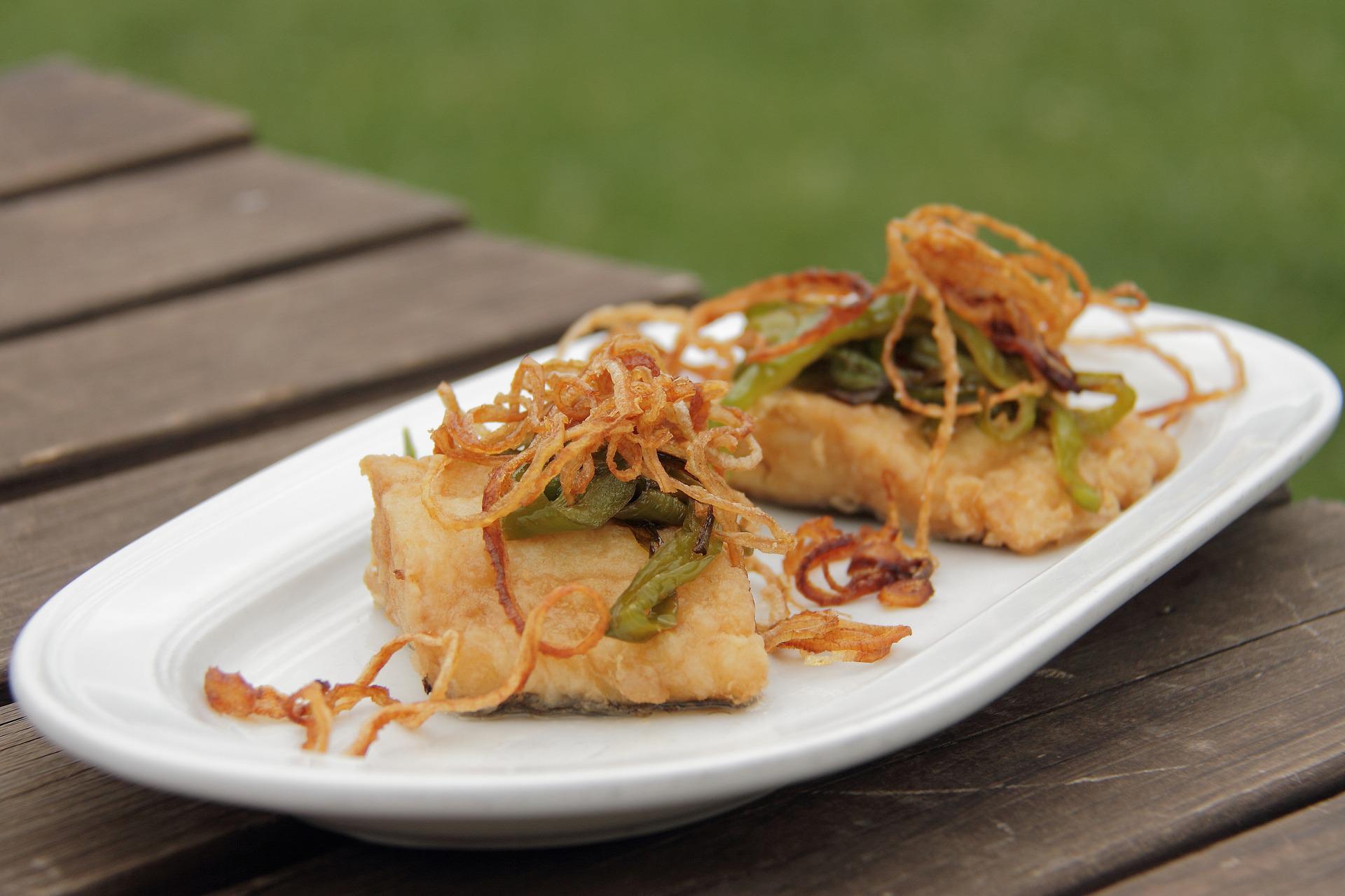
Photo by Pixabay
What bream can be used for in the kitchen
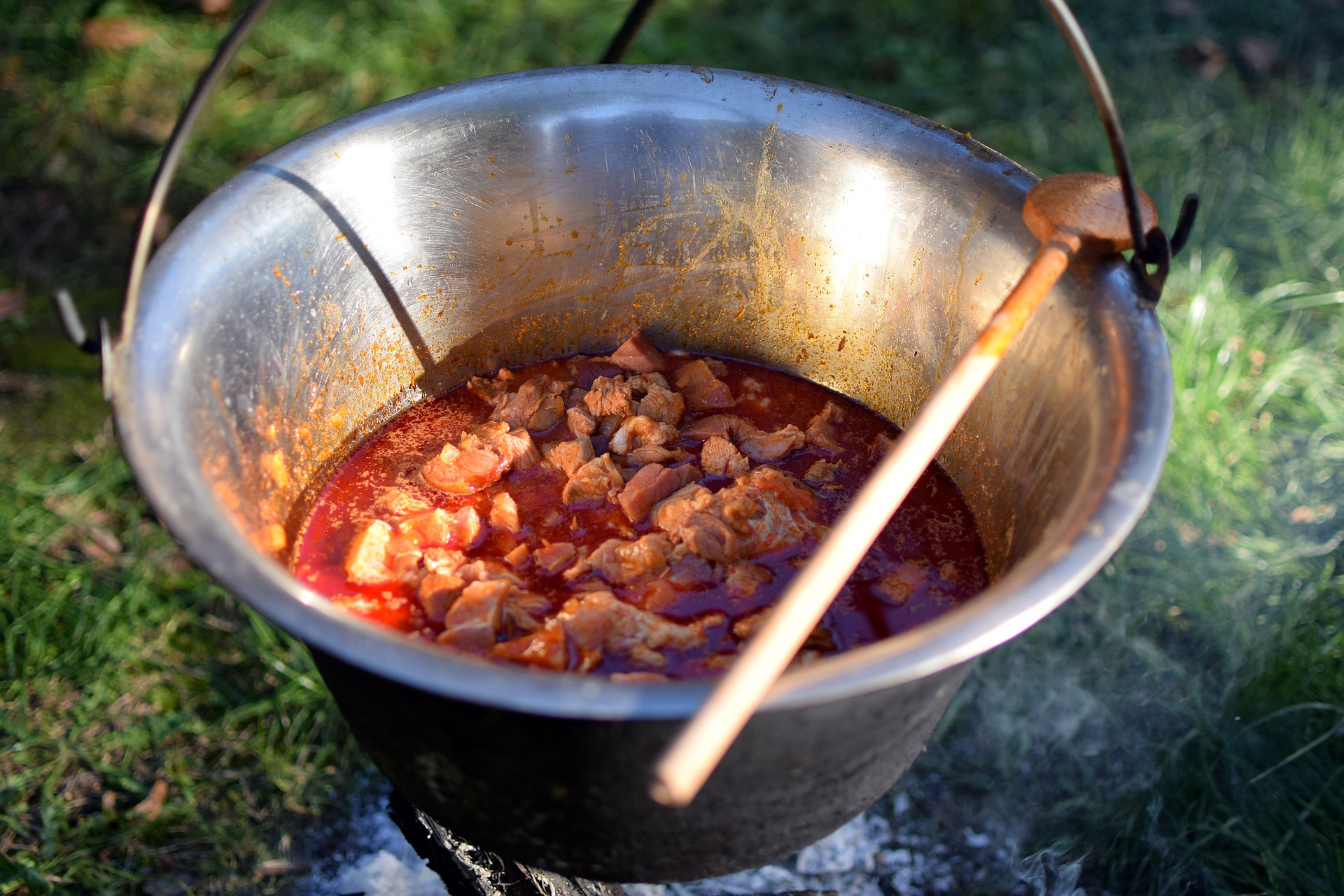
If you want to cook fish (fish soup) in a kettle for its good flavour, bream can be an excellent complement to larger fish. It will never spoil your chowder in the kettle if you add some tasty bream.
Bream, on the other hand, are mostly grown for frying. When it comes to baking, the most important thing is preparation. This can of course be avoided if you work with already prepared bream. If not, then the first thing to do is obviously scaling and gutting. As the bream is not very big, this should not take more than 2-3 minutes.
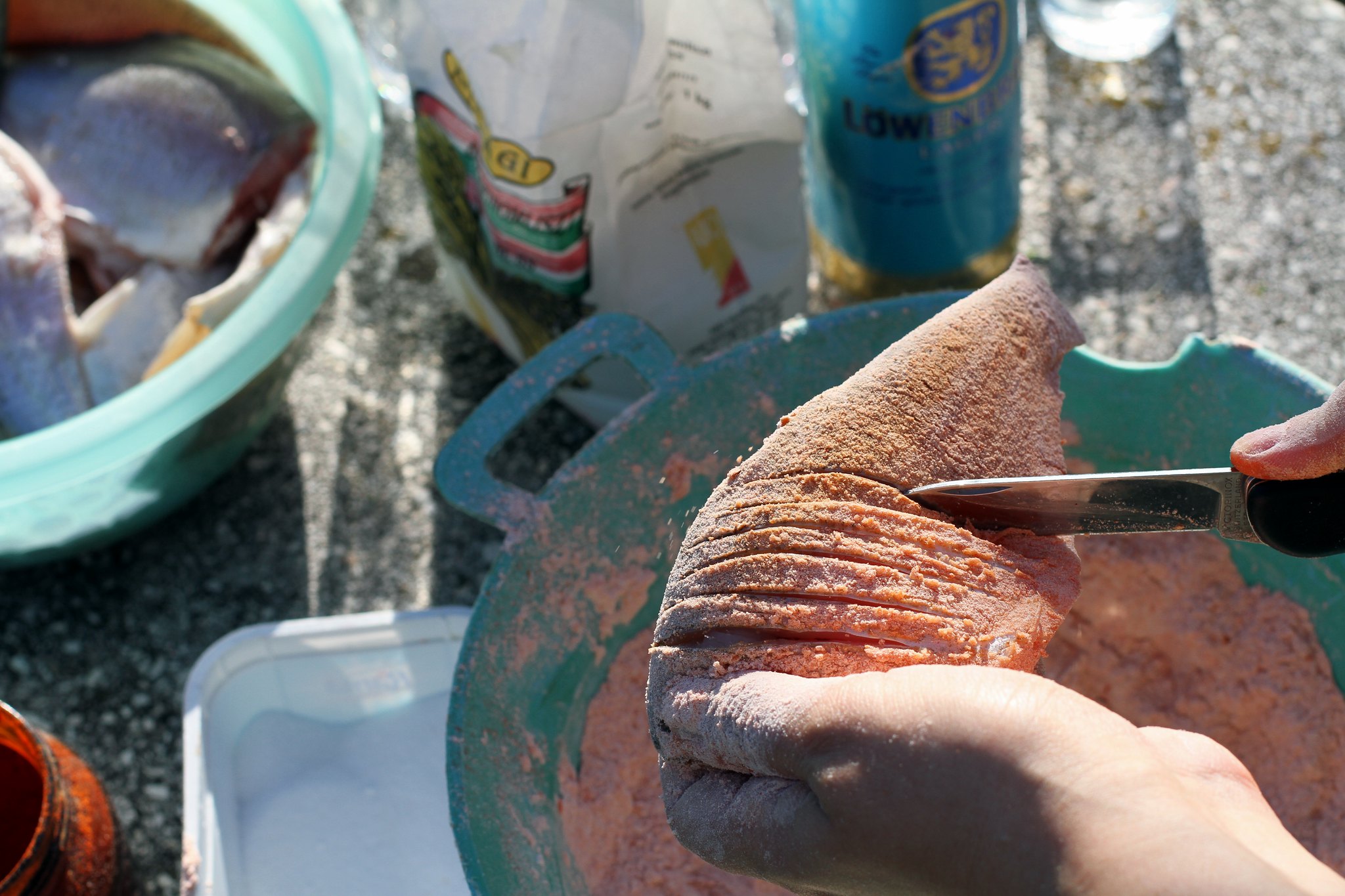
Photo by Flickr
Then comes the most important step, which is the mourning/mourning. Here we need to pause for a moment, what it is and why it is necessary. Because bream are a spiny species, and perhaps this is the reason why we gave up on them for a while, but we have to do something about it. The fish is turned on its side and a sharp knife is used to score the sides of the fish, about every 3-4 millimetres, perpendicular to the backbone. Not only does this make it easier to cook, but it also chops up the splinters. This is to ensure that the tiny splinters are cooked through to the point where the lideally you can simply crisp them up or even fry them. Of course, this does not mean that you should just start mashing the fish mindlessly! You still have to watch out for splinters!
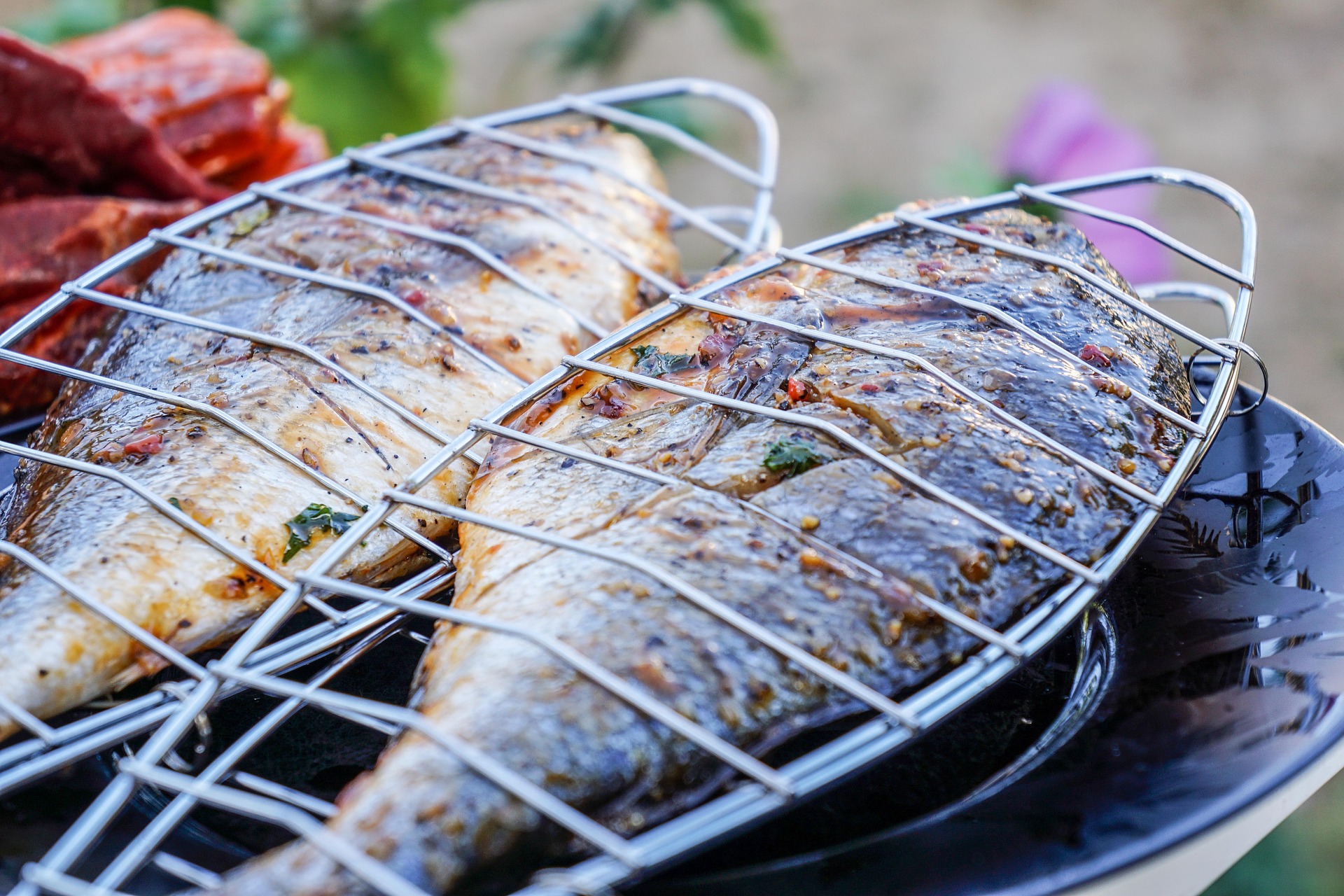
Photo by Pixabay
Cooking the bream
After the preparation, the baking can begin. The most traditional method is to turn the meat in paprika flour. 25-30% paprika and 70-75% flour in a ratio of 25-30% paprika to 70-75% flour. If you prefer, you can of course choose a different type of breadcrumbs or recipe. It's not too bad to just rub it with salt and throw it on the grill grate. You can use several types of oil and fat for frying. There are countless recipes available, which inevitably means that each one will alter the flavour slightly differently.
When frying the fillets, it is important that they are completely immersed in the fat so that they cook evenly. The cooking time depends on the size, but on average, say 7-12 minutes should be enough for a palm-sized fish. The first step should be to achieve tenderness, the second step should be to fry on both sides at a higher heat. This will not only make the meat more crumbly, but also give it a deliciously nice golden brown crispy exterior.