





Unfortunately, it's not the gastronomy that's raising Ukrainian issues these days. But for me it does. I am currently working with three Ukrainian chefs. Despite their young age, they are cosmopolitan people who have worked in French, London, Czech and Italian kitchens. But I was curious about Ukrainian gastronomy.
About Ukrainian gastronomy in general
First of all, I wanted to know how much there is a discrepancy between home cooking and restaurant food in Ukraine. The guys told me that of course international trends have arrived in Ukraine, that it is not lagging behind other countries, and that the latest technologies are being integrated into traditional catering in a welcome way.
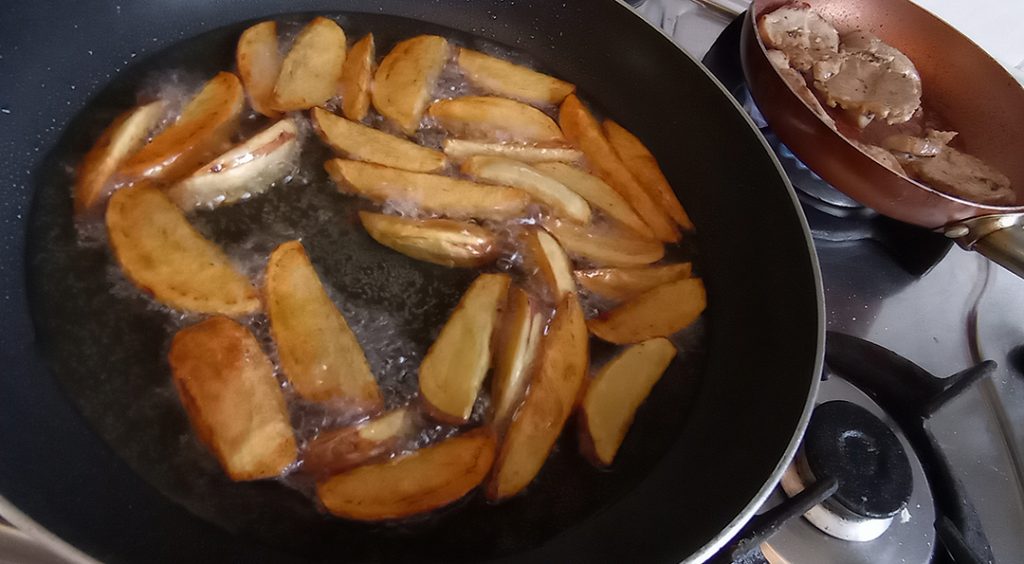
The ingredients are better quality and not only the top restaurants cook with local, farm-grown ingredients. The quality of meat is particularly good, but the choice of vegetables is not nearly as good. Cabbage, potatoes, beetroot and corn dominate in traditional Ukrainian gastronomy. Thanks to the abundance of cooking oil, fried in plenty of oil, the breaded dishes are cooked separately in a single pan, even in the kitchens of larger restaurants. There you don't experience tired, burnt-out black oil frying.
Starter, salad, soup
The kids were talking, they were getting into all sorts of stories, so I asked them to imagine a restaurant where, when a Ukrainian family sits down, what they order.
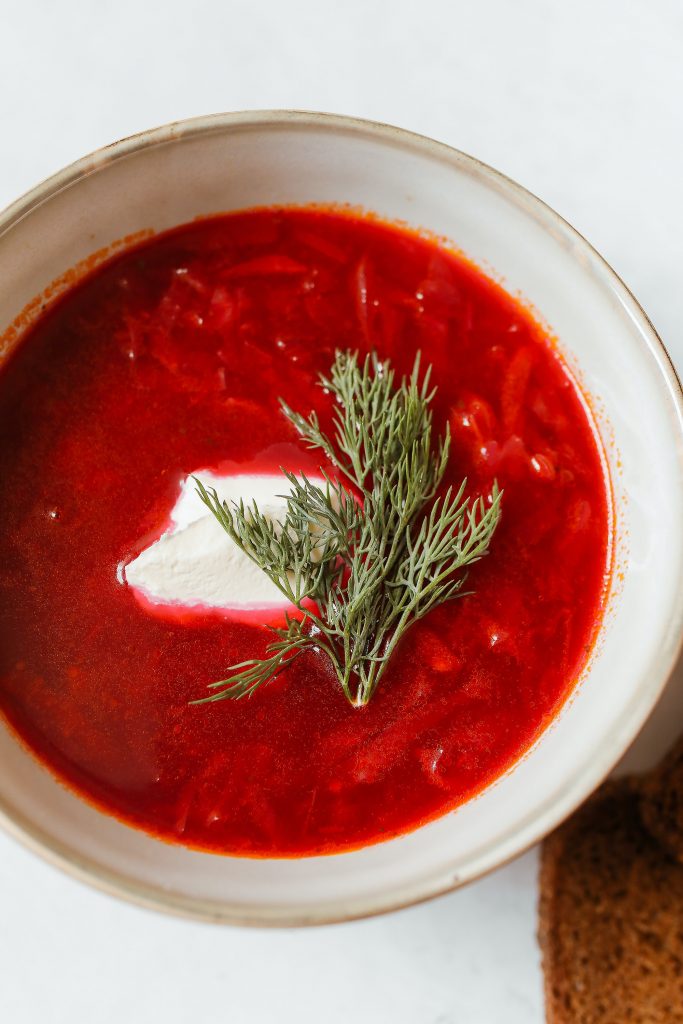
In Slavic countries, it is common to bring out the salad in advance. This is not so common in Ukraine. The meal starts with soup, the most common and traditional soup is peppercorns, which is a beetroot soup, dominated by the taste of fresh beetroot, not too spicy. Instead, dried and ground spices are used and relatively few halves. Available from okroska and a cold, pickled cucumber, yoghurt and dill soup served with potatoes and eggs. It's refreshing, yet filling. If you ask for a salad, you're likely to get a thinly shredded white cabbage, which you can flavour yourself with the table's own dressing.
Main courses, side dishes
As in our country, red meats and chicken dominate here, mostly roasts. Perhaps ahead of the bangers are the roasts, which are succulent despite the poor seasoning, thanks to the good ingredients. The dishes are not nearly as fatty, but the nutritional value of the side dishes is poor and rather monotonous. Potatoes are everything, sauces are poorly represented in Ukrainian gastronomy. Traditional meat dishes are Kiev stuffed meatballs. A kremlzéké is actually a very substantial toffee, which is also eaten on its own.
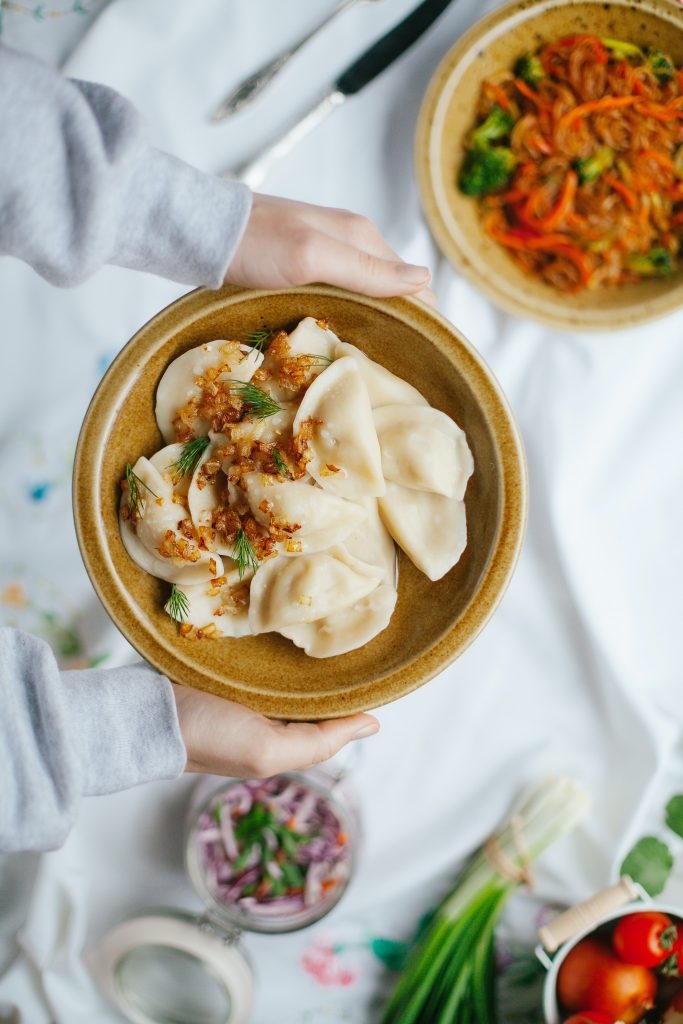
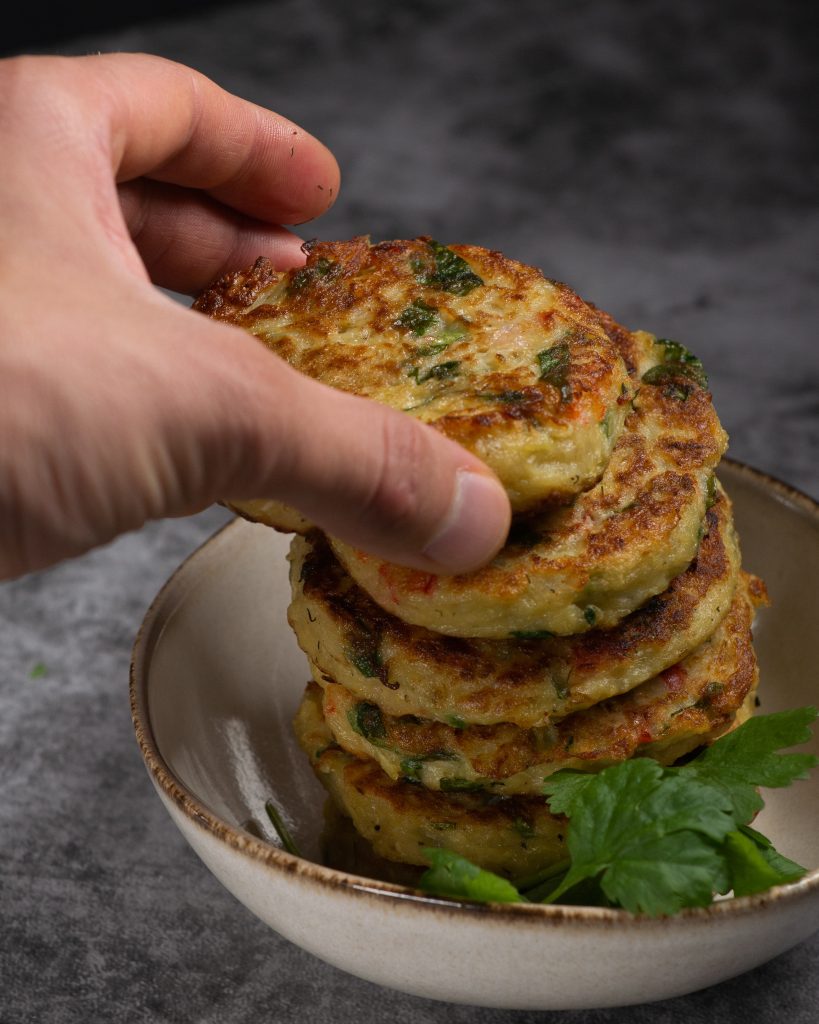
Also not (so much) a meat dish vareniki, whose Polish equivalent is pirog. It is a cooked pasta filled with potatoes, cabbage, possibly meat or cottage cheese, a kind of ravioli, which is either put in the oven or fried in a pan with bacon fat. Served with sour cream, it is a hearty dish.
Light meals, dessert (instead)
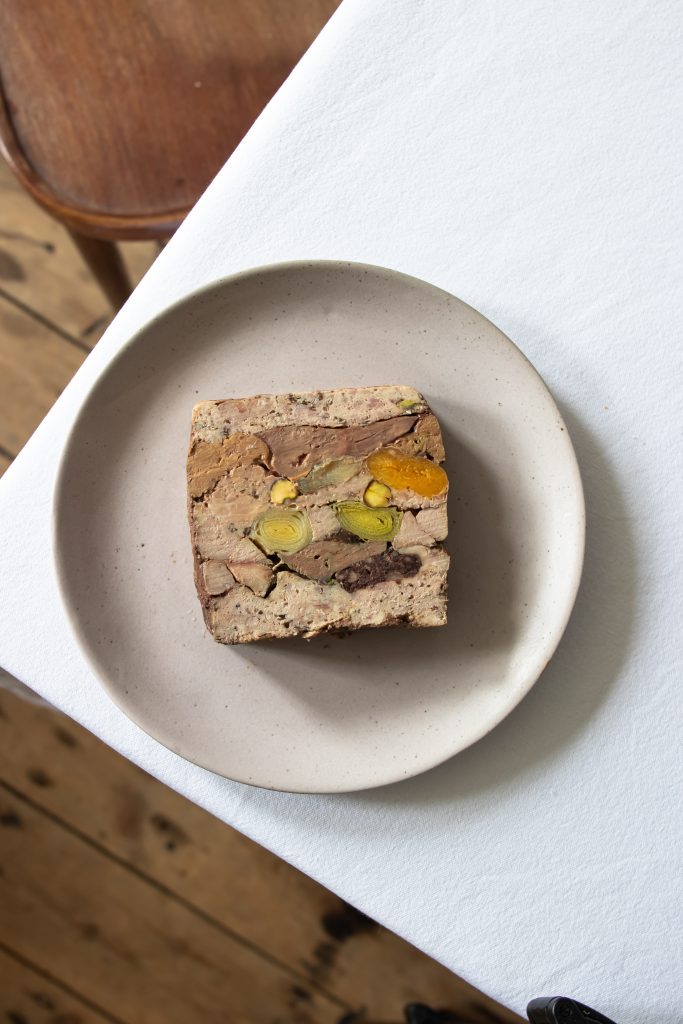
Meals are less often ended with dessert - „that's for the kids”. However, the Hungarian cake became quite famous all over Ukraine thanks to a confectioner from Transcarpathia. This is a walnut cake. By the way. pancakesnuts and marmalade are often included. Perhaps the high meat content jelly is the „final dish” in Ukrainian gastronomy. In Ukraine, the jelly with pork, cheek meat, lower legs, pepper and strong broth is eaten all year round.
The „real” end to the meal is brandy, the starter and accompaniment is vodka.#
-Pupa-