





Hungary is typically a carnivorous nation, which is also due to the fact that our location in the Central Danube Basin has a huge impact on many things. For example, the topography, the climate, the natural vegetation, the hydrography. The protection of the area also has an important role to play in a botanical, zoogeographical and historical context. The natural conditions therefore provide good opportunities for farming, which in turn determines our eating habits.
What meats do we eat most often?
According to surveys, the most preferred meats are chicken meat, a pork and the beef. These three types of meat determine our overall diet. Around 80 percent of the population prefers chicken, 60-70 percent prefer pork and 50 percent prefer beef. In recent years, the prevalence of healthy eating and the emergence of various sensitivities have led to a decline in the meats turnover, but is clearly in first place!
How much meat should we eat?
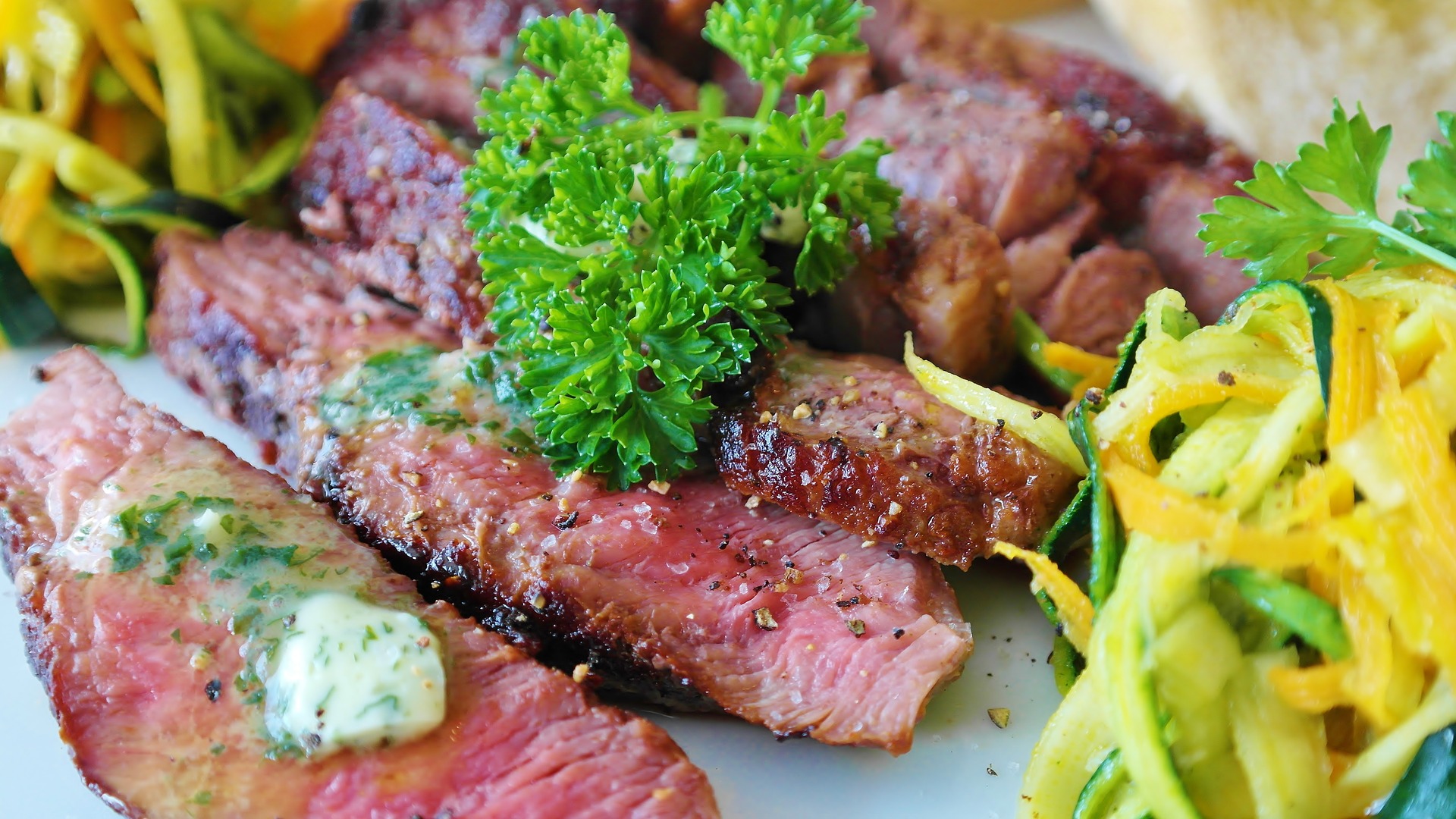
Did you know how much meat you can eat per day? The recommended maximum adult portion is 200 grams. This is not too much, as it means about 2-3 slices of meat and a few slices of cold cuts. This is about the daily protein requirement of our body. This means roughly one and a half to two kilos of meat per week for an adult. People who exercise regularly or do heavy physical work can and should increase this amount, as their body needs more energy.
Why is eating meat healthy?
In recent years, many people have shied away from eating meat, and there are now even claims that it can be harmful to health. In fact, this is not the case. According to experts, eating the right amount of good quality meat is essential for our body to maintain its natural balance. Simply because it is a complete source of protein. On average, 100 grams contain 20 grams of protein.
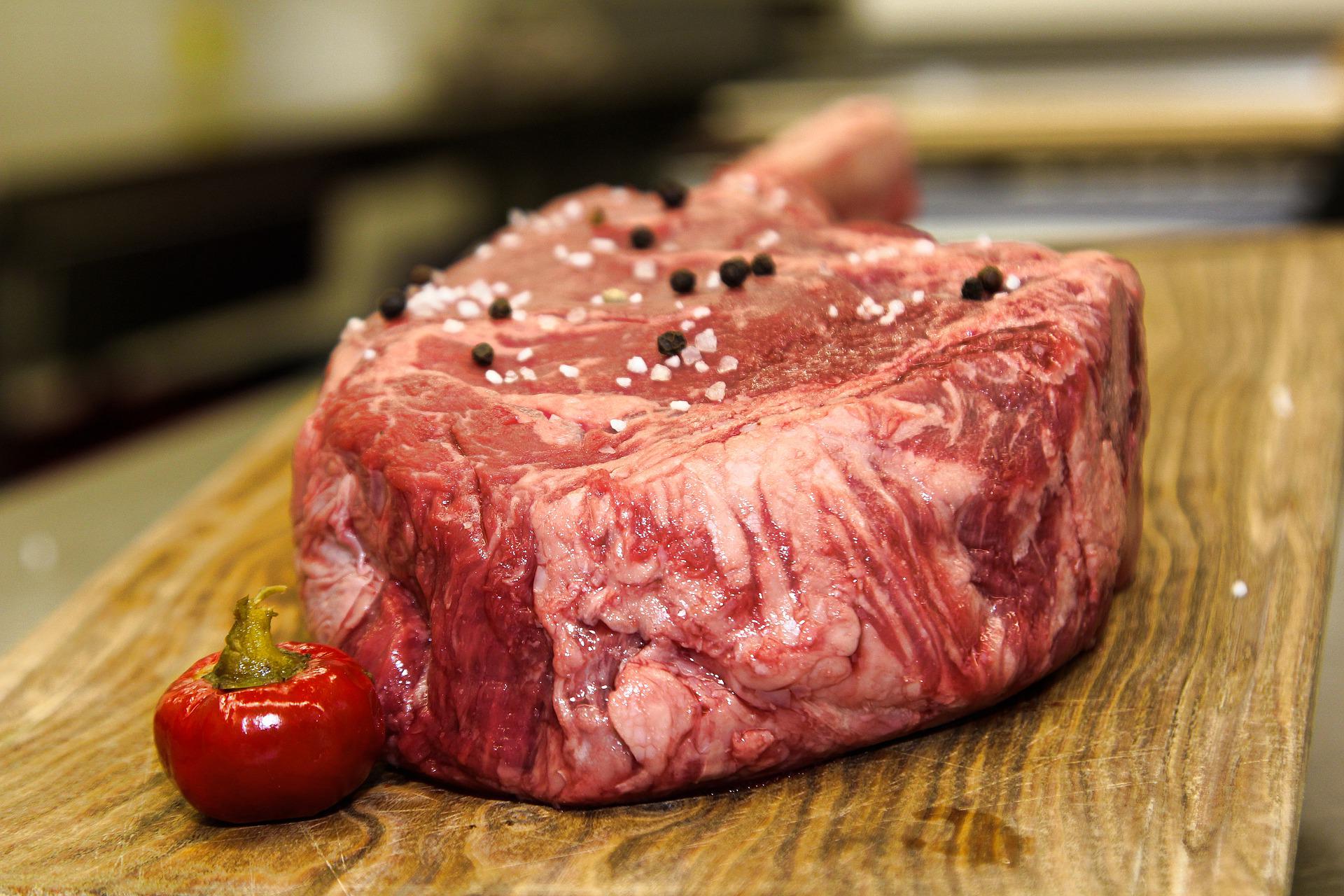
Unlike carbohydrates, eating meat is beneficial because it is not stored in the body, so it does not cause problems. It contains proteins that are necessary to build and maintain our bodies and keep our skeletal muscles in shape. Replenishing the right proteins helps our immune system, builds our bones and is even crucial for wound healing. They contain high levels of vitamins B1, B2, B6, B12, A and D, and important minerals such as iron, zinc, copper, manganese and selenium.
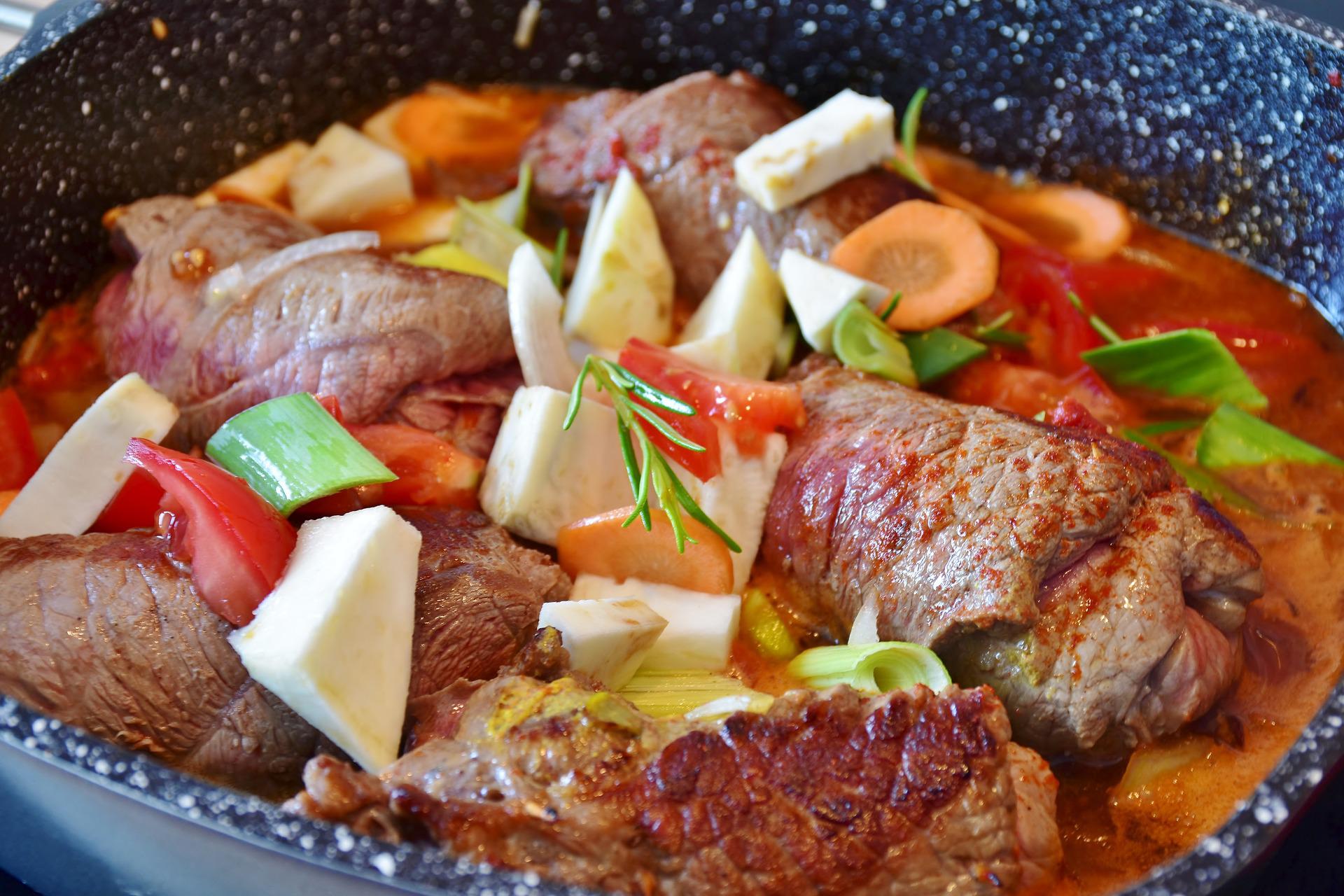
Beef, the meat king
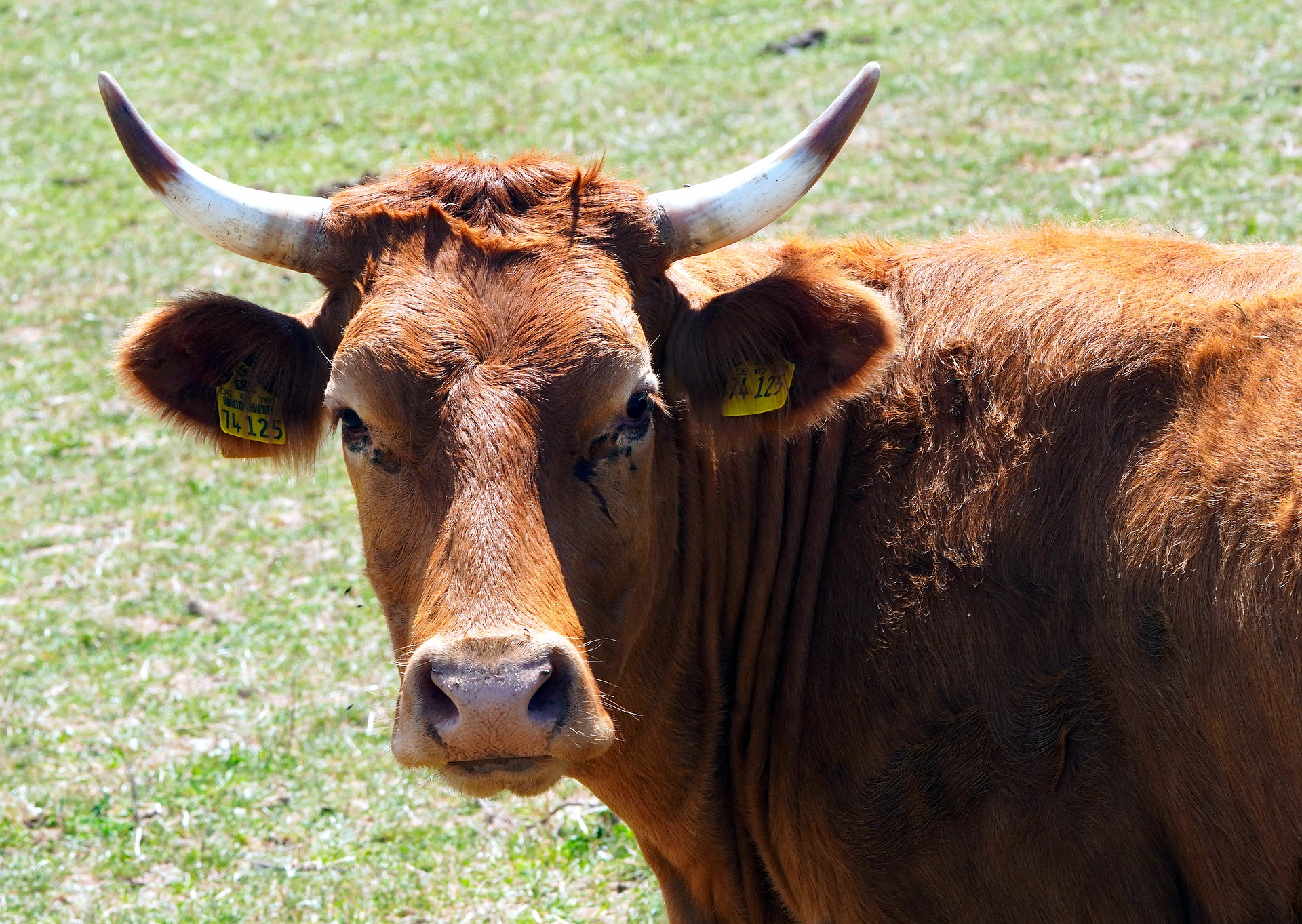
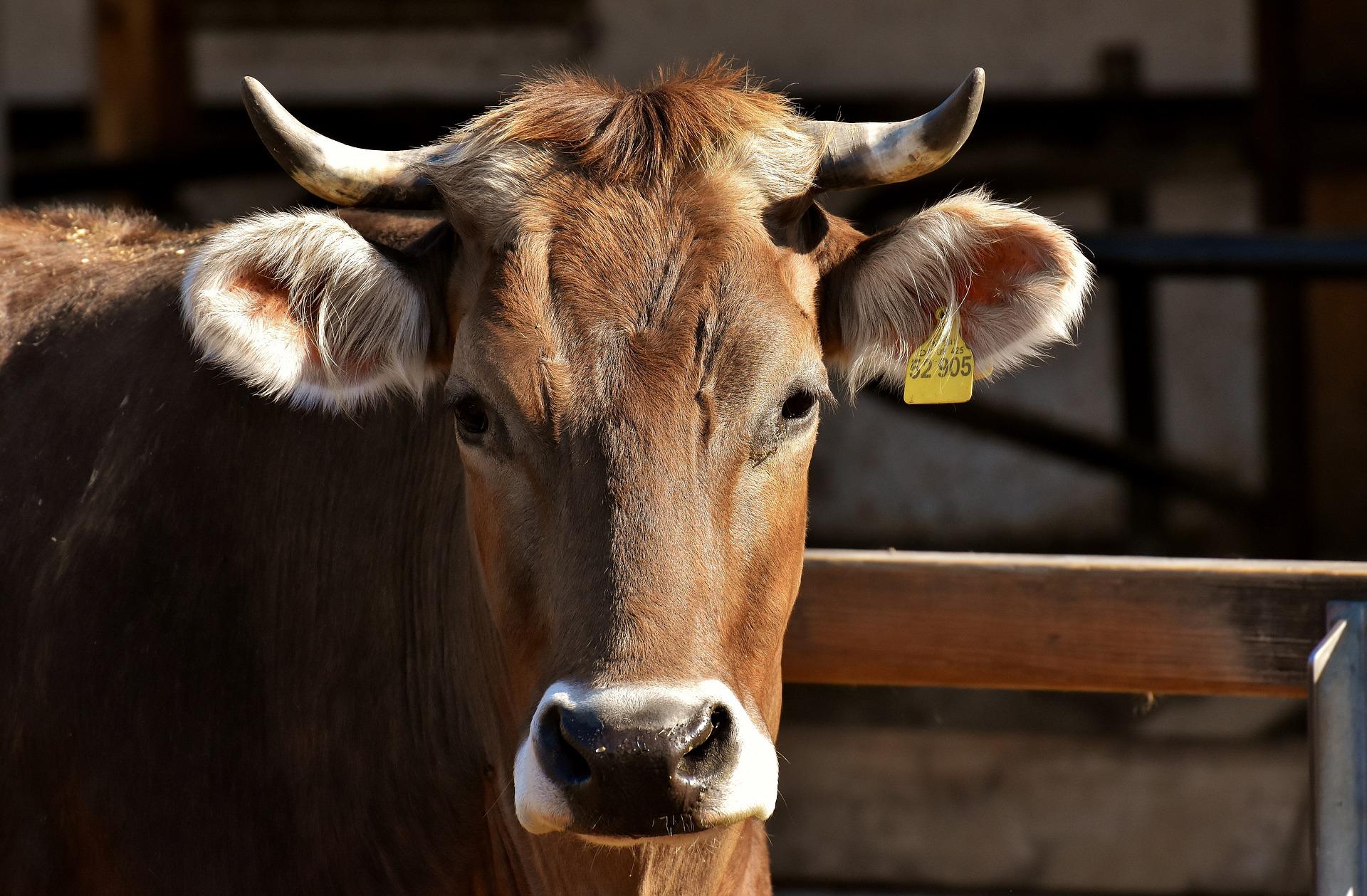
Cattle belong to the mammalian class of mammals, the order Paired-toed ungulates. In the past it was bred for its meat, but later its milk was also used. In the past, it was mainly kept as a draught animal, and its hide and skins were also used. It is interesting to note that hardy breeds, such as the Hungarian grey cattle and Galloway cattle, are also used in landscape management.
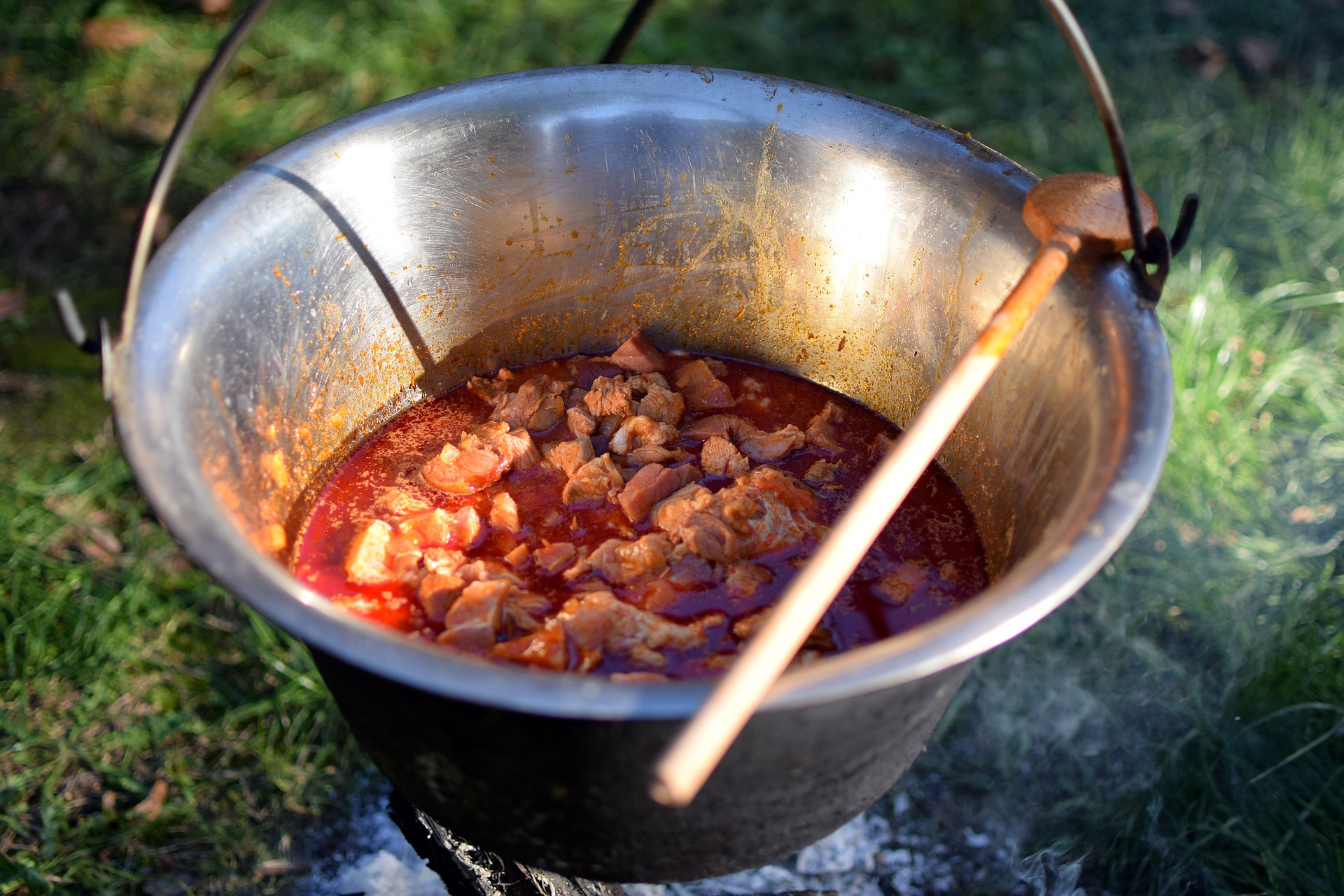
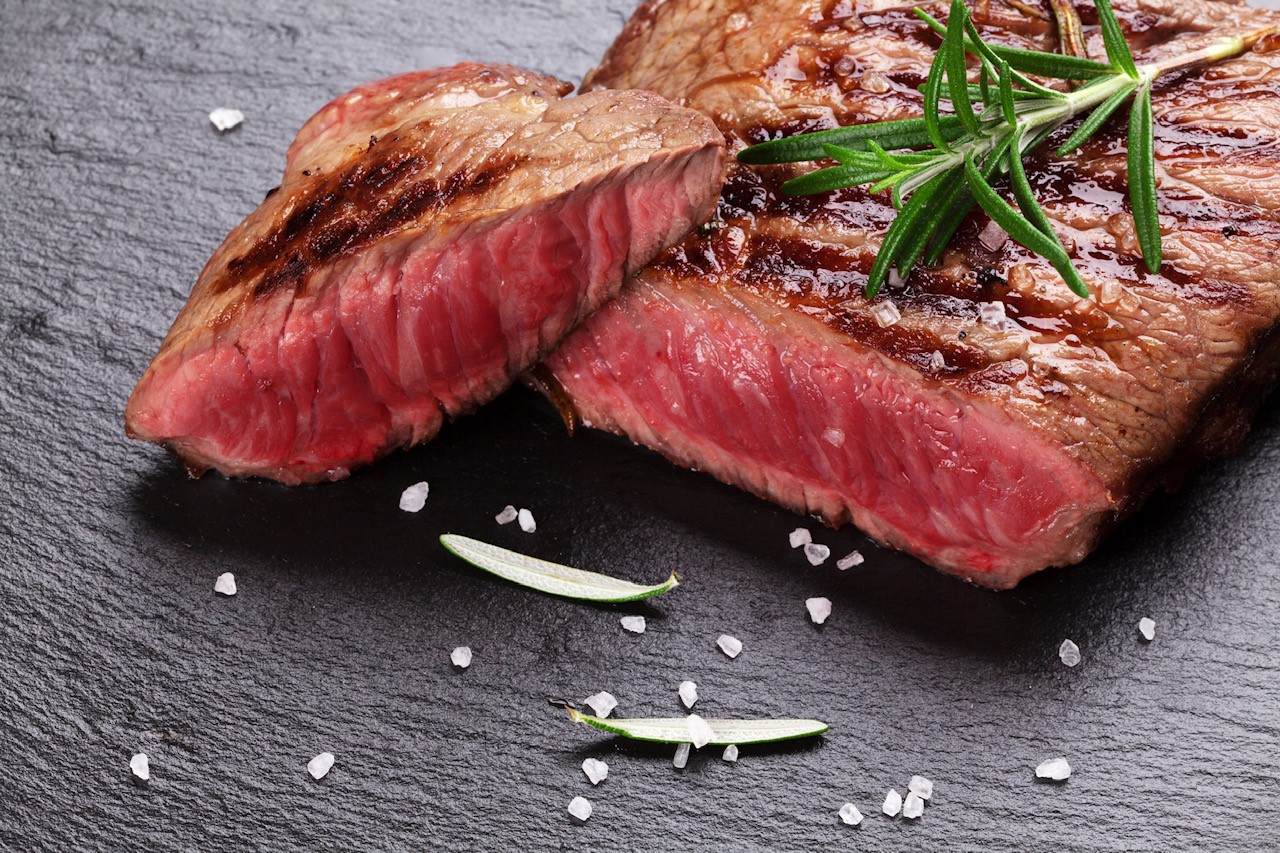
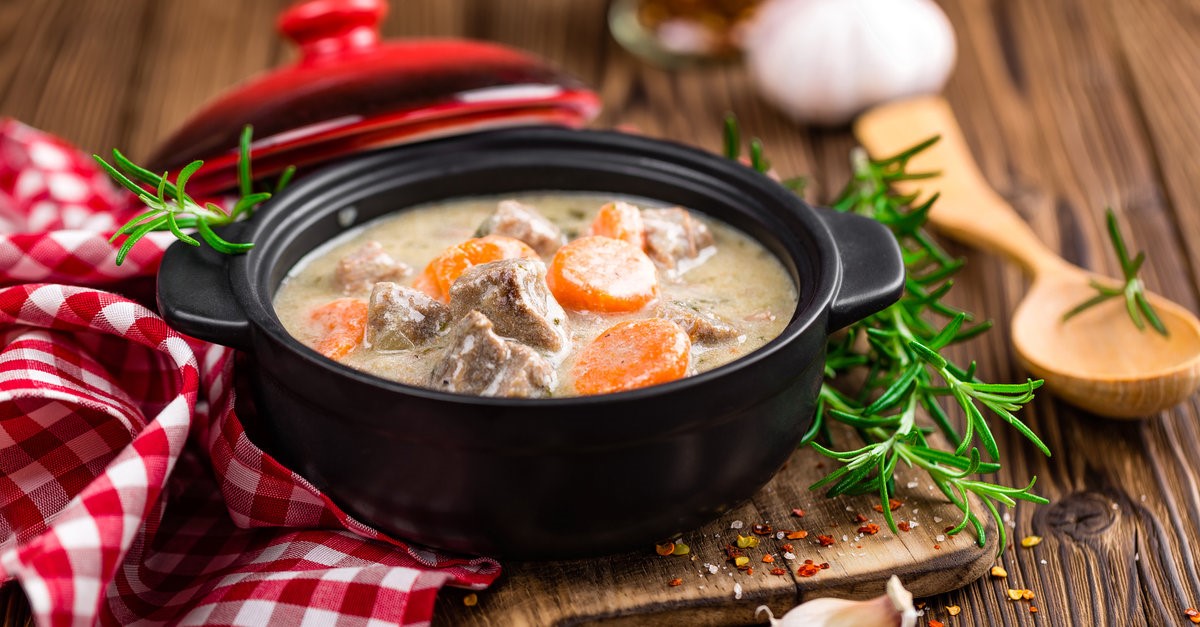
It's tasty, healthy, easy to buy and easy to work with in the kitchen. For beef important to be informed where the meat comes from, as this has a big influence on quality. The breed and the part of the animal from which it comes is important. It is also worth classifying meat cuts according to their use. The softer cuts make a good steak, while the tougher cuts are perfect for a good goulash or stew.
The neck or loin is particularly useful for making small meat dishes (goulash, stew, sturgeon) and for minced meat. These juicier, crumbly cuts of meat are excellent for making soups and can be used as a base for sauces. 100 grams of ground beef has approximately 22 grams of protein, 64 grams of fat, 73 grams of water and only 0.15 carbohydrate content.#